Tos de las perreras: qué es, cuánto dura y cuándo preocuparse
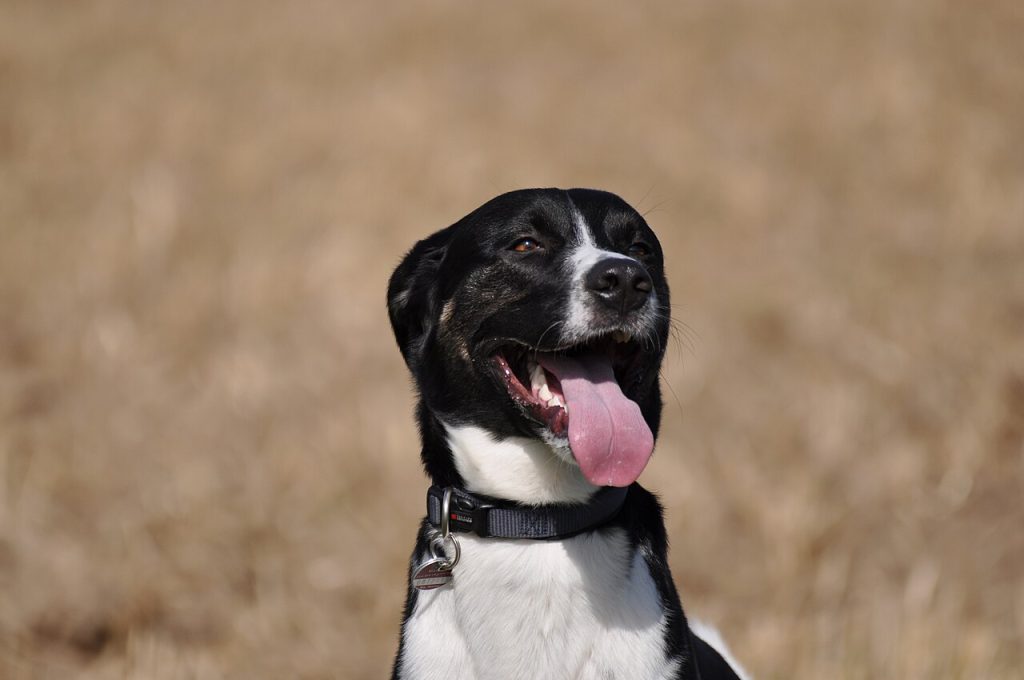
Your dog was perfectly fine, and then all of a sudden, he starts coughing dry and hoarse, like he’s choked on something or got a bone stuck in his throat. It usually appears a few days after you’ve been to the dog park, the park, the barbershop, or an exhibition. If this sounds like you, there are many papers that you are facing a case of tooth from kennels, one of the most common (and most contagious) respiratory infections in dogs.
The good news is that, in most cases, it’s mild and self-limiting. The bad news is that it’s very contagious, and in puppies, older dogs, or those with weak defenses, it can get complicated. In this guide, I’ll tell you exactly what it is, how long it lasts, how it’s treated, and most importantly, what are the signs that should make you pick up the phone and call the vet?
What is kennel cough?
tooth from kennels is the popular name for infectious canine tracheobronchitis, an inflammation of the windpipe and bronchi caused by several airborne infectious agents. It is so named precisely because it spreads like gunpowder in places where many dogs congregate: residences, breeding houses, shelters, dog parks, day nurseries and veterinary waiting rooms.
It is not caused by a single culprit, but is a multifactorial disease: it usually involves more than one microorganism at a time.
- The bacteria Bronchospasm and bronchitis, the agent most associated with the classic picture.
- The the canine parainfluenza virus.
- The canine adenovirus type 2(CAV-2).
- Other less frequently implicated: mycoplasma, canine respiratory coronavirus or roundworm virus.
That it’s multifactorial explains two important things: why it’s so contagious and why a vaccinated dog can still catch it, though almost always more gently.
What it sounds like and what symptoms it has
The primary symptom is a very characteristic dry, strong and repetitive cough. Many caregivers describe it as a goose’s growl or as if the dog has something stuck in its throat. It often ends in an arcade or a nausea, with which the animal expels some foam or saliva; eye, because many people confuse it with vomiting.
Typical signs are:
- Dry cough and snoring that gets worse with exercise, arousal or pulling the belt.
- Arcades or nausea right after coughing.
- Sneezing and watery nasal discharge.
- Tearful eyes or spotted eyes.
- In some cases, mild fever and some decay.
A key reassuring detail: in the light and uncomplicated picture, the dog he’s still eating, drinking and wanting to play.. That is, it coughs a lot but otherwise it is quite well. When this changes (it stops eating, it shuts off, breathing with difficulty) is when you have to be alert, as we will see below.
How long and period of contagion
Once symptoms appear, in a mild and uncomplicated case the cough usually lasts between 1 and 3 weeks, and many healthy dogs clearly improve in about 7-10 days.
| Stage | Indicative duration |
|---|---|
| Incubation (contagion → first symptoms) | 2 to 14 days |
| Cough in a mild case | 1 to 3 weeks (clear improvement in 7-10 days) |
| Full recovery as usual | Up to 3 weeks |
| Elimination of bacteria (residual contagion) | Bordetella may be excreted up to 2-3 months |
It is advisable to separate two things that do not coincide in time: how long the cough lasts and how long the dog can be contagious. Even if your dog stops coughing, some agents (especially Bronchospasm and bronchitis) may continue to be excreted for weeks or even 2-3 months.
When to worry and go to the vet
Most cases resolve on their own, but there are signs that the picture is getting complicated (e.g. towards a pneumonia) and that require immediate veterinary attention.
- Difficulty breathing, agitated, strenuous or noisy breathing.
- High fever, marked decline or severe apathy.
- Loss of appetite or stop drinking.
- moist cough (with mucus) instead of dry, or thick, coloured nasal discharge.
- Blue or very pale gums or tongue.
- That the it doesn’t get better. cough lasts 2-3 weeks or it’s clearly getting worse.
It is also advisable not to wait and consult as soon as possible, even if the picture seems mild, if it is a puppy, elderly dog, pregnant female or dog with previous illnesses or low defenses. In these cases the margin of complication is greater and deserves a professional assessment.
How it is transmitted
Dog colony cough is highly contagious in dogs and is mainly transmitted by air.
- Aerosoles: micro droplets that the sick dog releases when coughing or sneezing and that another inhales.
- Direct contact among dogs (sniffing, muzzle to muzzle).
- Contaminated objects: dining rooms, drinking rooms, toys or shared areas.
This is why it is shot in environments with many dogs and little ventilation. It is no coincidence that many cases appear after a stay in a residence or a dog daycare. good news for families: is a disease almost exclusively of dogs; the risk for healthy people is very low, although it is advisable to wash your hands and extreme hygiene, especially in people with weakened immune systems.
Treatment and home care
In most healthy dogs the kennel cough is self-limiting: It heals on its own with rest and time, without the need for specific medication. The role of the vet is to confirm the diagnosis, rule out complications and decide if anything else is needed. Only when there is a suspicion of secondary bacterial infection (or in dogs at risk) are antibiotics considered, and in specific cases, antitussigens to calm the cough. Never medicate your dog on your own.: Many human syrups and drugs are toxic to them.
What you can do at home to make it better:
- Real rest. No running, jumping or intense games until he recovers.
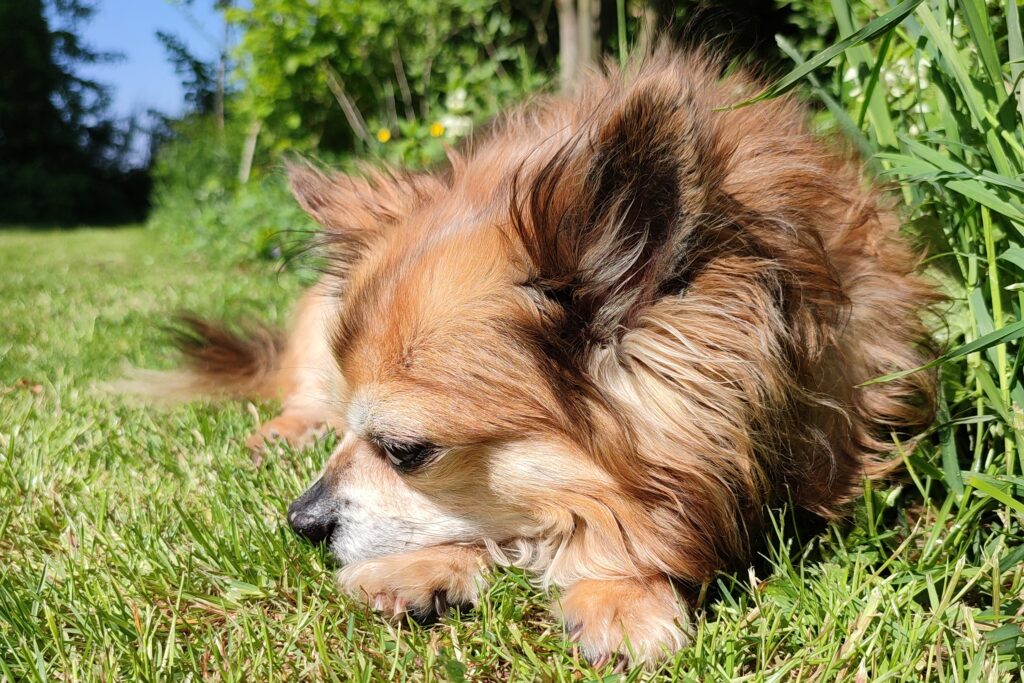
- Use a harness instead of a collar. The collar presses on the already irritated trachea and triggers coughing attacks. Yorkshire Terrier Pomerania Chihuahua
- Humid environment. The steam from a bath with hot water (with the dog out of the shower, just breathing the steam) or a humidifier relieve the airways.
- Fresh water always available and appetizing food so I don’t stop eating.
- Avoid irritants: tobacco smoke, strong air fresheners, aggressive cleaning products and dust.
- Isolate him from other dogs during illness and 2 weeks thereafter.
Prevention and vaccination
The most effective measure is vaccination. There are vaccines against Bronchospasm and bronchitis and canine parainfluenza, and they come in three formats: injectable, intranasal (a few drops in the nose) and oral. Your veterinarian will recommend the most appropriate one depending on your dog’s age, lifestyle and risk of exposure.
We need to understand what the vaccine does and does not do: does not guarantee total immunity, because there are many different agents involved, but it does greatly reduce the severity and duration if the dog is infected.
In addition to vaccination, it helps to prevent:
- Avoid contact with coughing dogs.
- Choose residences and day nurseries clean, ventilated and requesting a vaccination kit.
- Don’t share common dining or drinking troughs in parks.
- Keep up with the rest of the vaccination schedule and the dog’s defenses (good nutrition, deworming and rest).
Dogs at higher risk
Although any dog can catch it, some groups have more papers to complicate and deserve extra surveillance:
- Cachorros, with the immune system still immature.
- Older dogs or with chronic diseases.
- Dogs with low defenses or immunosuppressed.
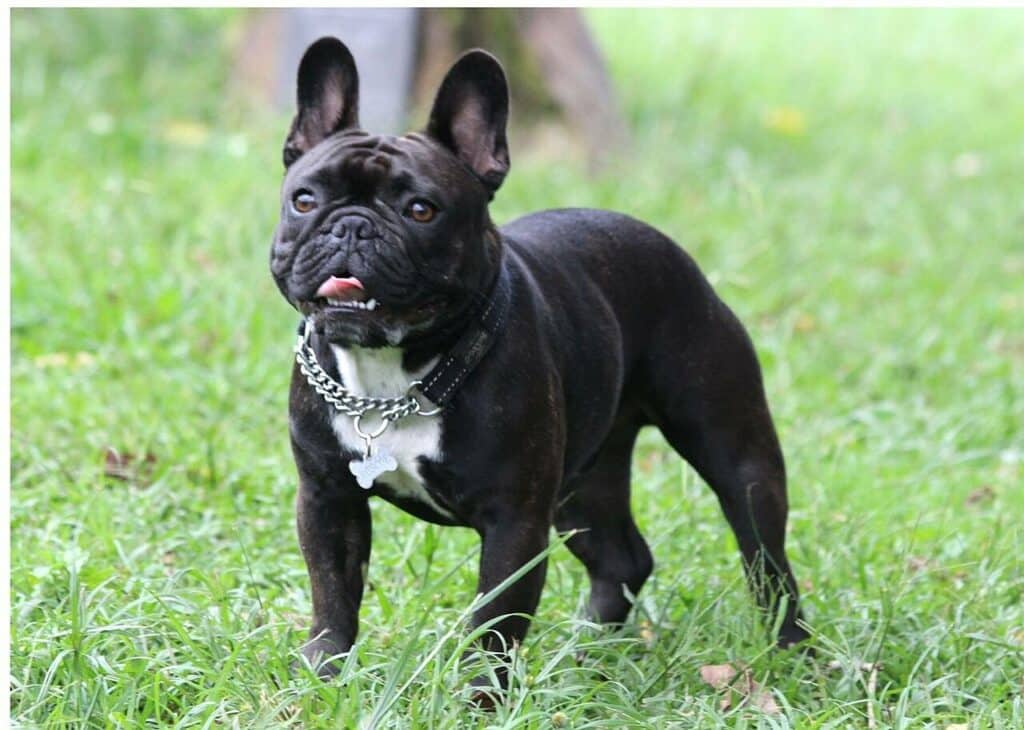
- Brachycephalic breeds(flat-nosed), whose respiratory anatomy makes them more vulnerable to complications. Bulldog Francés Carlino Bulldog Inglés Boston Terrier
- Dogs that they live with many others. or pass through residences frequently.
If your dog belongs to one of these groups, do not be confident even if the condition seems mild.
Common Mistakes to Avoid
- Self-medicate with syrups or human antibiotics. Many are toxic and some are useless; always under veterinary criteria.
- Mistaking the arcade for a vomit or think the dog choked, and waste time looking for a non-existent foreign body.
- Keep wearing the collar and pulling on the strap, further irritating the trachea.
- Taking him to the park or day care coughing, infecting other dogs.
- Reduce importance in at-risk dogs(puppies, adults, brachycephalic) until the picture becomes complicated.
- Do not vaccinate to a dog that frequents residences, parks or exhibitions.
Frequently Asked Questions
Does kennel cough infect people?
The risk to healthy people is very low; it is a disease practically exclusive to dogs. Nevertheless, it is advisable to wash your hands after handling a sick dog, especially if there are immunocompromised people in the house.
How long do I have to isolate my dog?
The general recommendation is to keep him away from other dogs as long as he has symptoms and for at least 2 weeks after he stops coughing, as he may still be contagious even if he appears to have recovered.
Do you need antibiotics all the time?
Antibiotics are reserved for cases with suspected secondary bacterial infection or for dogs at risk, and should always be prescribed by the veterinarian.
My dog is vaccinated, why did he get sick anyway?
Because kennel cough is caused by several different agents, and the vaccine doesn’t cover all of them 100 percent, but it does greatly reduce the severity and duration of the condition, so the vaccine is still worth it.
Can I walk him while he’s sick?
Yes, but short, quiet walks, with harness instead of collar, avoiding strenuous exercise and contact with other dogs, no dog parks or dog areas until he’s recovered and past his isolation period.
When is it urgent to go to the vet?
When there is difficulty breathing, high fever, marked decay, loss of appetite, cough with mucus or bluish gums. Also if the cough does not improve in 2-3 weeks or the dog is a puppy, elderly or brachycephalic. In such cases, do not wait.
This article is for informational purposes and does not replace veterinary consultation. If your dog has symptoms, always seek professional help for proper diagnosis and treatment.