Canine hydration: how much water your dog needs each day
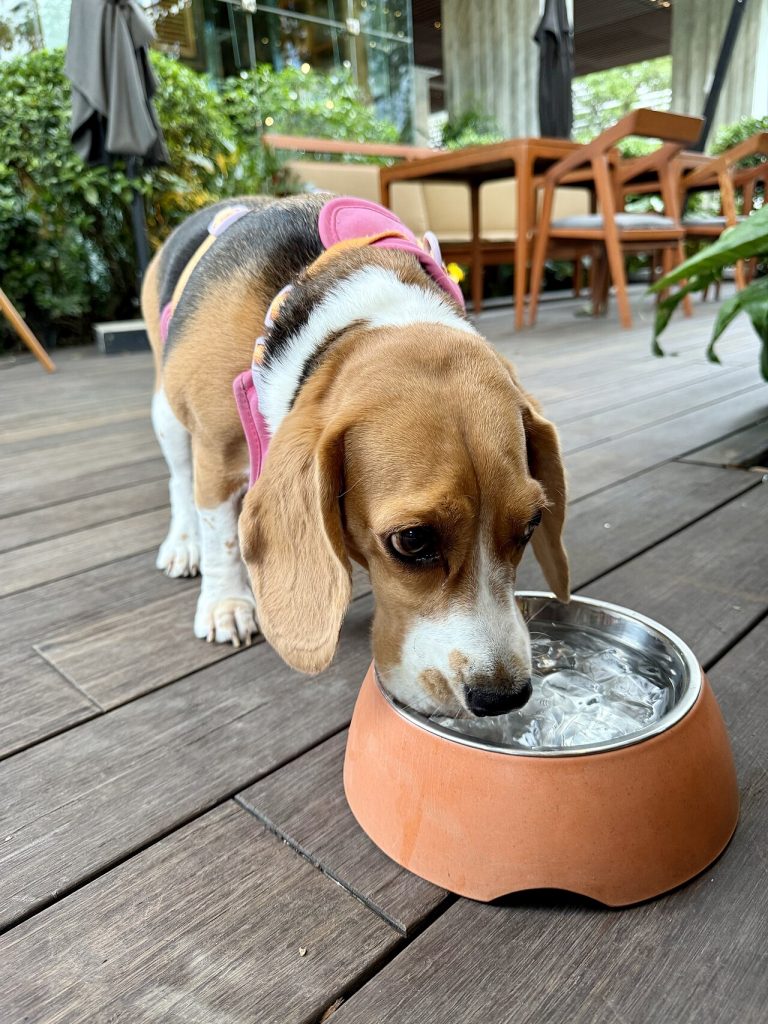
You fill his bowl every morning, but have you ever stopped to check how low the level is? Knowing how much water does a dog drink? up to date is not a vet curiosity: is one of the most reliable (and cheapest) indicators of your health. A dog that drinks too little gets dehydrated sooner than you think, and one that suddenly empties the bowl over and over again may be warning you of a kidney, sugar, or hormone problem. In this guide we tell you the guideline amounts by weight, how to check in 10 seconds if your dog is well hydrated, the warning signs at both ends and tricks that work to get him to drink more (or less).
How much water does a dog drink a day?
The reference used by most veterinarians is simple: A healthy dog needs approximately between 50 and 60 ml of water per kg body weight per day. Very calm dogs can stay around 40 ml/kg and very active dogs approach 70-90 ml/kg on hot days or intense exercise. Sources such as the American Kennel Club (AKC) also cite the Anglo-Saxon rule of “one ounce per pound of weight”, which equates to about 60-65 ml per kilogram: As you can see, all serious references move in the same fork.
So you don’t have to do the math, here’s the weight guide with examples of known breeds:
| Weight of the dog | Example of race | Guidance water per day |
|---|---|---|
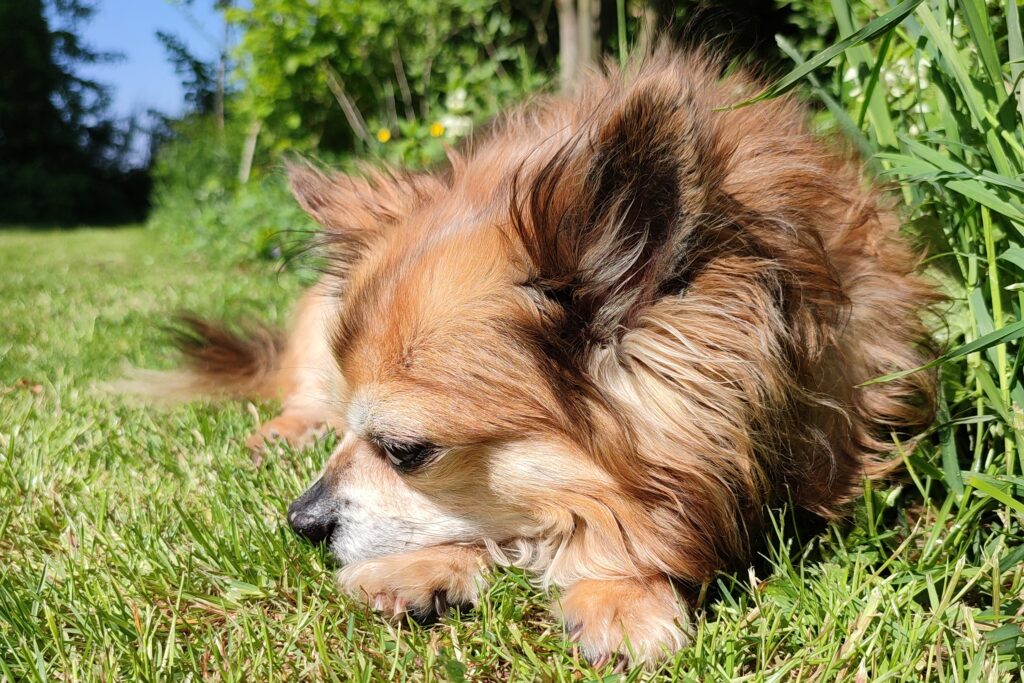
| 2 to 3 kg | Chihuahua | 100 to 180 ml (one glass) |
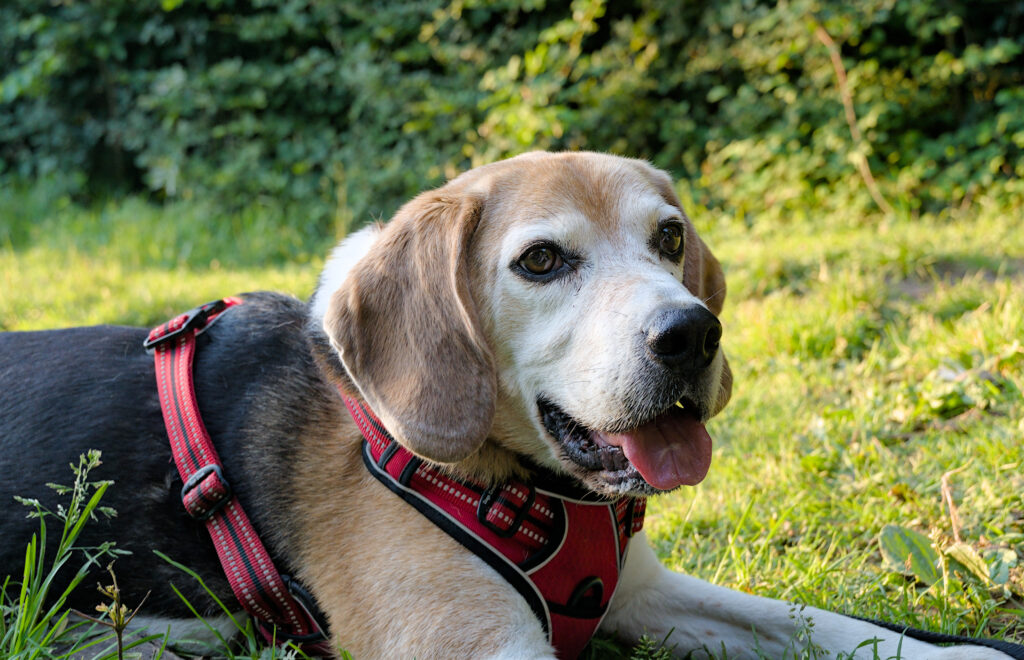
| 10 kg or less | Beagle | 500 to 600 ml |
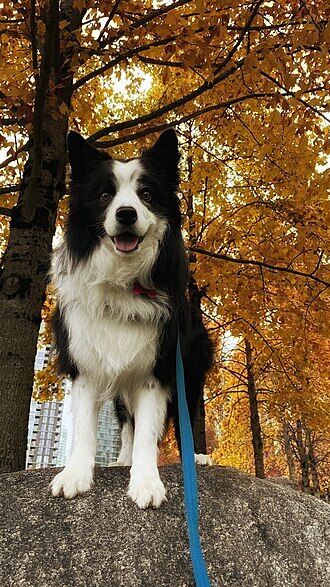
| 20 kg or less | Border Collie | 1 to 1,2 litres |
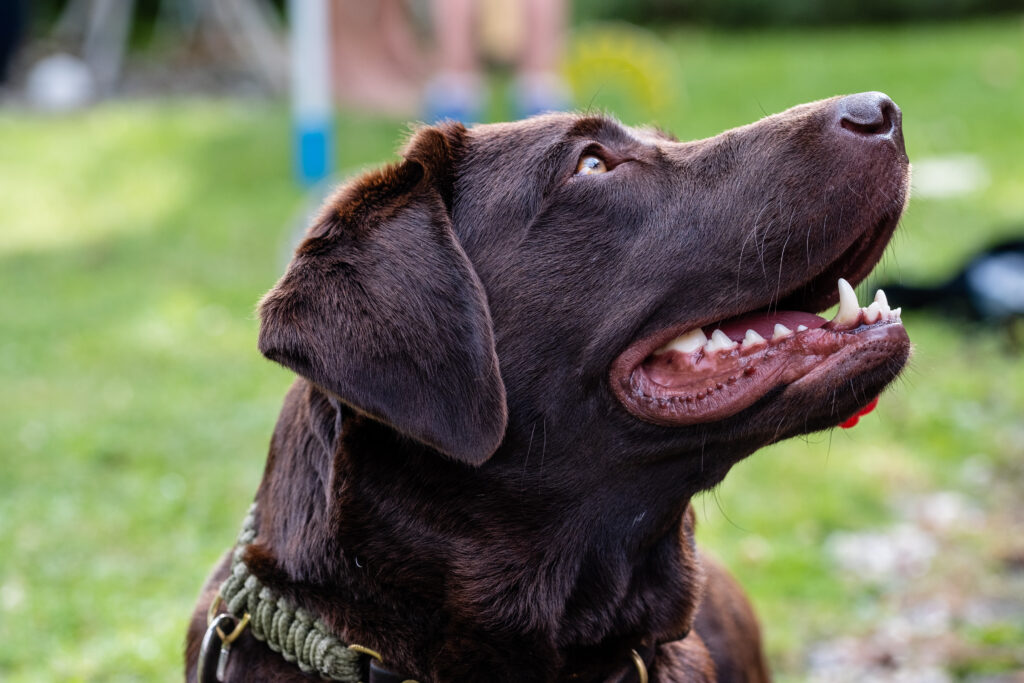
| 30 kg or more | Labrador Retriever | 1,5 to 1,8 litres |
| 45 kg or less | The Rottweiler | 2.2 to 2.7 litres |
Two important nuances before you pull out the scale and the test tube. First of all: These figures include all the water the dog ingests, also that which comes in the food (and a can of wet food is 65-80% water). Second: You don’t have to measure the milliliter every day. The really useful thing is to know the usual consumption of you dog to detect sudden changes, which are the real alarm signal.
Factors that (very) change the quantity
Two dogs of the same weight can drink very different amounts and both be perfectly healthy.
- Type of feed. is the most overlooked factor. A dog that eats only dry feed (8-10% moisture) will drink significantly more from the bowl than one that eats a wet or homemade diet.
- Heat and humidity. Dogs don’t sweat like us: they regulate their temperature by panting, and panting evaporates a lot of water.
- Ejercicio. An hour of intense play or a hiking trail triggers needs. Work dogs and athletes, such as the Border Collie, need water available before, during and after activity.
- Morphology and hair type. Brachycephalic breeds like the Bulldog Francés pant less efficiently and tolerate heat worse, so getting adequate hydration is even more critical for them. Husky Siberiano
- Edad. Puppies drink more per kilo than adults (grow, play unrestrained and become dehydrated earlier). Older dogs sometimes drink less because of laziness or joint pain: bringing water closer makes the difference.
- Physiological state and medication. Pregnancy, breastfeeding and drugs such as corticosteroids or diuretics increase thirst noticeably and as expected.
How to tell if your dog is well hydrated in 10 seconds
You don’t need appliances: your hand and your eyes are enough. Get used to this mini routine and repeat it from time to time, especially in summer:
- The fold of skin. Gently pinch the skin between the shoulder blades, raise it a couple of centimeters and release it. In a well-hydrated dog it returns to its place immediately; if it takes a long time to come down or is “mounted”, there is a water deficit.
- The gums. Lift your lip and touch the gum with your finger: it should be wet, slippery and pink.
- The capillary filling. Press the gum with your finger until it turns pale and loose: the pink color should return in less than 2 seconds.
- The urine. A light yellow is a good sign. Very dark and sparse urine indicates a lack of water; almost transparent and very abundant urine, that you are drinking too much.
Signs of Dehydration and What to Do
Dehydration in dogs is gradual, and the sooner it goes away, the easier it is to reverse.
- Lethargy or less desire to play than usual
- Dry truffle and thick sticky saliva
- Dry gums and loss of skin elasticity
- Eyes sunken and out
- Persistent Jade, weakness and wobbling
- Vomiting or diarrhoea that makes fluid loss worse
But if the skin does not recover its place, the gums are dry, there are repeated vomiting or suspicions of heat stroke, don ‘t wait . It ‘s a veterinary emergency .. Moderate or severe dehydration is corrected with fluid therapy in the clinic, not with the home bowl.
When the problem is excess: polydipsia and water intoxication
She’s been drinking a lot for days.
A sustained consumption of more than 100 ml per kg per day is considered technically excessive (polydipsia) by veterinarians. But don’t just stick to the number: A clear increase in what your dog used to drink already warrants a visit, even if it doesn’t reach that threshold. Behind a dog that suddenly drinks and urinates a lot can be diabetes, chronic kidney disease, Cushing’s syndrome, uterine infection in unsterilized females or liver problems, among other causes. They’re all diagnosed with simple blood and urine tests.
Very important: never restrict water on your own. to “check” if you drink for addiction.Poorly done dehydration tests can lead to severe dehydration; if done, they are done under veterinary supervision.
Drinking too much at once: water intoxication
Less well known but very dangerous: hyponatremia or water intoxication occurs when the dog swallows an enormous amount of water in a short time and the sodium in his blood is diluted to critical levels. The typical scenario is not the bowl, but the game: Dogs that dive for the ball, bite the hose’s jet or “catch” waves for hours. Symptoms (vomiting, lethargy, staggering, dilated pupils, excessive salivation and, in severe cases, convulsions) may appear within half an hour, and small dogs are most vulnerable. If your dog is a Labrador type water-obsessed, make mandatory breaks every 10-15 minutes of water play and choose flat toys instead of balls, which force him to open his mouth less. If you have symptoms after a water session, go to the emergency room without hesitation.
Practical Tips for Your Dog to Drink Well
- Clean, fresh water always available, at home and on long walks.
- Wash the bowl daily with soap and water. The saliva forms a biofilm where bacteria grow, and many dogs drink less when the water tastes like an old bowl.
- Put several water points if your house has more than one floor or if you have multiple dogs: reduces competition and laziness.
- Try a fountain for dogs. if yours drinks little: moving water attracts many dogs and keeps it fresher and more oxygenated.
- Add warm water to feed or alternate with wet food if your veterinarian approves: this is the easiest way to “squeeze” water into a dog who drinks little.
- Ice cubes as a prize in summer: most people love them and they’re pure hydration.
- Portable bottle or beverage on excursions and trips: do not let him drink from stagnant ponds or rafts, which are sources of parasites and bacteria such as leptospirosis.
- He offers water every 15-20 minutes. during intense exercise, in small amounts, rather than a binge at the end.
Common Mistakes With Your Dog’s Water
- Remove water at night so the puppy doesn’t pee inside. Manages pee schedules differently: water restriction is not the way.
- Fill without washing. Adding new water on top of the old doesn’t clean anything; the bottom of the bowl is still a crop.
- Don’t count the water from the food. If you eat wet and drink little from the bowl, it’s normal.
- Ignore a change in pattern.“You’ve always had little to drink” or “It’ll be hot” delay diagnoses of diseases that are treated much better the sooner they’re detected.
- Let it swell up to drink after exercise. Best moderate and repeated amounts, especially in large, deep-chested breeds prone to gastric dilation-torsion.
- Scratches accumulate bacteria and some dogs develop contact dermatitis on the chin.
Frequently Asked Questions
How much water should a puppy drink?
Puppies need proportionally more water than adults and become dehydrated much faster. During weaning, it is recommended to offer small amounts every few hours (about half a cup every two hours in very small puppies) and, once weaned, they should always have water available. If your puppy refuses water or has diarrhoea, see your veterinarian the same day: In such a small body, dehydration progresses very quickly.
Is it normal for my dog to go many hours without drinking?
During sleep or on cold, quiet days, yes, he may go quite a few hours without going near the bowl. What is not normal is that he goes a whole day without drinking anything: if he has not taken water for about 24 hours, or if he refuses water and is also apathetic or vomiting, go to the veterinarian without waiting any longer.
Why is my dog drinking so much water all of a sudden?
If not explained by heat, exercise or a change to dry food, a sudden and sustained increase in thirst is a reason for consultation. Diabetes, kidney disease, Cushing’s, pyometer or certain drugs (such as corticosteroids) are frequent causes. The veterinarian studies it with blood and urine tests.
Can I give you cold water or ice in the summer?
Yes. In healthy dogs, fresh water or ice cubes are safe and do not cause stomach torsion, a widespread myth. The only reasonable precaution is to prevent a very hot dog from drinking huge amounts at once – preferably little and often.
Is tap water good for dogs?
In general, if tap water is drinkable for you, it is for your dog. If in your area the water has a lot of lime or bad taste and your dog rejects it, try filtered water. The important thing is that it is clean, fresh and available; bottled does not provide proven health benefits.
How do I measure how much water my dog drinks each day?
Fill the bowl in the morning with a known amount (for example, with a measuring jar), do not fill it during the day and measure what is left after 24 hours. Repeat 2-3 days to get a reliable average. If several animals live together or eat a wet diet, tell the veterinarian to interpret the figure correctly.
This article is for informational purposes only and does not replace a professional diagnosis.