Home-made and healthy snacks for dogs: 10 easy recipes
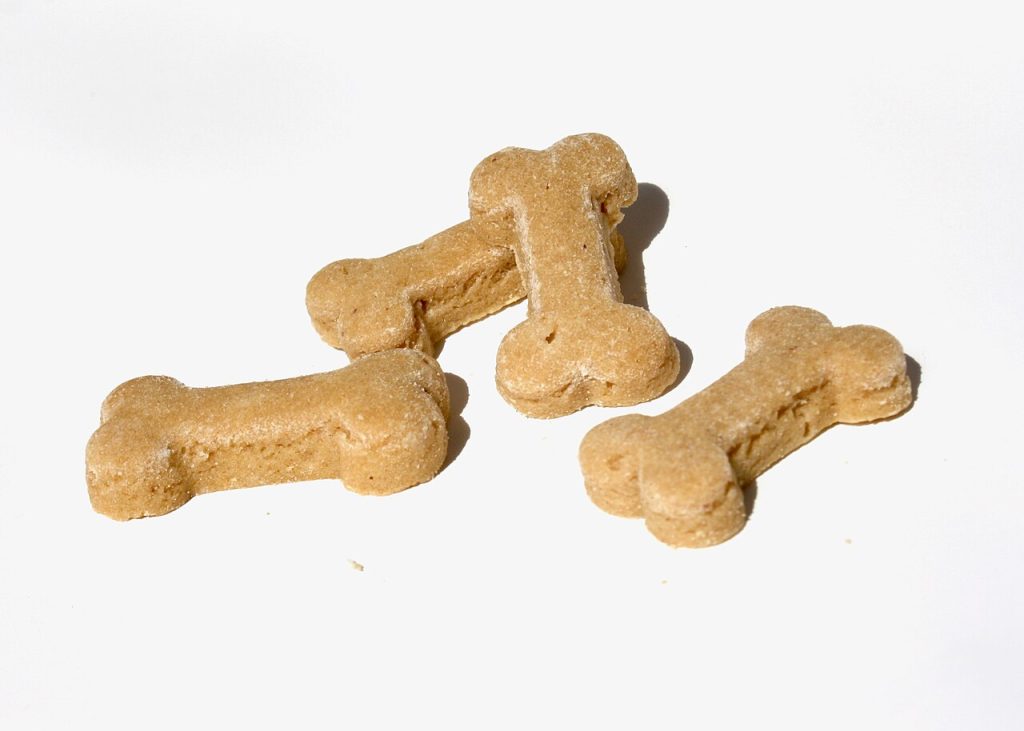
You look at the pack of industry awards, you read the label, and you don’t understand half the ingredients. Sounds like you, doesn’t it? More and more families are looking for homemade snacks for dogs: You know exactly what’s in each bite, you adjust the recipes to your dog’s needs and, by the way, you save. The good news is that preparing healthy prizes at home is a lot easier than it looks: With an oven, a freezer and four basic ingredients, you have plenty.
But watch: Homemade doesn’t always mean healthy. There are everyday ingredients in your kitchen that are directly toxic to dogs, and even the healthiest snack gets fat if you overdo it. According to the 2022 survey by the Association for Pet Obesity Prevention (APOP), about 59% of dogs are overweight or obese, and uncontrolled rewards are one of the big culprits. In this guide you will find the essential safety rules, 10 easy step-by-step recipes and the indicative rations according to the size of your dog.
Before we get started, three golden rules:
Before you light the oven, tie these three rules together. They’re what separate a healthy reward from a health problem.
- The 10% rule. Veterinarians and organizations like the American Kennel Club and the UC Davis Veterinary Nutrition Service agree: the rewards should not exceed 10 percent of your dog’s daily calories. The remaining 90 percent should come from his complete and balanced diet. If you give him a lot of snacks in a day, reduce his feed ration a little.
- Snacks are no substitute for diet. These recipes are prizes, not meals, they’re not formulated to be nutritionally complete, so use them as an occasional supplement, for training or for a treat.
- Dogs with food allergies, pancreatitis, kidney problems, diabetes or overweight need their vet to validate any dietary extras.
Prohibited Ingredients – What You Should Never Use
These are toxic dog foods documented by the ASPCA and by veterinary toxicologists, as harmless as they seem to us:
- Xilitol(sweetener E-967): found in chewing gum, “sugar-free” sweets and some peanut creams. It causes severe hypoglycemia within 30-60 minutes and can cause liver failure. Always check the label of peanut cream: it should be 100% peanut.
- Chocolate and cocoa: they contain theobromine, which dogs don’t metabolize well.
- Grapes and raisins: may cause acute renal failure even in small amounts.
- Onions, garlic, leeks and onions: raw, cooked or powdered, damages red blood cells and can cause anemia.
- Fruit of the genus Agaricus: cause weakness, tremors and vomiting.
- Alcohol and raw yeast dough: even in minute quantities they are dangerous.
- Salt and added sugar: they are not acute toxic in small doses, but they are completely excess in a dog’s diet.
If you suspect your dog has eaten any of these foods, call your vet or a veterinary emergency service immediately: with grapes, xylitol and chocolate, every hour counts. prohibited dog food
10 easy homemade snack recipes for dogs
All these recipes use safe ingredients, no salt, no sugar and no sweeteners.The quantities are indicative: the important thing is the texture of the dough and the size of the prize, which should be small (ideal for training).
Pumpkin and oatmeal biscuits
Cooked pumpkin (natural, never spicy pie filling) provides soluble fiber that feels great to the digestive system.
- 1 cup cooked pumpkin puree
- 2 cups crushed oat flakes
- 1 egg
- Mix everything until you get a manageable mass.
- Stretch, cut with a pasta cutter and bake at 180 °C for 20-25 minutes.
- Let it cool completely before serving.
2. Banana and peanut butter snacks
The irresistible classic uses 100% peanut cream, containing no xylitol and no salt.
- 1 crushed ripe banana
- 2 tablespoons of peanut butter
- 1 and a half cups oatmeal
- Mix, form small balls and crush them lightly.
- Bake at 180 °C for 12 to 15 minutes.
Dried sweet potato chips
A natural chewable with only one word on the ingredient list: sweet potato.
- Cut a candy bar into half-centimeter-long slices (long enough to leave chewable strips).
- Bake at 100-120 °C for 2.5-3 hours, turning over halfway through cooking, until dry and corrosive.
4. Yogurt and blueberry ice cream
Cranberries are small, low in calories and high in antioxidants.
- 1 natural yoghurt without sugar or sweeteners
- A handful of fresh blueberries
- Mix and distribute in a cubiter or silicone molds.
- Freeze for a minimum of four hours.
If your dog does not tolerate dairy well (you will notice this in soft stools or gas), replace yogurt with banana puree with some water.
5. apple and carrot balls
Apples without nuts or hearts (the seeds contain cyanide compounds) and shredded carrots: natural sweetness, crispy texture and minimal cost.
- 1 sliced apple without seeds
- 1 shredded carrot
- 1 egg and oatmeal until liquefied
- Mix everything together and make balls the size of hazelnuts.
- Bake at 180 °C for 15 minutes.
Chicken and rice biscuits
Ideal for dogs with a sensitive stomach: cooked chicken without salt, cooked rice and egg.
- 1 chicken breast cooked and chopped
- 1 cup cooked rice
- 1 egg
- Crush everything together until it forms a paste.
- Form small heaps and bake at 180 °C for 20 minutes.
7. Buckets of homemade chicken broth
Boil chicken carcasses or breasts in water without salt, without onion and without garlic, squeeze, degrease and freeze the broth in cubes.
8. Hearts of tuna in the oven
For mariners’ palates: natural (low-salt) tuna, egg and oatmeal.
- Crush a can of raw tuna with 1 egg and half a cup of oatmeal.
- Spread on oven paper (1 cm thick) and bake at 180 °C for 15 minutes.
- Cut into small squares when it’s warm.
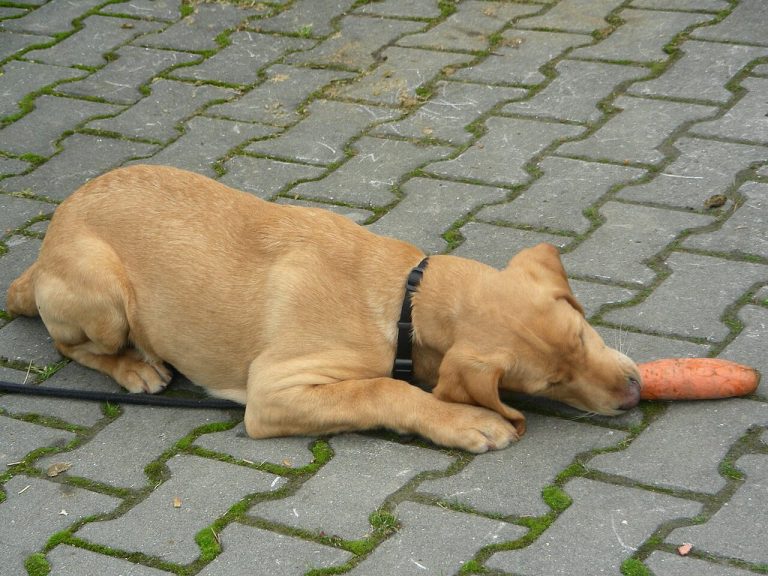
9. Cold carrot sticks
The simplest “recipe” in the world and one of the most useful: peeled and refrigerated carrots (or slightly frozen for puppies in full teething), crispy, very low in calories and great for dogs on a diet.
10. liver biscuits for training
The prize of high value par excellence: no dog is resistant to liver. Use it in moderation, because it is very rich in vitamin A.
- 250 g of chicken or beef liver
- 1 egg
- 1 cup oatmeal
- Grind the raw liver with the egg and flour until a biscuit-like mass is obtained.
- Bake in a tray with vegetable paper at 180 °C for 15-20 minutes.
- Cut into tiny cubes: for training, the smaller, the better.
How many snacks a day?
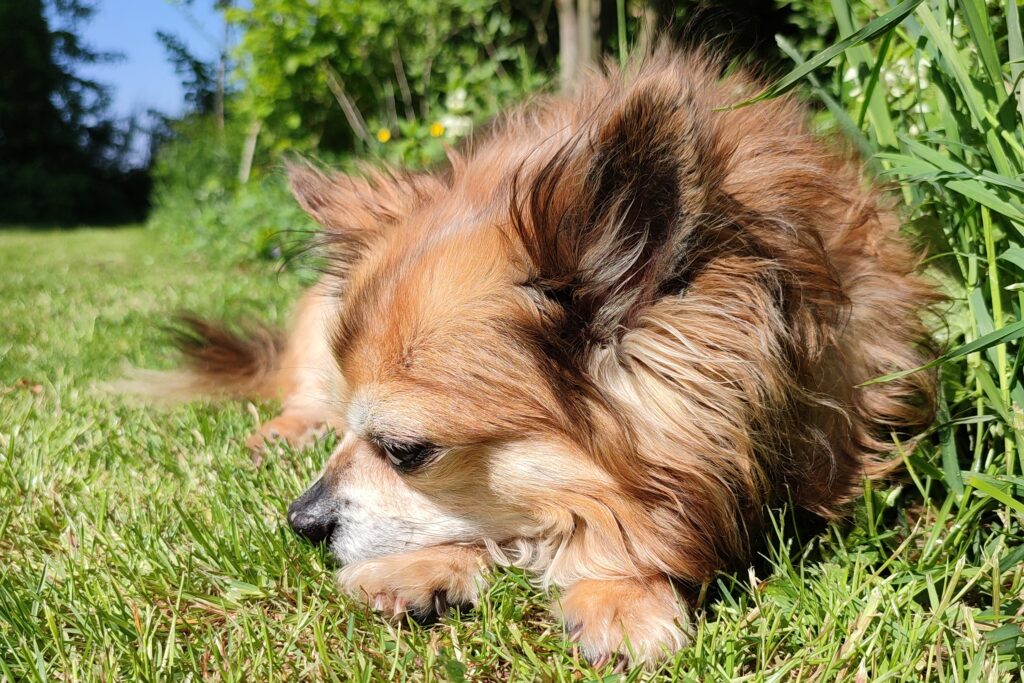
Here’s the key that almost everyone skips. A “small” reward for a Labrador Retriever can be a heat pump for a Chihuahua, whose entire daily reward budget is around 20-35 kilocalories.
| Size of dog | Approximate weight | Indicative prize limit/day | Practical equivalence |
|---|---|---|---|
| Toys | 2 to 5 kg | 20 to 35 kcal | 1-2 mini biscuits or a few carrot sticks |
| Small | 5 to 10 kg | 35 to 60 kcal | 2-3 small biscuits |
| Average | 10 to 25 kg | 60 to 120 kcal | 3-4 biscuits or 1 piece of candy |
| Large | 25 to 45 kg | 120 to 180 kcal | 4-6 cookies or 2 strips of candy |
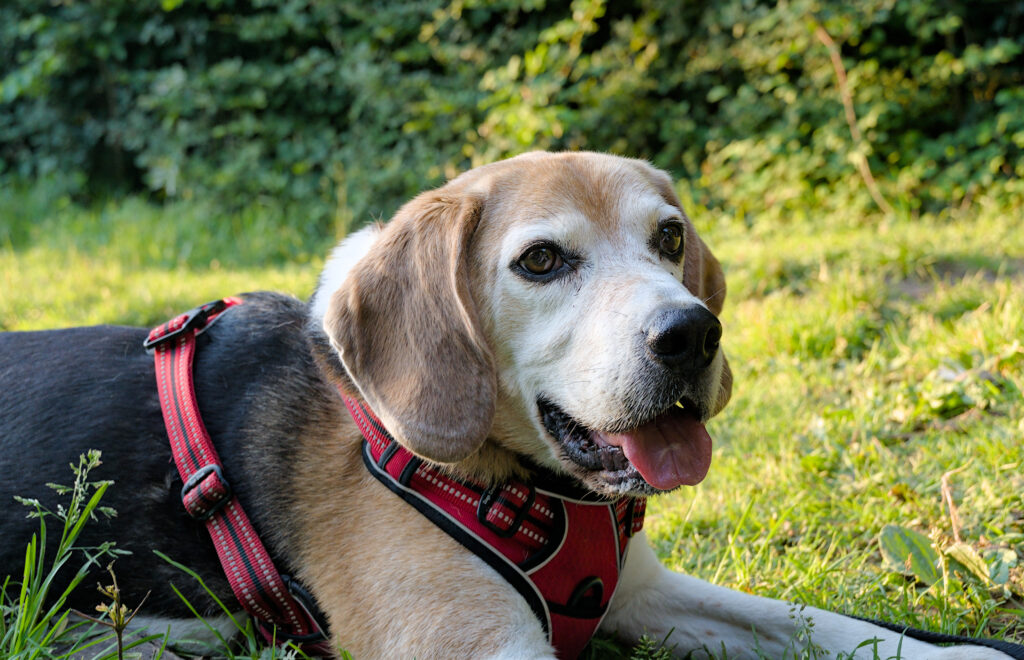
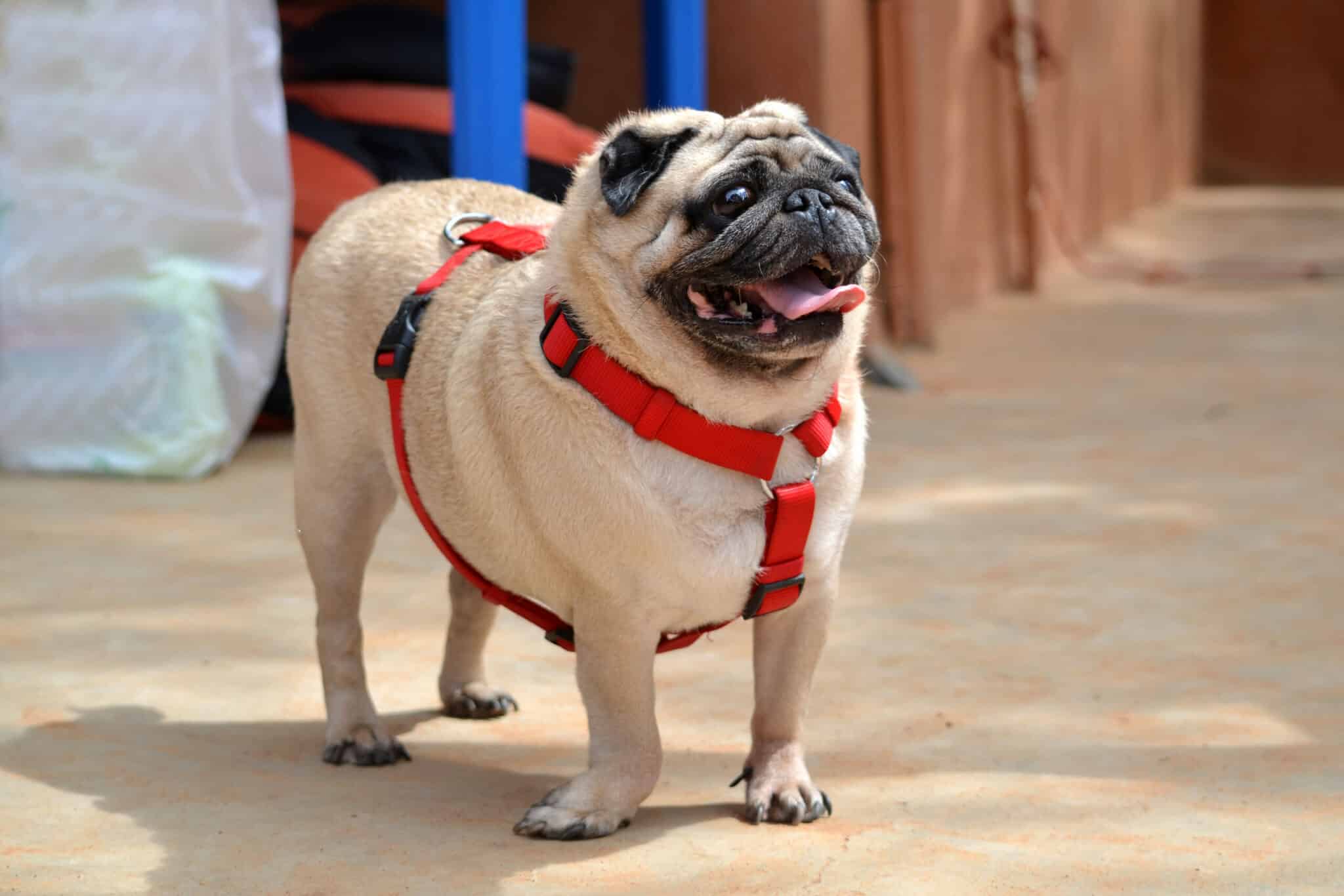
Consider also the appetite of each breed. Dogs with a tendency to gluttony and overweight, such as the Beagle or Pug, appreciate low-calorie rewards (carrot, blueberries, broth cubes) and well-measured rations. On the other hand, if you do a lot of sports or training with active breeds like the Border Collie, the tiny liver biscuits allow you to reward dozens of times without shooting up calories.
How to preserve your homemade snacks
Homemade prizes don’t carry preservatives, so they last less than industrial ones.
- Baked and well dried biscuits: 1 week in an airtight jar in a cool place, or 2 weeks in the fridge.
- Snacks with meat, fish or liver: always in the refrigerator (3-4 days) or frozen in portions (up to 2-3 months).
- Ice cream and cubes: in the freezer, ready to take out one by one.
- If a snack smells weird, has mold, or changes color, throw it away without hesitation. Apply the same criteria as with your own food.
A practical trick: freeze most of the baked goods on the same day and go get rations for 2-3 days so you never throw anything away.
Common mistakes when making home prizes
- Don’t count the calories from the prizes. The most common. Snacks count within the daily ration; if you add them without subtracting, I think, your dog will get fat even if everything is “healthy”.
- Adapting human recipes to the eye. A cookie recipe for people contains sugar, butter and salt.
- Don’t check the label on the peanut butter. Xylitol is found in “no added sugar” products and is potentially deadly.
- Give out huge prizes. For the dog, the value is in receiving something, not in size.
- Introduce five new ingredients at once. If your dog has never eaten pumpkin or yogurt, test with a minimal amount and wait 24-48 hours. Bulldog Francés
- Ignore the medical conditions. Pancreatitis, kidney failure, diabetes or obesity completely change which snacks your dog can eat.
Frequently Asked Questions
How many homemade snacks can my dog eat a day?
The veterinary reference is the 10% rule: rewards should not exceed 10% of total daily calories. In practice, for a small dog it is 1-2 small biscuits a day and for a large one, 4-6.
What ingredients should I never use in homemade dog snacks?
Never use xylitol, chocolate or cocoa, grapes and raisins, onions, garlic, leeks, chives, macadamia nuts, alcohol, or raw yeast paste.
Is peanut butter safe for dogs?
Yes, as long as it’s 100% peanut, no xylitol and no added salt or sugar. Xylitol, which is present in some “light” or “sugar-free” creams, is extremely toxic to dogs: it can cause severe hypoglycemia in less than an hour.
How long do homemade dog snacks last?
By not carrying preservatives, they last less than commercial ones: baked and dry biscuits last a week in an airtight container (two in the fridge); snacks with meat, fish or liver, 3-4 days refrigerated or 2-3 months frozen.
Can I give a puppy homemade snacks?
Yes, starting with complete weaning and with extra moderation: puppies need almost all their calories to come from a food formulated for growth. Choose soft or refreshing rewards (such as cold carrots during teething), in very small chunks, and introduce each new ingredient separately.
Can homemade snacks replace the usual feed or diet?
No. These recipes are prizes, not a complete diet: they don’t cover all the nutrients a dog needs on a daily basis. The basis of the diet should be a complete and balanced food, and snacks should be below 10 percent of calories. If you want to cook your dog’s entire diet, do it only with a guideline formulated by a veterinary nutritionist.
Preparing homemade snacks for dogs is one of those little things that improves your dog’s life and yours: You know what you eat, you strengthen your bond and you turn training into a delightful game. Start with the simplest recipe (cold carrots or pumpkin cookies), stick to the 10% rule, and if you have any health concerns, let your veterinarian have the final say. Your dog won’t write five-star reviews, but the wagging of his tail will tell you everything.