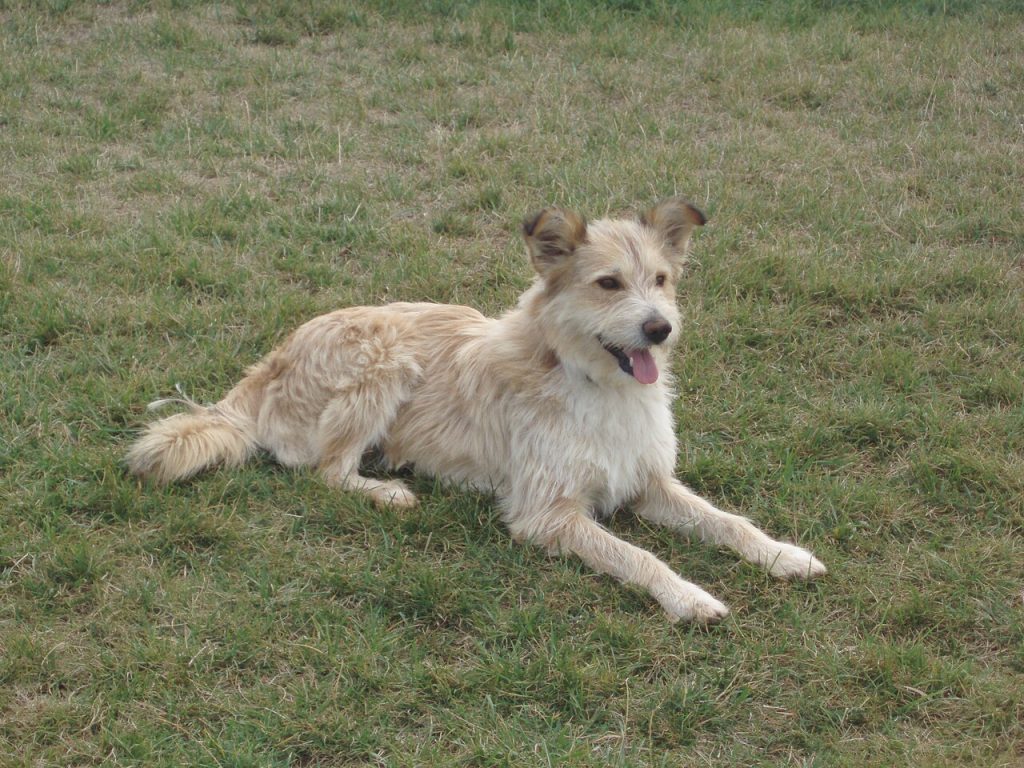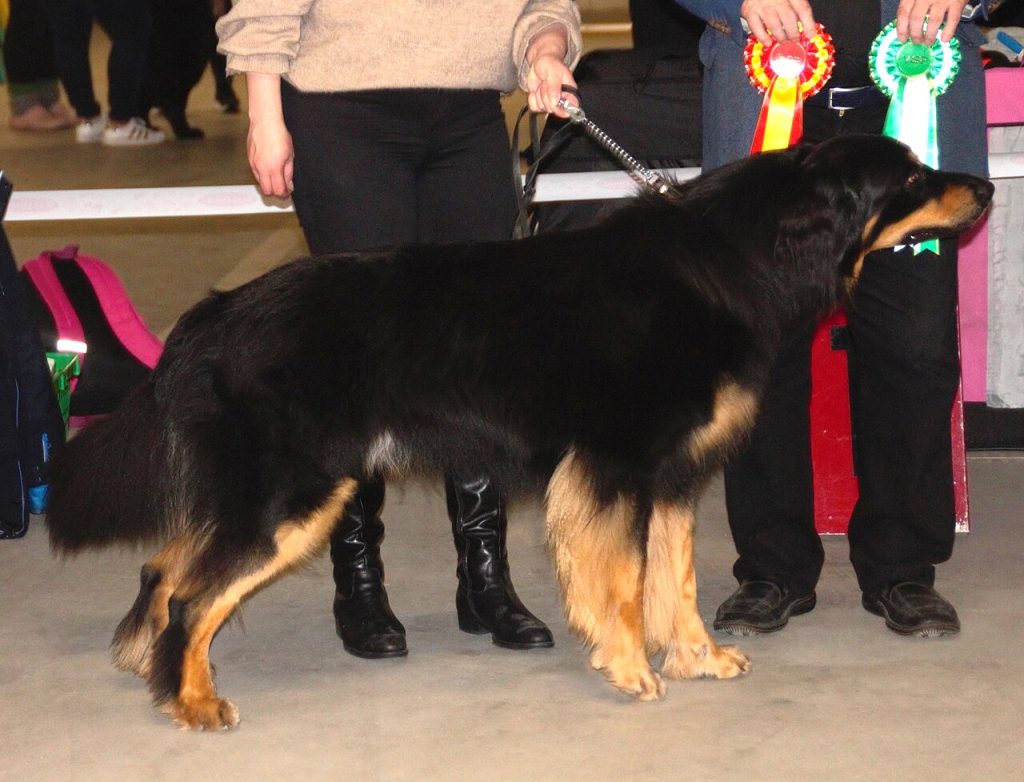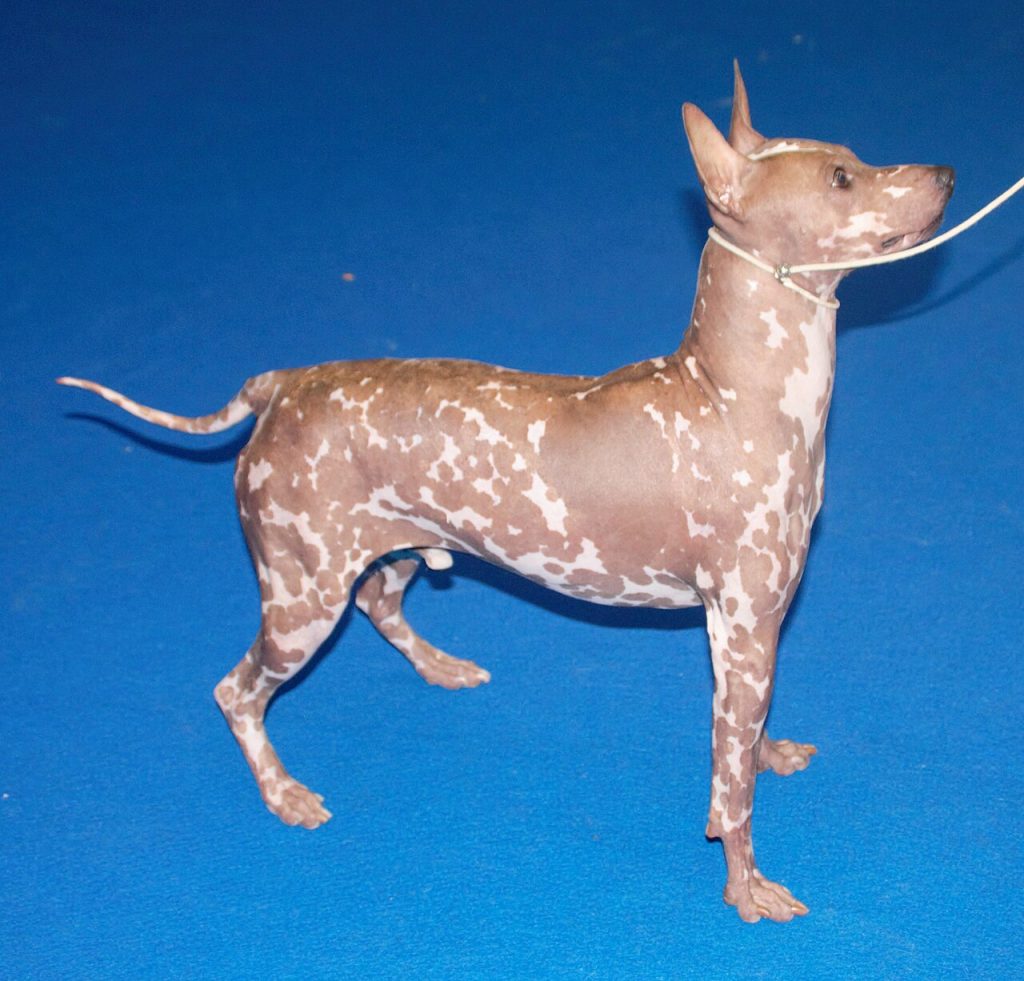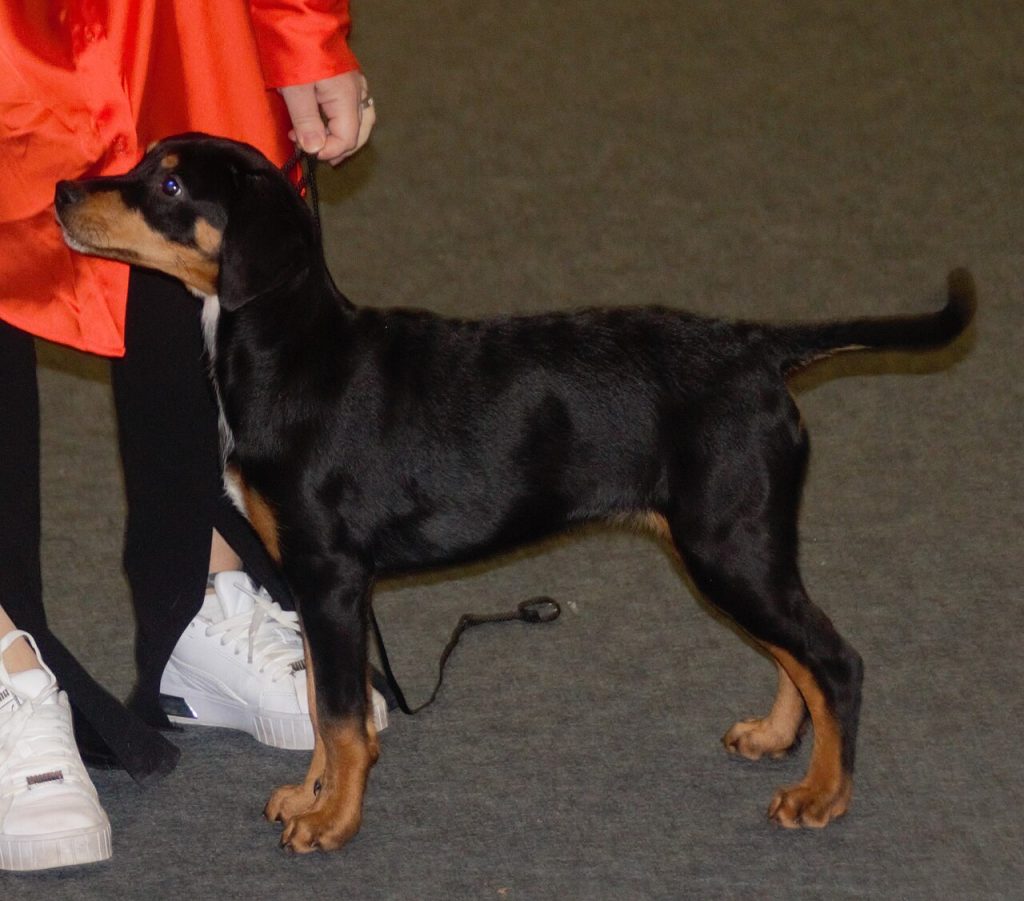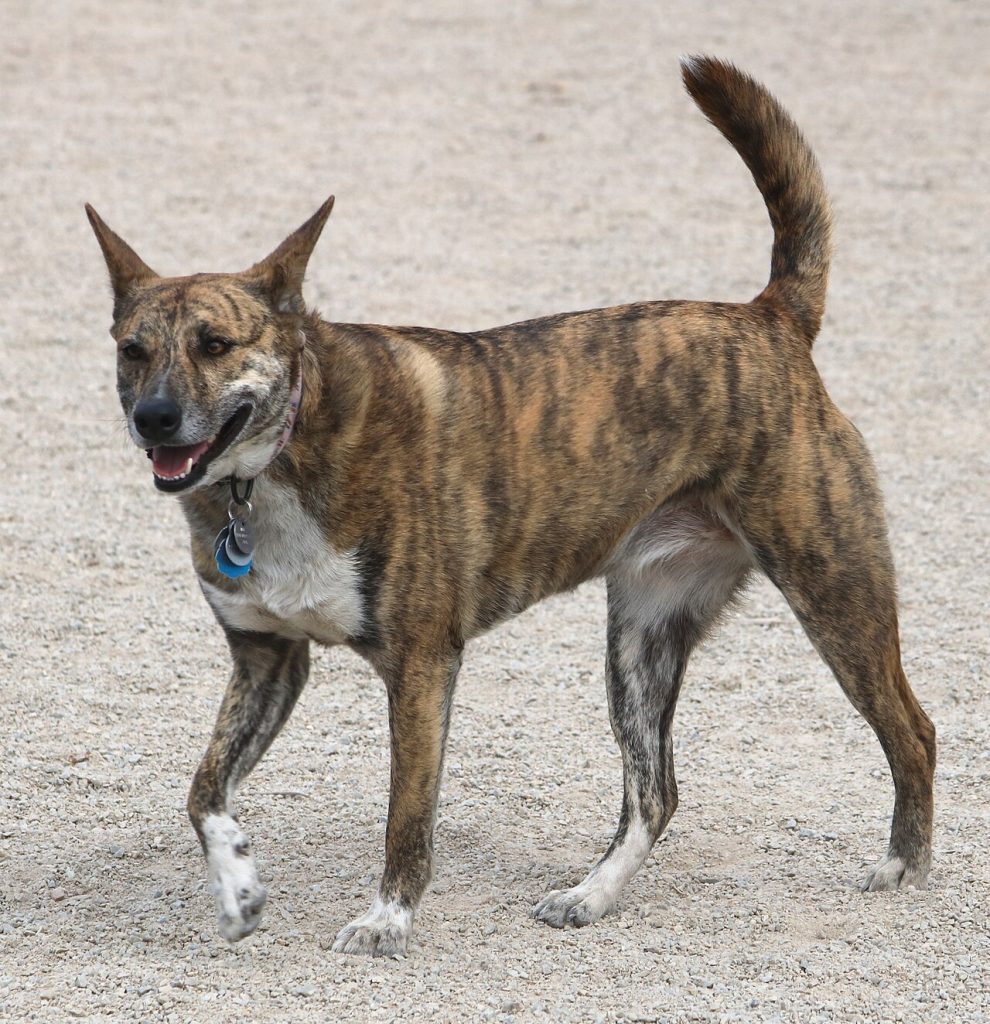
The Kai Ken is one of the oldest and rarest dog breeds in Japan: A medium-sized mountain hunter with a tiger-like coat and noble character, brave and deeply loyal to his family. Declared a natural monument in their country, the Kai Ken combines the primitive instinct of Japanese breeds with a surprising sociability that makes it a loyal companion for anyone who can give it the activity it demands.
Is the Kai Ken for you?
The Kai Ken is a dog for active people who value an intelligent and independent companion and who are willing to respect their primitive nature. It is not a couch breed or a dog that obeys to please: it is a mountain hunter that needs to move, think and trust its people. If you seek loyalty without submission and are not afraid of the unusual, it will fit you.
In favour .
- Very loyal and devoted to his family.
- Smart, nimble and a good warning dog.
- Sociable with other dogs, something rare in primitive breeds.
- Rustic and healthy, with few hereditary problems.
- Clean, no strong odor and easy to maintain.
- Good with the kids in the house.
Against
- He needs plenty of daily exercise and mental stimulation.
- Independent: Obedience requires patience.
- Strong hunting instinct (beware of cats and prey).
- Reserved and suspicious of strangers.
- Very rare breed and hard to find.
- It sheds abundant seasonal hair.

Character and temperament
The temperament of the Kai Ken is that of a balanced and courageous dog, forged by centuries of working alone in the mountains. It is fearless, agile and extremely attentive to its environment: nothing escapes it. This constant vigilance makes it an excellent warning dog, always aware of what is happening around without falling into the incessant barking.
With his family he shows a very different side: is affectionate, noble and playful, and develops an intense bond with his people. With strangers, on the other hand, he remains reserved and cautious, taking his time before confiding. It is not an aggressive or nervous dog, but serene and observant, with a nobility that many Japanese breed enthusiasts describe as almost feline in its independence.
As a good primitive breed, it retains its ability to decide for itself. It is stubborn not because of rebellion, but because of heredity: for centuries it had to solve hunting situations without anyone giving it orders. Understanding this autonomy is the key to living with a Kai Ken in harmony.
Coexistence: children, other pets, flat and loneliness
The Kai Ken is usually a good companion for the children of his own family, with whom he is patient and protective.
With other dogs it stands out for its good disposition: it is not used to being conflicted, a rare virtue among primitive breeds.
It adapts to life on floor as long as it receives enough exercise: it is clean, quiet doors inside and does not take up too much space. As for the loneliness, it tolerates being alone better than many attached breeds, but should not be abused: a bored and restless Kai Ken can develop destructive behaviors.

Education and training
Educating a Kai Ken is an exercise in intelligent patience rather than enforcement. It is a very alert dog that learns quickly, but needs to understand why things happen and trust who is guiding it. Methods based on punishment or harshness are counterproductive: they undermine trust and bring out its most stubborn side.
It works best with positive reinforcement, with rewards, play and short, varied and motivating sessions. Early socialization is essential: the sooner you get to know different people, dogs, environments and noises, the better you will manage your natural distrust of the unknown. A well socialized Kai Ken is a safe and stable dog.
It is advisable to work from a puppy the call and control of the prey instinct, because once he sets a goal he can disconnect from the environment. Being a born climber and swimmer, he also appreciates activities that retain his body and his mind, such as tracking or olfactory games.
Exercise and activity
This is a non-negotiable point. The Kai Ken comes from hunting in mountainous and steep terrain, and carries remarkable energy and endurance. It needs at least one or two long walks a day, supplemented with runs, games or exploration. A simple routine city walk is not enough for it.
He enjoys outdoor activities – hiking, hiking trails, swimming in rivers and lakes – and even climbing, which he does with astonishing agility.
In addition to physical wear and tear, the Kai Ken needs mental stimulation. Olfactory games, canine puzzles, and positive training keep it balanced. A Kai Ken who exercises body and mind is a calm and happy dog at home.
Care: fur and hygiene
Its coat is double, rough texture and medium length, designed to protect it from the cold of the mountains. A weekly brushing is enough for most of the year to remove the dead hair and keep the mantle healthy and shiny.
The exception is the spring and autumn seasonal moods, when it sheds hair abundantly; in those periods it is advisable to brush it several times a week to control the fall.
Bathing should be sporadic, only when it is really dirty, so as not to damage the natural protection of your skin.The rest of the care is the usual: checking and cleaning your ears, cutting your nails when you need to and maintaining regular dental hygiene.
Foodstuffs
As an athletic and medium-sized dog, the Kai Ken benefits from a quality diet, rich in animal protein and adjusted to its activity level, which is high.
As a rustic breed, it does not usually have particular food sensitivities, but it is advisable to monitor the caloric intake: a Kai Ken with little exercise tends to gain weight easily.
It is advisable to divide food into two servings a day and to always have fresh water available, especially after intense exercise.

Health and life expectancy
The Kai Ken is one of the healthiest breeds in existence, a direct benefit of not having been subjected to extreme aesthetic selection.
Life expectancy is around 12 to 15 years, a high figure for a dog of its size. As it is a rustic breed, it does not drag the long list of pathologies of other highly modified breeds, although it is advisable to keep veterinary reviews, deworming and vaccinations up to date as with any dog.
Regular preventive care – proper weight, regular exercise, good nutrition and dental hygiene – is the best guarantee of longevity.
Physical appearance
The Kai Ken is a medium-sized, harmonious, muscular and balanced dog, with a clear Japanese spitz air. The males measure about 45 to 56 cm at the cross, and the females slightly less, between 43 and 51 cm; the weight is around 14 to 18 kg, always with an athletic and compact silhouette.
Its head is wedge-shaped, with erect and well-planted triangular ears, and an alert and intelligent expression. The tail is thick and strong, and can be wrapped over the back or shaped like a sickle. The limbs are solid, with well-developed corvettes that betray its mountain origin.
The most characteristic feature is its coated with lead, rough in texture and medium in length, with dark stripes that earn it the nickname “tiger dog”. Three main tonalities are recognized: the aKA-tora(red gear), the ch-tora(intermediate gear) and the other, including:(black gear). Puppies are born almost uniformly colored, and the stripes become defined with age, a process that can take several years to complete.
Origin and history
The Kai Ken takes its name from the ancient province of Kai, in present-day Yamanashi Prefecture, on the island of Honshu (Japan).In that rugged mountainous region it was bred for centuries as a hunting dog, specializing in steep terrain where it chased wild boars, deer, the Japanese sirao (kamoshika) and, occasionally, bears.
Its geographical isolation kept the breed remarkably pure. It is one of the six native canine breeds of Japan – the Nihon Ken – and is part of the group protected by the Nihon Ken Hozonkai (NIPPO), the Japanese dog conservation association founded in 1928.
Official recognition came early: the Kai Ken was declared natural monument of Japan in the early 1930s, an honor reserved for the country’s living heritages.
Curiosities
- It is known as Tora Inu, “tiger dog”, for its striking jagged stripes.
- It is an exceptional climber: it can climb trees and cross rivers in pursuit of its prey.
- Many of them love to swim, which is unusual among primitive breeds.
- The pups are born almost uniformly colored; it sometimes takes up to five years for the tick to fully appear.
- He appears frequently in Japanese popular culture, such as in the manga Ginga Nagareboshi Gin(Silver Fang) and its sequel Weed.
- The mascot of Yamanashi Prefecture, Takeda Hishimaru, is a Kai Ken with samurai armor inspired by the feudal lord Takeda Shingen.
If you are attracted to the noble and independent nature of Japanese and primitive breeds, you may also be interested in other related breeds. You may discover the robust Akita, Japan’s great national dog; the hardy and sociable Husky Siberiano; the peculiar Chow Chow of Asian origin; or the elegant and Nordic Samoyedo, another spitz with a strong personality.
Frequently Asked Questions about Kai Ken
Is the Kai Ken a good dog to have on a flat?
It can live on the floor if the owner guarantees it daily intense exercise and mental stimulation. It is a medium-sized, clean and quiet indoor mountain dog, but it needs to get outside to get really moving. Without that physical release, a bored Kai Ken can become restless or destructive. The key is not square footage, but hours of activity.
Does the Kai Ken get along with children and other dogs?
Yes, within the context of proper socialization. The Kai Ken is usually good with the children in his family and, unlike other primitive breeds, is not used to being aggressive with other dogs. He is reserved with strangers, so it is advisable to teach children to respect their times and calmly introduce him to new dogs.
How long does a Kai Ken live?
The life expectancy of the Kai Ken is around 12 to 15 years. It is a rustic and healthy breed, with few documented hereditary problems, in large part because it was never selected in an extreme way for aesthetics.
Does the Kai Ken drop a lot of hair?
It has a double coat that loosens moderately throughout the year and intensely in the two seasonal moults of spring and autumn. In the moult season it is advisable to brush it several times a week; the rest of the time, a weekly brushing keeps the coat in good condition.
Is it easy to educate the Kai Ken?
It is a very intelligent dog and learns quickly, but retains the independence of Japanese hunting breeds: it thinks for itself and does not obey to please. It responds very well to positive reinforcement and short and varied sessions, and very poorly to harsh methods. With patience and consistency it educates without problems.
Does the Kai Ken need a lot of exercise?
Yes. He comes from a hunting occupation in mountainous and steep terrain, so he has energy and stamina to spare. He needs at least one or two long walks a day, in addition to playing, sniffing or running. He loves to swim and climb, and enjoys hiking trails with his family.
Is the Kai Ken a rare breed?
It is very rare even in Japan, its country of origin, and outside it is difficult to find. It is one of the six protected Japanese native breeds and is declared a natural monument.
Why is the Kai Ken called a tiger dog?
Because of their spotted coat, with dark stripes on a reddish or brown background reminiscent of the fur of a tiger; hence the Japanese name Tora Inu (‘tiger dog’).