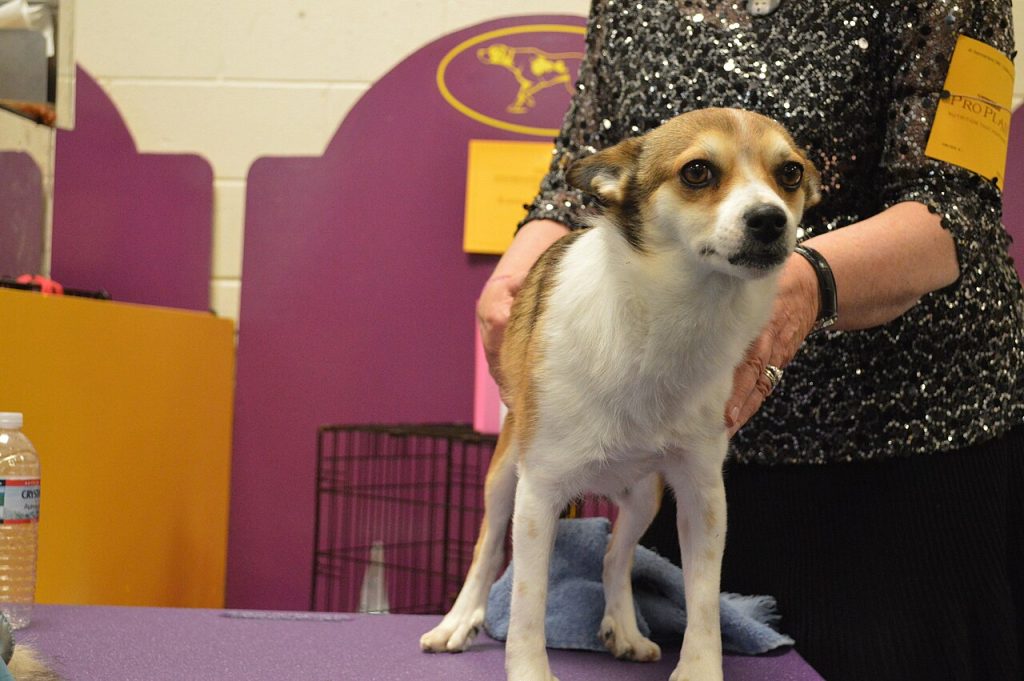
The Lundehund Noruego(Norsk Lundehund) is one of the most unique and rare dog breeds on the planet: A small Nordic spitz with six toes on each foot, impossible joints and a nearly 500-year history of hunting puffins on the cliffs of Norway. If you are looking for a companion who is curious, agile, and with a biology that seems otherworldly, the Norwegian Lundehund will fascinate you, but you should get to know it well before taking the step.
Is the Norwegian Lundehund for you?
The Norwegian Lundehund is not a breed for everyone. Its oddity, its digestive needs and its independent character make it a dog for informed and committed owners. Before you fall in love with its six fingers, honestly look at the pros and cons.
In favour .
- Small, odor-free and floor-able.
- Cheerful, sociable and good with children well socialized.
- Agile, flexible, and curious – a fascinating dog to watch.
- It barks less annoyingly if it has enough activity.
- Close bond with his family; good companion.
Against
- Predisposition to Lundehund syndrome (serious digestive problems)
- Very rare and expensive to get; long waiting lists.
- Independent and stubborn: not a factory obedient dog.
- It can be very expensive to educate him in housekeeping.
- He needs company; he suffers from prolonged loneliness.
Character and temperament
The Norwegian Lundehund is an alert, energetic and very curious dog, with the typical Nordic spitz personality: Smart, alert and independent. He was raised to work alone on cliffs, making decisions without human guidance, and that legacy lives on in his temperament. He is affectionate and loyal to his family, but he is usually reserved or cautious with strangers, without becoming aggressive.
It is a cheerful and playful dog that enjoys exploring, sniffing and climbing. Its independent side does not mean that it is distant: it forms strong bonds with its owners and seeks their company. However, it retains a marked hunting instinct and a tendency to do things its way that should be channelled from a puppy.
Coexistence: children, other pets, flat and loneliness

A well-socialized With children: tolerates children well and is a good family dog.
With other pets: can coexist with other dogs, especially if it grows up with them.
On the floor:‘s small size makes it suitable for floors, as long as you cover its walks and its need for stimulation.
Soledad: is a clingy dog that does not do well with prolonged solitude. If you spend many hours outside, this is not your breed or you will need supports (walker, company).
Education and training
Training a Norwegian Lundehund requires patience and perseverance. It is intelligent, but its independence and instinct make it less “complacent” than a Labrador or a Border Collie. It works much better with positive reinforcement, rewards, and short and varied sessions than with harsh methods, which only get it to close in on itself.
Early socialization with different people, dogs, and environments is essential for a balanced adult. A realistic warning: The Lundehund has a reputation for being difficult to train in cleanliness (sphincter control), so be patient and routine with the puppy.
Exercise and activity
It is an active breed that needs a reasonable daily dose of physical and mental exercise. It is not a marathon dog, but neither is it a couch dog: varied walks, play, smell and some physical challenge keep it happy. Its extraordinary agility and flexibility demand environments where it can climb and explore; it enjoys irregular terrain a lot.
Boredom is its enemy: a Lundehund without stimulation can become barking or develop undesirable behaviors.
Care: fur and hygiene

The Norwegian Lundehund wears a double coat typical of the spitz: dense, rough outer hair with soft undercoat. The hair is short on the head and the front of the legs, and more abundant on the neck, the back of the thighs and the tail.
The rest of the hygiene is the usual: checking and cleaning the ears (which you can fold over), cutting your nails, taking care of dental hygiene, and bathing only when necessary.
Foodstuffs
There is evidence that a low-fat, high-protein diet has very positive effects on the breed’s digestive health and helps prevent or manage Lundehund syndrome.
If you notice any signs of persistent diarrhoea, vomiting or weight loss, consult your veterinarian as soon as possible – these symptoms should not be taken lightly in this breed.
Health and life expectancy
The genetic bottleneck that the breed suffered (reduced to six dogs in 1963) left a very high inbreeding, with signs of inbreeding depression: small litters, reduced fertility and low semen quality.
The star problem is the Lundehund syndrome, an intestinal lymphangiectasia (enteropathy with protein loss) that causes diarrhea, vomiting, thinning and ascites, and in extreme cases prevents the dog from absorbing nutrients no matter how much it eats. There’s no cure, although it can be managed with diet and treatment. A mortality study found that 30 percent of deaths before age 11 were due to this syndrome, and another 10 percent to other gastrointestinal diseases.
To reduce these problems, the Norwegian breed club, with the help of geneticists, launched a controlled crossing programme with other Nordic breeds (Norwegian Buhund, Icelandic Shepherd Dog and Norrbottenspets) that seeks to expand genetic diversity and reduce recessive disorders.
Physical appearance
The Norwegian Lundehund is a small spitz with a rectangular silhouette. Males measure 35-38 cm and weigh about 7 kg; females, 32-35 cm and about 6 kg. But what distinguishes it from any other breed are its unique anatomical features:
- Six of your fingers. on each leg (polydactyly), complete and functional, with extra pads.
- A extreme flexibility: it can bend its head backward until it touches its own spine and rotate its front legs 90 degrees to the sides, like human arms.
- Folding ears: can close the earlobe forward or backward to seal the ear and protect the ear canal from dirt and parasites.
- Extra joints in the back of the neck and very mobile shoulders that other races don’t have.
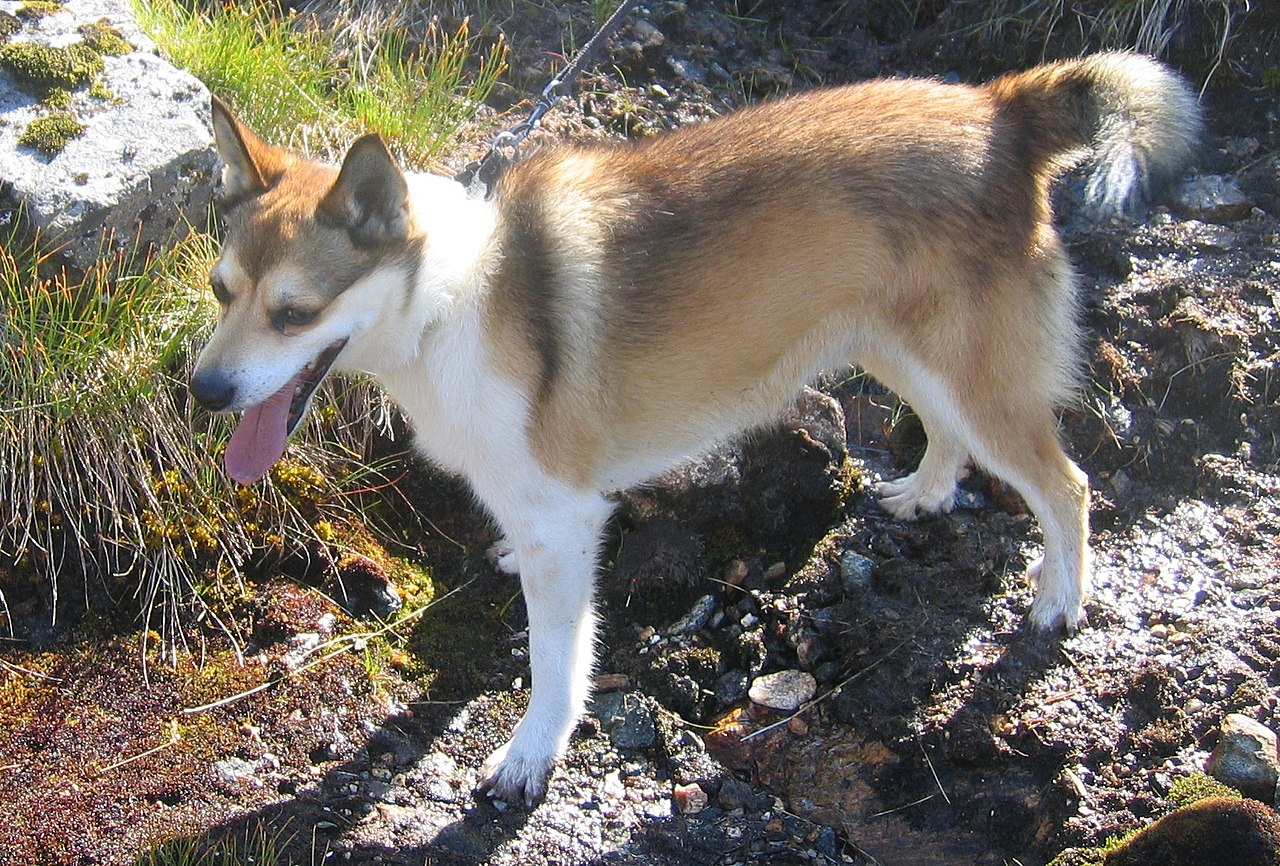
The head is conical and of medium width, with almond-shaped eyes of yellowish brown iris and erect and very mobile triangular ears. The tail, of high implantation, is wrapped or fallen. The coat always combines with white, in tones ranging from crimson to lionskin, gray or white with dark spots; with age the tips of the hair tend to darken.
Origin and history
The name says it all: lunde comes from the Norwegian lundefugl and hundred means dog. The Norwegian Lundehund was developed centuries ago on islands off the coast of Norway to hunt puffins and collect their eggs in nests in inaccessible caves and cliffs. Its impossible body – extra fingers, flexibility, sealed ears – was the perfect tool for getting into the cracks and pulling the birds out.
It was a valuable working animal for over 400 years. The earliest known written record dates from 1591, when an official on the island of Værøy described how “it is not easy to pull [the puffins] out of the depths without a little dog used to crawling into the hole and pulling out the birds”. Interest in the breed declined with the arrival of nets for hunting puffins and a tax on dogs; by 1900 it remained only in the isolated village of Måstad on Lofoten.
The 20th century was on the verge of wiping out the breed: a worm outbreak during World War II reduced the population to just two dogs, and another outbreak in 1963 left just six survivors.
Curiosities
- It can bend its head back over its spine, a trait shared by very few canids such as the dingo or the New Guinea singing dog.
- Its ears function almost like earplugs – it folds them to close the ear canal.
- The entire world’s population descends from a handful of dogs that survived outbreaks of roundworm.
- The breed has been tested at Tromsø airport to search for and retrieve birds’ eggs and prevent birds from colliding with airplanes.
- His six fingers are not a defective mutation, but a trait selected and collected in the official standard.
If you are attracted to this small, independent Nordic Spitz, you may want to compare its character and needs with other related breeds. You can take a look at the Samoyedo, the versatile Husky Siberiano, the alert Welsh Pembroke Corgi or the loyal Akita, all of which are Spitz or Nordic type dogs with marked personalities.
Frequently asked questions about the Norwegian Lundehund
Is the Norwegian Lundehund a rare breed?
Yes, it’s one of the rarest dog breeds in the world. It was on the brink of extinction in the 1960s, when the world population was reduced to just six after two worm outbreaks. Thanks to a careful breeding program, there are now an estimated 1,500 dogs worldwide (as of 2022), of which about 900 live in Norway. Outside the Nordic countries it’s hard to find.
Why does the Lundehund have six toes on each foot?
It is a unique trait of the breed: the Norwegian Lundehund is polydactyl and usually has six fully formed fingers, with joints and muscles of its own, instead of the usual four.
What is Lundehund syndrome?
It causes intermittent diarrhea, vomiting, weight loss, and difficulty absorbing nutrients from food. It has no cure, but can be managed with a low-fat, more protein-rich diet and with veterinary monitoring.
Is the Norwegian Lundehund a good family dog?
Yes. Well socialized is a cheerful, sociable dog that tolerates children well. It is affectionate with its own and adapts to family life, although it retains an independent character and somewhat cautious with strangers, inheritance of its Nordic origin. It needs company and activity; it is not a dog to leave alone for many hours.
How much exercise do you need?
It is an active breed that needs a reasonable amount of daily exercise: walks, play, and mental stimulation. It is not an endurance athlete like a husky, but neither is it a sedentary dog. Its extreme agility and flexibility call for varied outings where it can climb, smell, and explore.
Is it easy to train?
It is intelligent but independent and has a hunter’s instinct, so it is not the most obedient breed. It responds better to positive reinforcement, short sessions and patience than to imposition. Early socialization is key.
How long does a Norwegian Lundehund live?
Their life expectancy is around 12 years, although it varies greatly depending on the digestive health of the specimen.
Can he live in a flat?
Yes. Because of its small size (about 6-7 kg), it adapts to a floor whenever you meet its daily need for exercise and companionship.