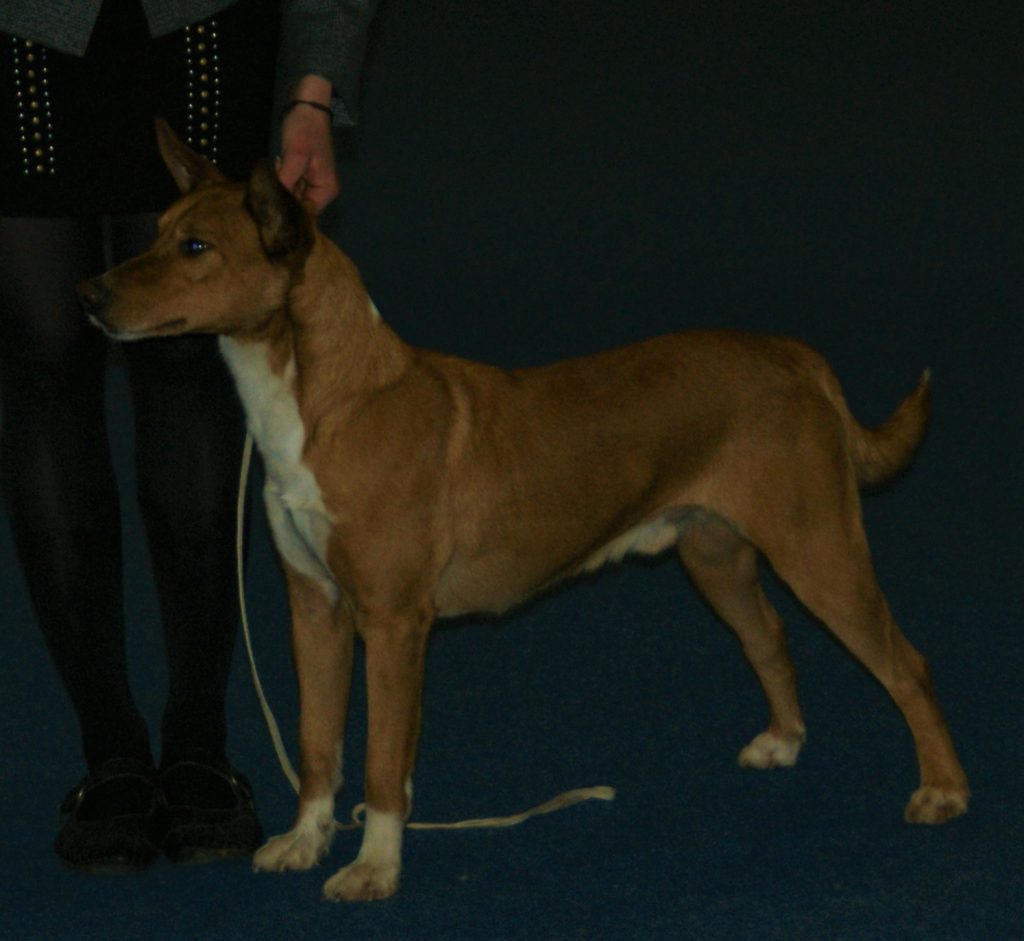
The Portuguese Power is an ancient hunting dog from the Iberian Peninsula, agile, healthy and surprisingly versatile. Its great mark of identity is that it is not a single uniform race but three well-differentiated sizes – large, medium and small – sharing the same primitive type but fitting into very different lives. If you’re looking for a rustic companion, intelligent and with a distinct personality, the Portuguese Podenco deserves to be thoroughly known before you decide.
Is Portuguese Power for you?

The Portuguese Podenco is a primitive type of hunting dog, which marks both its virtues and its demands. Before falling in love with its erect ears and its awake expression, it is advisable to contrast what it offers with what it needs.
In favour .
- Healthy, rustic breed with very few hereditary problems.
- Three sizes: there’s a Portuguese Podenco for the floor and another for the field.
- Very smart, sharp, and a natural vigilante.
- Minimal hair maintenance, especially on the straight hair variety.
- Loving and loyal to his family, good companion dog.
To be taken into account
- Strong hunting instinct: chases anything that moves.
- Independent and somewhat stubborn; not a dog of blind obedience.
- He needs real daily exercise, not just a short walk.
- He can be reserved with strangers if he doesn’t socialize well.
- A poorly fenced garden is an invitation to escape.
In summary: the Portuguese Podenco is ideal for active people who value a healthy, smart and characterful dog, and who do not expect an obedient robot but a companion with their own criteria.
Character and temperament
The Portuguese Podenco combines the vivacity of the hunting dog with a remarkable intelligence. It is an alert, curious animal with enormous mental energy: it is easily bored if it has no stimuli. With its family it is affectionate, close and very attentive to what happens, which makes it an excellent alarm dog without falling into gratuitous aggressiveness.
His temperament is balanced but independent. Unlike breeds selected to work side by side with humans, the pod was bred to hunt with some autonomy, making decisions on the ground. That translates today into a dog that understands perfectly what you’re asking, but sometimes decides if it’s worth it to obey. It ‘s not a silly headline: It’s a dog that thinks. With strangers he is usually cautious and reserved at first, gradually becoming trusting.
Coexistence: children, other pets, flat and loneliness

With children: The Portuguese Podenco usually gets along well with the children in the house, especially if it grows up with them. It is playful and resistant, a good companion for active play.
With other pets: with other dogs the coexistence is generally good, since many varieties hunted in packs. The delicate point are small animals – cats, rabbits, rodents, birds – : their prey instinct is powerful and can be activated at any fast movement.
On the floor: the small variety adapts well to apartment life as long as their need for exercise is covered. The medium and large live better in houses with space. In any case, a yard or garden should be well fenced: they are natural jumpers and escapists when they smell an interesting trail.
Soledad: tolerates lonely mice better than highly dependent breeds, but is not designed to spend the entire day abandoned.
Education and training
Educating a Portuguese Podenco is an exercise in intelligent patience. It learns quickly – it picks up commands in a few repetitions – but its independence makes executing what it learns dependent on its motivation. Positive reinforcement with appetizing rewards, play and short and varied sessions works much better than monotonous repetition or harsh imposition, which only gets it disconnected.
Early socialization is the best investment: exposing him from puppyhood to people, environments, noises and other animals will shape a safe and sociable adult. The hardest part is the call: With a trail in front of it, a pudding can become selectively deaf. That is why the call work must start early, be reinforced at all times and, in unfenced areas, be kept on a long leash until you have a very reliable response.
Exercise and activity
We’re dealing with an athletic dog that needs to burn energy every day. It’s not enough for him to take a quiet walk around the block: He appreciates running, exploring, smelling, and mind-body activities. The medium and large breeds, bred to cover miles behind the hare or the deer, have remarkable stamina; the small, though less demanding, is still a lively dog who wants to move.
He is fascinated by canine sports that take advantage of his agility and intelligence: agility, canicross, mantrailing or simple search games at home. Combining physical exercise with mental stimulation (olfactory toys, tracking work, learning tricks) is the recipe for a balanced poodle.
Care: fur and hygiene

One of the great advantages of the Portuguese Podenco is its low maintenance costs. The breed has two types of coat. straight and short hair‘s, the traditional one, only needs a weekly brushing to remove dead hair and keep the coat healthy. hard or porky hair‘s, longer and rougher, requires a bit more attention with a regular brushing to avoid tangles, but it is still a simple maintenance dog that does not need a hairdresser.
Bathing should be sporadic, only when it gets really dirty, so as not to damage the skin’s natural protection. The rest of the hygiene is basic for any dog: check and clean your ears (your upright ears ventilate well and cause few problems), cut your nails when they don’t wear out on their own and take care of dental hygiene with proper brushing or snacks. On the whole, it’s a comfortable breed to keep.
Foodstuffs
The Portuguese Podenco does not have exotic dietary needs, but it is advisable to adjust the ration to its size and high level of activity. A high-quality diet, with good protein intake, supports your athletic muscles and energy. The amount varies greatly between the small variety (a few grams a day) and the large variety, so it is wise to follow the manufacturer’s instructions adjusted to actual weight and expense, or the veterinarian’s guidelines.
Being a skinny and fibrous dog by nature, you need to be careful not to overweight: excess weight puts a strain on its agility and joint health.
Health and life expectancy
The Portuguese Podenco is a primitive dog, little modified by extreme selection, and that translates into generally robust health and a low incidence of serious hereditary diseases compared to many more manipulated breeds.
Even so, no dog is free from risk, and keeping up-to-date with the schedule of vaccinations, deworming, and veterinary checkups is a good idea. Their active constitution and fondness for running around the field make it advisable to be alert to blows, cuts, ticks and to eyes and pads after exits. With proper care, proper feeding, and exercise, it is a long-lived dog that usually accompanies its family for many years.
Physical appearance
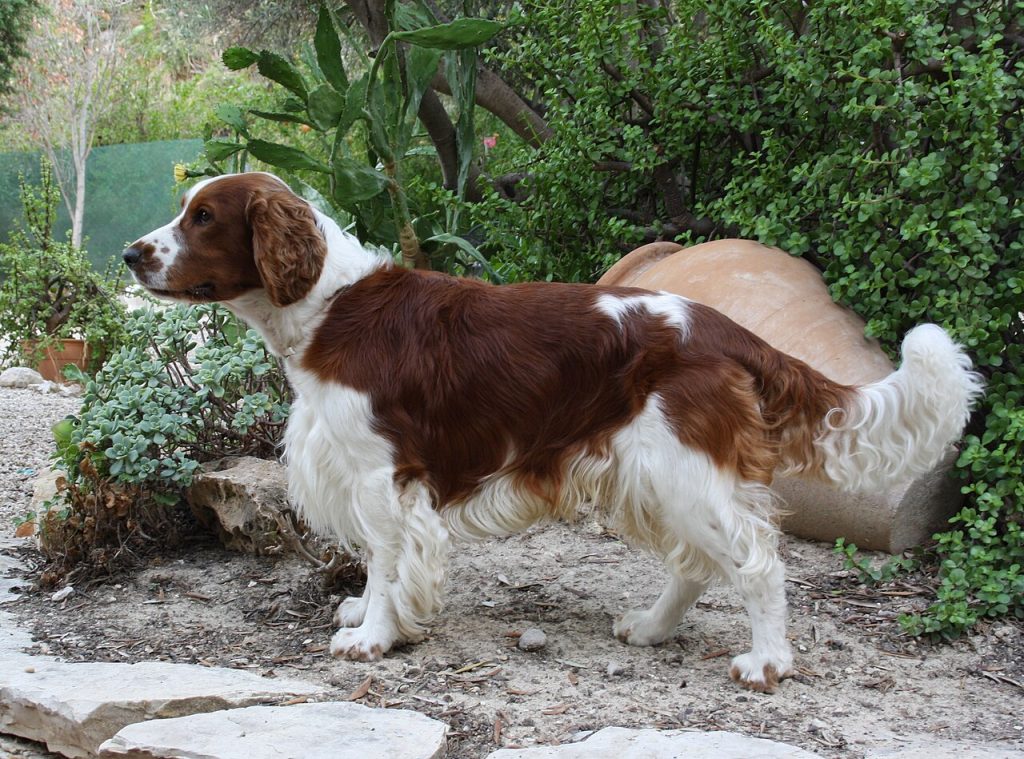
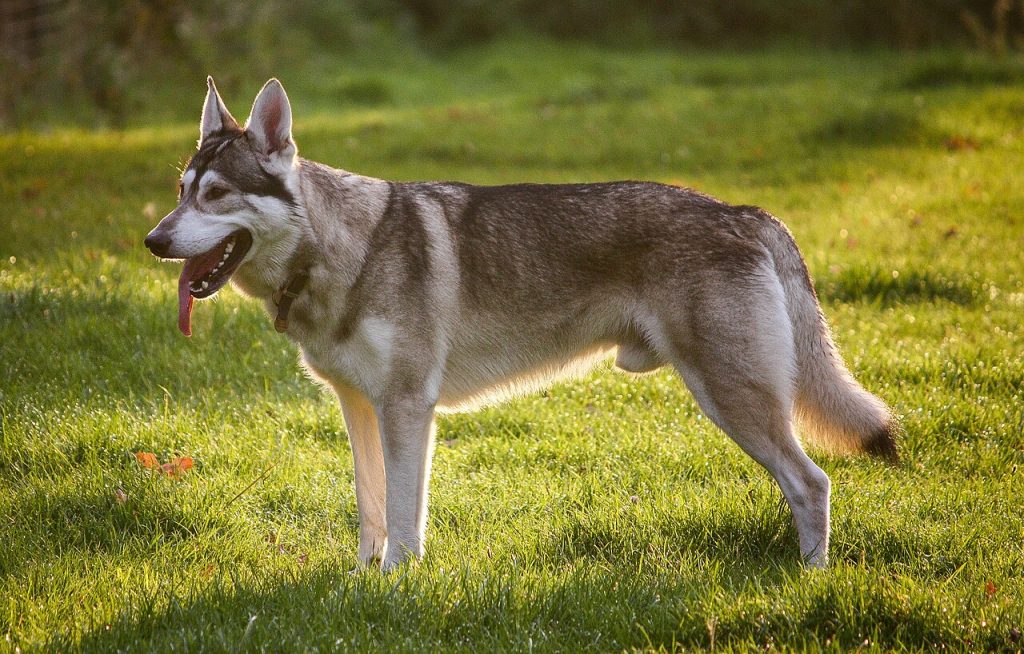
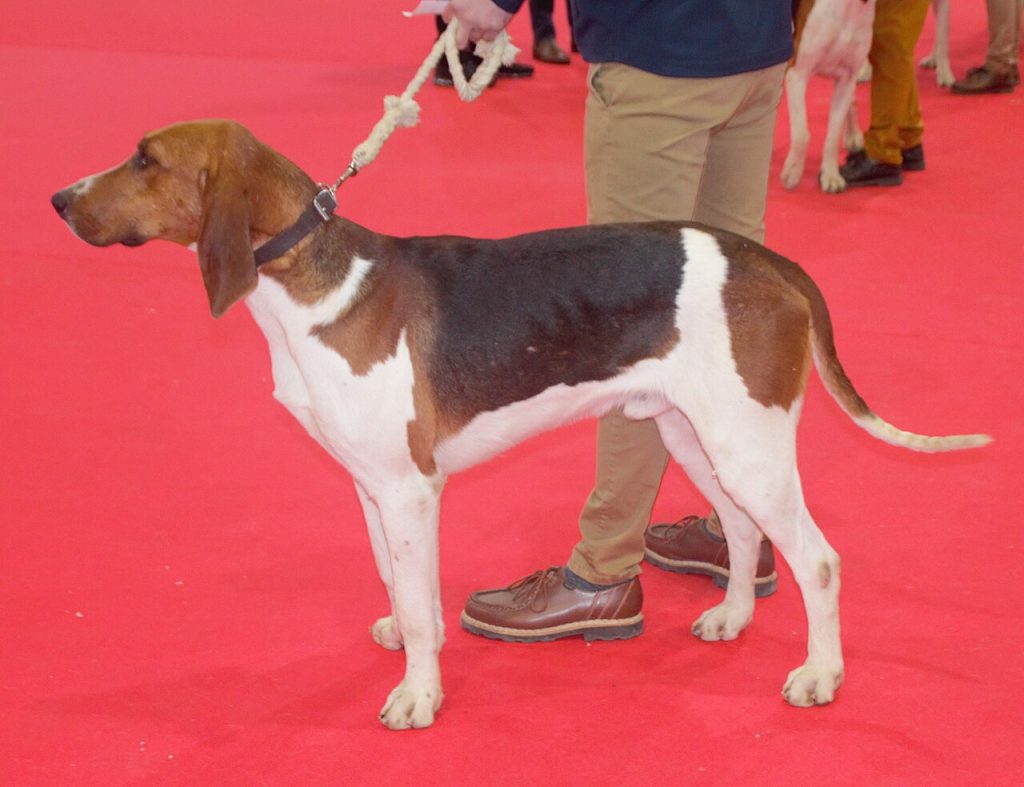
The Portuguese Podenco has the unmistakable air of primitive dogs: slender and well-proportioned body, wedge-shaped head, sharp snout and large, triangular, erect ears always alert.
Its most characteristic feature is the three official sizes, which do not cross each other. According to the breed standard, the large measures between 55 and 70 cm at the withers and weighs 20 to 30 kg; the median measures 40 to 54 cm and weighs between 16 and 20 kg; and the small measures 20 to 30 cm and weighs just 4 to 6 kg. Add to this the two coat varieties – smooth and pig-like – resulting in a variety of combinations. Colors range from yellow or lilac to brown and black, in shades that can range from light to dark, with or without white spots.
Origin and history
The Portuguese Podenco is a breed native to Portugal whose roots go back to the Iberian hunting dogs of primitive type, related to the podencos of the entire peninsula. During the Middle Ages, hunting dogs in Portugal were collectively known as sampling points. Dogs of this type also fulfilled a very particular function: They travelled in the Portuguese caravels of the Age of Discovery, where they were responsible for hunting rats on board, which helped spread their presence over different sea routes.
The recognition of the podenco as a homogeneous race began to take shape in the early 20th century. The standard for the large variety dates from 1953. The smooth-haired variety is the traditional one, while the pig-haired variety emerged during the 20th century by incorporating inputs from other breeds. Throughout its history, the Portuguese Podenco has remained true to its original function – hunting rabbit, hare and other game – preserving the vigor and health of the working dogs.
Curiosities
- The same name, three dogs: the big, the medium and the small are so different in size that they look like different breeds, although they share standard and type.
- He was a ship’s dog: his ancestors sailed in caravels hunting rats during the Portuguese maritime expansion.
- It hunts according to size: the large is used mainly for the hare – alone or in pairs – and even for the deer; the medium and small usually hunt the rabbit, often in packs.
- It is one of the canine symbols of Portugal, present in the rural culture of the country for centuries.
- The smooth hair is the original of the breed; the porcupine is a more recent 20th-century addition.
If you are attracted to the profile of the Portuguese Podenco, you may also be interested in other primitive, hunter-type or highly agile breeds. You can take a look at the Greyhound and Whippet among the fast-sighted dogs, the splendid Akita as another primitive breed with a strong personality, or the intelligent and hardworking Border Collie if you are looking for a dog with a lot of head.
Frequently Asked Questions about the Portuguese Podenco
How many sizes of Portuguese Podenco are there?
Three: large, medium and small. They’re official sizes that don’t cross each other. The big one is 55 to 70 cm, the medium one is 40 to 54 cm and the small one is 20 to 30 cm across.
Is the Portuguese Podenco a good company dog?
Yes, he’s affectionate and loyal to his family, intelligent and a good watchdog, needs daily exercise and some patience because of his independent nature, but he’s an excellent companion for active people.
Does he adapt to living in a flat?
The small variety does, as long as their need for exercise is met. The medium and large live better in houses with space. In any case, any yard should be well fenced because they are jumpers and escapists.
How much hair does he shed and how much care does he need?
The one with straight hair only needs a weekly brushing; the one with pig hair, a little more attention to avoid tangles. It does not require hairdressing and baths should be sporadic.
Do you get along with children and other dogs?
Yes, it usually gets along well with the children in the house and with other dogs, especially if it is socialized as a puppy.
Is it easy to train?
It learns fast, but is independent and decides if it pays to obey. With positive reinforcement, short sessions and motivation good results are achieved.
Is it a healthy breed?
Yes, being a primitive dog with little modification, it has robust health and few serious hereditary diseases, but with vaccinations, deworming, good nutrition and exercise, it is usually long-lived.
What was the Portuguese Podenco used for?
It is a traditional hunting dog. The large variety is used mainly for the hare and even the deer; the medium and small, for the rabbit, often in packs.