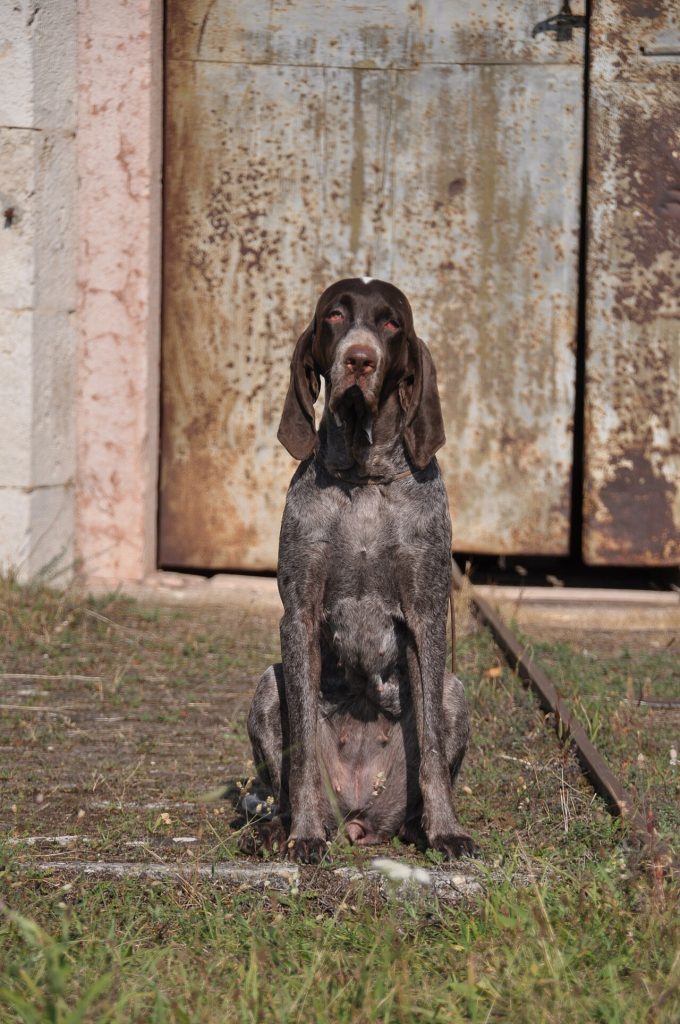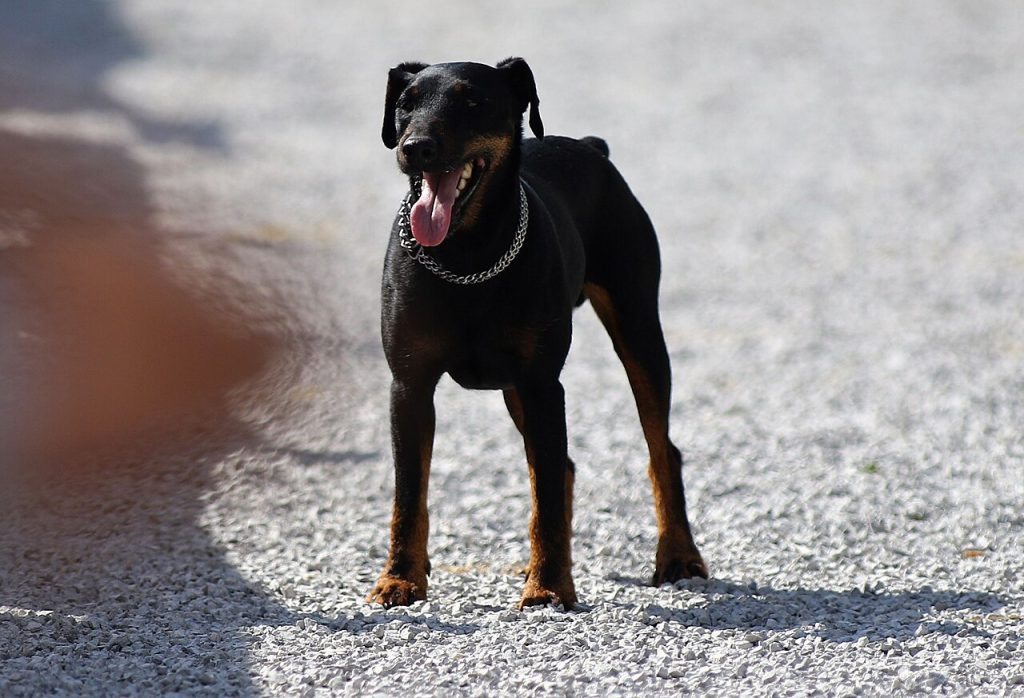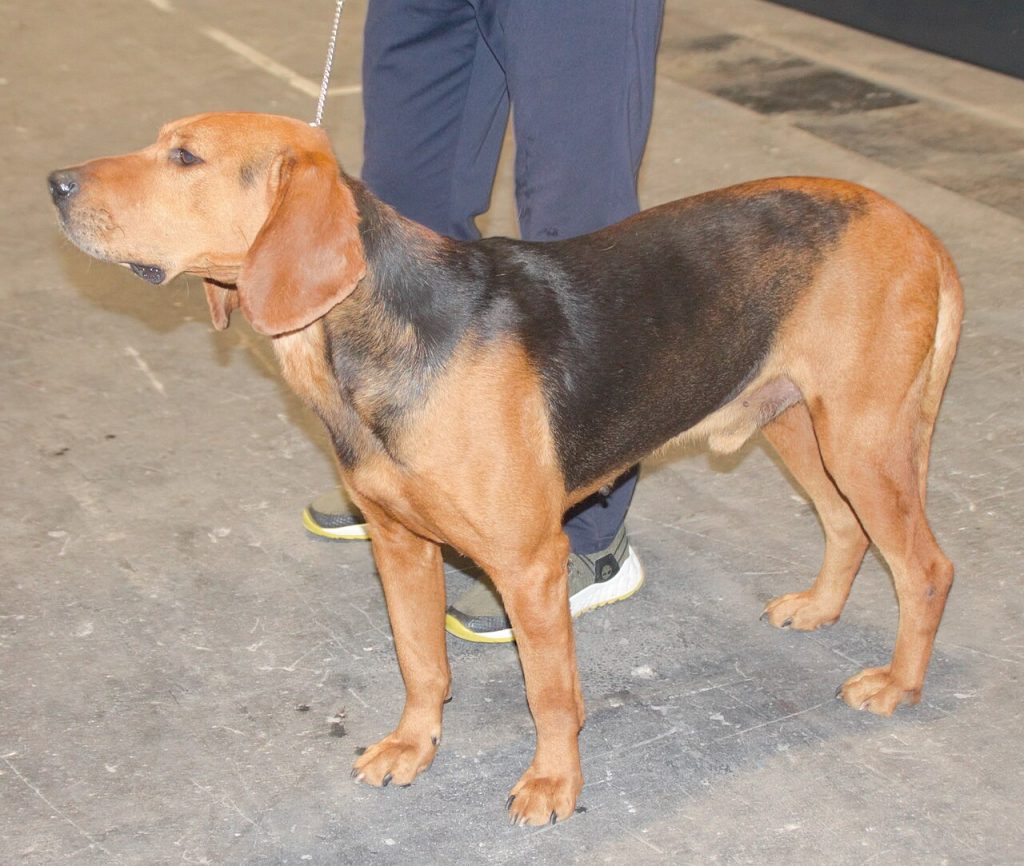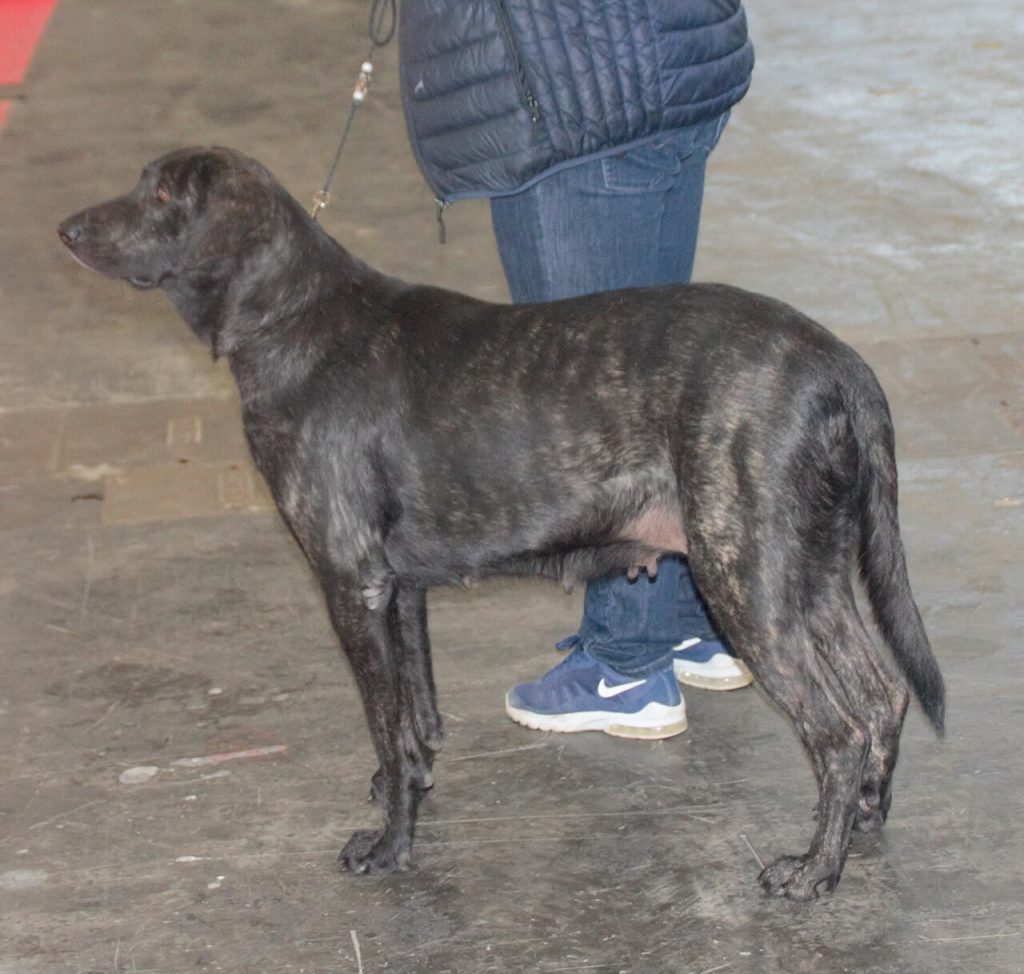
The Castro’s working dog(in Portuguese, this is Castro Laboreiro.) is one of the oldest and least known cattle dogs of the Iberian Peninsula: a wolf-looking mountain moloss, bred for centuries in the far north of Portugal to defend wolf herds. Today, it is a rarity even in its homeland – only a few hundred worldwide – but those who live with one discover a serene, courageous guardian with absolute loyalty to his family.
Is Castro’s working dog for you?
Before you fall in love with its wolf-like look, be honest: the Castro Laboreiro Dog is a livestock guard dog, not an “easy” companion dog. It is designed to live with a function, a territory to watch over and a family to protect. In the right hands, it is an exceptional companion; in the wrong, a 40-kilogram problem.
In favour .
- Absolute loyalty and an intense bond with his family.
- Natural guardian, brave and deterrent without the need for aggressive training.
- Rustic, healthy and resilient, made to live outdoors in harsh climates.
- He is calm and balanced in his environment; he is not a nervous dog or barks for no reason.
- The fur is easy to maintain.
To be taken into account
- Independent and suspicious of strangers: needs early socialization.
- It’s not a dog for beginners or small floors.
- Strong territorial instinct; requires a solid fence and space.
- Extreme rarity: very difficult to find and reliable breeders.
- It does not seek to please: it obeys out of respect and trust, not out of submission.
Character and temperament

The temperament of the Castro Laboreiro Dog is that of a true livestock guard dog: independent, vigilant and deeply attached to his own. For generations he had to decide for himself, alone in the mountain, whether what approached the herd was a threat or not.
With his family he is calm, affectionate in his own way and of remarkable fidelity; he tends to attach himself especially to a person of reference. With strangers, however, he is reserved and suspicious. Portuguese tradition describes him as “very fierce” in the face of the wolf, and that courage is still in his blood: He doesn’t shy away from confrontation when he thinks he has to protect his own. Well socialized, that firmness is channeled into a calm, confident guard, warning and deterring rather than attacking.
Coexistence: children, other pets, flat and loneliness
With children: is usually tolerant and protective of its own family members, but due to its size and guarding nature, coexistence with minors must always be supervised and supported by good socialization from puppyhood.
With other pets: tends to accept well the animals he rears with and considers part of his pack – in fact, his historical job was to live with the cattle and protect them.
Floor and space: is not a breed for apartments. It needs land, a solid enclosure and a quiet environment to exercise its surveillance instinct. The house with plot in the countryside or outskirts is its place.
Soledad:‘s independent nature allows it to tolerate times alone better than a highly dependent dog, but “independent” does not mean “abandoned”. It needs bonding, contact and a role in the home; prolonged isolation and lack of stimulation deteriorate it.
Education and training
Training a working dog is an exercise in patience and consistency. It is intelligent, but its intelligence is that of the guardian who decides, not that of the sport dog who repeats. It does not respond to imposition or harsh methods: with harshness it closes and distrusts. It works, instead, with positive reinforcement, clear rules and a calm and secure owner who respects it.
The early socialization is the most important point of all her upbringing: The more people, animals, environments, and situations you learn as a puppy, the more balanced and reliable your protective instinct will be as an adult. Set boundaries from day one – a puppy of this breed grows into a big, strong adult – and work on basic obedience with short, motivating sessions. Not the ideal breed for a first-time owner.
Exercise and activity
The Castro Laboreiro Dog is a hardy mountain dog, made to patrol and weather, not a sprinter. Its exercise needs are moderate-high: long daily walks, terrain to move freely and, above all, mental stimulation. A dog with a job to do – watching, accompanying, exploring – is a balanced dog.
Boredom and confinement are its worst enemies: a guard with nothing to watch over and no activity can develop undesirable behaviors. The ideal routine combines outdoor exercise with the ability to monitor his territory.
Care: fur and hygiene
One of the great advantages of this breed is its low maintenance requirements. Its hair is short to medium, dense and climate-resistant, prepared to withstand mountain winters. A weekly brushing is enough to keep it clean and remove the dead hair; during seasonal mowing it is advisable to brush it more often to control the fall.
It is a rustic dog that does not need frequent baths: only when it is really dirty, with a specific shampoo for dogs. The rest of the hygiene is the usual and sensible one: checking and cleaning the ears, monitoring the condition of the teeth, cutting the nails if they do not wear themselves and checking the pads after activity on hard ground.
Foodstuffs
In the puppy stage, not overfeed or force growth is especially important: too rapid development overloads the joints of large breeds. It is advisable to use a feed formulated for growing large breeds and follow the veterinarian’s guidelines.
In the adult, it is reasonable to divide the food into two daily servings and monitor the weight to keep it in shape, without overweight punishing the hips and elbows. As with any large dog with relatively deep breasts, it is wise to avoid strenuous exercise right after eating to reduce the risk of gastric torsion, and to always have fresh water available.
Health and life expectancy
The Castro Laboreiro Dog is, above all, a rustic and functional dog. No specific health problems specific to the breed have been documented, in large part because it is a very small and little studied population.
As with any large dog, it is wise to monitor the joints – hip and elbow dysplasia – and maintain a proper weight throughout its life. Before acquiring a puppy, it is wise to ask the breeder what health tests the parents have undergone; a responsible breeder will have this documented. With proper care, its life expectancy is usually around 12 to 14 years, a reasonable longevity for a mountain moose of its size.
Physical appearance

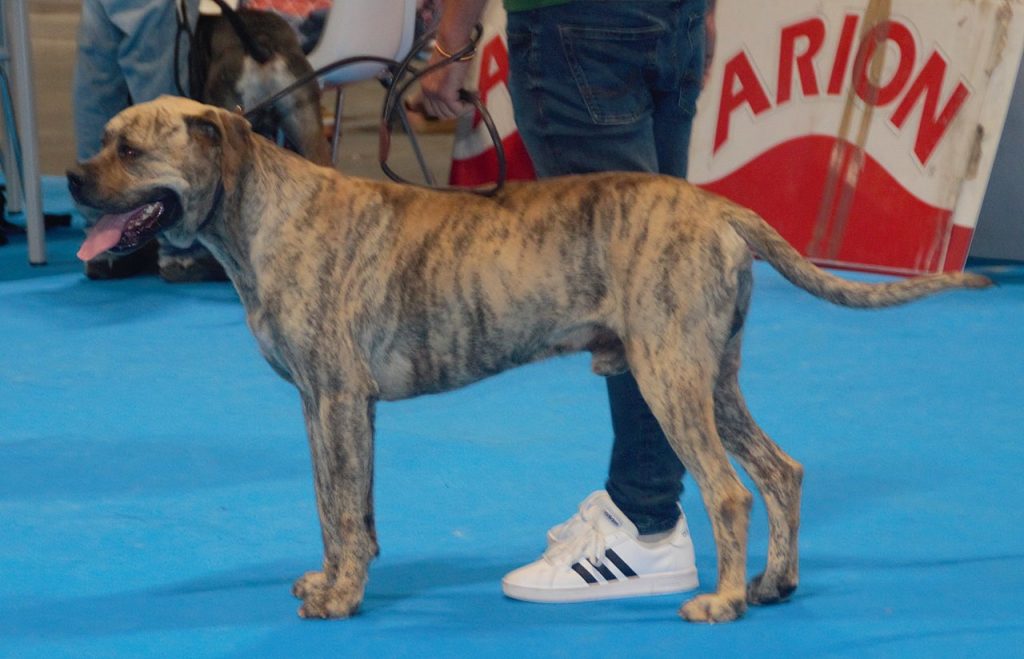
The Castro Laboreiro Dog has a silhouette of clearly wolf-like appearance. It is a large dog, but not exaggerated: the standard marks that the lift to the cross should not exceed the 60 cm high and the weight the 40 kg or less, with females somewhat smaller than the males.
The head is strong, with lines reminiscent of those of the wolf, with sloping ears and a serene but firm expression. The body is robust and well-proportioned, with strong limbs prepared to move over mountainous terrain. The most distinctive feature is its cloak: The coveted “color of the mountain”(color of the mountain), a wolf-like gray coat that mixes light and dark tones with brown hairs – called “pignon” – or a dark red “caoba”, interspersed so as to form an atigrade. There are also specimens of “dark wolf color” and “light wolf color”.
Origin and history
The name says it all: this dog comes from Castro Laboreiro, a small town in the far north of Portugal, today a parish of the municipality of Melgaço, in the same mountains that house the Peneda-Gerês National Park.
Its exact origin is lost to legend. The Portuguese Breed Club itself acknowledges that “everything written about its origins is pure fiction, without scientific or historical rigor”, because, as with almost all herding and guarding breeds, there are hardly any records before 1900. The earliest mentions do not go beyond the 19th century: The writer Camilo Castelo Branco already quoted in 1882, in his novel A Brazilian of Prazins, to “the dogs of Castro Laboreiro, very fierce”.
The breed was first exhibited at a dog show in 1914, and the first written standard was drafted by veterinarian Manuel Marques in 1935, when it was recognized by the Clube Português de Canicultura. Today it is recognized by the FCI– within Group 2, in the section of mountain-type molosoids – and, under its Portuguese name, by the United Kennel Club of America. Modern genetic studies confirm that it is a unique breed compared to other Portuguese breeds. The disappearance of the wolf and changes in livestock made it lose its original function: Many specimens were abandoned and ended up in the wild. Today it survives mostly as a companion and guard dog, but its numbers are alarmingly low.
Curiosities

- One of the rarest breeds in the world: is estimated to have no more than 500 specimens worldwide, with barely half a dozen breeders in Portugal and some loose breeders in the United Kingdom, Germany and the United States.
- Characteristic bark: is known for a peculiar voice that starts low and rises to a high pitch, a trait so distinctive that it appears described in the breed standard.
- The color of the mountain: the breeders especially value the wolf-like tapered coat, considered the most authentic and linked to the landscape from which it takes its name.
- It has its monument: the town of Castro Laboreiro pays tribute to the dog that bears his name, symbol of the identity of these mountains.
- Other names: is also known as “Portuguese boyer dog” or “Portuguese guard dog”, although its real name is this is Castro Laboreiro..
If you are attracted to this Iberian guard moose, you may be interested in other breeds with a protective character and imposing build that you will find more easily. Cane Corso English Mastiff Rottweiler San Bernardo
Frequently Asked Questions about the Castro Laboreiro Dog
Is Castro’s working dog a good family dog?
Yes, within its profile. It is a cattle herder deeply loyal to its people, serene and protective of its own. It is not a sociable and soft dog like a Labrador: it needs an owner with discretion, space and early socialization. In the right environment it is a devoted and one-family companion.
Is this a rare breed?
It is estimated that there are no more than 500 in the world. In Portugal there are only half a dozen breeders left, with a few more breeders in the United Kingdom and Germany and one in the United States.
What color is Castro’s working dog?
Its typical coat is the so-called “color of the mountain” (cor do monte): a wolverine-looking cloak, gray mix of light and dark tones with brown hairs (color “pinon”) or dark red (color “caoba”) interspersed that form an atigrade.
Can you have it on one floor?
It is a large, rustic and instinctive guard dog that needs land, a solid fence and a quiet environment. It fits much better in a house with a plot in the countryside or the outskirts than in an urban apartment.
Is he aggressive?
It is not an unstable dog, but it is a territorial guardian and distrustful of strangers, bred for centuries to face wolves. With proper socialization and consistent handling it is balanced; without them, its protective instinct can become a problem. It is not a breed for beginners.
How long does Castro’s working dog live?
There are no specific longevity studies of the breed, but as a large, rustic mountain moose its life expectancy is usually around 12-14 years, always with good nutrition, exercise and veterinary care.
Do you need a lot of exercise?
It needs moderate to high activity and, above all, space and mental stimulation. It is a hardy mountain dog, built for patrol and surveillance, not a speed athlete. Long walks, terrain to move and a function to fulfill keep it balanced.
Is it hard to educate?
It is intelligent but independent: it was selected to decide for itself in the face of a predator, not to obey orders instantly. It responds to positive reinforcement, consistency and calmness, never to harshness. It requires an experienced owner and socialization from puppyhood.