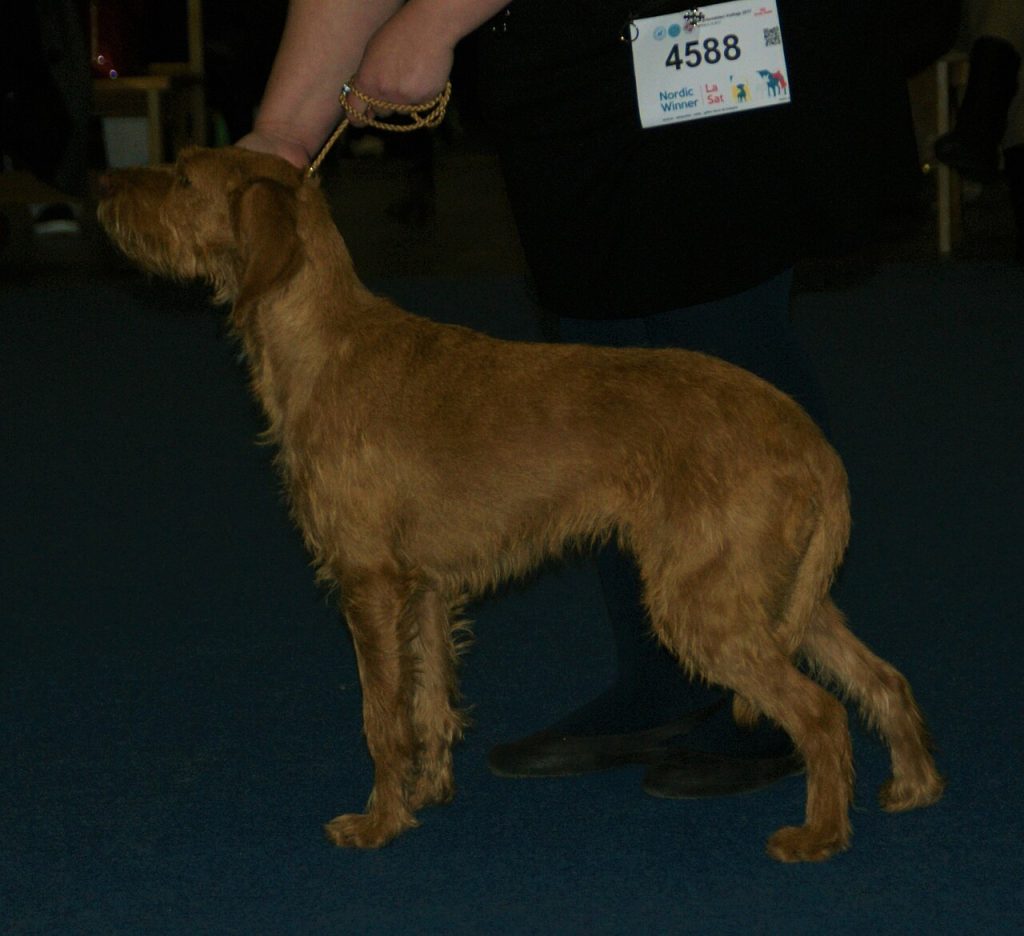
The Griffon Fauve from Brittany is one of the oldest hounds in France: A leopard-haired, rough-haired, unkempt hunting dog, born in Brittany to track wolves and wild boars. Rustic, tenacious and infallible at work, at home he becomes a sociable and affectionate companion. If you’re looking for a medium-sized, unusual dog with a sportsman’s soul, the Griffon Fauve de Bretagne deserves a thorough introduction.
Is that the Griffon Fauve de Bretagne for you?

The Griffon Fauve de Bretagne is not a dog for just anyone. It’s a working hound with centuries of selection to hunt alone or in packs, and that marks its character: It needs real exercise, an owner who understands the mindset of a tracking dog and, if possible, a field to stretch its legs and nose. In return, he offers nobility, a balanced temperament and quiet loyalty. Before you decide, weigh these pros and cons.
In favour .
- Sociable and affectionate with his family, despite being a hunter.
- Rustic and tough, with very few documented health problems.
- Medium size and manageable, neither small nor giant.
- Moderate maintenance coat, no complicated hairstyles.
- Rare breed: a unique dog with character.
To be taken into account
- Very strong hunting and smelling instinct, can disconnect after a trail.
- He needs plenty of daily exercise; he doesn’t fit into a sedentary lifestyle.
- Independent and stubborn – not the ideal dog for beginners.
- Unsuitable for small apartments with no access to the countryside.
- Rare breed outside France: hard to find breeders.
Character and temperament
The breed standard sums up the ideal character of the Griffon Fauve de Bretagne in two words: cunning and tenacious. Clever because on the trail it’s a thinking dog, able to resolve a lost scent and work on all kinds of terrain; tenacious because it doesn’t leave the trail easily. That determination, which makes it so valuable as a hunter, is also what one should understand before adopting it: He’s a dog on his own initiative, not an obedience machine.
Outside the mountain, the portrait changes completely. The same standard describes him as sociable and affectionate with people, and that’s what families who live with him see. It is a balanced dog, without gratuitous aggression, which enjoys human company and integrates well into domestic life when its exercise needs are covered. The temperament of each can vary, as in any breed, but the general line is that of a noble and sociable hound.
Coexistence: children, other pets, flat and loneliness
With children:‘s affectionate nature and medium size make it a good companion for families with children, always with the supervision and mutual respect that any dog deserves.
With other pets: is bred to work in packs, usually getting along well with other dogs. With cats and small animals you have to go with caution and socialize from puppyhood: its strong tracking and chasing instinct can be activated before a running animal.
On the floor: is not its natural habitat. It is a field dog, with energy and a fondness for sniffing, which in a small apartment and without enough exits gets bored. It can adapt to a house with a garden and a very active owner, but it is advisable to be honest about the lifestyle before choosing it.
In the face of loneliness: is a sociable dog that appreciates companionship. It tolerates time better only if it has been exercised and has something to entertain itself with, but it is not a breed designed to spend the day locked up without stimulation.
Education and training
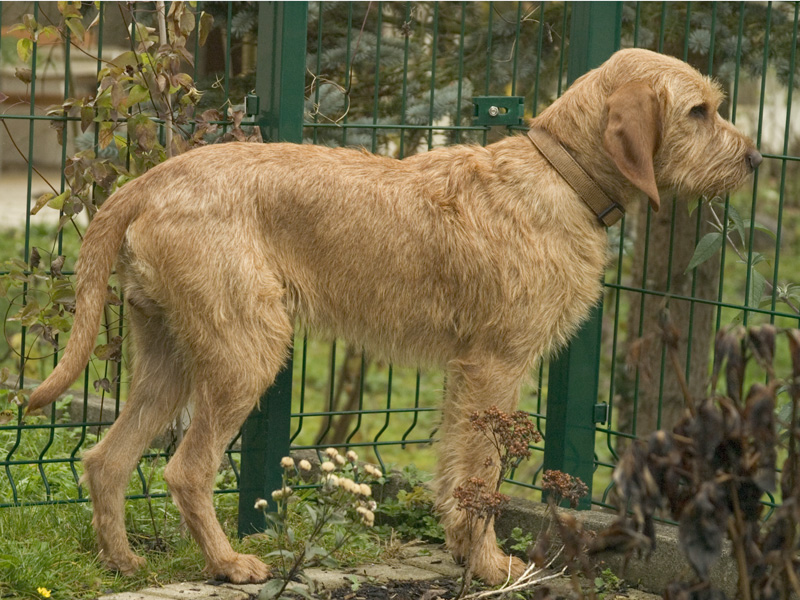
Educating a Griffon Fauve de Bretagne requires understanding his nature as a hound. It’s smart and it learns, but its motivation doesn’t always match the owner’s: When the nose commands, the commands go into the background. That is why training should be based on positive reinforcement, food as a reward and short, motivating sessions, avoiding confrontation with a dog that responds poorly to harshness.
The critical point is the call. Like all tracking dogs, it tends to follow smells and can wander off considerably, so it is advisable to work around from a puppy and be cautious with the loose in unfenced areas. Early socialization with people, dogs, and diverse environments establishes their sociable character and prevents fears. It’s not the easiest race for an absolute beginner, but with patience and consistency it responds very well.
Exercise and activity
This is where the Griffon Fauve de Bretagne sets the bar high. It is a working dog with remarkable endurance, selected to follow trails for hours on endless terrain. Translated into family life, that means long, daily walks, opportunities to sniff their air and, whenever possible, activities that stimulate their nose: tracking games, searching for hidden food or hiking the countryside.
A dog of this breed that does not expend enough energy ends up frustrated, and a hound’s frustration is translated into barking, restlessness or destructive behavior. If you are an active person, who enjoys the mountains, running or long routes, you will have in him a tireless companion. If you are looking for a couch dog, this is not your breed.
Care: fur and hygiene
The cloak of the Griffon Fauve de Bretagne is its hallmark: Hard, rough and unkempt-looking, the typical griffin hair. It is a coat designed to protect the dog from weeds and weather, and its maintenance is moderate. Regular brushing is sufficient to remove dead hair and dirt; some specimens appreciate occasional stripping (manual pulling of dead hair) to preserve the characteristic hard texture, rather than resorting to the machine.
For their outdoor life, it is advisable to check their ears frequently – long and dangling, more prone to accumulate moisture – and their pads after field trips, bathing only when necessary, and routine monitoring of eyes, nails and teeth completes simple hygiene, without the hairdressing requirements of other long-haired breeds.
Foodstuffs
As an active dog of medium size, the Griffon Fauve de Bretagne needs a complete and balanced diet, adjusted to its actual energy expenditure. A specimen that hunts or exercises a lot burns more than a quiet dog, so the ration must be adapted to activity, age and body condition, avoiding both overweight and thinness.
It is reasonable to divide the food into two portions a day, use a quality feed or diet and control the weight periodically by tapping the ribs. In very active dogs, it is advisable to monitor hydration and not offer intense exercise immediately after eating.
Health and life expectancy
Health is one of the breed’s strengths. No unusual health problems or hereditary pathologies characteristic of the Griffon Fauve de Bretagne are documented, something common in rustic working breeds that have been selected for functionality rather than aesthetics.
This does not exclude basic care: vaccination, deworming, veterinary checks and attention to the ears and pads for his life outdoors.With responsible handling, it is a dog that enjoys a longevity typical of medium breeds, in the approximate environment of 10 to 13 years that dogs of its size usually reach.
Physical appearance

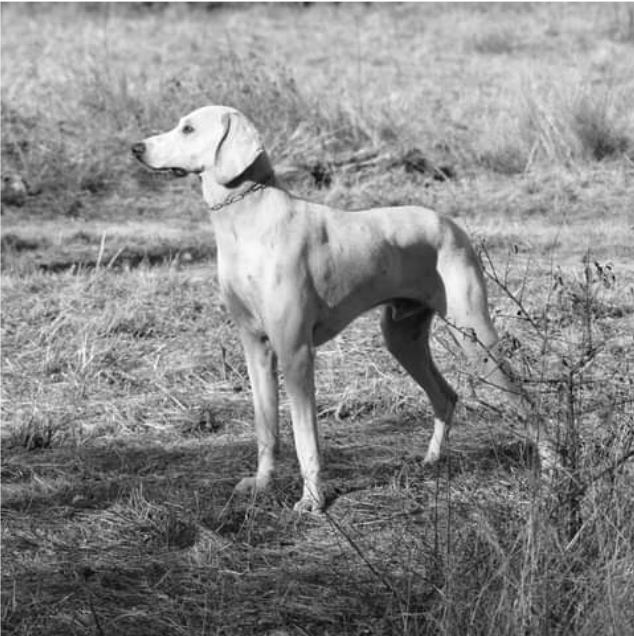
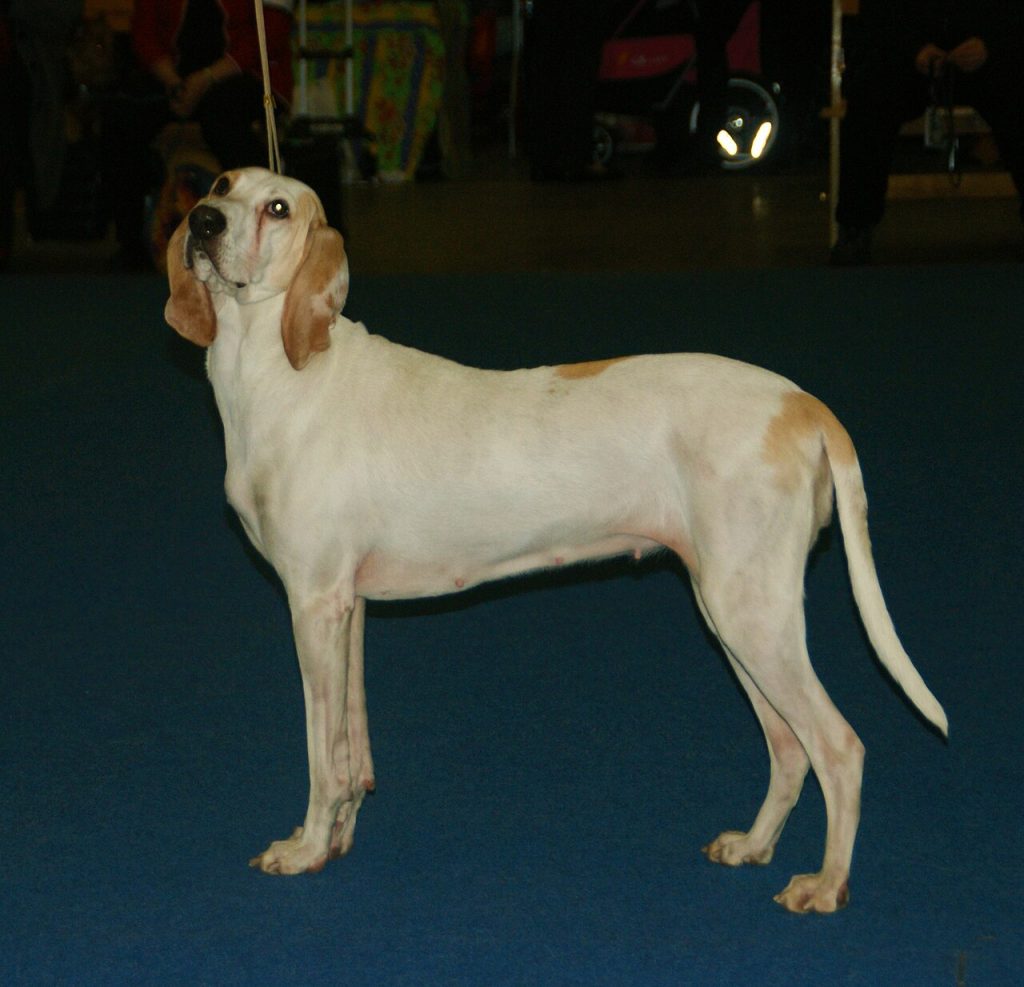
The Griffon Fauve de Bretagne is a medium-sized dog, with a height of 48 to 56 cm at the cross, identical for males and females.
Its most distinctive feature is its fur: hard, rough and untidy, lionskin in any shade, from golden to deep red – hence its name, fauve, which in French means precisely “lionskin”. Completing the pattern are long, sloping ears, and a long tail that is high and slightly curved. It’s a natural-looking dog, no tricks, in which everything responds to its origin as a working dog.
Origin and history
The Griffon Fauve de Bretagne has its roots in the French region of Brittany, and is considered one of the oldest hounds in the country. Its ancestor, the Grand Fauve de Bretagne, was used in packs to hunt wolves and wild boars; it is known that King Francis I kept a pack of these dogs, proof of the appreciation they had already in Renaissance times.
The fate of the race changed in the 19th century. With the disappearance of the wolf in France, that great hound lost its function and was on the brink of extinction. To save the blood that remained, the last specimens were crossed with Briquet Griffon Vendéen, giving rise to a smaller dog: The current Griffon Fauve of Brittany. In 1949, Marcel Pambrun founded the Club du Fauve de Bretagne to rescue what a few peasants and hunters had kept alive.
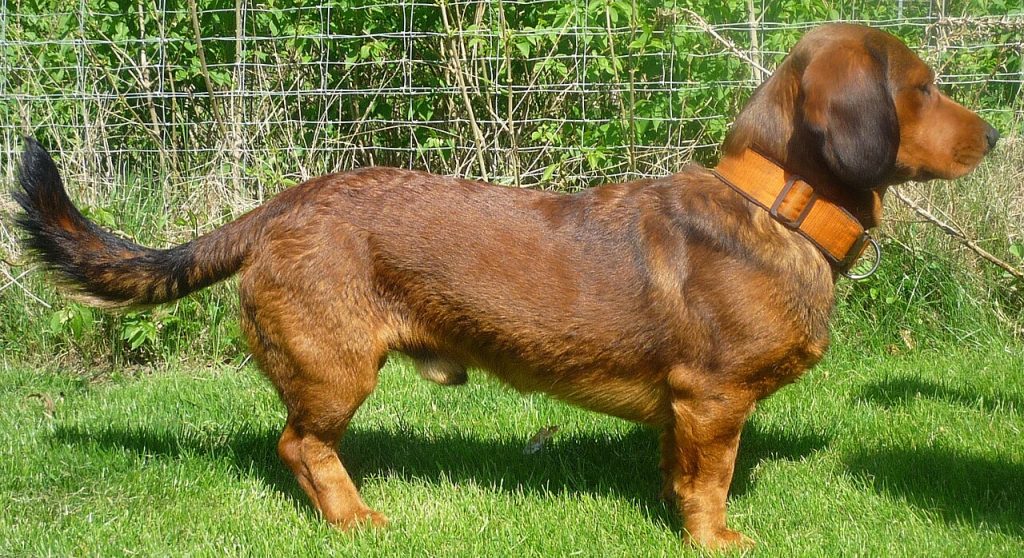
Since the 1980s, both the Griffon Fauve de Bretagne and its short-legged derivative, the Basset Fauve de Bretagne, have recovered in numbers and become established as popular hunting dogs.
Curiosities
- Name with colour: fauve means “lioned” in French, in direct reference to the tone of her hair, from golden to reddish.
- His ancestor, the Grand Fauve de Bretagne, was part of the royal herds; Francis I kept one of his own.
- The wolf hunter: was used for centuries to defeat wolves, and the disappearance of these almost wipes out the race.
- A brother with short legs: from the same trunk comes the Basset Fauve de Bretagne, much better known internationally.
- Saved at the last minute: survived thanks to a few ranchers and hunters and the founding of the breed club in 1949.
If you are attracted to the profile of the Griffon Fauve de Bretagne, you may be interested in other hounds and hunting dogs with similar characteristics. Check out the Basset Hound, another long-eared tracker; the Beagle, a sociable, scent-guided medium hound; the Bloodhound, the trail king; or the versatile Vizsla, another athletic, family-oriented hunting dog.
Frequently asked questions about the Griffon Fauve de Bretagne
Is the Griffon Fauve de Bretagne a good family dog?
Although he is a pure hunting dog, the breed standard describes him as sociable and affectionate with people, well socialized and with enough daily exercise, he fits well into an active family that enjoys the countryside and outdoor routines.
How tall and how much does a Griffon Fauve de Bretagne weigh?
It is a medium-sized dog. It measures between 48 and 56 cm at the withers, with the same height for males and females. Its weight is around 18 to 22 kg, with a constitution that should look bone and muscular, never heavy or lymphatic.
Is it hard to educate?
It’s intelligent but independent and very much guided by smell, which is typical of hounds. It’s not the easiest dog for an absolute beginner. It responds well to positive reinforcement, short sessions and consistency, but when it catches a trail it can disconnect from commands, so call work and fenced space are key.
How much exercise do you need?
It’s a working dog with remarkable endurance, bred to follow tracks for hours on end in all kinds of terrain, needs long walks, opportunities to sniff and, if possible, activities that stimulate its nose.
Can he live in a flat?
It is not his ideal environment. He can adapt if he is guaranteed plenty of daily exercise and mental stimulation, but he is a dog designed for the field and hunting. On the ground, without sufficient physical expenditure, he tends to be bored and can become vocal or restless.
What’s his coat like and how much care does he need?
It has a hard, rough coat and a ragged appearance (gryphon-like), lionskin in any shade, from golden to reddish.
Is it a healthy breed?
As with any dog, regular veterinary follow-up and care of ears and pads is advisable for its outdoor life.
Is this a rare breed?
Outside France, yes. The Griffon Fauve de Bretagne is a rare hound and is promoted in other countries as a rare breed for those looking for a unique dog. In its native Britain it is still a prized hunting dog, especially for the wild boar.