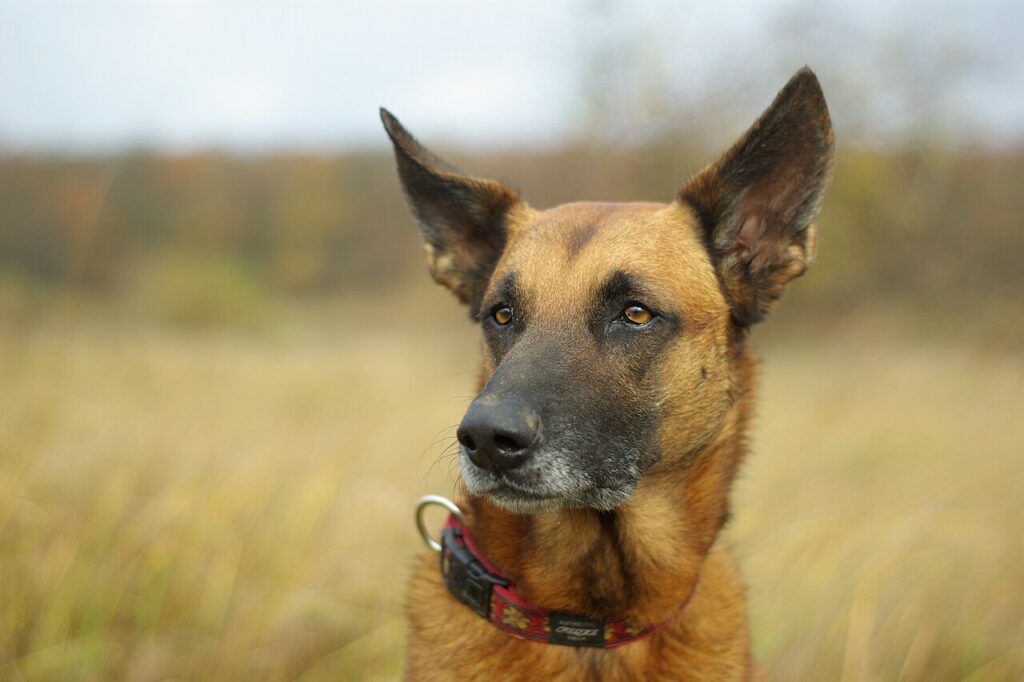
The Malinois Belgian Shepherd is one of the most capable, intelligent and energetic working dogs in existence. Born for grazing in the Belgian region of Mechelen, today it is the first choice of police and armies halfway around the world. It’s not a dog for just anyone: You need an active, steady owner willing to give you a job. In return, it offers a delivery and learning capability that are hard to match.
Is the Belgian Shepherd Malinois for you?
Before you fall in love with its athletic demeanor, let’s be honest: The Belgian Malinois Shepherd is a high-energy working dog. It fits in wonderfully with athletes, experienced or keen to get deeply involved in training; and it can become a serious problem for anyone looking for a quiet couchmate. Here’s a quick rundown to decide with your head.
In favour .
- Outstanding intelligence and ability to learn.
- Total loyalty and strong bond with his family.
- Excellent guard dog and protector by nature.
- Athletic, healthy and tough, ideal for dog sport.
- Short coat, very easy to maintain.
- Versatile: shepherding, obedience, agility, athletic bite, rescue.
Against
- Extreme energy: You need daily physical and mental exercise.
- Not suitable for beginners or sedentary life.
- If he gets bored, he can become destructive or nervous.
- Strong prey instinct; requires early socialization.
- It needs a steady owner who knows how to set boundaries.
- It’s bad for him if he spends too many hours alone.
Character and temperament
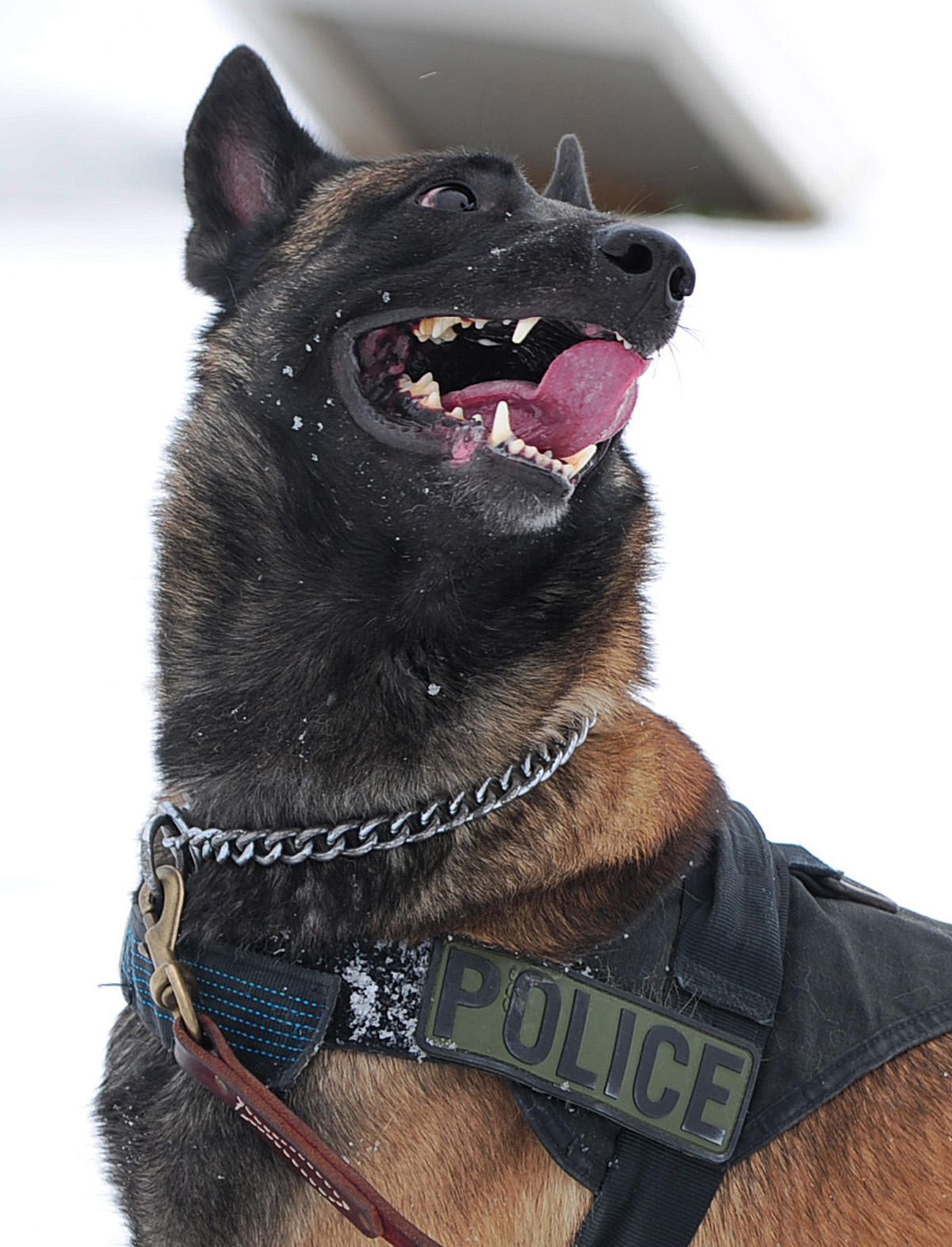
If we had to summarize the Malinois in three words, it would be smart, intense and loyal. It is an alert, vigilant, and sensitive dog, who lives attentive to its owner and everything that happens around it. That constant attention is just what makes it so brilliant at work: it learns quickly, reads people very well, and enjoys having a task at hand.
Well bred and educated, the Belgian Malinois Shepherd is active, friendly and protective. But their energy level is among the highest of any dog breed. A typical specimen maintains the momentum of a puppy until it is three years old, and it is not uncommon for it to keep that engine running until it is five. Many have a strong instinct for prey, and when young, they can be overflowing with sheer exuberance.
The flip side of the coin is clear: a Malinois without adequate physical and mental stimulation can develop destructive or neurotic behaviors. It is not malice or stubbornness, it is frustration. This dog needs to expend body and head every day. When given that release, it transforms into a balanced, loving and absolutely devoted companion.
Coexistence: children, other pets, flat and loneliness
- With children: is protective and vigilant with the little ones in his family. However, because of his energy and his tendency to chase everything that moves, it is advisable to supervise play and teach children to respect it.
- With other pets:‘s prey instinct can complicate coexistence with cats or small animals if it does not grow up with them.
- On the floor: can adapt to living indoors, as the breed tolerates indoor life well, but only if it gets a lot of exercise outdoors.
- In the face of loneliness: is a very attached dog who doesn’t like to spend long hours alone. Isolation and lack of activity are the perfect recipe for behavioral problems.
Education and training
This is where the Belgian Shepherd Malinois really shines. It’s known for how easy it is to train, thanks to its high comprehensiveness and willingness to work. It learns new commands with amazing speed and enjoys the mental challenge of learning complex tasks.
That doesn’t mean he’s self-educated. His intelligence is a double-edged sword: if you don’t guide him, he’ll seek life on his own, and you’ll rarely like the outcome. Begin basic obedience and socialization as a puppy, with patience and constancy. Without that early work, he can become a nervous, difficult-to-manage animal.
Positive reinforcement, short and varied sessions, and an owner who keeps clear rules are the winning combination. The Malinois responds much better to motivation and play than to toughness.
Exercise and activity

This is the point that is most underestimated and the one that sinks most failed adoptions. The Malinois does not need “a walk”; it needs to be really spent. We are talking about several hours a day between intense physical exercise and mental work: running, playing search, swimming, doing obedience, olfactory games, dog sports…
It is a dog designed for effort and endurance, able to withstand harsh climates and long days of activity. That is why it stands out so much in obstacle jumping tests, bite and obedience, which in fact are part of its history since the beginning of the 20th century.
The key is to combine body and mind. A Malinois who just runs without thinking is still dissatisfied; one who also solves problems, tracks and learns tricks comes home tired and happy. Giving him a “job”, even if it’s recreational, is the best investment in his balance.
Care: fur and hygiene
In terms of hair maintenance, the Belgian Malinois is one of the most comfortable breeds. Its coat is short and hard throughout the body, without fringes on the legs or tail, and with a subcoat that protects it from the elements.
Of course, during the seasonal moults, it is advisable to increase the frequency, because it is quite loose in those weeks. The bath is only necessary from time to time, when it is really dirty. Complete the routine with the basic care that every dog appreciates: checking and cleaning the ears, cutting the nails and monitoring dental hygiene.
Foodstuffs
Since it is such an active dog, its energy requirements are high, especially if it practices sport or work.The ideal is a complete and quality diet, adjusted to its age, weight and actual level of activity, divided into two daily intakes to promote digestion.
It is advisable to monitor the quantities and avoid overweight, which would unnecessarily load their joints. As with many deep-breasted dogs, dividing the food into several servings and avoiding intense exercise just before and after eating is a good precaution.
Health and life expectancy
The Belgian Shepherd Malinois is generally a robust and healthy dog, the result of generations selected for its working capacity rather than for aesthetics. Its life expectancy is around 12 to 14 years, a high figure for a dog of its size.
Among the pathologies to be monitored are those of herding dogs: The hypoplasia of the hip and elbow problems, skin problems and, to a lesser extent, reproductive problems. The Belgian Kennel Society recommends testing all hip and elbow specimens, and specifically the Malinois for epilepsy. In some areas of work, the so-called “rabies syndrome” or sudden aggression has also been associated, linked to a genetic component that can be detected with tests.
Acquiring the puppy from a responsible breeder who performs these tests on the parents is the best guarantee of long-term health, along with regular veterinary checkups and daily vaccination.
Physical appearance

The Malinois is a medium-sized dog with an athletic build, with a body built for endurance: muscular but never heavy. The ideal height to the cross is about 62 cm in males and 58 cm in females, with a weight that usually moves between 20 and 30 kg.
The head is long and well proportioned, with triangular ears, erect and rounded at the base, and a broad and elongated snout.
The Malinois shares a standard with the other three varieties of Belgian Shepherd – Groenendael, Tervueren and Laekenois – and differs from them precisely in the length, type and color of the hair.
Origin and history
The Belgian Shepherd Malinois is one of the four breeds of Belgian Shepherd, and takes its name from the Belgian town of Malinas(Mechelen in Dutch, Malines in French), the locality where it was established.
The effort to unify and standardize the breed began in 1891, when the Belgian Shepherd Dog Club was founded in Brussels and a team led by Professor Adolphe Reul conducted a population census. The first standard of the Malinois variety was drafted by Reul and approved in 1892, with characteristics already very similar to today’s. In fact, it was the first variety to “fix the type”, to the point that for a time the others were grouped as “non-Malinois”.
The first Malinois came to the United States in 1907 to be employed by the police. The definitive standard with the four varieties we know today was adopted in 1956.
Curiosities
- The dog of the elite forces.‘s use by armies and law enforcement agencies around the world is huge: from the U.S. Armed Forces and the Secret Service to anti-theft units in African national parks.
- Conan, the most famous. A U.S. Army Malinois was involved in the operation against Islamic State leader Abu Bakr al-Baghdadi in 2019.
- Decorated heroes. Several Malinois have been awarded the Dickin Medal, the highest recognition given to military animals, for bravery on war missions.
- One of the smartest. The Belgian Shepherd occupies a prominent 16th place in the classical classification of canine breeds by intelligence.
- He served in both world wars, locating wounded soldiers and carrying messages to the front.
If you are attracted to the Malinois Belgian Shepherd because of its energy and ability to work, you may be interested in other breeds with a similar profile. Its closest relative and eternal rival in canine units is the Pastor Alemán. For sport and livestock work, few surpass the tireless Border Collie or the versatile Pastor Australiano. And if you’re looking for another variety of the same Belgian family, the sleek Pastor Belga Groenendael shares much of its character.
Frequently Asked Questions about the Belgian Malinois
Is the Belgian Malinois a good family dog?
It is loyal, protective, and vigilant with its own, but its very high energy and intensity make it unsuitable for sedentary or inexperienced homes.
How much exercise does a Malinois need a day?
He needs several hours a day of intense physical exercise (running, playing, swimming) and mental work (obedience, smell, dog sport).
Is it difficult to educate the Belgian Shepherd Malinois?
On the contrary, it is one of the easiest dogs to train because of its intelligence and willingness to work.
What’s the difference between the Malinois and the German Shepherd?
The Malinois is lighter, more agile, and more energetic, with short lionskin hair and a black mask. The German Shepherd is somewhat more stocky and powerful in strength. Both are excellent working dogs, but the Malinois usually needs even more activity.
How long does a Belgian Shepherd Malinois live?
Its life expectancy is about 12 to 14 years, a high figure for its size. Good nutrition, adequate exercise, and regular veterinary checkups help it reach a healthy old age.
Can a Malinois live in a flat?
Yes, the breed adapts well to living indoors as long as it gets plenty of exercise outdoors.
Why is it used so much by the police and the army?
For its unique combination of intelligence, learning ability, energy, sense of smell and balanced temperament for the job, it’s agile, resilient and highly dedicated, making it ideal for detection, defense, search and rescue.
Does the Belgian Shepherd Malinois shed a lot of hair?
It has short hair and easy maintenance, with a weekly brushing is usually enough. However, during the seasonal mowing it loosens noticeably and it is advisable to brush it more often those weeks.