Kidney failure in dogs: early signs not to be ignored
Your dog starts drinking more than usual, asks to go outside to pee at odd hours, and you notice him a little more down. It’s easy to pin it on heat or age, but those common cues can be the first clue to a renal impairment in the dog. And here’s the problem: By the time the obvious symptoms appear, the kidneys have usually lost much of their function. So knowing what to look for and what to do early makes a huge difference in your partner’s quality of life and life expectancy.
In this guide I tell you, in a Christian way and without alarmism, what the early signs of renal failure in the dog are, why they are so treacherous, which breeds have more ballots and what you can do from home.
What is renal failure and why it is important to detect it early
The kidneys do much more than produce urine. They filter waste from the blood, regulate water and salts, control blood pressure, maintain the balance of minerals such as phosphorus and calcium, and even help make red blood cells. When they fail, all of that work suffers at once.
It is useful to distinguish two scenarios. chronic kidney disease progresses slowly, over months or years, and is most common in older dogs: Damaged tissue doesn’t regenerate, so the goal is to slow it down. acute renal failure, on the other hand, appears suddenly (by a toxic, an obstruction or a serious infection) and is an emergency, although sometimes reversible if treated early. Either way, the sooner you catch him, the better.
The data that changes everything: a dog may not show any symptoms until its kidneys are working below 25 percent of their normal capacity. By then, the disease has been established for a long time. Detecting it in the silent phase, with a simple analysis, is the best tool you have.
Early Signs You Shouldn’t Ignore
None of these signs, by themselves, confirm a kidney problem (many coincide with other diseases). But if you notice several joints, or one that persists over time, it is reason to ask for an appointment and an analysis. These are the most important, more or less in order of appearance:
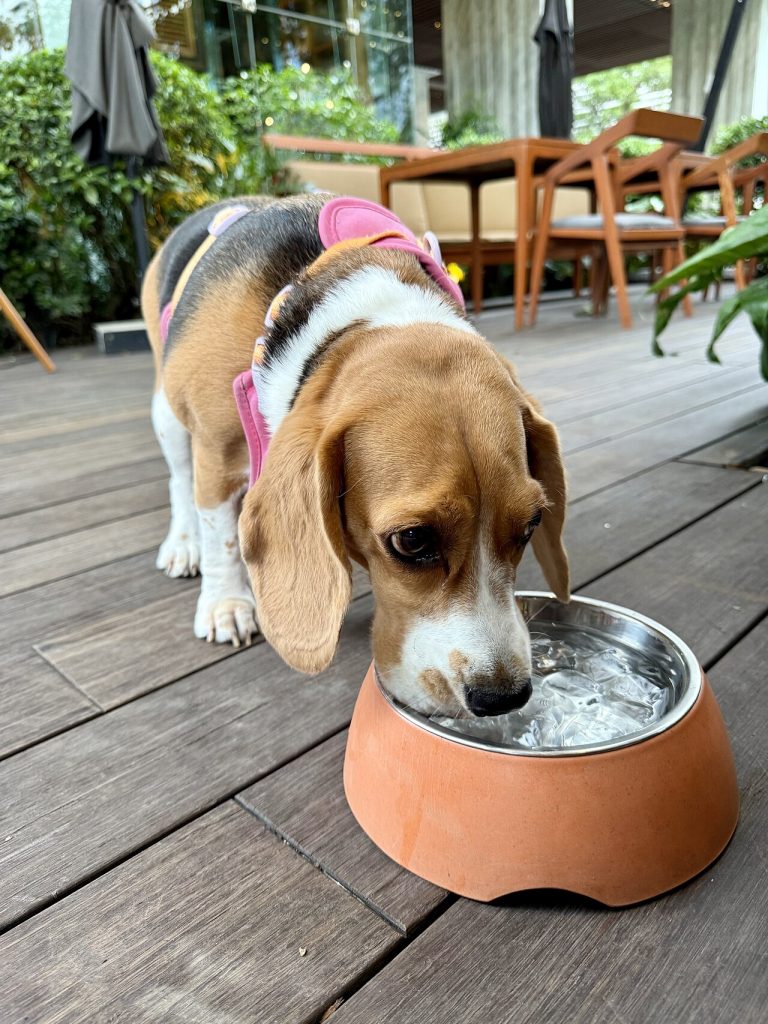
- Drink more water than usual(polydipsia), usually the first clue, if you’re emptying the drinking trough faster, look for puddles or the faucet insistently, point it out.
- Piss more and more often(polyuria), bigger spots, asks to go out at night or has a leak in the house a dog used to tolerate.
- Lose weight slowly without you changing his diet or his exercise.
- Eat less or reluctantly, especially the usual feed.
- Bad breath with a strange smell, sometimes metallic or ammonia .
- He ‘s more apathetic ., he sleeps more, has less desire to play or walk.
- Coat off and worse overall appearance than would be normal for her age.
- Occasional nausea or vomiting, which in more advanced phases become frequent.
A very useful home trick: look at how much water you drink. As a guideline, a healthy dog usually drinks around 50-60 ml per kilo of weight per day. If sustainedly drinking much more than that, discuss it with your veterinarian. You can measure it by filling the drinking trough with a known amount and seeing how much is left after 24 hours (taking into account heat and exercise).
Why Symptoms Come on So Late
The kidneys have a huge functional reserve. They have a lot of filtering units (nephrons) and when one is damaged, the remaining ones compensate and overwork. Thanks to this compensation, the dog can appear healthy for a long time even if the deterioration has already begun.
The body pulls on that margin until it runs out. That is why the classic signs of heavy drinking and urination are not usually noticed until intermediate stages, and vomiting, loss of appetite, and marked apathy come even later. The good news is that your vet can detect the before problem of you seeing nothing with a blood and urine test. Hence the importance of routine checkups, especially after a certain age.
High-risk breeds and dogs
Chronic kidney disease becomes more common at 5-7 years of age and can affect a significant proportion of older dogs.
In addition, there is breeds with hereditary predisposition to different types of kidney disease, which sometimes appears in young animals.
- Shar Pei has a predisposition to renal amyloidosis, often linked to its “familial fever” with episodes of fever and swollen corvettes.
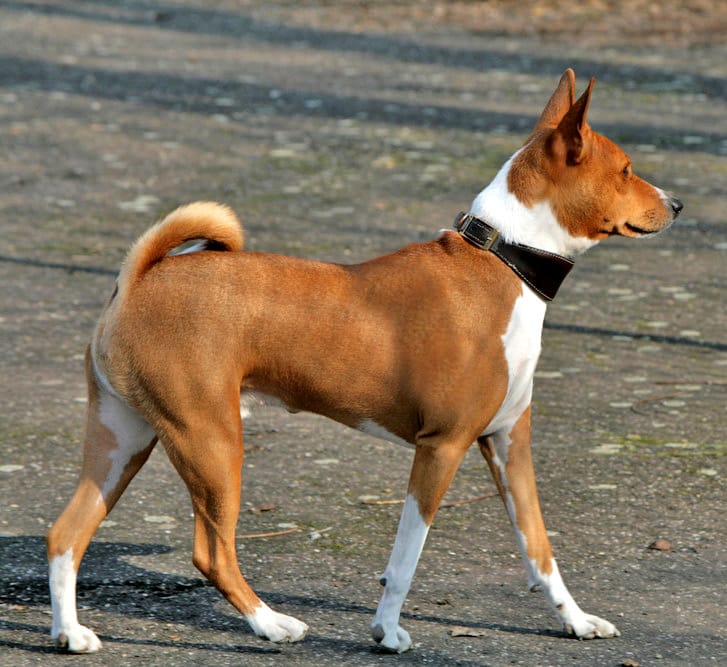
- Basenji can inherit Fanconi syndrome, a failure of the renal tubules that alters nutrient reabsorption.
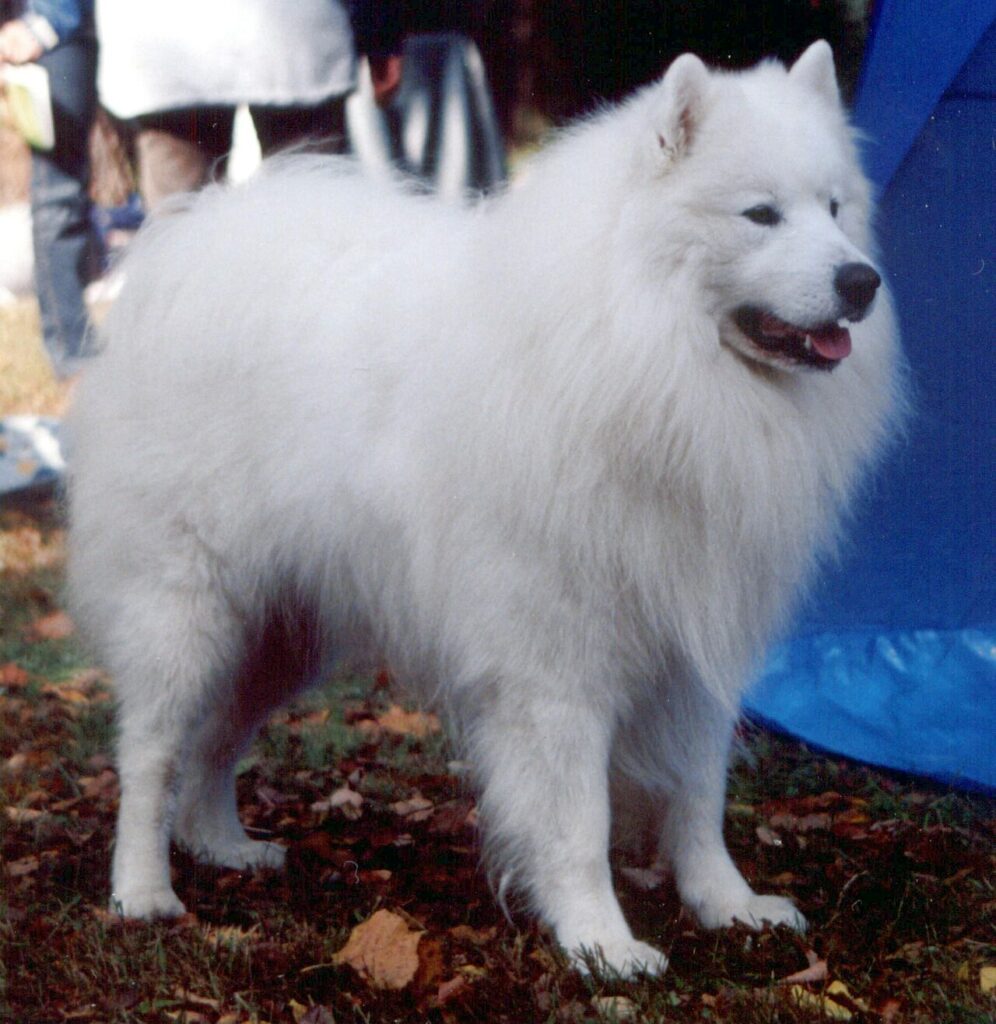
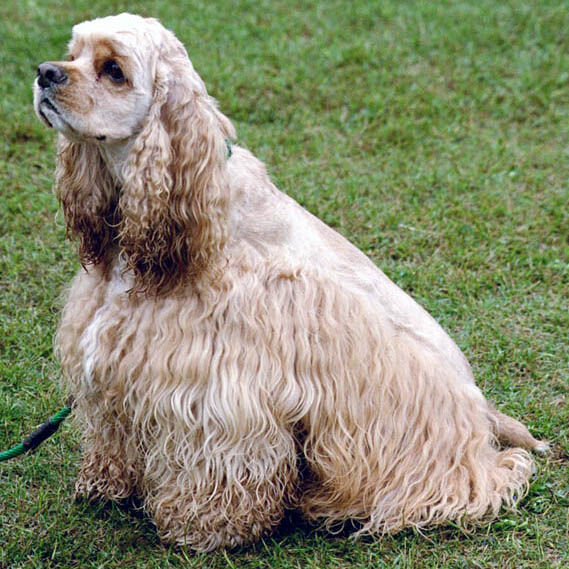
- Samoyedo and Cocker Spaniel are among the breeds with hereditary glomerulopathies (filtration membrane diseases) described in the veterinary literature.
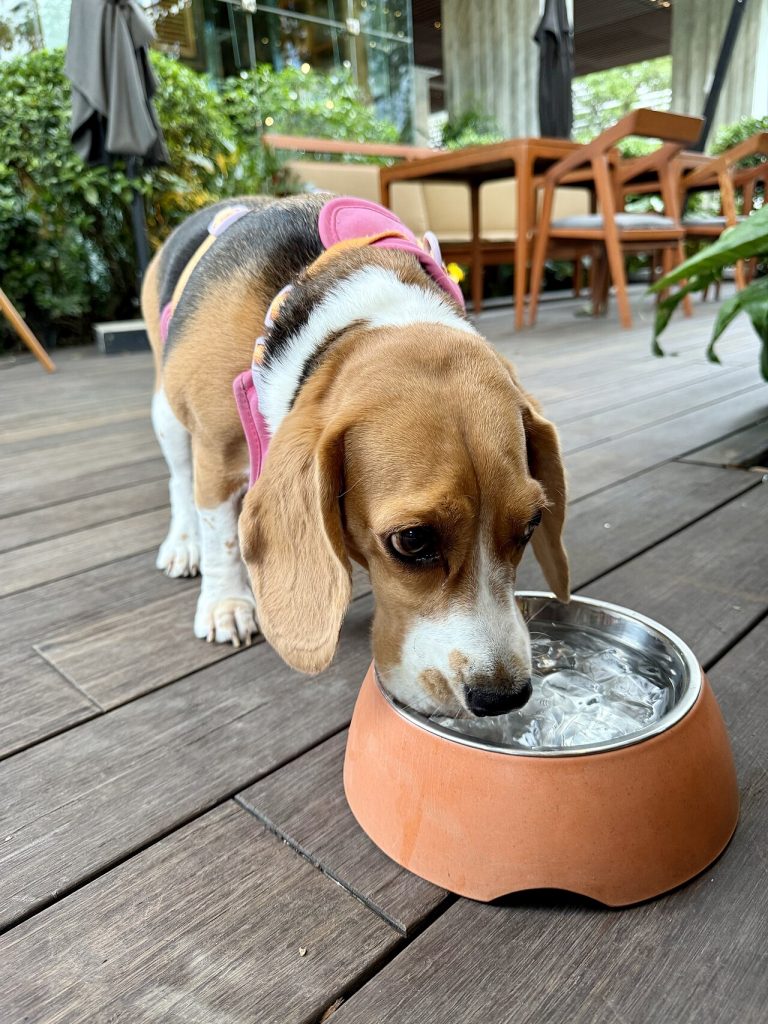
- Beagle is also associated with familial forms of amyloidosis in some sources.
- Dogs of large and giant breeds such as Boyer of Bern or Golden Retriever may be affected by family-based nephropathies as appropriate.
If you have one of these breeds, or a dog older than 7 years, don’t get obsessed: just talk to your vet to evaluate an annual kidney check-up.
How to diagnose: analytics and IRIS stages
Diagnosis is based on simple and well-established tests.
- Blood work. Creatinine, urea (BUN) and increasingly SDMA, a marker that can be elevated before creatinine and detect damage earlier, are also checked for phosphorus, potassium and hematocrit.
- The urine test. Urinary density, the presence of protein (protein to creatinine ratio) and possible infections provide a lot of information about how the kidneys are working.
- Blood pressure. Hypertension is common in these dogs and should be controlled.
- Ecografía. helps to see the size and structure of the kidneys and to rule out specific causes (stones, blockages, tumours).
Based on these data, many veterinarians use the IRIS(International Renal Interest Society) classification, which divides chronic kidney disease into four stages based on creatinine and SDMA, with subclassification by proteinuria and blood pressure.
| The IRIS Stadium | The general situation | What it usually involves |
|---|---|---|
| Stage 1 | Kidney damage with little waste retention | Usually asymptomatic; detectable by analysis or testing |
| Stage 2 | Mild loss of function | Start drinking/urinating more; better prognosis the sooner it is handled |
| Stage 3 | Moderate loss | Clearer symptoms; requires active treatment |
| Stage 4 | Forward loss | Marked signs (uremia); reserved prognosis and intensive management |
The important message: the lower the stage at diagnosis, the greater the margin to slow the progression and keep your dog well for years.
What You Can Do: Actionable Tips
Chronic kidney disease is not curable, but it’s managed, and part of the management is in your hands.
- Water always available and fresh. Never restrict water to a dog that drinks a lot; it needs it to compensate.
- Specific renal diet. Veterinary diets for kidneys, with controlled phosphorus and protein (high-quality protein, not just “low”), are the most evidence-based nutritional measure to slow the progression.
- Check the match. Avoid bones, excess viscera and very high phosphorus snacks. If diet is not enough, the vet can add phosphorus chelators.
- Regular checks. Repeat analyses every few months allow timely adjustment of treatment. In older dogs or at-risk breeds, an annual kidney check-up is suggested even if they are fine.
- Grapes and raisins, certain human anti-inflammatories, antifreeze (ethylene glycol) and some medicines damage the kidney.
- Watch and write it down. keeps a little record of how much he drinks, eats and his mood.
With early diagnosis and this management, many dogs in the early stages maintain a good quality of life for quite some time. The prognosis worsens in the later stages, so the key is still to arrive early.
Common mistakes that worsen the prognosis
- I’ll take it all in my old age.“Because he’s older” makes many owners wait too long.
- Take the water off. because “drink too much”. It’s dangerous: you make dehydration worse and the problem worse.
- The balance of phosphorus and protein is delicate and easy to miss.
- Giving human medicines(ibuprofen, paracetamol, etc.) Several are nephrotoxic and dangerous to dogs.
- Skip the controls when the dog appears to be fine.
- Ignoring subtle cues like bad breath or slow weight loss, which are often the first real clues.
Frequently Asked Questions
What’s the first sign of kidney failure in a dog?
The most common is that he starts drinking more water and urinating more and more frequently. It is usually the first thing owners notice, although kidney damage has been progressing for some time when it appears. Other early signs are slow weight loss, bad breath and less appetite or energy.
Can kidney failure be cured in dogs?
The chronic form is not curable, because damaged kidney tissue does not regenerate; the goal is to slow its progression and maintain quality of life with diet, phosphorus control and checkups. The acute form, on the other hand, is sometimes reversible if the cause is treated early. Only your veterinarian can assess each case.
At what age should I start worrying?
Chronic kidney disease becomes more common from the age of 5-7 years, so from that age onwards a periodic blood and urine test is highly recommended.
What should a dog with kidney problems eat?
Veterinary kidney diets, with controlled phosphorus and high-quality protein in moderate amounts, avoid bones, excess viscera, and high-phosphorus snacks, don’t change your diet or make homemade recipes without your veterinarian’s supervision, because the balance is delicate.
Is it normal for a dog with a kidney to drink a lot of water?
Yes, excessive thirst is a typical sign because damaged kidneys concentrate urine worse and the body loses more water. That is precisely why you should never restrict water: you need it to compensate. Always have fresh water available and discuss the change in consumption with your veterinarian.
How long can a dog with kidney disease live?
It depends a lot on the stage at which it is diagnosed and how well it is managed. In the early stages, with proper diet and controls, many dogs live well for years; in advanced stages the prognosis is more reserved.