I think, BARF diet or homemade food: what’s good for your dog
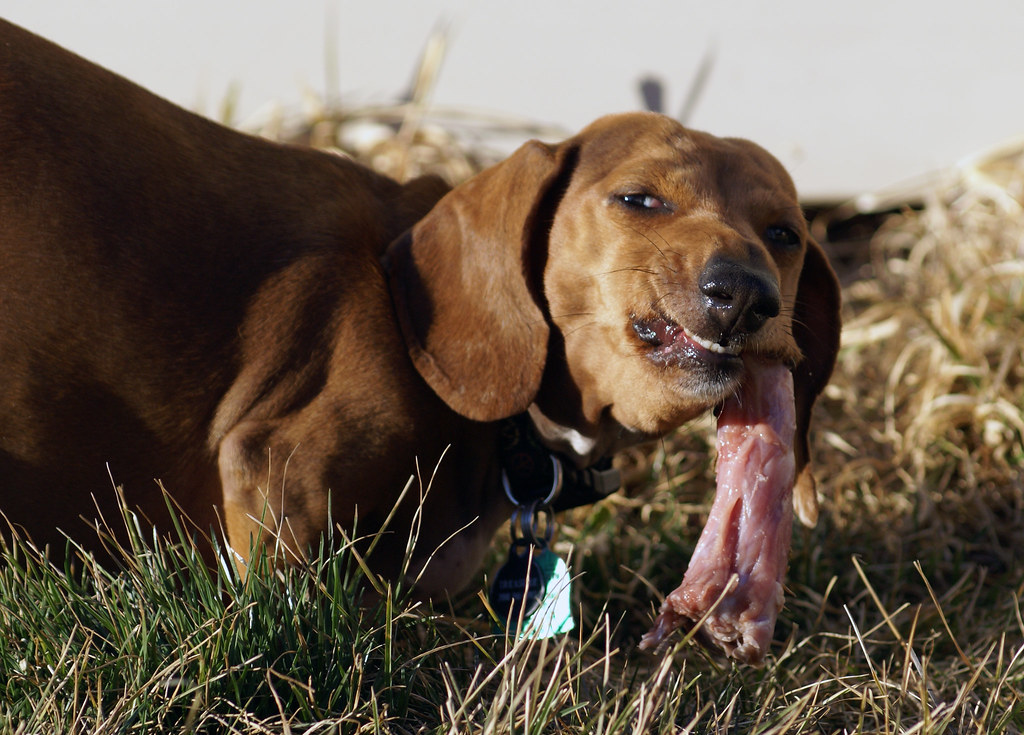
If you live with a dog, sooner or later you’ll ask yourself the big question: Think or BARF?, or maybe homemade food? The debate is everywhere: In the park, in nets, in the vet’s waiting room. And there’s a lot of noise: From the one who says the feed is “junk food” to the one who paints the raw diet like Russian roulette. The reality, as is often the case, lies in the nuances. In this guide, we compare the three options with data from solvent veterinary sources (FDA, AVMA, WSAVA, University of California-Davis), so you can decide wisely and not by fads.
I think, BARF and homemade food: what is each thing
Before we compare, let’s clarify terms, because they get mixed up a lot:
- Pineapple (extruded dry food): high temperature cooked croquettes formulated to be ‘complete and balanced’, i.e. to cover on their own all the dog’s nutritional needs according to FEDIAF (Europe) or AAFCO (USA) standards.
- Dieta BARF: stands for Biologically Appropriate Raw Food(“biologically appropriate raw food”), popularized in the 1990s by Australian veterinarian Ian Billinghurst. It is based on raw meat, fleshy bones, viscera and a small portion of fruits and vegetables.
- Homemade food: home-made rations with fresh but cooked ingredients, ideally following a recipe formulated by a veterinary nutritionist, with the necessary supplements.
The key nuance: i think or BARF is not a fight between “bad industrial” and “natural good”. It’s a choice between feeding systems with distinct advantages and risks, depending on your dog, your home and your discipline.
I think: what it offers and where it slackens
Feed is the majority choice for reasons of weight, not just convenience.
Real benefits of feed
- Nutritional balance is guaranteed: a ‘complete’ feed must meet the nutrient profiles of FEDIAF or AAFCO. The WSAVA (World Association of Small Animal Veterinarians) specifically recommends checking that ‘complete and balanced’ statement on the label when choosing a feed.
- Microbiological safety: high temperature cooking eliminates pathogenic bacteria such as Salmonella or Listeria.
- Comfort and conservation: is easy to dosage, store and transport, ideal if you’re traveling or if other people are looking after the dog.
- Coste: is generally the most economical option per calorie, especially in large dogs.
- Scientific support: the major manufacturers perform feeding tests and quality controls that no home diet can replicate at an individual level.
Where it slackens
- Very variable quality:“I think” ranges from excellent products to mediocre ones.
- Low humidity: some dogs drink little and appreciate diets with more water, or mixing feed with wet food.
- Palatabilidad: There are dogs, especially small and selective like the Chihuahua or the Yorkshire Terrier, which are difficult to get excited about croquettes.
The BARF diet: what it promises and what the science says
Those who eat with BARF usually describe visible improvements: brighter hair, smaller and firmer stools, more enthusiasm when eating. These are frequent observations and there is no reason to doubt them, but let’s be honest: the scientific evidence supporting the long-term health benefits of raw diets is, at present, sparse.. Most of the proclaimed benefits have not been confirmed in rigorous studies, while the risks are well documented.
The two documented risks
- Bacterial contamination: in a US FDA study of 196 commercial raw pet food samples, 15 tested positive for Salmonella and 32 for Listeria monocytogenes, whether or not inhaled. For this reason, agencies such as the FDA, the CDC, and the AVMA (American Veterinary Medical Association) advise against raw diets. The eye: the dog may not get sick and still excrete bacteria in feces and saliva, which is a real risk in households with small children, pregnant women, elderly people or immunocompromised people.
- Nutritional imbalances include: poorly formulated homemade raw diets tend to fail in the calcium/phosphorus ratio and in vitamins such as D or E. In a growing puppy, especially of giant breeds like the Gran Danés, a calcium imbalance can cause serious and irreversible bone deformities.
What about the bones?
Raw fleshy bones are a central part of the BARF model, but they are not harmless: they can fracture teeth, cause digestive obstructions or perforations, and episodes of severe constipation.
Can you do BARF “right”?
Yes, with conditions: prescription by a veterinary nutritionist, trusted suppliers, pre-freezing, strict hygiene of surfaces and bowls, and regular testing. There are also full commercial BARF options that comply with FEDIAF and even treatments such as high pressure (HPP) to reduce bacterial load. This reduces risks, although it does not eliminate them completely.
Home-cooked food: the third way
Homemade cooking combines the best of both worlds: fresh ingredients and total control, without the bacterial risk of raw. It is especially useful in dogs with food allergies – common in breeds like the Bulldog Francés– or with diseases that require very specific diets.
But there’s a huge catch: improvising recipes. A University of California-Davis study published in 2013 analyzed 200 homemade dog food recipes from books and websites (many written by veterinarians) and found that 95% were deficient in at least one essential nutrient and 83% in several. Only 9 of the 200 met the minimum standards for adult dogs, and the only consistently correct prescriptions were those formulated by certified veterinary nutritionists. The most common deficiencies – choline, vitamin D, zinc, vitamin E – are not seen overnight: They pass the bill quietly for months or years.
The practical conclusion is simple: homemade food yes, but with professional prescription and prescribed supplements, not with the chicken and rice recipe that came out on a forum.
Rapid comparison table
| Criteria to be met | I think | The BARF diet | Home cooked |
|---|---|---|---|
| Nutritional balance | Guaranteed if it is ‘complete’ (FEDIAF/AAFCO) | High risk if not formulated by a professional | High risk without professional prescription |
| Microbiological safety and health | High | Low: risk from Salmonella, Listeria, E. coli | High (cooked) |
| Preparation time | Minimum | Stop it ! | Stop it ! |
| Coste | Low-medium | Medium to high | Medium to high |
| Palatabilidad | Variable | Very high | Very high |
| Suitable for at-risk households (children, immunocompromised) | Yes, you did. | Not recommended | Yes, you did. |
How do you decide based on your dog?
There is no one-size-fits-all answer, but there are clear criteria for your particular case:
- Growing puppies: maximum caution. The margin of nutritional error is minimal, especially in large and giant breeds such as the Great Dane, the San Bernardo or the Bernese Boyero.
- Dogs that are gluttonous and tend to be overweight, like many Labrador Retriever or Beagle: more important than the type of diet is to control calories and rations.
- Dogs with delicate digestion, something common in Pastor Alemán: abrupt dietary changes make them feel especially bad. Whatever your choice, the transition should be very gradual and with veterinary monitoring.
- Dogs with allergies or chronic diseases: home cooked diets formulated by a veterinary nutritionist, or specific veterinary diets, are usually the best tool.
- Your home: if there are small children, pregnant women, elderly people or immunocompromised, raw is not recommended because of the risk of bacterial infection, no matter how healthy the dog is.
- Your time and budget: BARF and homemade require constant purchase, preparation, freezing and hygiene. If you can’t sustain it all year, a well-chosen feed is better than a half-baked homemade diet.
How to Make the Change Without Digestive Dramas
Whatever you decide, the change in diet is done gradually, in about 7-10 days:
- Días 1-3: 75% old diet + 25% new diet.
- Días 4-6: half and half, look at feces, appetite and energy.
- Días 7-9: 25% old + 75% new.
- Día 10: 100% new diet if all goes well.
If persistent diarrhoea, vomiting or apathy appear, slow down and consult the veterinarian.
Common Mistakes to Avoid
- Copying prescriptions from the Internet without professional supervision: is the most common error and the one that explains 95 percent of the faulty prescriptions in the UC Davis study.
- Give boiled bones: splinters and can puncture the digestive tract.
- Going from everything to nothing in one day: abrupt changes in diet cause diarrhea and rejection.
- Neglect of hygiene with crude: boards, bowls and hands should be washed as if you were cooking raw chicken for yourself, because the risk is the same.
- Do not adjust calories: changing your diet is no substitute for weight control, ask your vet for your dog’s ideal body condition and weigh the rations.
- Supplement to eye: both defect and excess (e. g. hypervitaminosis A due to liver abuse) cause serious problems.
- Do not tell the veterinarian: whatever your choice, your vet needs to know what your dog eats to interpret analytics and prevent deficiencies.
Frequently Asked Questions
Which is better, think or BARF?
There is no universal winner. Whole food provides guaranteed nutritional balance and microbiological safety with minimal effort; the BARF diet may work well, but it requires professional formulation, strict hygiene and assuming a bacterial risk that agencies such as the FDA and AVMA deem avoidable. For most households, good feed is the safest option; well-made BARF is viable for highly committed carers with veterinary supervision.
Can I mix feed and natural food in the same ration?
There is no evidence that mixing is harmful in itself; the idea that “digest at incompatible rates” is a widespread myth. The real problem is mathematical: If you add too much fresh food to a complete feed, you throw out the ration and add calories. As a general rule, supplements should not exceed 10% of daily calories; for larger proportions, ask your veterinarian for a guideline.
Is the BARF diet safe for puppies?
It’s the most risky stage. An imbalance of calcium and phosphorus during growth can cause irreversible bone deformities, especially in large breeds. In addition, the puppy’s immune system is immature against pathogens such as Salmonella. If you still want to feed a puppy raw, do so only with a diet formulated by a veterinary nutritionist and frequent check-ups.
Can I give my dog bones?
Cooked bones, never: they chip and can perforate the digestive system. Raw fleshy bones, typical of the BARF model, also have risks (tooth fractures, obstructions), so they should be appropriate to the size of the dog, always given with meat around and under supervision.
Is home-cooked food healthier than feed?
It can be if it’s formulated correctly, but it’s not by default. The UC Davis study that analyzed 200 homemade recipes found nutritional deficiencies in 95 percent of them. A homemade diet only outperforms a good feed when it’s designed by a veterinary nutritionist, followed the quantities per gram, and included the prescribed supplements.
How do I change my dog’s diet without making him feel sick?
Gradually for 7-10 days: start by replacing 25% of the feed with the new diet and increase the proportion every 2-3 days, monitoring feces, appetite and energy. If persistent diarrhoea or vomiting appear, return to the previous step and consult the veterinarian. In dogs with sensitive digestion, extend the process to two to three weeks.