Fleas, ticks, and leishmania – protect your dog from parasites
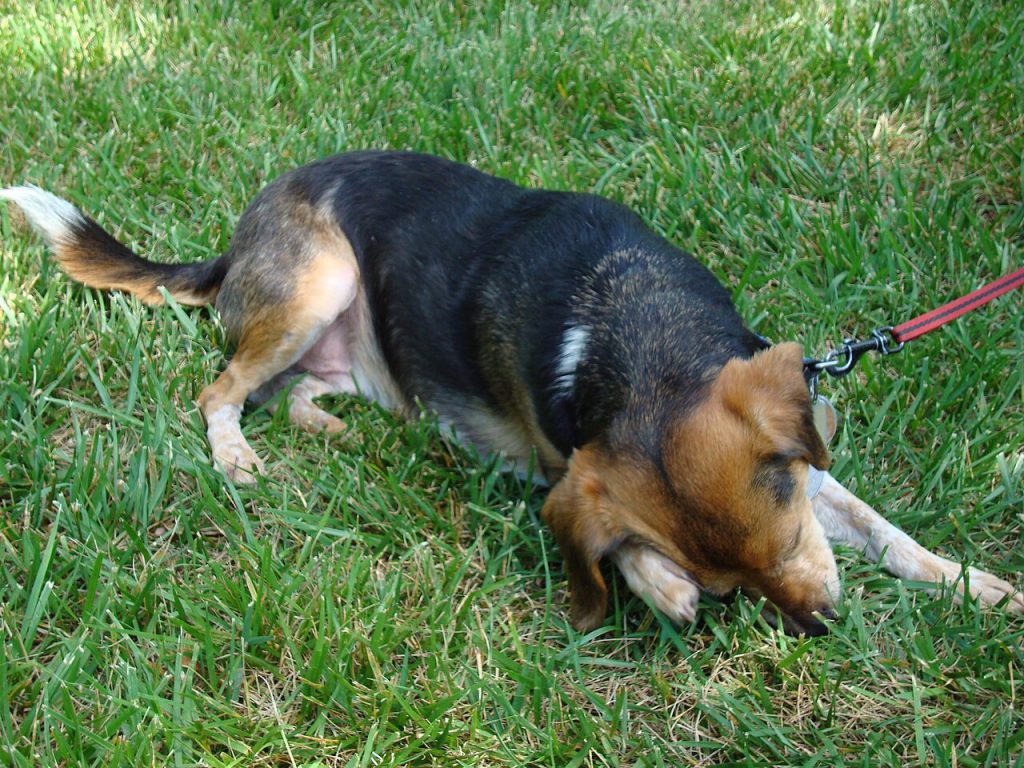
Occasional scratching is normal, but when your dog keeps biting the base of his tail, a black dot moves through his hair, or a hard ball sticks to his skin after a walk, things change. parasites in dogs is not just an aesthetic nuisance: fleas, ticks and phlebotomists (the mosquito that transmits leishmania) can cause anything from unbearable allergies to serious diseases affecting the blood, organs and, in some cases, even people in the home. The good news is that almost anything can be prevented with a simple, consistent plan. We’re going to take it step by step, without alarmism but without leaving us anything important.
Fleas – Small but Very Problematic
Fleas are the most common external parasite, and while they may seem harmless, they cause far more problems than you might imagine. A female can lay dozens of eggs a day that fall to the floor, carpets, couch, or dog bed. Its life cycle passes through egg, larva, pupa and adult, and is completed in about 2 to 4 weeks depending on temperature and humidity. This means that the fleas you see on your dog are just the tip of the iceberg: Most of the population (eggs, larvae and pupae) are scattered around your house waiting for the time to hatch.
When a single bite triggers an allergy
The most common problem is not the bite itself, but the reaction to it. allergic dermatitis caused by flea bites (ADPP) is an immune response to flea saliva proteins. The striking thing is that an allergic dog needs only one bite every 10-14 days to maintain the itch. Typical signs are severe scratching, biting, and crusty lesions on the lower back, base of the tail, and inner thighs. In dense-haired, double-coated breeds like the Husky Siberiano or Samoyedo, it is harder to spot fleas among so much fur, so often the first warning is precisely the itch.
Fleas and tapeworms – A Surprising Connection
There’s a detail that a lot of tutors don’t know: The flea is the intermediate host of Dipylidium caninum, whether or not refined, the most common dog tapeworm. When the animal grooms and swallows an infected flea, that internal parasite can eventually take up residence in its intestines. That’s why flea control and internal deworming go hand in hand: Neglecting one favors the other. If you see anything resembling rice grains around your dog’s anus or in his feces, notify your veterinarian.
Ticks: Those that transmit serious diseases
If the fleas are annoying, the ticks are directly dangerous so they can inoculate when feeding.
- Ehrlichiosis:, caused by the bacterium Ehrlichia canis, is considered one of the most serious tick diseases, with intermittent fever, apathy, weight loss, anemia and low platelet counts.
- Babesiosis: a parasite attacks red blood cells and destroys them. A characteristic sign is very dark urine and yellow mucous membranes due to increased bilirubin.
- Otras: anaplasmosis, hepatozoonosis and rickettsiosis complete the table, some of which have zoonotic potential (can also affect humans).
Ticks hide in areas of high vegetation and in the fur they usually look for warm and poorly ventilated corners: inside and behind the ears, the neck, between the fingers and in the armpits. Cocker Spaniel Basset Hound Beagle
How to Remove a Ticket Properly
Removing a tick properly is just as important as detecting it, because doing it wrong increases the risk of the tick releasing its contents into the dog.
- Use a special tick-extracting forceps (available at any pet store or veterinary pharmacy) and hold it as close to the skin as possible.
- Pull firmly and steadily, without squeezing the body of the parasite and without pulling sharply, so as not to leave the head stuck.
- Disinfect the area afterward and monitor those days for inflammation.
- If you don’t feel up to it or the tick is too embedded, go to the vet.
And above all, forget about home remedies: neither oil, nor liquor, nor burn it, nor crush it. Those methods make the tick regurgitate and multiply the risk of transmitting disease. The less time you spend hooked, the better, so checking after each walk is your best ally.
Leishmania: the phlebotomic parasite
Leishmaniasis deserves its own section because in Spain it is an endemic disease and its prevention has its peculiarities. It is transmitted by the female phlebotomy, a tiny mosquito that feeds on blood and, when biting an infected dog and then a healthy one, passes the parasite Leishmania infantum.
It’s important to be honest: the leishmaniasis there ‘s no definitive cure .. With early diagnosis and proper treatment it can be controlled and the dog can maintain a good quality of life for years, but it is a disease that will accompany it. The most common symptoms are skin shape (dandruff, crusts, loss of hair around the nose, eyes, ears and joints, and very fast-growing nails) and visceral shape (weight loss, apathy, kidney problems). At any of these signs, veterinary consultation is mandatory.
How to Reduce Risk
Prevention is based on several mutually reinforcing pillars:
- Antiparasitics with a repellent effect: specific collars and pipettes that scare the phlebotomist away before it bites.
- Vacuna: can be part of a combined strategy, always evaluating the specific case with your veterinarian.
- Driving measures: the phlebotome is most active in the hours of low light. Avoiding walking through areas with a lot of vegetation at dawn and dusk in the warm months reduces exposure.
Phlebotomy is usually active between late spring and early autumn (approximately May to September), although climate change is extending this period.
The internal parasites you don’t see
In addition to those that are visible to the naked eye, there are internal parasites that can go unnoticed until they show their face.
- Intrauterine worms: worms (nematodes) and tapeworms (bastoids) affecting digestion, weight and coat.
- For the purposes of this Regulation, the following definitions shall apply: is transmitted by mosquitoes and adult worms that lodge in the heart and pulmonary arteries. It’s difficult to treat once it’s installed, so in hot areas monthly prevention is key.
For intestinal worms, the diagnosis is made by microscopic analysis of feces; for heartworms, a specific blood test is required. As a general guideline, specialists recommend disinfecting your dog internally at least 4 times a year, although your veterinarian will adjust the guideline according to your dog’s lifestyle (contact with children, access to the countryside, travel, etc.).
Your year-round pest control plan
The key is not to react when there’s already a problem, but to prevent constantly.
| Front | What to do | Every once in a while |
|---|---|---|
| Fleas and ticks | Pipette, collar or tablet depending on the product | All year round (monthly or by product duration) |
| Leishmania | Repellent collar/pipet and, where appropriate, vaccine | Phlebotomy season or all year round in endemic zone |
| Insects and larvae | Oral internal deworming | At least 4 times a year |
| Heartworm | Specific prevention | Monthly in risk areas |
| Review of the coat | Comb and feel for parasites | After every walk in the country |
Actionable tips to make the plan really work:
- This is the most common failure: protection expires without you noticing.
- Do not mix products on your own or use human or cat antiparasitics on your dog.
- It also treats the environment by frequently washing the dog’s bed at high temperatures and vacuuming carpets and corners to remove flea eggs and larvae.
- A pipette designed for a Pastor Alemán does not work for a small dog, and vice versa.
- Take advantage of the annual review to request a full parasite check and update the plan.
Common Mistakes to Avoid
- Protect only in the summer. With milder and milder winters, fleas and ticks remain active much of the year.
- Trust only what you see. Just because you don’t see fleas doesn’t mean there aren’t eggs and larvae in the house, or that your dog is free of internal parasites.
- Remove ticks with home remedies. Oil, alcohol or fire increase the risk of transmission.
- Skip the doses. A month without protection is an open window for disease.
- Automedicar. Every dog, area and lifestyle needs a different plan.
In the end, protecting your dog from parasites is a matter of routine rather than effort. A good antiparasitic on time, a walk-through check-up, and a vet’s visit when something goes wrong are all enough to keep your companion enjoying the countryside, the couch, and life unscathed.
Frequently Asked Questions
Can I prevent leishmaniasis 100% of the time?
There is no absolute protection, but combining repellents (collar or pipette), the vaccine when the veterinarian considers it appropriate and avoiding walks at dawn and dusk in vegetated areas greatly reduces the risk.
How often do I have to deworm my dog?
For internal parasites, the general recommendation is at least 4 times a year, but may be more frequent depending on lifestyle. For fleas and ticks, continuous protection throughout the year is ideal. Your veterinarian will adjust the guideline to your case.
Can dog parasites infect people?
Some do.Some diseases transmitted by ticks and certain intestinal worms are zoonotic in nature, i.e. they can also affect people.
I found a tick, should I get rid of it or go to the vet?
You can remove it at home with a tick-extracting forceps, holding it tightly to the skin and pulling it firmly and straight, without pulling or using oil or fire. If it’s too embedded, you can’t get it out whole or you don’t feel safe, go to the vet.
My dog won’t go out in the field, does he need antiparasitics?
Yes. Fleas can get into the house on clothes or shoes, mosquitoes and phlebotomists fly up to balconies and terraces, and indoor parasites also affect urban dogs. The risk is low, but not zero, so prevention is still recommended.
Does the same product work for fleas, ticks and leishmania?
Some products cover several fronts at once, but not all protect against leishmania phlebotoma, which needs a specific repellent.