Dietas hipoalergénicas para perros: cuándo y cómo usarlas
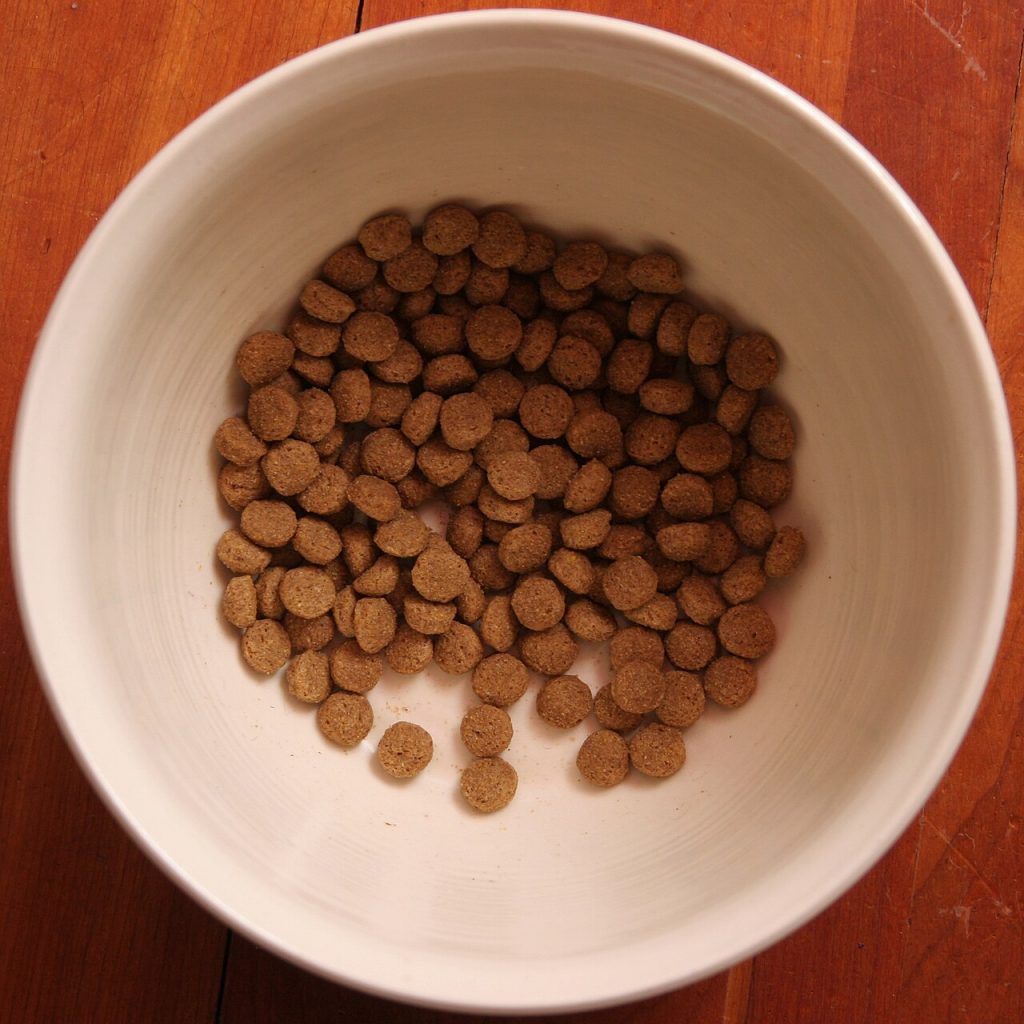
Your dog won’t stop scratching, licking his paws till they turn red or chaining one ear infection after another… and you’ve already tried antiparasitics, shampoos and a thousand other things. If it rings a bell, it’s very likely someone has told you about the hypoallergenic diet for dogs. It’s a great tool, but only if you use it when you play and how you play it: Most failures are not the fault of the feed, but of how the test is done. In this guide, we tell you, using data from real veterinary studies, when a hypoallergenic diet makes sense, what types exist, and how to do the famous elimination diet without throwing away eight weeks of effort.
What a hypoallergenic diet is and isn’t
A hypoallergenic diet is a food formulated to minimize the likelihood that your dog’s immune system will react against any of its ingredients. In a food allergy, the “enemy” is almost always a protein: the body mistakenly identifies it as a threat and triggers inflammation, especially in the skin and digestive tract.
Here comes the first major warning: “Hypoallergenic” is not a regulated term. in the labelling of feed. Any brand can stamp that word on the bag without a legal standard to back it up. So there’s a huge difference between a “hypoallergenic” supermarket feed and a veterinary diet designed to diagnose and manage allergies. In fact, several studies have detected proteins not declared on the label in commercial over-the-counter feed (traces of chicken, beef or soya in products claiming not to carry it), enough to ruin a diagnostic test. With a veterinary diet, cross-contamination control is much stricter.
Cereals are not the main problem: as you will see in the table below, animal proteins (cow, dairy, chicken) cause far more allergies than wheat.
When to use: signs of food allergy
Food allergy is not the most common cause of itching in dogs; atopic dermatitis (environmental allergy to pollen, mites, etc.) and fleas are ahead.
- Itching that does not vary with the seasons: your dog scratches the same in January as in August. Environmental allergies tend to get worse in spring-summer; the food is the same all year round.
- Typical areas: legs (constant licking), face, armpits, wrist, perianal area and ears.
- Recurrent ear infections, especially if they affect both ears and come back again and again after treatment.
- Digestive signs and symptoms: chronic soft stools, more than three bowel movements a day, flashing gas, occasional vomiting.
- Start at any age, even in young dogs under one year of age, or in dogs that have been eating the same food for years.
And a key point that surprises many homeowners: there is no reliable blood, saliva or hair test to diagnose food allergy in dogs. Studies that have evaluated these tests conclude that their results are not consistent or helpful in choosing a diet. The only accepted diagnostic method in veterinary dermatology is elimination diet with subsequent provocation. That’s why the hypoallergenic diet isn’t just a treatment: It is, above all, a diagnostic tool.
The most common allergens in dogs (with data)
The most cited review on the topic (Mueller et al., 2016) analyzed the published cases of nearly 300 dogs with a confirmed adverse food reaction.
| Allergenic | % of dogs affected |
|---|---|
| Cattle (calf) | 34 % |
| Dairy products | 17 % |
| Chicken | 15 % |
| Wheat | 13 % |
| Soya | 6 % |
| Sheep | 5 % |
| Maize | 4 % |
| Eggs | 4 % |
| Pork, fish, rice | 2 % each |
Notice the detail: the top three are animal proteins found in the vast majority of commercial feed and prizes, which is why changing the brand almost never works: you change the packaging, but the chicken or beef is still there.
Types of hypoallergenic foods
1. hydrolyzed diet
The protein (often soybean, bird feather, or salmon) undergoes hydrolysis: it breaks up into fragments (peptides) so small that the immune system, in theory, no longer recognizes them as the original allergen.
Advantages: very useful when you don’t know what the dog has eaten throughout its life, and they are complete and balanced diets for long-term use.
2. novel protein diet
It consists of feeding the dog a source of protein and carbohydrate that i ‘ve never eaten: rabbit, horse, deer, duck, white fish, insect… combined with potato, pea or tapioca.
The practical problem is twofold: it is becoming increasingly difficult to find genuinely ‘new’ proteins (duck or salmon are already in many conventional feeds) and, as we told you earlier, over-the-counter feeds may contain traces of undeclared proteins.
Home elimination diet
A single new protein plus a single carbohydrate, cooked at home with nothing else. It is the option with the least risk of cross-contamination and the one that some dermatologists consider more reliable for diagnosis. In return, he demands discipline and, eye: an impromptu home diet is neither complete nor balanced. For a few weeks of testing on a healthy adult it is usually acceptable, but to maintain it over time (or in puppies) you need the supervision of a nutritionist veterinarian who formulates it correctly.
How to do the elimination diet step by step
This is where the game is won or lost.
- Go to the vet first. Before blaming food you have to rule out fleas, scabies, bacterial infections or yeast… starting a diet with an active pyoderma without treatment only creates confusion.
- Take a full dietary history. records everything your dog has eaten in his life: feed, cans, prizes, bones, supplements.
- Feed ONLY the chosen diet for 8 weeks(the usual range is 8 to 12; some dogs get better sooner, but studies show it takes up to 8+ weeks to catch more than 90% of food allergies).
- Eliminate everything else: rewards, leftovers, chewable teeth, flavored medication (ask for alternatives to the vet!), and even the cat’s bowl if you get to it.
- It records evolution. A weekly note from 0 to 10 of itching, photos of affected areas, number of bowel movements.
- Stage of provocation: if it has improved, the old diet is reintroduced. If the itching returns (usually between a few hours and 14 days), the food allergy is confirmed. This step gives laziness, but it is what turns a suspicion into a diagnosis.
- Identify the culprit (optional but recommended): reintroduces ingredients one by one (chicken 2 weeks, then veal, etc.) to know exactly what to avoid and be able to choose more varied and cheap diets in the long term.
Common Mistakes That Ruin the Test
- The “doesn’t count” award. A slice of ham a day is enough to keep the allergic reaction active.
- The skin takes a long time to de-inflamed, so quitting before 8 weeks is the number one cause of false failures.
- Testing with over-the-counter feed. Real risk of undeclared traces. For subsequent maintenance it may be useful; for diagnosis, better veterinary or home based diet.
- Just switch brands or go grain-free. If the allergen is chicken, a grain-free chicken won’t fix anything.
- Grandpa who gives cookies under the table has ruined more elimination diets than anyone I know.
- Skip the provocation. without it you don’t know if it improved by diet or by another factor (end of pollen season, new antiparasitic…), and you can condemn your dog to an expensive diet for life without need.
- Current scientific evidence does not support them: there are studies where these kits “diagnosed” allergies in stuffed animal samples.
Are there breeds more prone to food allergies?
Any dog can develop an adverse reaction to food, but in veterinary dermatology some breeds appear more frequently in consultation for allergic problems in general. This is the case of the Westie, one of the classics of allergic dermatitis, of the Labrador Retriever and the Golden Retriever, or of breeds with especially delicate skin such as the Bulldog Francés and the Shar Pei. Pastor Alemán is also among the breeds cited with a predisposition to adverse food reactions.
Of course, take it as a probability, not a destiny: racial predisposition in food allergy is far less proven than in atopy, and a half-breed can be as allergic as any purebred dog.
In summary
The hypoallergenic diet is the best tool available to diagnose and control food allergy in dogs, but it requires method: correct choice of diet type (hydrolyzed, new protein or homemade formulated), 8 weeks of absolute discipline and a provocation phase confirming the diagnosis. Always do it with your veterinarian’s hand: You’ll save yourself money, months of itching and more of a headache. And he’s wary of shortcuts: Neither saliva tests nor the “hypoallergenic” supermarket substitute for a well-executed elimination diet.
Frequently Asked Questions
How long does a hypoallergenic diet take to take effect?
Digestive symptoms usually improve in 2-3 weeks, but skin symptoms (itching, redness, otitis) can take between 6 and 12 weeks.
Do blood, hair, or saliva tests help diagnose food allergies?
No. Published studies show that these tests are not reliable for diagnosing food allergy in dogs or for choosing a diet. The only accepted diagnostic method is the 8-12 week elimination diet followed by a provocation with the previous food.
Is grain-free feed hypoallergenic?
Not necessarily. The most common allergens in dogs are animal proteins: beef (34%), dairy (17%) and chicken (15%), ahead of wheat (13%).
Can I give you rewards during the elimination diet?
Only those compatible with the test: pieces of your own diet, or prizes of the same hypoallergenic range as your vet recommends. Any other prizes, leftovers or flavored medication can keep the allergic reaction active and invalidate the 8 weeks of effort.
Is the hypoallergenic diet for life?
Depends. If after the provocation phase you identify the culprit, just avoid it: your dog can eat any quality diet that does not contain it. If you do not identify it, many dogs remain indefinitely on the hypoallergenic diet they are fine with, which is complete and safe for long-term use.
Can I make a homemade hypoallergenic diet?
For the trial phase (a few weeks), a home diet of just one new protein and one carbohydrate may even be the most reliable option.