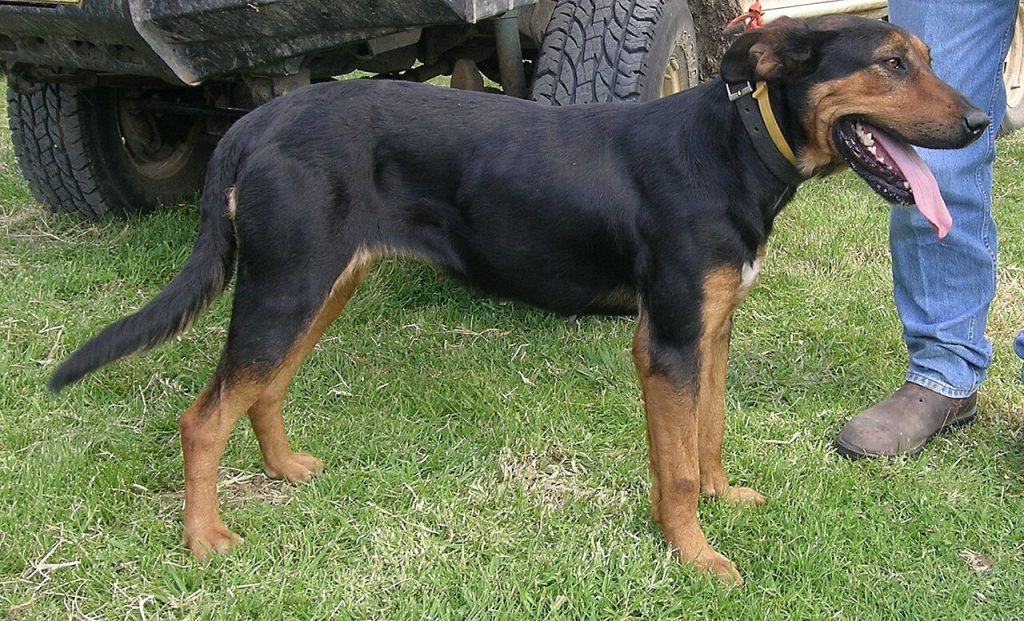
The Huntaway is a large, loud, noisy sheepdog native to New Zealand, bred for one purpose: moves large flocks of sheep across steep terrain using its deep, sustained barking. It’s not a beauty dog or a saloon dog: It ‘s a race defined by what to do knows . If you’re looking for a tireless, intelligent companion with almost limitless energy, and you can give him a real job, the Huntaway is one of the most impressive working breeds out there. But it’s good to know what you’re getting into before you fall for him.
Is the Huntaway for you?
The Huntaway is a pure working sheepdog. It was selected for over a century solely for its ability to move sheep by barking, not for its appearance or suitability as a pet. In fact, the New Zealand Shepherd Dog Association itself advises against keeping it solely as a companion dog. This does not mean that he cannot live with his family, but he does need plenty of physical and mental activity. Before you decide, honestly weigh these pros and cons.
In favour .
- Exceptional intelligence and enormous capacity for learning.
- Endurance and energy almost inexhaustible for sport and work.
- Very loyal and attached to his guide; enjoys cooperating.
- Simple coat, low maintenance.
- Healthy and rustic, with few blemishes if you come from lines of work.
- Excellent for herding, canicross, agility, obedience and scent work.
Against
- It barks loudly and loudly: it was bred for just that.
- He needs hours of intense exercise daily; he is frustrated without work.
- Not suitable for small apartments or sedentary owners.
- He can develop destructive behaviors if he gets bored.
- Rare breed outside New Zealand: hard to come by.
- There is no fixed standard of size or color; there is much variability.

Character and temperament
The Huntaway combines remarkable intelligence with a willingness to work tirelessly. It is an alert, self-confident dog and highly motivated to cooperate with its guide, qualities that make it a first-rate shepherd and a quick learner in any canine discipline. Their character is balanced and sociable, more friendly and less “controlling” than other herding dogs, as their job is to push the herd from behind and not stare at the sheep.
The hallmark of the house is her voice. The Huntaway was specifically selected for its deep, repetitive and sustained barking over long periods, with a brief break between barking and barking. This vocalization, essential in the New Zealand mountains to guide sheep that the dog cannot even see, results in a companion who tends to “talk” a lot. A bored or under-stimulated Huntaway can turn that gift into a barking problem that’s difficult to handle.
It’s a stable, low-aggressive, very people-oriented dog, but also intense, and it needs an active owner who understands that behind that kindness is an endurance athlete who expects to work every day.
Coexistence: children, other pets, flat and loneliness
With children: is generally tolerant, affectionate and patient, and its robust size supports play well. Like all large and energetic herding dogs, it is advisable to supervise play with small children to avoid pushes or the instinct to “drive” running.
With other pets: usually gets along well with other dogs, especially if bred with them, and works in teams with other herding dogs without problems. With cats and small animals it depends on early socialization; its instinct is for hunting, not for intense hunting, but it is advisable to present them with the head.
The On the floor: is not the best choice. The Huntaway needs space and, above all, a lot of exercise; its tendency to bark makes it not very compatible with apartment life and neighbours nearby.
In the face of loneliness: bad. It’s a dog that needs company, work and encouragement. Left alone for many hours and without activity, frustration leads to constant barking, wrecking and stress. It’s not a breed for those who spend the day outdoors.

Education and training
Training a Huntaway is, in general, a delight: it is one of the most intelligent and willing breeds in existence, it learns quickly and enjoys working with its guide.
The key is to channel his energy and barking instinct from a puppy. Positive reinforcement, short and varied sessions and giving him “a job” (even if it’s athletic) are the best recipe. You’d better teach him a restraining order soon, because a Huntaway that barks out of control is exhausting to live with. Early socialization with people, other dogs, and different environments completes solid training.
It is not a dog for first-time owners and sedentary: its brain and body need constant challenges. With a consistent and active guide, however, it is capable of learning almost anything.
Exercise and activity
Here’s why the Huntaway isn’t for everyone. It was bred to work full days herding sheep over steep mountains, covering enormous distances with extraordinary endurance. Moving into domestic life, that translates into several hours a day of intense exercise: it’s not enough to just take a quiet walk around the block.
Running, hiking, canicross, bike-joring, agility, obedience, smell work or ideally real shepherding: Any activity that combines physical effort and mental challenge is perfect for him. A well-tired Huntaway is a calm, balanced dog. An unspent Huntaway is a source of barking and behavioral problems. If your life doesn’t include outdoor sports every day, this is not your race.
Care: fur and hygiene
The Huntaway’s maintenance is simple, in line with its rustic nature as a working dog. Its coat can be smooth, semi-durable or somewhat rough, usually short or medium in length, and does not require hairdressing or special care.
Baths only when it’s really necessary, so the skin doesn’t dry out. As with any breed, the ears – especially for their tendency to drop – need to be checked and cleaned, the nails trimmed when they do not wear out on their own, and dental hygiene maintained. As a dog that is often active outdoors, it is important to check its pads and fur after field trips for ticks, spikes, or wounds.
Foodstuffs
The Huntaway is an endurance athlete, so its diet should be adjusted to a high level of activity. It needs a quality feed, with good protein and energy intake, normally divided into two daily intakes for a large dog.
It is advisable to monitor weight and physical condition: although it is a lean and active breed, an under-exercised and overfed Huntaway can gain weight. As with any large dog with a deep chest, it is wise to avoid intense exercise just before and after eating to reduce the risk of gastric torsion. Fresh water is always available, especially after days of activity.

Health and life expectancy
As a working breed selected for its function and not for its morphology, the Huntaway is generally a rustic and resistant dog, with a greater genetic diversity than many exposure breeds. Nevertheless, some hereditary diseases have been identified in the breed that are worth knowing: a possible predisposition to dilated cardiomyopathy, subaortic stenosis, mucopolysaccharidosis, dysplasia of the black hair follicle and foetal anasarca.
A serious breeder of lines of work, regular veterinary checks and an active lifestyle are the best prevention. Particularly dilated cardiomyopathy makes it advisable to pay attention to heart health. With good care, the Huntaway is a healthy and long-lived dog for its size; as a general guideline, large-sized herding breeds usually live around 12 to 14 years, although there is no official fixed figure for this breed as it is not standardized as a beauty dog.
Physical appearance
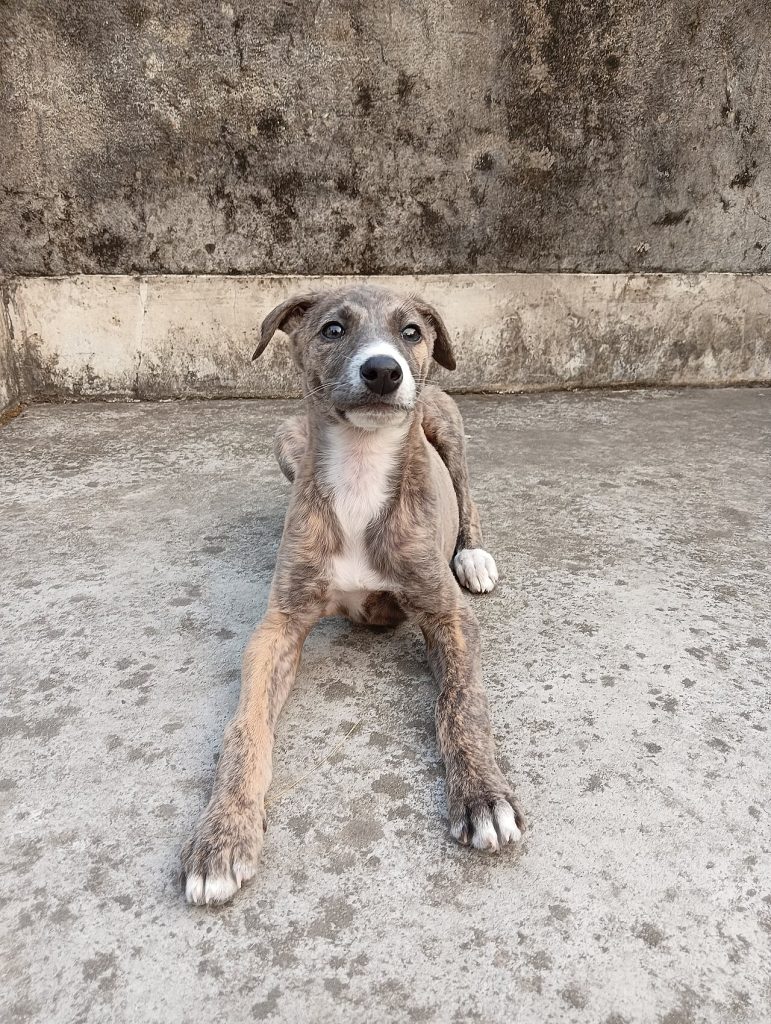
The Huntaway is a large, deep-chested dog, built for effort. Its weight is usually around 25 to 45 kg and its height is around 56 to 66 cm at the withers, although there is considerable variation because the breed was never selected for its appearance.
The coat can be smooth, rough or semi-hard, and the ears are usually fallen. It’s an athletic dog, with functional lines, no exaggerations: Everything in it responds to utility. It is precisely because of this enormous variability in size, color and type that the New Zealand herding test association considers that it should not be taken to exhibitions, as in a the ring the only thing that really defines the breed cannot be shown: their ability to work.
Origin and history
The Huntaway was born from the extreme conditions of livestock farming in the mountainous interior of New Zealand. The vast farms or stations of the high country, especially in the South Island, stretched over thousands of acres of rugged and often unfenced terrain, and required dogs capable of mustering for days over huge distances.
The British sheepdogs brought by the early settlers were almost always silent, but occasionally someone used the barking to guide sheep. This quality, very valuable on steep slopes where the dog disappears from view, was selected by crossing collies and other barking herding dogs with breeds that provided size, strength, and a steady, steady bark. The exact lineage is unknown, because the breed was defined solely by its ability to work.
The first documented references are from the late 19th century: In 1870 a herding trial with a specific class for Huntaways in the Upper Waitaki was already advertised, and in the 1880s advertisements for the sale of “huntaway sheepdogs” appeared in the Otago press. Throughout the 20th century the Huntaway was consolidated as a differentiated breed from the heading dog(the head dog, which works with the eye). In August 2013, the New Zealand Kennel Club officially recognized the Huntaway, the first time a canine breed of New Zealand origin was recognized.
Curiosities
- The Huntaway is the first breed of dog of New Zealand origin officially recognized by the New Zealand Kennel Club.
- The town of Hunterville on the North Island has a statue dedicated to Huntaway.
- In 2016 it was the second most registered breed in New Zealand, behind only the Labrador Retriever.
- Only dogs that win pasture trials can be enrolled in the New Zealand Sheep Dog Trial Association the studbook.
- Its barking is not a defect, but its main working tool: it was deliberately bred to “talk”.
- New Zealand shepherds guide these dogs over great distances by whistling and voice commands, since they often work out of sight of their guide.
If you are attracted to the intelligence and energy of herding breeds, you may also be interested in other great herd workers. Take a look at the Border Collie, probably the most intelligent herding dog in the world; the versatile Pastor Australiano; the classic Collie; or the versatile Pastor Alemán, all working dogs with a character and needs comparable to the Huntaway.
Frequently Asked Questions About the Huntaway
Is the Huntaway a good companion dog?
It may be for a very active and spacious family, but it was bred as a working dog, not as a pet. The New Zealand herding association itself advises against keeping it only as a companion dog. It needs a lot of exercise and mental stimulation to be balanced.
Why is the Huntaway barking so loud?
Because it was specifically selected for this. Its job is to move sheep by barking with a deep, sustained voice in terrain where it is not seen. That barking is its main tool, and it is best to teach it an early command to be silent to manage it at home.
How much exercise does a Huntaway need?
Many: several hours a day of intense physical activity combined with mental challenge. Running, long hiking, canicross, agility or herding are ideal. A short walk is not enough; without enough exercise, he develops barking and destructive behaviors.
How tall and how much does a Huntaway weigh?
It usually weighs between 25 and 45 kg and measures between 56 and 66 cm at the withers, although there is considerable variation because the breed was not selected for its morphology, but for its working capacity.
What color is the Huntaway?
The most common color is black and fire, sometimes with some white or tan, although other combinations may occur.
Is the Huntaway suitable for living in a flat?
It is not ideal. Its size, its high need for exercise and its tendency to bark make it unsuitable for apartment life. It feels much better in a house with land, preferably in the countryside.
What health problems does the Huntaway have?
Some hereditary diseases have been described in the breed, such as a possible predisposition to dilated cardiomyopathy, subaortic stenosis, mucopolysaccharidosis, dysplasia of the black hair follicle and fetal anasarca.
Is it easy to get a Huntaway out of New Zealand?
No. It is a rare breed outside of New Zealand, where it remains primarily a working farm dog. Outside the country it is difficult to find breeders, and almost always comes from livestock lines rather than companion lines.