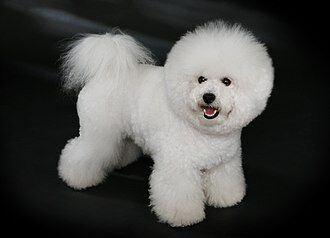
The Bichón Frisé is a small, white, curly-coated companion dog that looks like a stuffed animal with paws. Cheerful, affectionate and tireless, it was for centuries the pampered pet of the European courts and today is one of the most grateful roommates that exist. If you are looking for a sociable dog, of manageable size and very attached to his family, the Bichon Frise has many cards to fall in love with.
Is Bichon Frise for you?
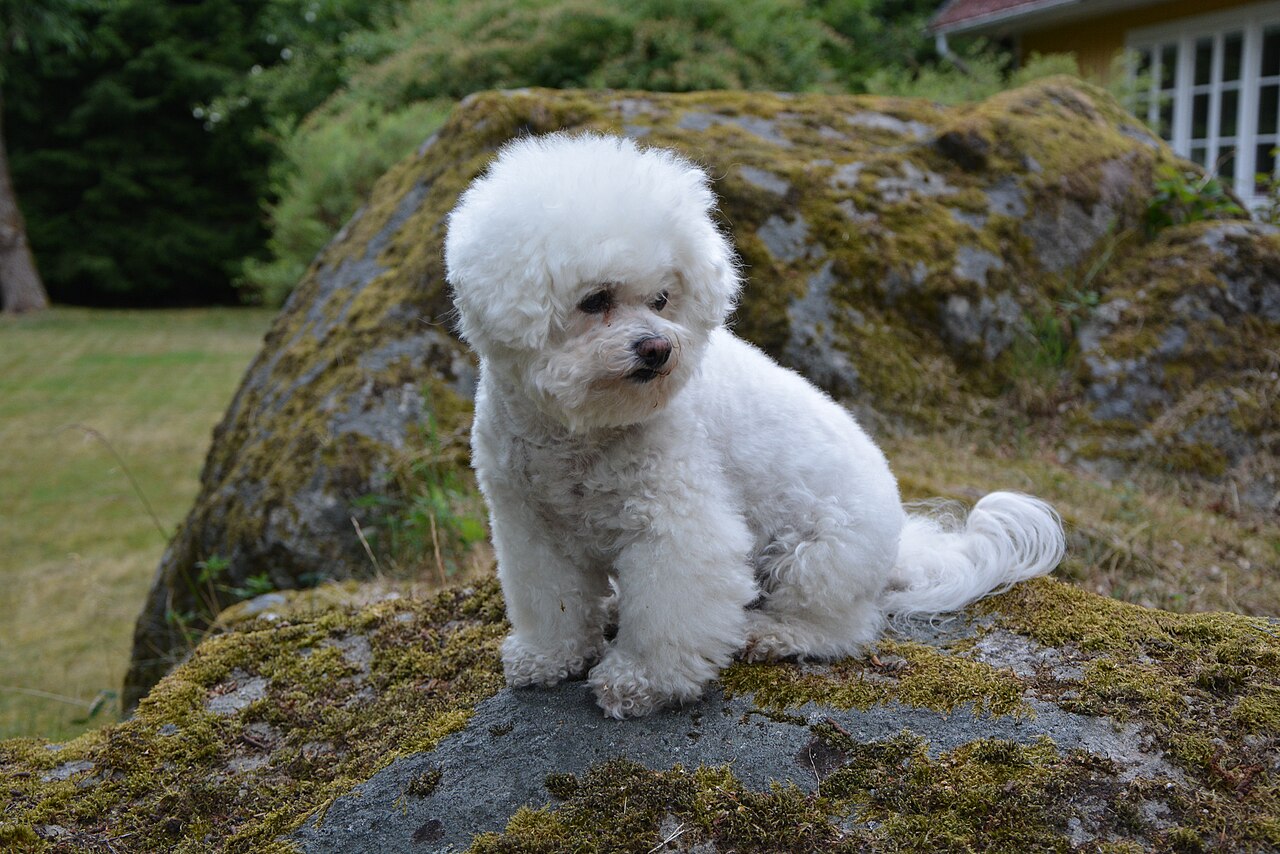
The Bichón Frisé is, above all, a companion dog designed to live attached to people. It is small, adaptable and very sociable, but it is not a “low-maintenance” dog: its curly coat requires routine brushing and hairdressing, and its very attached character makes it bear loneliness badly.
In favour .
- Loving and very close to his family.
- Small size, ideal for flooring.
- Sociable with children, strangers and other dogs.
- Hair that sheds very little hair.
- Cheerful, playful and easy to motivate.
- Good longevity for a pet.
To be taken into account
- He needs frequent brushing and a canine hairdresser.
- He suffers from loneliness: tends to separation anxiety.
- It can be difficult to educate in hygiene.
- A tear that stains the hair on your face.
- Predisposition to some breed-specific health problems.
- Sensitive: it doesn’t fit with a rough deal.
Character and temperament
If there is one word that defines the Bichon Frise, it is happy. It is an alert, playful and almost permanent good-humored dog, who enjoys being the center of attention and returning affection with abundance. Its stable and balanced temperament has made it a regular dog in animal-assisted therapies and nursing homes, where its sweet character and manageable size are a hit.
It is extroverted and confident: it greets strangers with enthusiasm rather than suspicion, which makes it a terrible guard dog but an excellent social companion. It learns quickly and loves to show off, a direct inheritance of its past as a show dog. In return, it is sensitive and demands company: a happy Bichon Frise is a Bichon Frise that spends time with its people.
Coexistence: children, other pets, flat and loneliness
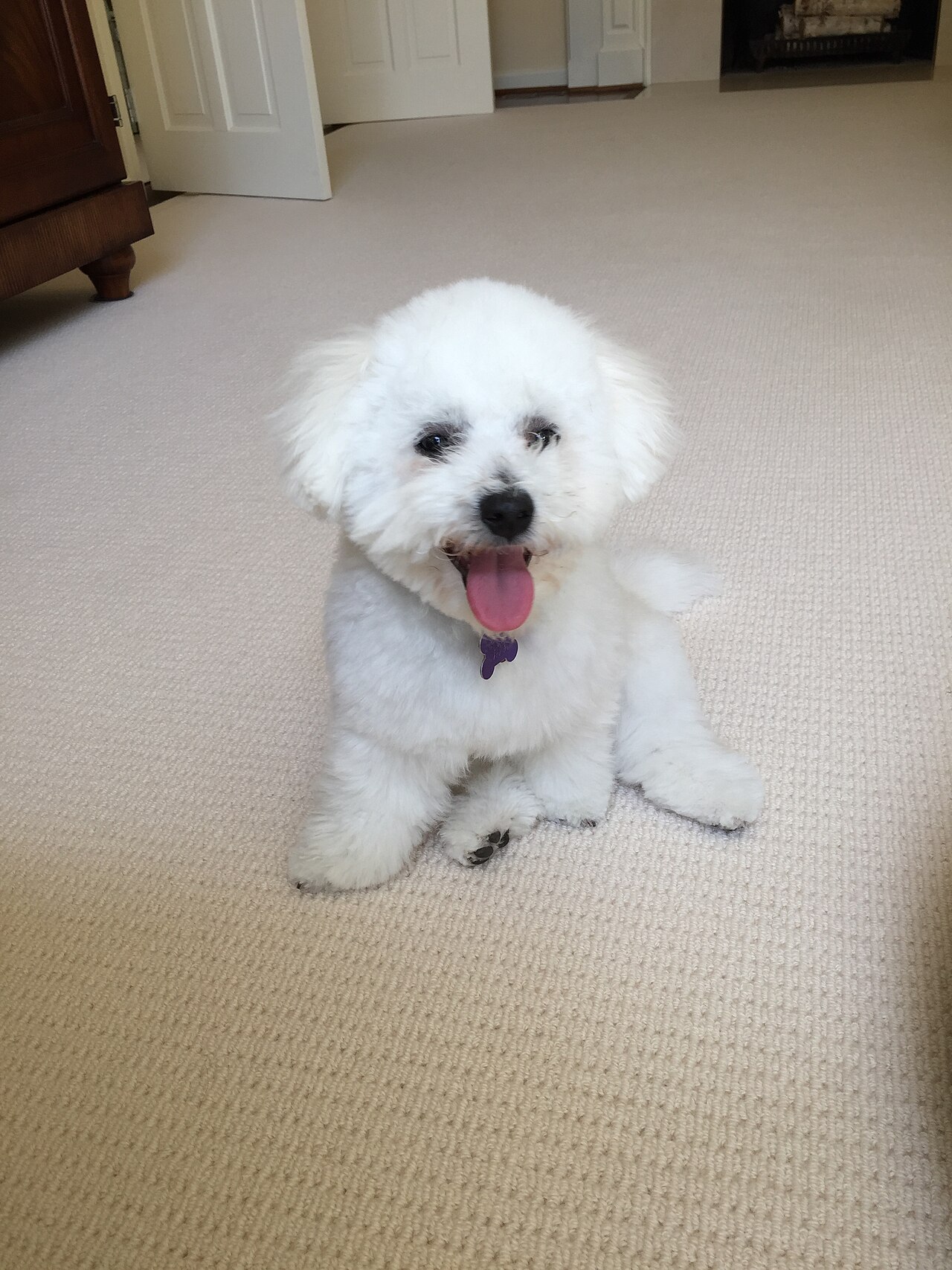
- With children: is excellent. With proper socialization it is friendly, patient and playful, one of the reasons why it is recommended as a family dog.
- With other pets: is generally very good. It usually gets along well with other dogs and, when presented calmly, also with cats. Interestingly, it retains a certain instinct of mouse hunting from its past.
- On the floor: is its ideal habitat. Its small size and moderate activity level make it perfect for apartments, as long as its daily walks are covered.
- In the face of loneliness: is a very affectionate dog that is unable to tolerate being alone for long hours and may develop separation anxiety, barking or destructive behavior.
Education and training
The Frisé is intelligent and eager to please, which makes training much easier. It responds wonderfully to the positive reinforcement: rewards, play and friendly voice. Due to its sensitivity, harsh methods or screams are counterproductive and can block or make it nervous.
There are two things you should start working on as a puppy. The first is the learning hygiene: Like many small dogs, it may be harder for him to settle down where to defecate, so consistency and a clear routine make all the difference. The second is to prevent separation anxiety: gradually getting him used to being alone, with short absences that get longer, saves him from unnecessary suffering. Early socialization with people, noises, and other animals completes the foundation of a balanced adult.
Exercise and activity
It is not an athlete, but it is also not a cushion. The Bichón Frisé has a medium energy and is content with one or two daily walks and playing moments at home.
Where it really shines is on the mental stimulation: Interactive toys, sniffing games, little tricks and short obedience sessions keep you entertained and strengthen the bond. Their agility and willingness to please make them enjoy even gentle dog sports. The important thing is that the exercise is accompanied by company: For him, doing things with his family is worth more than exercise itself.
Care: fur and hygiene
The coat is the sign of the breed’s identity and, also, its most demanding care. The curly hair of the Bichon Frise grows continuously and hardly falls out, which means that, instead of moving, it tends to get tangled up and tangled up. if left unattended.
- Cepillado: should be brushed several times a week – ideally daily – to untie knots before they become tangled hair plates.
- Hair maintenance usually requires periodic visits to a professional hairdresser, who cuts and shapes the mantle (including the characteristic rounded pom-pom of the head).
- Area of the eyes: regular cleaning of the eyelids and trimming of the hair around the eyes. tearing can leave spots on the white hair of the face, which are checked with daily cleaning.
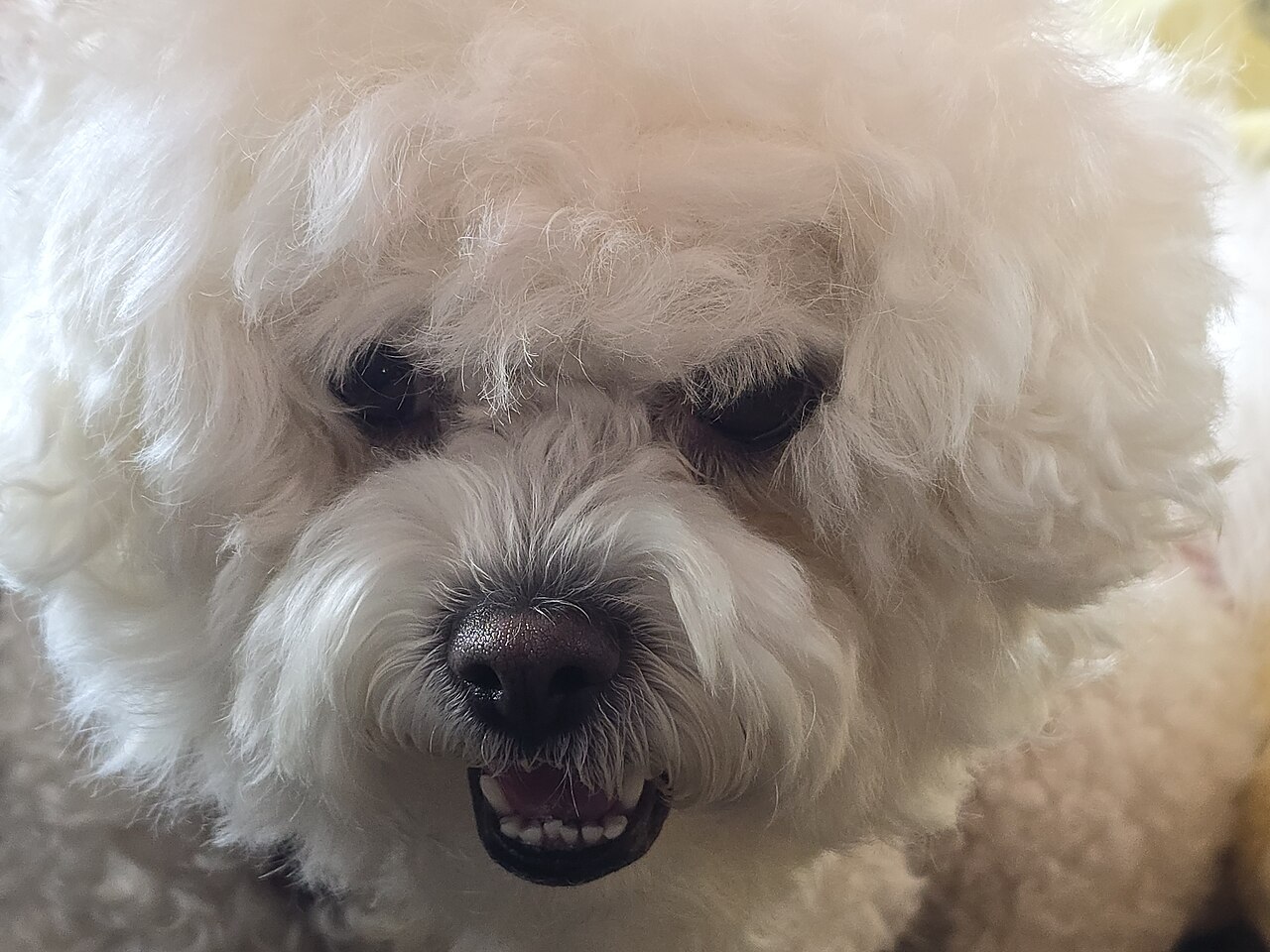
- Dental hygiene: due to the small size of its teeth and the slight crowding of the lower incisors, brushing must be frequent, almost daily, to prevent infections and tartar.
- Ears, nails and bath: checking and cleaning his ears, cutting his nails and bathing him when he needs to complete the routine.
Foodstuffs
As a good small dog, the Bichon Frise does not need large amounts of food, but quality and control of rations does. A complete and balanced diet, adapted to its age, weight and activity level, is the best basis. Divide the daily food into two servings and watch the treats: with its size, it is easy to gain excess weight without noticing too much under so much hair.
There is a specific detail of the breed that should be kept in mind: its predisposition to stones in the bladder. Excess protein, magnesium or phosphorus in the diet can worsen it, so offering fresh water always available, frequent walks to urinate and a controlled diet helps to prevent them.
Health and life expectancy
The Bichon Frise is a robust and long-lived dog. A British study from 2024 placed its average life expectancy around 12,5 years, in line with the average of breed dogs, and many well-kept specimens exceed that figure.
- Medial patellar dislocation: kneecap weakness common in small breeds, controllable with selective breeding.
- Juvenile cataracts: may occur even in young animals; do not breed with affected animals.
- Stones in the bladder: are favored by diet; they are prevented by good hydration and frequent walking.
- If you have a history of gallbladder disease: studies in the UK have detected an increased predisposition of the breed.
- Some predisposition to Immunomediated haemolytic anaemia: has also been observed in the breed.
- Otros: hip dysplasia, epilepsy, skin allergies and dental problems from crowding.
Regular veterinary checkups, good dental hygiene, and choosing responsible breeders who do health checks are the best tools for your Bichon Frise to live many good years.
Physical appearance
The Bichon Frise is a small and well proportioned dog. It measures between 23 and 30 cm to the cross and weighs around 5 kg or less, varying the weight in proportion to the height. The skull is quite flat although it appears rounded, with a slightly sharp snout, black nose and dark, round eyes, which gives it that wakeful and sweet expression so characteristic.
Its great badge is the coat: Loose curly hair in spirals or tufts, with a dense, soft undercoat that provides that fluffy, plush texture. On the head it is cut into a spherical shape, like a full moon. The colour is always pure white; only in puppies less than one year old is a slight beige hue allowed which should not exceed 10% of the body. The head and legs are in harmonious proportion to the rest of the body.
Origin and history
The Bichon Frise belongs to the ancient family of pigeons, small, white dogs of Mediterranean origin. The FCI recognizes it as a Franco-Belgian breed, but its roots can be traced back to the island of Tenerife, in the Canary Islands, where it is believed to have been brought by Spanish sailors between the 13th and 14th centuries.
Around 1500 it was a highly prized dog in the european courts, especially in Spain and Italy, a popularity that was reflected in paintings by artists such as Francisco de Goya and in Renaissance works. Later he triumphed in France – he was one of Marie Antoinette’s breeds – until the French Revolution removed him from the palaces. Far from disappearing, the bichon survived on the streets, which reinforced its genetics: Only the healthiest and strongest survived, and many ended up as street show dogs, circus dogs, and puppet dogs because of their ease of learning.
In the 1930s, several French breeders fixed the breed and enrolled it in the canine club of France. It was recognized by the Société Centrale Canine in 1933 and by the Fédération Cynologique Internationale in October 1959. The first specimens arrived in the United States in 1955 and in the United Kingdom in 1973, when the American Kennel Club admitted it to its regular classes.
Curiosities
- Its full name in French is Bichon à Poil French, which literally means “curly-haired dog”.
- The word “bichon” derives from French and is related to “barbet” and “barbichon”, names of old water dogs.
- It shares a family with other famous bison: the Maltese, the Bolognese and the Havanero are descended from the same trunk.
- Its stable nature makes it widely used as therapy dog in hospitals and residences.
- Despite its delicate stuffed air, it retains the mouse-hunting instinct of its street days.
- The round pomp of its head, trimmed to look like a full moon, is one of the most recognizable signs of the breed in exhibitions.
If you like the Bichon Frise, you will surely be interested in other breeds of the same family of biches and small companion dogs. Check out the Bichón Maltés, Bichón Habanero, Cotton of Tulear and Caniche, all of them small, sociable and very sweet-tempered companions in the Frise line.
Frequently asked questions about the Bichon Frise
Does the Bichon Frise shed a lot of hair?
No, it sheds very little hair. Instead of shifting, its curly coat tends to tangle, so it needs frequent brushing and hairdressing instead of vacuuming all over the house. It is one of the breeds that many people with mild allergies tolerate best, although no dog is 100% hypoallergenic.
How long does a Bichon Frise live?
It is a long-lived breed. A British study from 2024 placed its average life expectancy at around 12.5 years, and with good care many specimens reach the mid-twenties or more.
Is he a good dog to live on?
Its small size and moderate activity level make it very suitable for apartments, provided you are offered your daily walks and enough company.
Do you get along with children and other dogs?
With proper socialization, it is friendly, patient, and playful with children, and it usually gets along well with other dogs and even cats.
How much exercise do you need?
A moderate amount: one or two walks a day and playing games at home are sufficient.
Can you stay home alone for many hours?
It’s a very affectionate dog that doesn’t tolerate loneliness and may develop separation anxiety. It’s best to get used to it gradually and not leave it alone for too many hours at a time.
What health problems are typical of the breed?
The most common are medial patellar dislocation, juvenile cataracts, gallbladder stones, predisposition to gallbladder disease and immune-mediated hemolytic anemia, as well as skin allergies and clogged teeth.
How much does it cost to keep her fur?
Their coat is demanding, requiring brushing several times a week and regular visits to a professional canine hairdresser to trim and shape it.