Heatstroke in dogs: symptoms, prevention and first aid
Summer comes, you go for a walk at the wrong time or you leave the dog in the car for five minutes “just to come in for a moment”… And in that moment, it can trigger a deadly emergency. heat stroke in dogs is one of the most frequent veterinary emergencies when temperatures rise, and also one of the most preventable. The bad news: It can kill in minutes. The good news: If you know how to recognize it in time and do it right, you save your dog.
In this guide, using data from veterinary sources, I tell you how to recognize the symptoms, what to do step by step in the first few minutes (the part that really makes the difference), how to prevent it and what mistakes almost everyone makes.
What is heat stroke and why is it so dangerous
A heat stroke(or hyperthermia) occurs when the dog’s body generates or absorbs more heat than it is able to eliminate, and its internal temperature spikes. Dogs do not sweat like us: they regulate temperature primarily by sighing and, to a lesser extent, by pads. When the environment is very hot and humid, that system becomes saturated and body temperature rises unchecked.
The normal temperature of a dog is around 38–39,2 °C. From 40 °C onwards we already speak of hyperthermia of concern, and above 41 °C it is a serious veterinary emergency: at these temperatures organs such as the liver, kidneys, intestines and the coagulation system begin to be damaged. This damage can appear hours later, even if the dog “seems recovered”.
Let’s be clear about how deadly it is: in a large-scale British study (VetCompass, on almost a million dogs), the mortality rate for heat illness cases was around 14 %. It’s not an unimportant scare; it’s a real emergency that kills one out of every seven affected dogs that come to the consultation.
Symptoms: How to recognize it early
Heat stroke doesn’t come on all at once, it usually progresses in phases, so the sooner you catch it, the better the prognosis.
Early signs (heat stress)
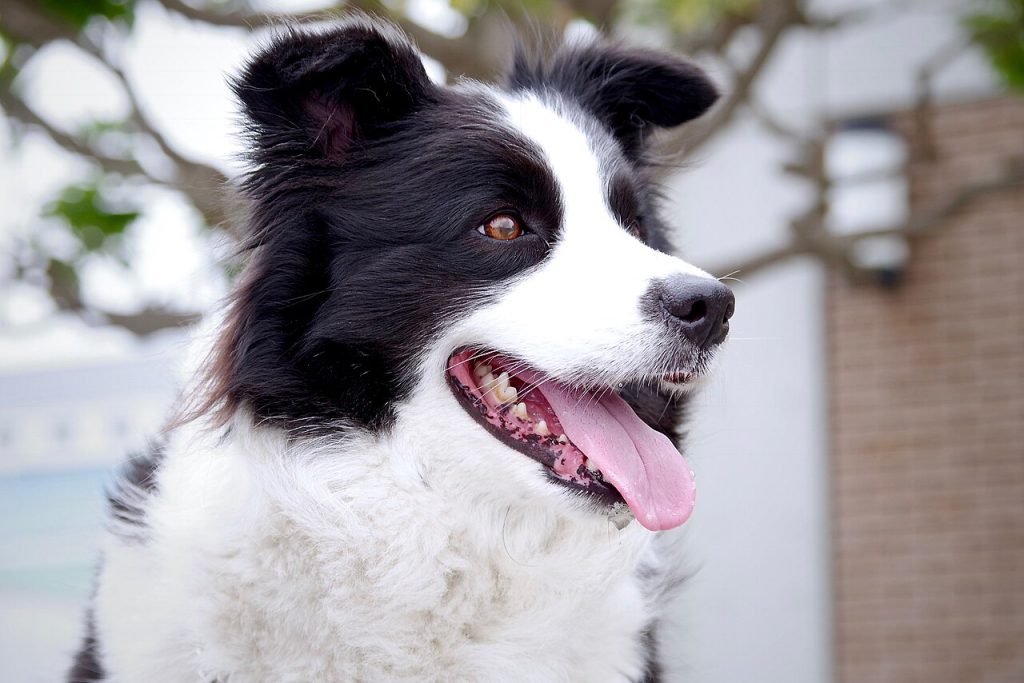
- Jade intense and faster than normal.
- A lot of thirst and looking for shade or cool soil.
- More abundant and thicker drool.
- Anxiety or, on the contrary, stopping and not wanting to keep going.
Alarm signals (heat shock established)
- Desperate jade with a very red or brown tongue.
- Intense red, dry or sticky gums.
- Vomiting or diarrhoea, sometimes with blood.
- Stumbling, weakness, disorientation or walking “drunk”.
- Tremors, convulsions, collapse or loss of consciousness.
If you see any of the warning signs, you’re in an emergency.: start cooling the dog immediately (now I’ll explain how) and notify the vet in parallel.
Step by step first aid
Here’s the most important part of the whole guide. The current veterinary evidence sums up the performance in one sentence: “cool first, transport later”(“cool first, transport second”). Every minute that the dog goes above 41°C does more damage, so the priority is to lower the temperature before and during the transfer, not to waste time going straight to the clinic without cooling.
Follow these steps in order:
- Get him out of the heat. Take him to the shade, to a ventilated or air-conditioned area.
- Mix it with cool (non-iced) water. soaks the entire body, emphasizing the belly, ankles, armpits and pads, which is where the heat dissipates best. In young, healthy dogs, dipping or spraying with cold water is most effective; contrary to popular belief, cold water rarely causes “shock” in an overheated dog. For older dogs, puppies or those with health problems, use fresh water with air.
- It adds air movement. Put on a fan, open windows or flip it: the air on wet skin multiplies evaporative cooling.
- Offer water at room temperature if he’s conscious and able to drink.
- Call the vet and head over there. Keep cooling it during the journey (down windows or air conditioning, renewed wet cloths).
- It stops cooling at 39 – 39.5 °C. If you have a thermometer and you can measure rectal temperature, by the time you get to that point, it’ll keep going down on its own and getting too cold is also dangerous.
Even if the dog recovers and appears to be perfectly fine, the heat stroke can cause internal damage that isn’t noticed on the outside until several hours have passed.
Prevention – How to Avoid It
The overwhelming majority of heatstrokes can be prevented with common sense.
- Never leave the dog in the car., neither “a moment” nor with the windows split open. With 38 °C in the street, the interior of a car can outperform the 49 °C in just 10 minutes. Parking in the shade is not enough.
- He walks in the cool hours: first thing in the morning and at dusk.
- Check the asphalt with the back of the hand: if it burns you in 5 seconds, its pads too.
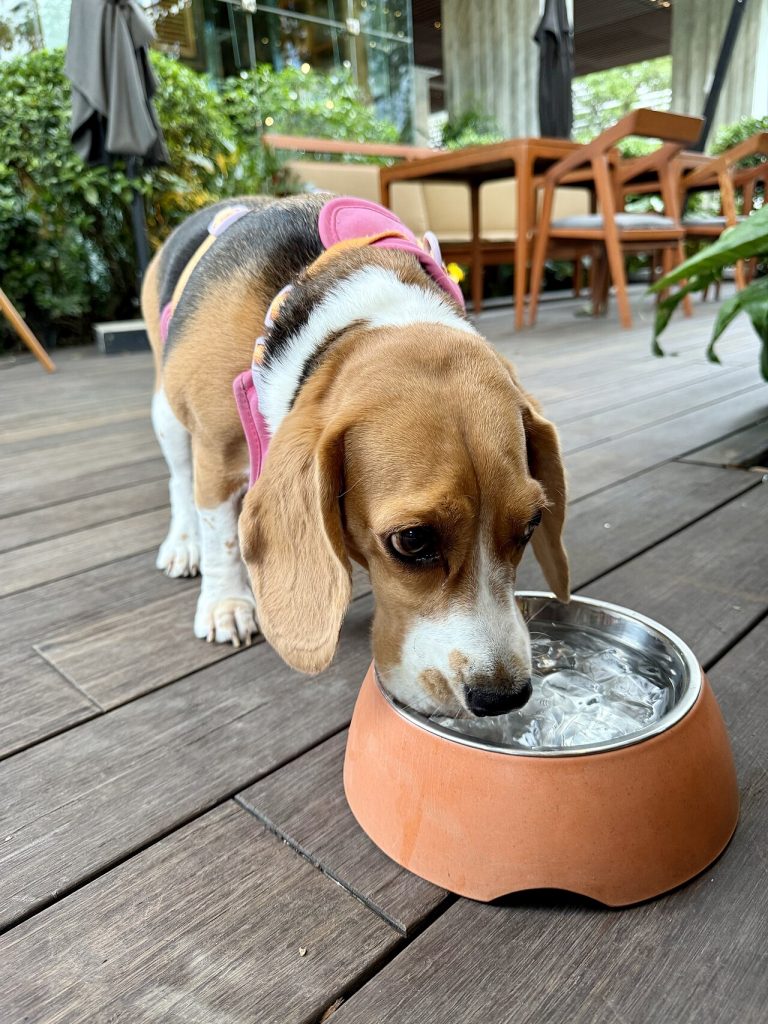
- Fresh water always available, indoors and outdoors. On long walks, he carries water and a portable drinker.
- A dog should never be tied up in the sun without a way out.
- Moderate exercise on hot days: no running, pitching nonstop or biking at noon.
- Refresh it actively: cooling mats, dog pools, a damp cloth on the belly, be careful to wet only the back if you have very thick hair, because it can trap heat.
Dogs at higher risk
All dogs can suffer from heat stroke, but some start out at a distinct disadvantage. Veterinary studies agree on several risk factors: brachycephalic breeds, overweight, advanced age and very dense or double coated hair breeds.
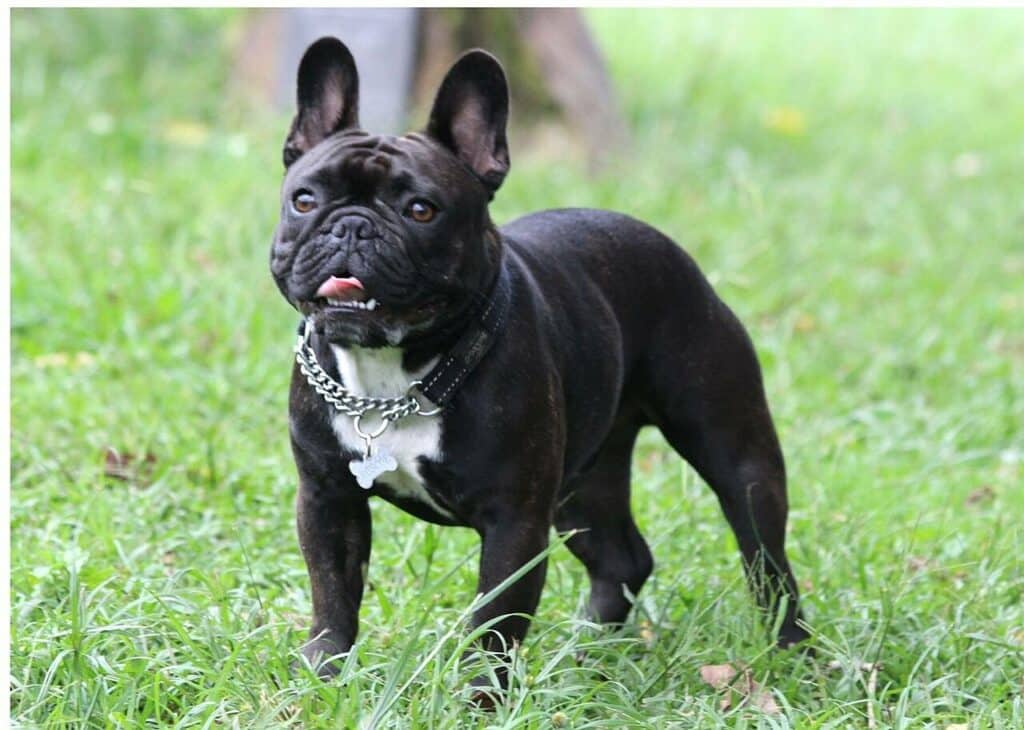
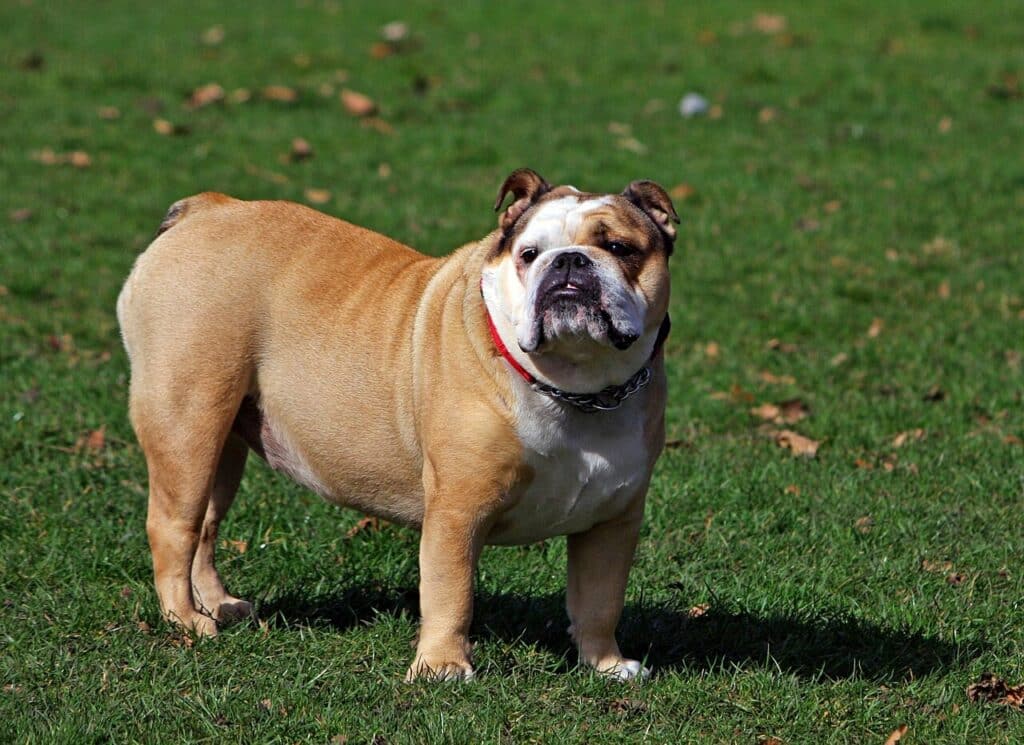
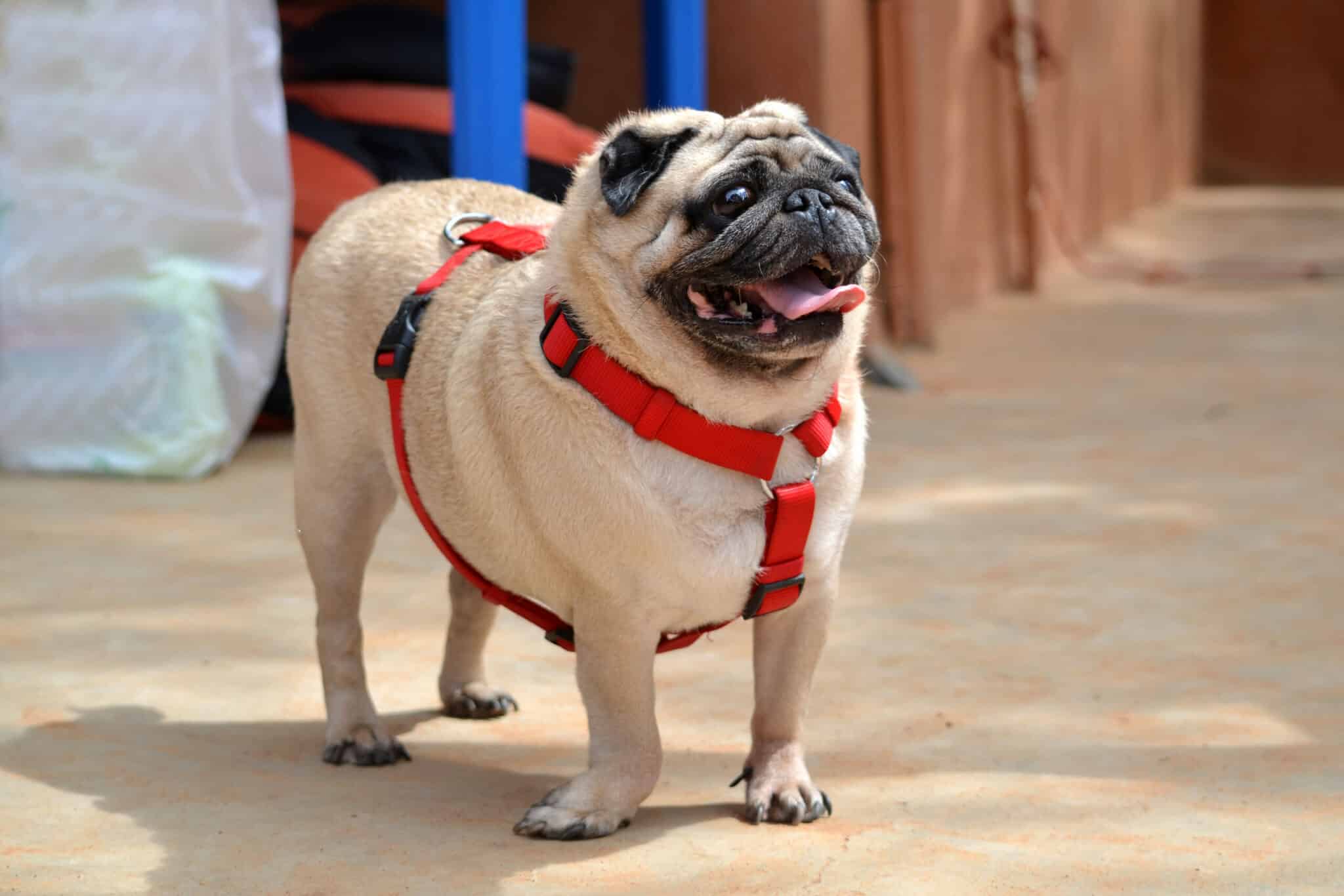
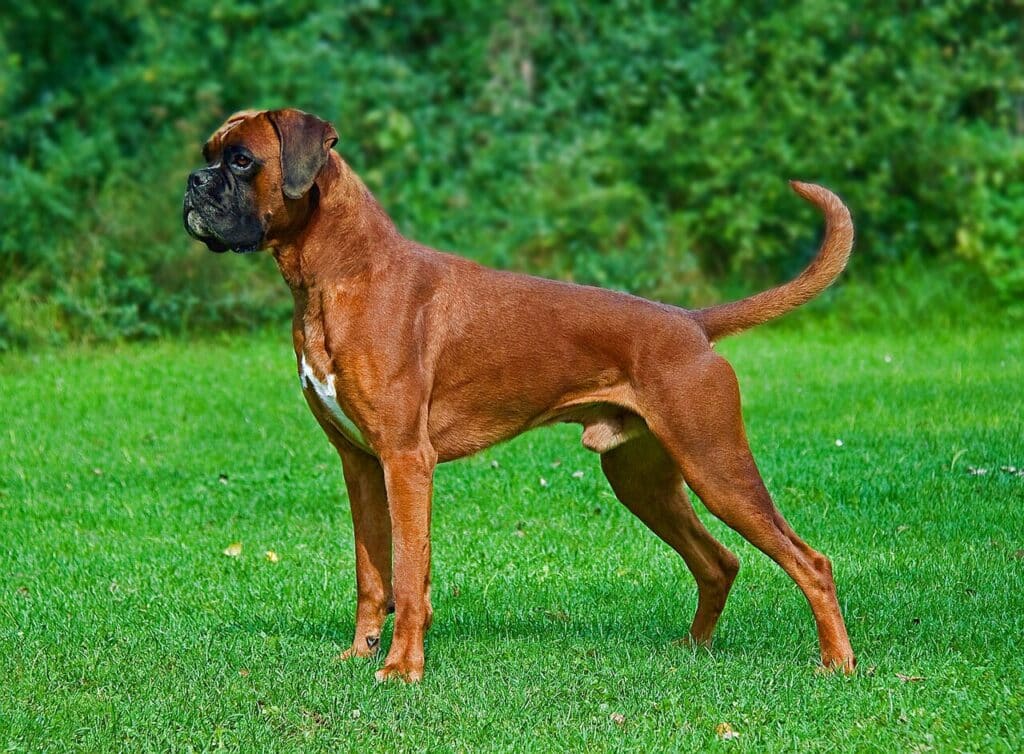
Flat-faced dogs like the Bulldog Francés, Bulldog Inglés, Carlino or Boxer have narrower airways and pant much less efficiently, so they dissipate heat worse than the rest. At the other extreme, Nordic or double-coated breeds like the Husky Siberiano, Chow Chow or Boyer of Bern drag a coat designed for the cold that plays against them under the sun. Giants like the San Bernardo are also among the most vulnerable because of their size and body mass.
Extreme caution should also be exercised with puppies, older dogs, overweight dogs, or dogs with heart or respiratory problems.
Common Mistakes That Make Things Worse
With the best of intentions, many people do exactly what they shouldn’t.
- Running out to the clinic without getting cold first.“Cool first, transport later”: start cooling it now, even if it takes you two more minutes to get out.
- Use ice water or ice directly on the skin. May cause vasoconstriction and slow down heat loss; better abundant fresh water and air.
- Cover the dog with wet towels and leave them on. A still wet towel retains heat like a blanket; if you use it, renew it and combine it with ventilation.
- Forcing him to drink large amounts at once. or put water in his mouth if he’s unconscious: choking hazard.
- Trust the shadow or the car window down. are useless against the accumulated heat.
- To think it’s over because he “seems to have recovered”. Internal damage can take hours to manifest: veterinary check-up always.
Frequently Asked Questions
From what body temperature is it dangerous?
The normal temperature of a dog is around 38-39.2 °C. From 40 °C onwards, hyperthermia is already a worrying condition and above 41 °C is a serious emergency with the risk of organ damage.
Can I use cold water or will it shock you?
Current veterinary evidence indicates that, in young and healthy dogs, submerging or soaking them in cold water is safe and very effective, and that the dreaded “shock” is rare.
My dog recovered alone at home, do I need to go to the vet?
Yeah, heat stroke can cause damage to the kidneys, liver, intestines and clotting that doesn’t show up on the outside and shows up hours later.
How long does it take to get a heat stroke inside a car?
Very little. With 38 °C outside, the cabin can exceed 49 °C in about 10 minutes, even in the shade or with the windows open. Never leave the dog alone in the car on hot days.
Which races are most vulnerable?
Brachycephalic dogs (French Bulldog, English Bulldog, Carlino, Boxer), double-coated or dense-haired breeds (Husky, Chow Chow, Bernese Boyero) and giant breeds such as the St. Bernard. Also puppies, older dogs and those with overweight or cardiorespiratory problems.
Do you need vests or refrigerator mats?
They help to prevent and to lower the temperature a little on hot days, but they do not replace the basic measures: walking times with less heat, shade, fresh water and not leaving the dog in closed environments.