Damaged Pillows – How to Protect and Heal Your Dog’s Paws
Your dog walks barefoot his whole life. On burning asphalt in August, on salt and ice in January, on gravel, glass and straw the rest of the year. The your dog’s pillows are his only shoes: A specialized tissue that cushions, insulates and protects… but is not indestructible. When they are burned, cracked, or cut, your dog suffers at every step, and a poorly treated wound in that area takes a very long time to heal. In this guide we tell you how to spot the damage early, how to act at home, when to go to the vet and, above all, how to prevent it from happening again.
What are pads and why are they so important?
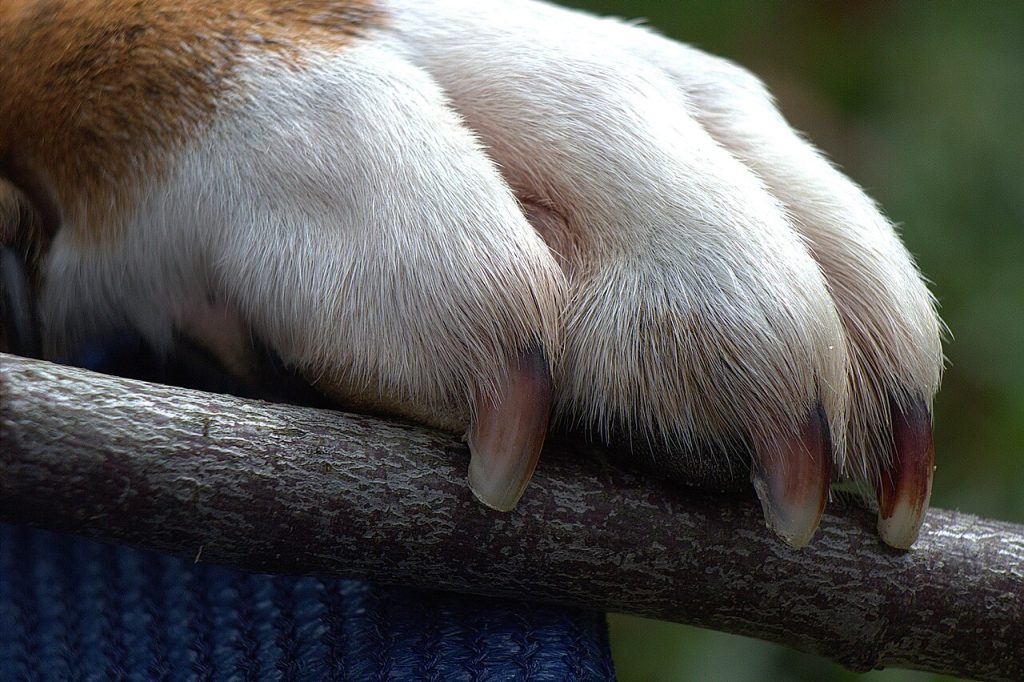
Plantar pads are so much more than “callos” on the foot. They consist of an outer layer of keratinized skin, the thickest on the dog’s entire body, and an inner layer of fatty, elastic tissue that acts as a natural buffer. Each leg has digital pads (one for each finger), a central metacarpal or metatarsal pad, and on the front legs a carpal pad higher up, which acts as a brake.
They perform several critical functions at once:
- Amortiguación: absorb the impact of each stride and protect bones and joints.
- Thermal insulation: insulate from cold and hot soil, within limits.
- Tracción: provide grip in cornering, braking and rough terrain.
- Termorregulación: are one of the few areas where the dog has active sweat glands.
Because they are highly vascularized and in constant contact with the ground, wounds on pads bleed heavily, become contaminated easily, and heal more slowly than in other parts of the body.
Signs that pads are damaged
Dogs mask pain surprisingly well, so learn to read the cues.
- Licking or refusing to walk, especially after a ride on hot asphalt, snow or abrasive terrain.
- Licking or nagging from a specific leg.
- Red, darkened or ‘live meat’ cushions, with shiny or skinned appearance.
- Cracks and crevices, with or without bleeding.
- Carpets and other textile floor coverings, knitted or crocheted to come off.
- Blood on the floor. or in the dog bed with no visible wound elsewhere.
- Unpleasant smell, swelling or swelling, which point to infection.
Make it a habit to check your dog’s paws a couple of times a week (and always after hiking in the mountains or at the beach): separate the fingers, look between the pads, and look for foreign objects such as ears, pebbles, or gum or tar.
Common causes of damage to pads
Burns from hot asphalt
It’s the star cause in summer and the most treacherous, because the ground burns much more than the thermometer indicates. With a day of about 25 °C of ambient temperature, asphalt in the sun can exceed 50 °C; with 30-31 °C, there are measurements of surfaces at over 60 °C, enough to cause severe burns in less than a minute of continuous contact. The rule of thumb most commonly used by veterinarians is 7 second test: put the back of your hand on the asphalt; if you can’t hold out for 7 seconds comfortably, that floor is not safe for your dog.
Cold, ice and melting salt
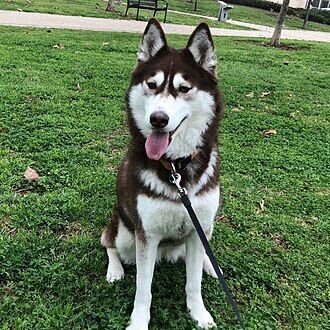
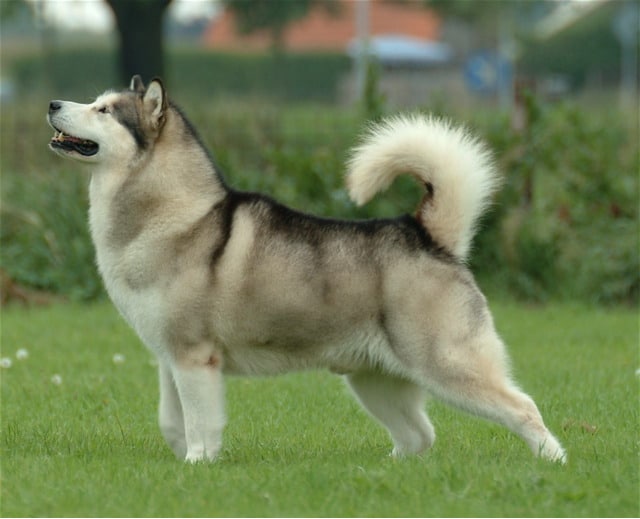
In winter the enemy is twofold: ice and snow dry out and crack the skin, and salt and de-icing chemicals on sidewalks cause irritation and minor chemical burns, plus digestive problems if the dog licks afterward. Nordic breeds like the Husky Siberiano or Alaskan Malamute have particularly cold-resistant pads, but chemical salt affects them just like any other dog.
Cuts and punctures
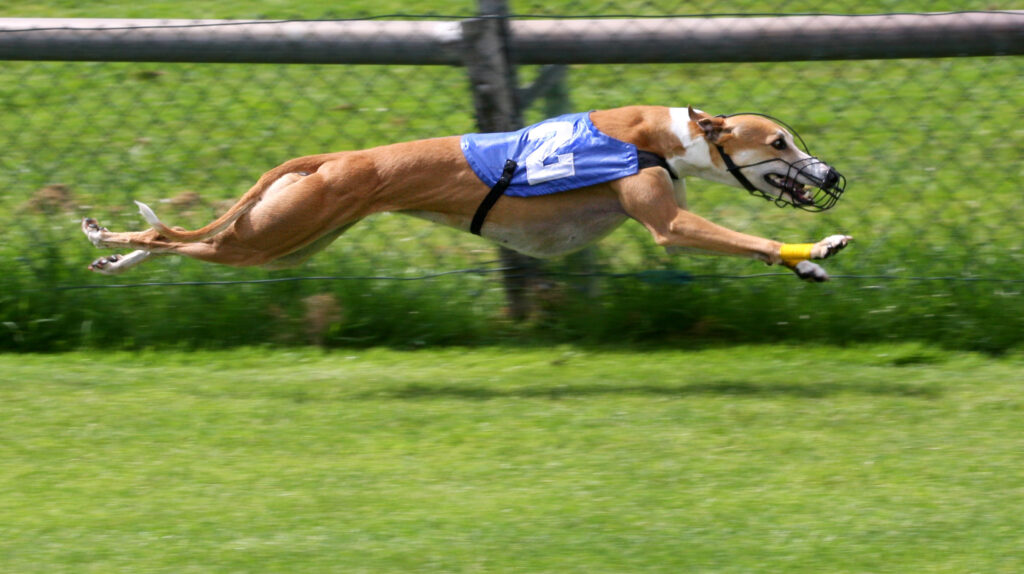
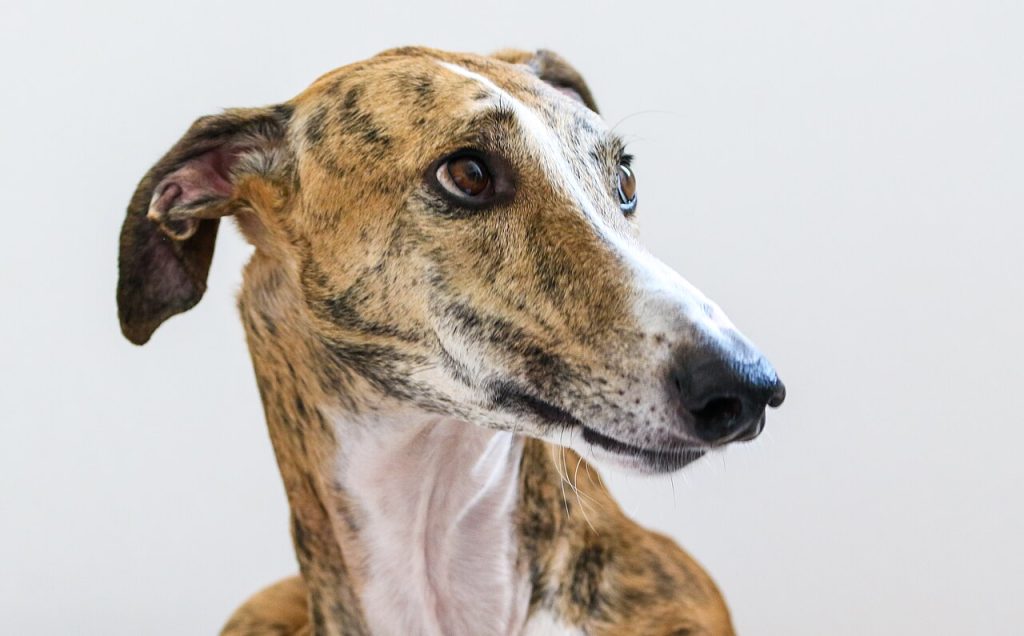
Crystals, cans, shells on the beach, sharp stones, tracks after the harvest… Any sharp object can pierce the keratin. Dogs that run at high speed outdoors, such as the Greyhound or the Galgo Español, are especially prone to cuts and tears because they support with a lot of force in the middle of the race.
Excessive exercise wear and tear
The pads shrink with progressive use, but an abrupt increase in activity on hard surfaces literally erodes them, leaving them in living flesh. It is typical of the city dog that makes a 20 km route on a weekend, or tireless dogs like Border Collie or Labrador Retriever playing ball for hours on dirt or cement tracks.
Dryness, hyperkeratosis and other causes
With age, some dogs develop hyperkeratosis: an excess of keratin that hardens and cracks the pads, giving them a “cauliflower” appearance. There are also autoimmune diseases, allergies and dermatitis that manifest on the paws.
First aid: how to heal a damaged pad step by step
In the case of a slight and superficial wound, you can do a first cure at home.
- Examine the leg slowly. Searches for foreign bodies between the fingers and in the pad itself. If there is a deeply nailed object (crystal, hook, large splinter), do not pull it off: that is the job of the veterinarian.
- Clean the wound. Wash with plenty of warm water or physiological serum to drain dirt and debris. You can use a mild soap or a diluted chlorhexidine antiseptic. Avoid alcohol and oxygenated water, which irritate the tissue.
- If it’s a burn, it cools. Submerge the leg in cool water (never direct ice) for 10-15 minutes to cut heat damage.
- It controls the bleeding. Press with a clean gauze for a few minutes. The pads bleed a lot; do not panic if at first it seems exaggerated.
- Protege. Cover with a sterile gauze and a light bandage that does not tighten, or a clean sock/sock to prevent it from slipping and the wound from rubbing against the ground.
- Relative rest. Short walks, for your needs, and preferably on grass or soft ground until it closes.
Keep in mind that even a mild patch injury takes longer to heal than you would expect – from several days to a couple of weeks, and deep burns or tears may take two to three weeks or longer, with regular veterinary treatments.
When to go to the vet without waiting
Not all wounds on pads can be managed at home.
- Cut deep or flaped of skin, or it won’t stop bleeding after 10-15 minutes of pressure.
- Nailed object that doesn’t come out easily.
- blisters, peel off or darkened burn to the pad.
- Signs of infection: odor, pus, heat, swelling or pain lasting more than two days.
- Dog it doesn’t support the leg or pain doesn’t improve in 24-48 hours.
- Cracks or thickening of chronic without clear cause (possible hyperkeratosis or underlying disease).
An infected wound on the foot is not a nonsense: without treatment it can lead to cellulite or even deep infections affecting the bone. The veterinarian will evaluate whether it is necessary to open, suture, bandage and prescribe antibiotics or analgesia. When in doubt, always consult: it is one of the areas where it pays the most not to play doctor.
How to protect your dog’s pads all year round
The good news: the vast majority of pad injury can be prevented with simple habits.
In the summer
- This goes double for brachycephalic breeds such as the Bulldog Francés, which also tolerate poor heat in general.
- Always do the 7 second test with the back of your hand before stepping on asphalt.
- He prefers grass, soil and shaded areas over asphalt and sunny sidewalks.
- If there is no alternative (urban soil, travel), consider dog boots with pre-adaptation period.
As a guide to what can heat the ground:
| Air temperature | Asphalt in the sun (approx.) | Risk to the pads |
|---|---|---|
| 25 °C | More than 50 °C | Discomfort and actual risk with prolonged exposure |
| 30 to 31 °C | 57 to 62 °C | Burns within 1 minute of contact |
| 35 °C or more | May be around or above 65 °C | Extreme danger: completely avoid the asphalt |
These are guideline values published by veterinary sources: soil material, direct sunlight and time greatly change the result.
In the winter
- Wash and dry your feet after every walk if you’ve been on snow, ice or salty sidewalks, keep your fingers apart.
- Apply a protective balm or petroleum jelly before going out: it creates a barrier against salt and prevents ice balls from building up between your fingers.
- Cut the hair between the pads. so those snowballs and iceballs don’t form.
- In cold-blooded dogs or on long walks in the snow, boots are again the safest option.
All year round
- Check your feet regularly and after every trip to the countryside or the beach.
- Moisturize dry or rough pads with dog-specific balms. Eye: the goal is elasticity, not over-softening; and no human creams with perfumes or high-concentration urea without consultation.
- Increase exercise gradually. Pads harden with gradual use, just as your feet get used to walking barefoot gradually.
- Keep your nails the right length: too long nails change the support and overload the pads.
- On demanding mountain routes or broken terrain, it carries basic first aid kit: serum, gases, adhesive bandage and a spare bottle.
Common Mistakes That Delay Healing
- Let the dog lick the wound. Saliva does not heal: it macerates the tissue and drags away bacteria.
- Use alcohol or hydrogen peroxide in the wound: they hurt and damage healthy tissue.
- The bandage should hold the gauze, not strangle it.
- Going back to normal walks too soon. If the wound reopens again and again, the healing starts from scratch.
- Tearing off skin flaps or deeply embedded bodies at home.
- Two days of limping without improvement warrants a visit to the vet, always.
- Putting on boots without adaptation just on the day of the excursion: the dog walks awkwardly, barks and ends up worse.
Frequently Asked Questions
How long does it take for a damaged pad to heal?
A surface abrasion or crack may improve in a few days with cleaning and protection. More serious cuts and burns usually require two to three weeks or more, because the pad bears weight at each step and heals slowly. Relative rest is key to not prolonging the process.
Can I put petroleum jelly or cream on my dog’s pads?
Yes, petroleum jelly or a specific balm for dogs helps to moisturize dry pads and create a barrier against salt in winter. Apply a thin layer and, if possible, after walking or before sleeping so that you do not immediately lick it.
How do I know if the asphalt is too hot for my dog?
Use the 7-second test: rest the back of your hand on the asphalt and hold it. If you don’t hold it for 7 seconds comfortably, the ground can burn your dog’s pads. With room temperature above 28-30 °C and direct sun, assume the asphalt is a no-go zone in the central time zone.
Why does my dog have cracked pads if he hardly ever steps on asphalt?
Environmental dryness, age, winter salt, or hyperkeratosis (excess keratin) can cause cracks in the pads without the need for trauma. There are also allergies and autoimmune diseases that manifest themselves in the legs. If the cracks are persistent or go beyond, make an appointment with your veterinarian to rule out medical causes.
Is it normal for a patch wound to bleed this much?
Yes, the pads are very vascularized and even a small cut can bleed apparently. Press with a clean gauze for 10-15 minutes. If after that time the bleeding does not subside, or the cut is deep, go to the veterinarian: you may need suture.
Do dog boots really work?
Yes, they are the most effective protection against hot asphalt, ice, salt, and abrasive terrain, and they are used for a reason by sled dogs and working dogs. The trick is adaptation: the right size and a period of acclimatization at home with positive reinforcement. Without that adaptation, many dogs reject them.