Cada cuánto bañar a un perro: la guía definitiva por tipo de pelo
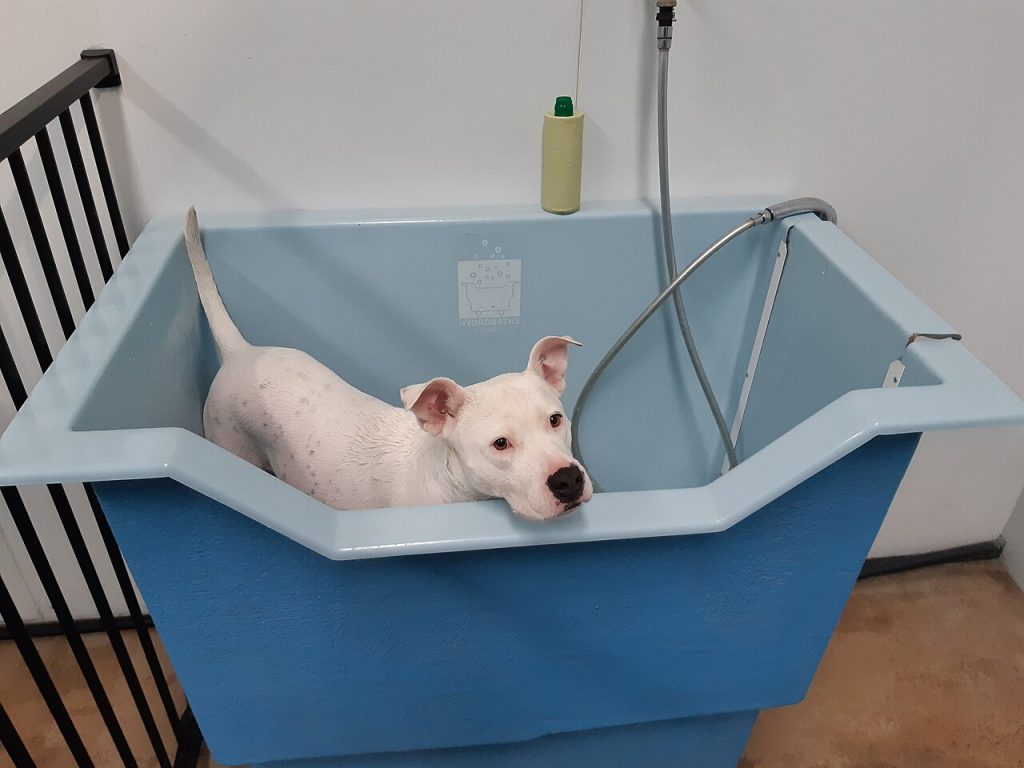
I ‘m sure it ‘s happened to you . Your dog comes back from the walk smelling of glory (ironically) and the usual doubt assaults you… How often do you bathe a dog? every week? Once a month? Only when it smells? If you ask five people, they’ll give you five different answers. And it is normal: There is no single frequency that is valid for all dogs, because the response depends largely on their hair type, their lifestyle and the condition of their skin.
The good news is that there are clear ranges that are endorsed by veterinarians and organizations like the American Kennel Club (AKC), and in this guide we give you all of them, sorted by coat type, with a quick reference table, the most common mistakes, and a step-by-step guide to making the bathroom stop being a pitched battle in your bathroom.
An honest warning before you start: If your dog has dermatitis, allergies, itching or any other skin problem, the frequency and shampoo should be guided by your veterinarian.
The quick answer: between once a month and a few times a year
For a healthy adult dog, most veterinarians and canine hairdressers match in a guideline range of a bath every 4 to 6 weeks, adjusting it according to coat and what gets dirty. The AKC sums it up with a lot of common sense: bathe your dog when he is no longer “cuddly”, and note that, depending on the case, the reasonable range is from a weekly bath (hairless breeds or veterinary prescription) to only a few times a year.
Here’s the quick reference table by hair type:
| Type of hair | Examples of breeds | Indicative bathing frequency |
|---|---|---|
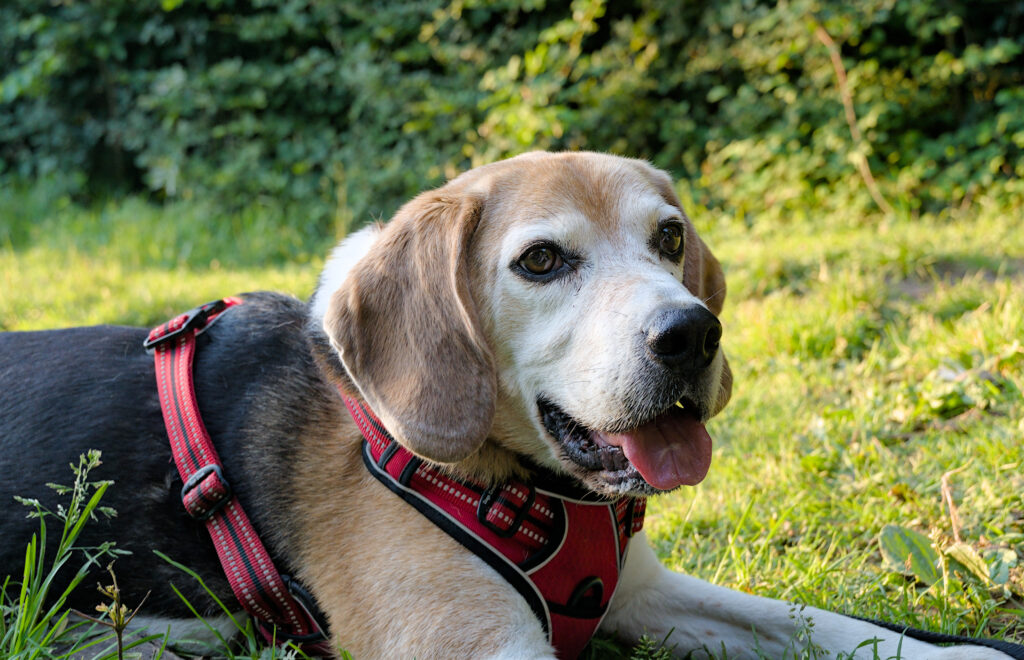
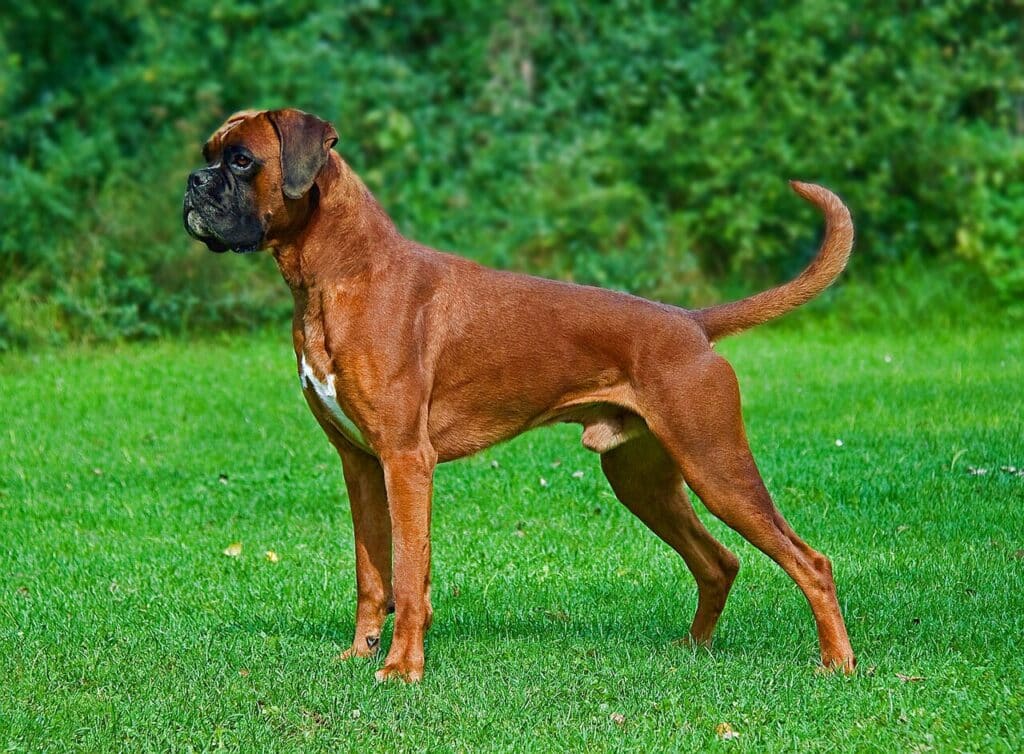
| Short hair | Beagle, Boxer, Chihuahua | Every 6-8 weeks (or when you get dirty) |
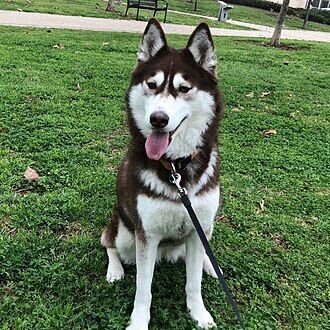
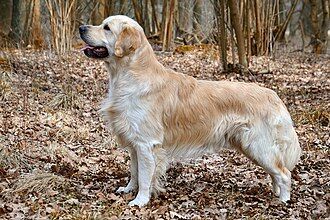
| Double layered | Siberian Husky, golden retriever, German Shepherd | Every 6-8 weeks, with frequent brushing between baths |
| Long hair | It’s the Yorkshire Terrier, the Maltese, the Shih Tzu. | Every 3-4 weeks |
| Curly or woolly | The Poodle, the Friesian. | Every 3-4 weeks, combined with regular cutting |
| Tough hair (wire) | Schnauzer, terrier with hard hair | Every 6-8 weeks, respecting mantle maintenance |
| Hairless | Chinese Crested, Xoloitzcuintli | Monthly |
A Beagle that lives in a flat and walks on the sidewalk doesn’t need the same thing as one that rolls around in the field every weekend. The board is your starting point; your specific dog, the final word.
How often to bathe a dog according to its hair type
The cloak is the most important factor in the decision.
Short-haired dogs: the ones that need the least bath
Short, body-tight coats, such as those on the Beagle or Bóxer, catch little dirt and stay fairly clean on their own. A bath every six to eight weeks is usually more than enough, and many of these dogs can spend even longer between baths if they don’t smell or get dirty. Between baths, a weekly rubber hand brush removes dead hair and distributes the natural grease, which is the best shampoo your dog has.
Double-coated dogs: less bathing and much more brushing
Double-layer breeds like the Husky Siberiano or Golden Retriever have a woolly inner layer that insulates them from cold and heat, and an outer one that repels water and dirt. That system works thanks to the natural oils in the skin: If you remove them by bathing them too much, you ruin the insulation and you can cause dryness and itching. That’s why the AKC recommends spacing baths (every 4-8 weeks depending on the dog) and prioritizing frequent brushing, especially in spring and autumn moults, when they release the inner layer by the handful. In these breeds, good drying after bathing is almost as important as bathing: The inner layer holds a lot of water.
Long-haired dogs: regular bathing to avoid knots
Long, silky coats, such as the Yorkshire Terrier, get dirty and tangled easily. Here the frequency goes up: every 3-4 weeks is the usual, always accompanied by brushing almost daily to prevent mats and knots.
Curly or woolly dogs – the most demanding
The Caniche and the Bichón Frisé barely drop hair, which is great for your couch, but it has a counterpart: The dead hair gets caught in the curl, accumulates dirt and becomes tangled. These breeds need bathing every 3-4 weeks and periodic professional trimming or grooming. If you let it sit too long, the applesauce reaches the skin and the solution ends up being shaving, something no dog (or owner) enjoys.
Hairless dogs: the ones who ask for the most baths
It seems contradictory, but hairless breeds, such as the Chinese Crested or the Xoloitzcuintli, are among the most demanding in hygiene: without a protective coat, their skin accumulates fat and dirt directly, and thanks a weekly bathing with a soft product, in addition to protection from the sun and cold.
Factors that change the equation
In addition to the hair, there are other circumstances that can bring or delay the next bath:
- Life style: a dog that bathes in rivers, rolls in mud or does sports with you will need baths more often than an urban couch potato. Common sense dictates: if it’s dirty or smells, touch the bath, no matter what the calendar says.
- Skin problems: with dermatitis, allergies, seborrhea or fungi, the veterinarian may prescribe medicated shampoos with specific frequencies, sometimes even two baths per week during a treatment.
- Allergies at home: If someone in the family is allergic, bathing the dog more often (weekly, with very mild shampoo) helps reduce dandruff and environmental allergens.
- Cachorros: is generally recommended to wait at least 8 weeks of life for the first shampoo bath, and many veterinarians prefer to wait for the vaccination schedule to advance.
- Older dogs: usually need fewer full bathrooms, but appreciate localized hygiene (dog towels, leg washing) and warm water, as they regulate temperature worse.
How to bathe your dog step by step
The frequency matters, but the “how” matters just as much.
- Brush before you wet. Remove dead hair and untie knots in the dry.
- Use warm water, neither hot nor cold: the dog’s skin is more sensitive than ours and very hot water dries it (and scares many dogs).
- Specific shampoo for dogs, always. The pH of your skin is different from that of a human, so your shampoo or gel, no matter how soft it is, is not good for you and can irritate you.
- Wash your neck backwards and leave the head for the end, avoiding eyes and the inside of the ears.
- Clarify more than you think necessary. Shampoo residue is one of the most common causes of itching after bathing.
- Dry your conscience. First towel, and in dense or long coats, dryer at low temperature and at a distance.
- Push and it’s positive. Rewards, play and calm: today’s positive association is the easy bath of within a month.
Common mistakes when bathing a dog
- Bathe him every week “to keep him clean”. Except for veterinary indication or hairless breeds, excessive bathing removes the protective sebum and causes dryness, itching and more odor in the medium term (irritated skin smells worse, not better).
- Using people’s shampoo, even if it’s baby shampoo. The pH does not match that of canine skin and can irritate and unprotect it.
- Water compacts them and turns them into mats.
- Clear and semi-dry. Remnants of soap and moisture in the inner layer are the perfect recipe for dermatitis and permanent “wet dog” smell.
- Put water in my ears. Protects the ears during bathing and drains them afterwards; moisture in the ear canal favors otitis, especially in dogs with droopy ears.
- Shaving a double-coated dog to “bath him less”. Its mantle is its insulation against cold and heat; shaving impairs its thermoregulation and does not always regrow well.
- Turning the bathroom into an ambush. If you only touch the tub to force it to bathe, every bath will be worse.
And mistake number one: follow any chart (including ours) to the letter, ignoring what your dog’s skin says. If between baths there are dander, itching, redness or a persistent bad smell, do not cover it with more baths: it is a reason to visit the veterinarian.
Frequently Asked Questions
Can I bathe my dog once a week?
Only in specific cases: hairless breeds, veterinary prescription with medicated or therapeutic shampoo, or need to control allergens at home (with a very mild shampoo).For most healthy dogs, weekly bathing is excessive and can remove oils that protect their skin, causing dryness and itching.
What if I bathe my dog too much?
Excessive bathing drags away the sebum that protects and waterproofs your skin and coat. The result is usually dry skin, itching, dandruff, dull hair, and, paradoxically, worse odor, because irritated skin is more prone to infection.
Can I use my shampoo or bath gel with my dog?
No. Canine skin pH is different from human skin, and shampoos from people (including babies) can irritate it and alter its protective barrier. Always use a shampoo formulated for dogs and, if you have sensitive skin or any dermatological problems, one recommended by your veterinarian.
When can I bathe a puppy for the first time?
As a general rule, no earlier than 8 weeks of age, and many veterinarians recommend waiting until your vaccination schedule moves forward. Puppies do not regulate body temperature well, so use warm water, a specific shampoo for puppies, dry it very well and quickly.
How do I keep my dog clean between baths?
Regular brushing is key: it distributes natural oils, removes dirt and dead hair and keeps the coat healthy. It is complemented by wet towels specifically for dogs, foot washing after walks with mud and dry canine shampoo for one-off emergencies. With this routine, many dogs tolerate perfectly between 4 and 8 weeks between full baths.
Is it bad to bathe the dog in winter?
No, as long as you do it indoors with warm water and dry it thoroughly before you go outside. In dense coat dogs, use a low-temperature dryer until the inner coat is completely dry. If it’s very cold, choose the hottest time of day and spacer the bathrooms a little more.