How to Change Your Dog’s Food Without Digestive Problems

You open the new sack, you fill the feeder and your dog eats it happily. Two days later, the carpet in the living room reminds you that dog food rushes are expensive. If you’re thinking about change your dog’s food– because it’s your birthday, because your vet recommended it, or simply because you’re looking for something better – there’s one right way to do it and many ways to cause diarrhea, vomiting, and gas. In this guide, I explain the transition guideline recommended by veterinarians, how to adapt it if your dog has a delicate stomach, and what to do if something twists along the way.
Why can’t you change the feed at once?
Your dog’s digestive system is not a universal shredder; it’s an ecosystem. In its gut live millions of bacteria – the microbiota – that specialize in digesting exactly what it eats every day. Its digestive enzymes are also calibrated for the proteins, fats, and fiber in its usual feed.
When you change food from one day to the next, that machine encounters new ingredients that it cannot process efficiently. The result is as described by both American Kennel Club and the reference veterinary portals: gastrointestinal discomfort in the form of diarrhoea, vomiting, gas and loss of appetite. It’s not that the new feed is bad; it’s just that the gut needs time to make the right enzymes and for the microbiota to reorganize.
That’s why the standard veterinary recommendation is to make the transition to gradual, over at least 5-7 days form, mixing both feeds in proportions that gradually change, so your digestive system adapts without any surprises and you can detect in time if the new food doesn’t feel right.
How to change your dog’s food in 7 days: the guideline that works
This is the classic guideline recommended by the AKC and most veterinarians for a healthy adult dog. The idea is simple: you start with a small portion of new feed and you increase the proportion every two days.
| The days | I think old | I think differently. |
|---|---|---|
| Day 1 and 2 | 75% | 25% |
| Day 3 and 4 | 50% | 50% |
| Day 5 and 6 | 25% | 75% |
| Day 7 | 0% | 100% |
To make the theory work smoothly, apply these tips:
- Mix the two feed well in the same feeder, you don’t serve them separately.
- Keep the same total daily amount. If your dog eats 300 g a day, on day 1 it would be 225 g of the old and 75 g of the new.
- Respect timings and number of takes. The transition is already novel enough; it is not time to change the routines as well.
- Don’t add any new prizes or scraps that week. If diarrhea occurs, you need to know that the only variable that’s changed is the feed.
- Check the stool every day. Veterinarians use fecal scales where the ideal is a firm but not hard, defined-shaped poop.
- Have fresh water always available, especially if you switch from wet food to dry feed, which hydrates much less.
If by day 7 your stool is normal, your appetite is good, and there is no vomiting or excessive gas, the transition is over: congratulations.
Sensitive dogs, puppies and breeds with delicate stomachs
The 7-day regimen works for most, but not all.
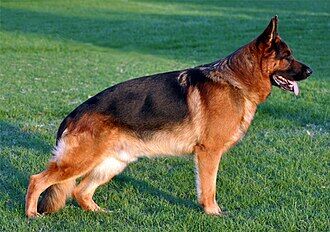
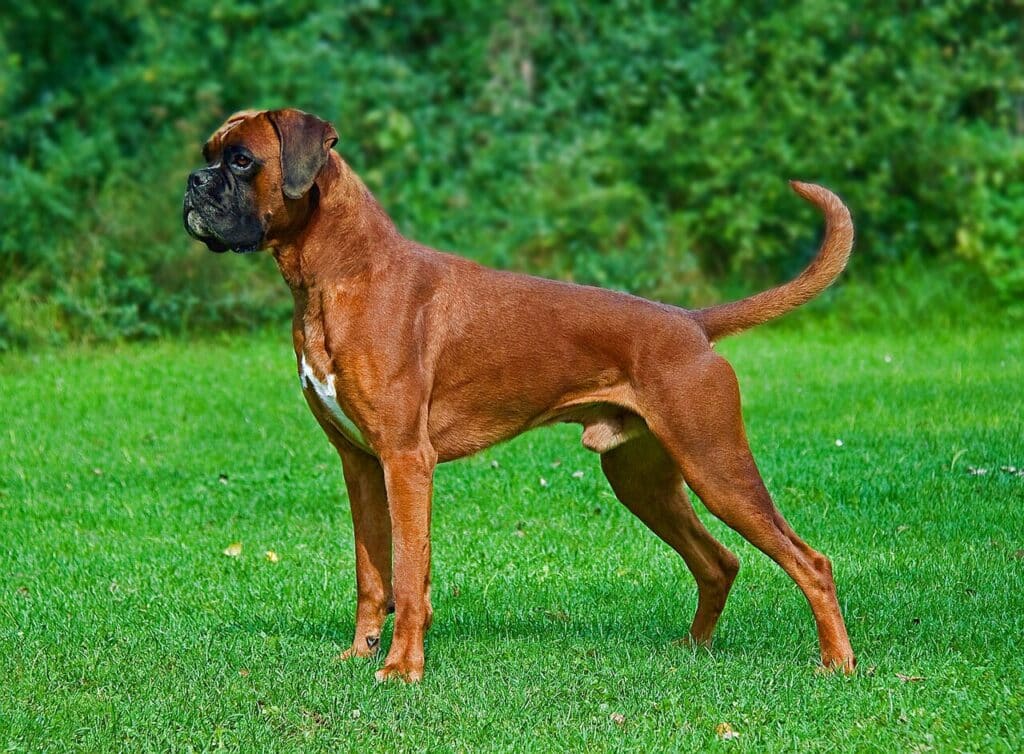
- Dogs with sensitive stomachs or diagnosed food allergies. Breeds like the Pastor Alemán or Bóxer have a well-deserved reputation for delicate digestion, and in them it is advisable to go slowly.
- Cachorros. Their digestive system is immature and any sudden changes affect them more. Also, never use with them “shortcuts” such as the short fast that is sometimes applied in healthy adults.
- Older dogs, which tend to tolerate changes worse and are often switching to a senior feed with a different fibre and calorie profile.
- Very drastic dietary changes: from feed to wet food, from a chicken recipe to a fish recipe, or to diets with very different levels of fat.
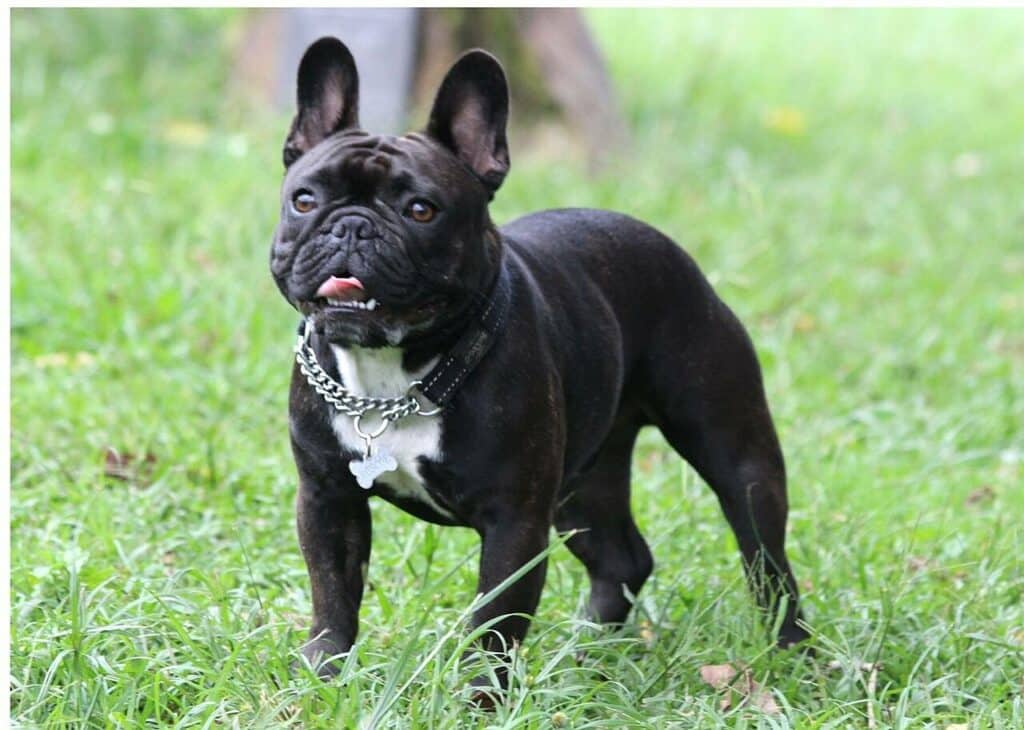
- Brachycephalic breeds like the Bulldog Francés, prone to aerophagy and gas, where a poorly carried change is noticed (and smelled) especially.
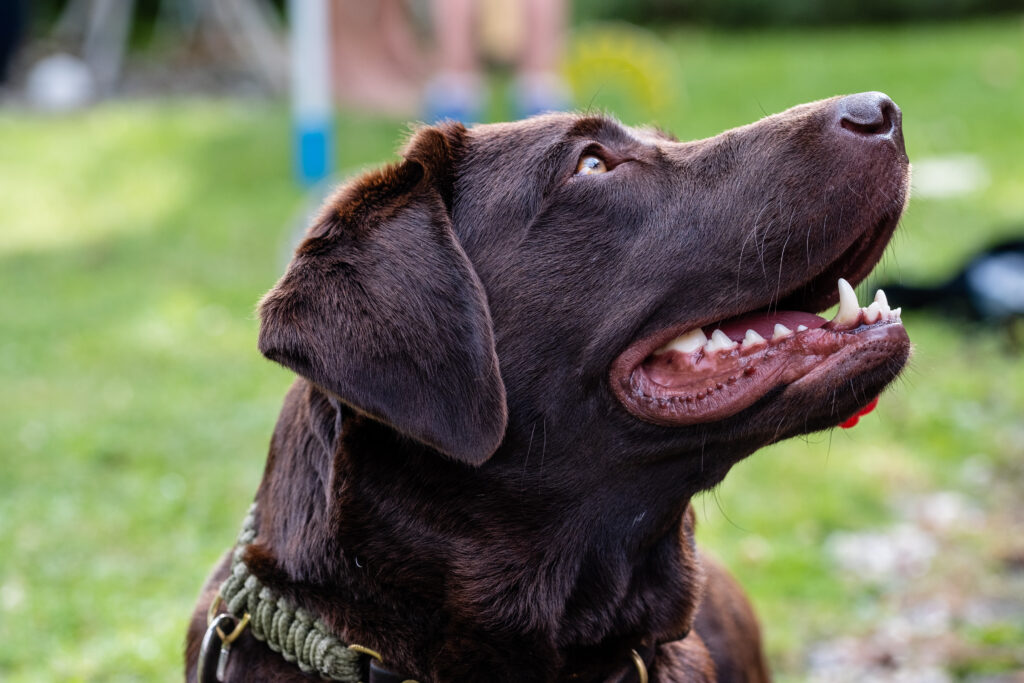
At the opposite end of the spectrum are professional swallows like the Labrador Retriever, who will embrace any new food with enthusiasm.
Special mention should be made of giant breeds like the Gran Danés, with a higher risk of stomach torsion: in which any change in diet should be done calmly, in several small doses a day and avoiding strenuous exercise immediately after eating. And with mini Yorkshire Terrier type dogs, often more selective with food, the key is usually patience: Better a slow transition than a pulse of wills with the feeder.
Warning signs: what to watch for during the transition
During the changeover, it’s normal to have some sort of digestive “noise”: slightly softer stools, some excess gas, a regular appetite day.
- Liquid or bloody diarrhoea.
- Repeated vomiting(more than one or two isolates).
- Apathy or abdominal pain: hunched posture, tense abdomen, complains when touched.
- Total refusal of food for more than 24 hours.
- Itching, redness of the skin or ears, which may point to an adverse reaction to the new food.
If mild discomfort occurs, the protocol recommended by veterinarians is simple: take a step back. in the proportions (or to 100% old feed if necessary), wait for the stool to normalize and resume the transition more slowly.
If the diarrhea or vomiting lasts more than a couple of days, there is blood, or your dog is decayed, stop experimenting and go to the vet.. Sometimes the problem is not the transition but the food itself (an intolerance, for example) or something that has nothing to do with the food.
When It Makes Sense to Change Your Mind (and When It Doesn’t)
Changing for the sake of changing brings nothing: if your dog is healthy, with good weight, shiny hair and firm stools, his current feed is working.
- Change of life stage. From puppy to adult (about 12 months in small and medium breeds, later in large breeds) and from adult to senior.
- Diets for kidneys, allergies, overweight, digestive… here’s your vet, also on how to make the transition.
- Visible problems with the current feed: persistent soft stools, itching, faded hair, constant gas or continued rejection of food.
- Changes in weight or activity level: sterilization, more or less exercise, incipient overweight.
- Product recall or change of manufacturer’s formula. Sometimes you have no choice but to change quickly: in that case, ask your vet for a shortened schedule and double check.
When choosing new feed, look on the label for a whole food for your dog’s life stage (standards such as AAFCO or FEDIAF guarantee that it covers all their nutritional needs) and, if you are in doubt between several options, your vet knows your dog better than any advertisement.
Common Mistakes Ruining the Transition
- Change in a flash “because total, that’s all I think”. is the number one cause of preventable diarrhea.
- Hurry the old sack to the end. If you don’t have any reserves left of the old feed, you can’t mix.
- Give up on the second day. A dog that sniffs and eats less eagerly is not “rejecting” the new food; it is evaluating it.
- If you need to make food more palatable, a little warm water to hydrate it is usually enough.
- Changing several things at once: new thinking + new awards + new schedule = impossible to know what caused the diarrhea.
- Ignore the manufacturer’s numbers. Each feed has a different caloric density; serving “the same cactus as always” can add up to 20% more calories without you realizing it.
- Do not write anything down. A note on your cell phone with the day of transition and stool status gives you objective information if you end up needing the vet.
Frequently Asked Questions
How many days does it take to change a dog’s food?
The standard regimen recommended by veterinarians and the AKC lasts 7 days: 25% fresh feed on days 1-2, 50% on days 3-4, 75% on days 5-6 and 100% from day 7.
What if I change my dog’s food all of a sudden?
The most common is digestive distress: diarrhea, vomiting, gas and loss of appetite, because the gut microbiota and digestive enzymes do not have time to adapt to the new ingredients.
Is it normal for my dog to get diarrhea from changing feed?
A slightly softer stool during the first few days is relatively normal. Liquid, bloody or lasting more than 48 hours diarrhoea is not: go back to the previous ratio (or old feed) and, if it does not improve in a couple of days or your dog is decayed, consult your veterinarian.
Can I mix two feeds permanently?
You can, but with nuances: both should be complete foods suitable for the same life stage, and you’ll have to adjust the amounts so you don’t go over calories.
How often do you have to change a dog’s food?
There is no obligation to change if the dog is healthy and the feed is complete and suitable for its life stage. Changes are justified when moving from puppy to adult, from adult to senior, by veterinary prescription or if the current food feels bad.
What do I do if my dog doesn’t want to eat the new food?
Try to slow down the transition, hydrate the feed with a little warm water or check that the format suits you (croquette size, texture). Avoid camouflaging it with prizes or leftovers. A healthy adult can skip some food without a problem, but if total rejection exceeds 24-48 hours – or it is a puppy – consult a veterinarian.
This article is for informational purposes only and does not replace the advice of your veterinarian, who knows your dog’s history and needs best.