Las mejores razas de perro para pisos pequeños
Living in a small apartment doesn’t condemn you to be without a dog. What does force you is to choose better. There are breeds of dog for flooring s that fit beautifully in 50 square meters and others that, no matter how much you fall in love in photos, will suffer (and make you suffer) between four walls. The key, and this is repeated by both the American Kennel Club and most dog breeders, is not the size of the dog: It’s his temperament, his energy level and how much he barks. In this guide, we’ll tell you which breeds work best in small spaces, which breeds usually cause problems, and what you can do to make coexistence a good thing, no matter who lives at home.
What makes a race fit on a floor?
Before you look at breed lists, it’s good to understand what you’re really looking for. A “floor dog” is not a small dog: it’s a dog that can be quiet at home when not touching activity. These are the four factors that really matter:
- Power level on the inside. There are large dogs that are surprisingly calm indoors and mini dogs that are pure nerves. What counts is how the dog behaves between walks, not how much it weighs.
- Tendency to bark. In a building with neighbors, a dog that barks at every elevator noise becomes a serious problem.
- Tolerance for loneliness. If you work outdoors, you need a dog that can stand alone for a few hours without breaking the couch or howling.
- Sociability in shared spaces. Stairs, gateways, elevators, corridors: your dog will cross paths with people and other dogs constantly.
The American Kennel Club itself insists that virtually any dog can live in a flat if it gets the exercise, stimulation, and attention it needs. But let’s be honest: with some breeds, that involves a level of dedication that most people with normal working hours can’t take on. That’s why there are clearly more recommended breeds.
The Best Dog Breeds for Small Apartments
This selection combines small companion breeds with some large-sized surprise. They all share the essential: they are able to be relaxed at home and do not need a garden to be happy.
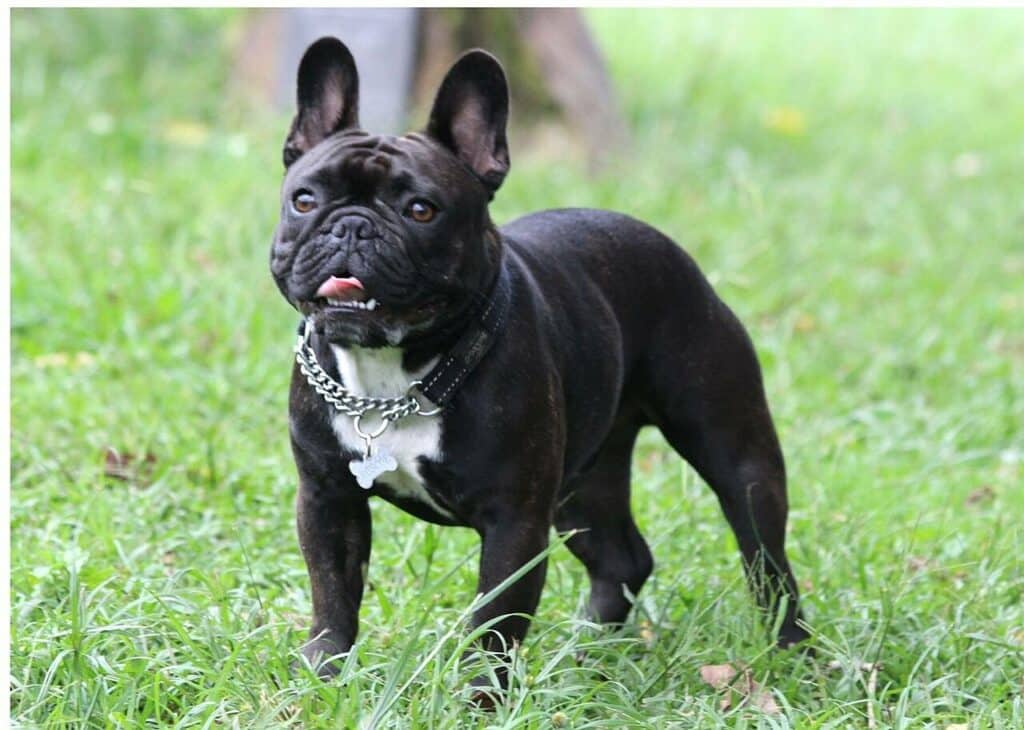
1. French Bulldog
Probably the king of urban flats. The Bulldog Francés is compact, low barking, very attached to its people and reasonably well suited to being alone for a while. A couple of quiet walks a day is enough. Of course, it is a brachycephalic breed: Veterinary studies by the University of Cambridge on obstructive airway syndrome (OAS) show that these dogs are poorly tolerant of heat and intense exercise, and that they have a much higher risk of heat stroke even at moderate temperatures. In summer, walk first and last, always with water, and in case of strong snoring or excessive fatigue, consult your veterinarian.
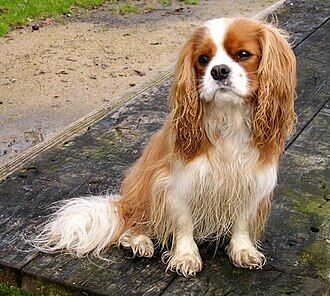
The Cavalier King Charles Spaniel
If you’re looking for a sweet, adaptable, quiet dog, the Cavalier King Charles Spaniel is hard to beat. It’s a miniature spaniel bred for centuries for one thing: companionship. It adapts to the rhythm of its family, whether sedentary or active, and gets along well with children and other animals. Its weakness is just the other side of the coin: it needs company. If it’s going to spend many hours alone every day, it’s not your breed.
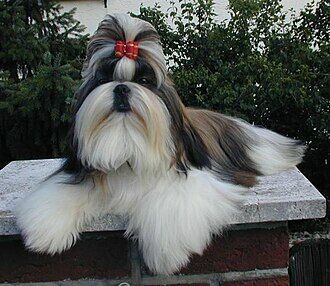
3. Shih Tzu
The Shih Tzu was bred exclusively as a companion dog: It has no hunting or guarding instinct to keep it on constant alert. He’s small, homely and loves spending the day inside. In return, he asks you to maintain the mantle: or frequent brushing if you wear it with long hair, or regular visits to the dog barber with a short cut. He’s also brachycephalic, so he takes the same precautions with heat as he does with the French Bulldog.
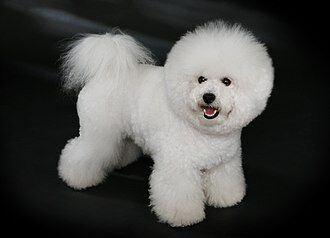
4. The Frisian bison
Cheerful, small, sociable and with a curly coat that sheds very little hair, the Bichón Frisé is one of the best choices for compact floors. Watch out for the myth: No breed is 100% hypoallergenic, although those of this type usually cause fewer problems for allergy sufferers. If there are allergies at home, spend time with the breed before deciding and discuss it with your doctor. Like the Shih Tzu, it requires regular brushing and hairdressing.
5. Pug
The Carlino is the clown of companion dogs: adaptable, quiet at home and as happy in a studio as in a villa. Your two mandatory watches: the weight, because it gets fat easily and loves to ask for food, and the heat, because it’s one of the brachycephalic breeds most at risk for respiratory problems. Short and frequent walks, no exertion in hot hours and regular veterinary check-ups.
Greyhound (and its cousin the Whippet)
Here comes the surprise on the list. The Greyhound, despite being a large and the fastest dog in the world, is famous among veterinarians and adopters as “the couch athlete”: He’s a sprinter, not a runner. He spends most of the day sleeping or lying down and, with a couple of good daily walks and an occasional sprint in a safe area, is completely satisfied. At home it’s quiet, clean and almost feline calm. The same applies, in smaller format, to the Whippet, ideal if you prefer less dog on the couch. With both, caution when releasing them: Their chase instinct is very strong and it’s best to work on the call to consciousness before releasing them into open spaces.
Other races to have on the radar
- Small Maltese and Bolonka/Habanero:, attached and perfectly happy inside.
- Boston Terrier: the “American knight”, compact and good-natured (brachycephalic too).
- Toy or miniature poodle: is extremely intelligent and versatile; it needs mental stimulation, but it fits in any home.
- Adopted Spanish Greyhound: shares the Greyhound’s quiet profile and there are thousands waiting for home in Spain.
Rapid comparison table
| Breed | Size | Energy at home | Barking | Keep an eye out. |
|---|---|---|---|---|
| French Bulldog | Small | Get down . | Below | Heat and breathing (BOAS) |
| The Cavalier King Charles | Small | Low-average | Below | She can’t stand loneliness. |
| Shih Tzu | Small | Get down . | Average | Coat and warmth |
| Frisian bison | Small | Average | Average | Periodical hairdressing |
| Carlino , please . | Small | Get down . | Below | Weight and heat (BOAS) |
| Greyhound | Large | Very low | Very low. | Instinct to Persecute |
| Whippet | Average | Very low | Very low. | Cold (coat in winter) |
Breeds that usually have a hard time on a flat
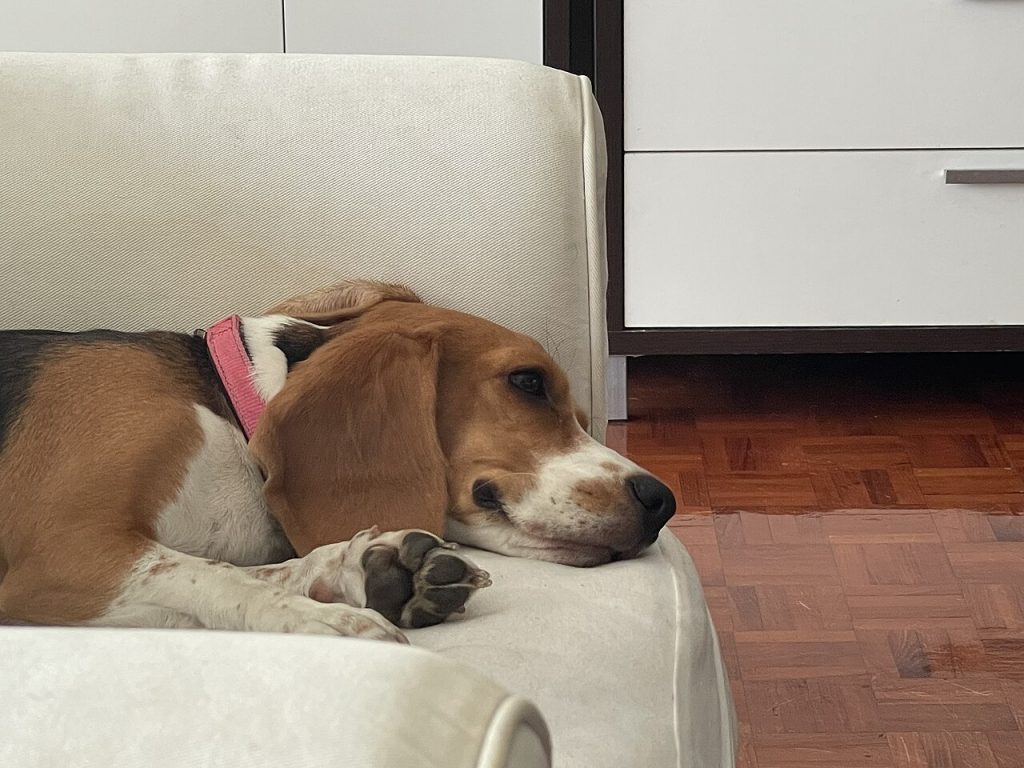
It’s not that it’s impossible, it’s just that the bar for dedication goes up a lot. Hard-working breeds – think of a Border Collie, a Siberian Husky, or a Jack Russell – need hours of physical and mental exercise each day. Without it, excess energy turns into barking, wrecking, and anxiety, and in a small apartment, there’s nowhere to hide the problem. Hunting dogs with a strong sense of smell and voice, such as the Beagle, can also adapt, but their tendency to howl when left alone requires serious training work from puppyhood. If your heart calls for one of these races, be honest with yourself about the actual time you can spend on it daily, not your best weekends.
Tips for living with your dog within a few meters
Race is half the equation, the other half is you.
- Quality rides, not just peeing. Three daily outings at least, and at least one of them long, with time to sniff calmly.
- Routine is stable. Similar walking and feeding times give the dog security and reduce barking and nervousness at home.
- Mental stimulation on the inside. Olfactory toys, olfactory carpets, interactive canteens and short positive training sessions.
- A corner of my own. Even if the floor is small, your dog needs a bed in a quiet area where no one disturbs him.
- Teach him to be alone gradually. It starts with minutes of absence and goes on and on, and if you have breakdowns, continuous barking, or drooling when you’re alone, talk to a dog trainer or a veterinarian who specializes in behavior.
- Window on the world, with a head. Many dogs love to look at the street; others activate them and make them bark. Observe yours and manage access to balconies and windows as you feel.
Common Mistakes to Avoid
- Choose just by size. A Jack Russell fits in a bag and can drive you crazy; a Greyhound takes up half a couch and is a saint.
- Buying a brachycephalic breed on the fly without asking. French and Carlino Bulldogs are wonderful, but their respiratory health demands compromise: review veterinary insurance prices, learn about the symptoms of BOAS, and extreme care in the summer.
- To think that the balcony replaces the walk. doesn’t, never, the dog needs to go out, sniff and socialize every day.
- Punish the barking without looking for the cause. Barking is a symptom: boredom, alertness, fear or anxiety.
- Ruling out the adoption. In shelters there are adult dogs of already known energy, many of them perfect for floors.
Frequently Asked Questions
Can a big dog live in a small apartment?
Yes, as long as their energy levels are low and you cover their daily exercise needs. The Greyhound is the best example: despite its size, it spends most of the day resting and is one of the quietest dogs that exist indoors. Temperament matters much more than square feet.
How many times a day do you have to take out a dog that lives in a flat?
As a general guideline, an adult dog needs a minimum of three daily walks, and at least one should be a long walk with time to sniff and exercise. Puppies and older dogs need more frequent and short walks. Always adjust according to your dog’s age, health and breed.
What breeds of dogs bark the least on a floor?
Among the quietest are the French Bulldog, the Greyhound, the Whippet, the Carlino and the Cavalier King Charles Spaniel. The Basenji directly does not bark (emits a kind of song).
Is it bad for a dog to live in a small apartment?
No. What hurts a dog’s well-being is not the size of the house, but the lack of exercise, stimulation, and companionship. A well-walked and cared for dog lives happily in a small apartment, while a bored dog may be unhappy in a house with a huge garden.
What precautions do flat-snouted breeds like the French Bulldog or the Carlino need?
Brachycephalic breeds are worse at tolerating heat and intense exercise because of their respiratory anatomy, and have a higher risk of heat stroke even at moderate temperatures. Avoid walking in hot hours, always carry water and watch for loud snoring, excessive fatigue or bluish gums.
How long can a dog stay alone in a flat?
It depends on the dog, but no dog should spend only full working days each day without breaks. Train absences gradually from day one and, if you work long hours outside, arrange for a walker, dog daycare or the help of someone you trust at noon.