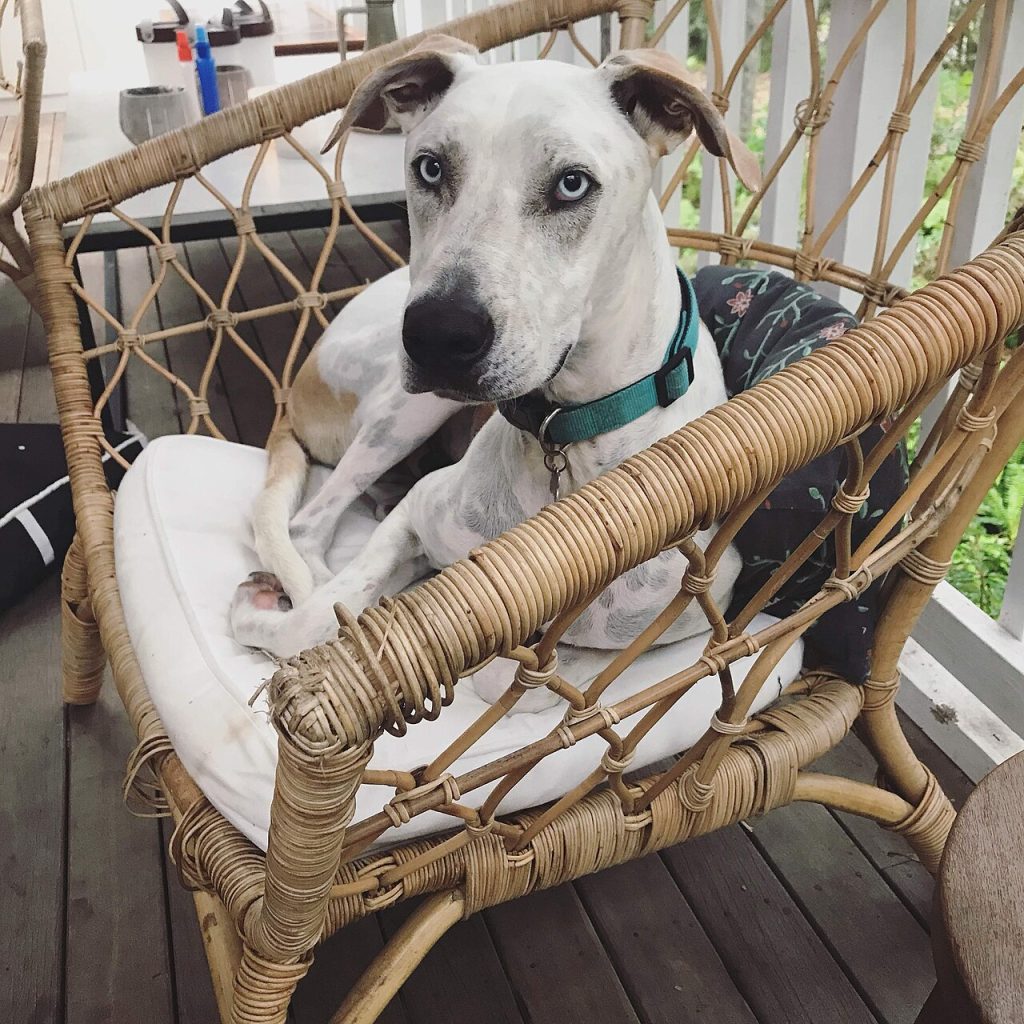
The Bull Arab is a large, athletic and serene-looking Australian dog, bred from the seventies onwards for a very specific task: Locate, chase and contain wild boars in the mountains. It is not a saloon breed nor a dog recognized by the FCI, but a functional hunter who, well understood, can also become a loyal and balanced companion. If you are attracted to the rugged greyhound’s demeanor and quiet nature in the home, you should know exactly what kind of dog you are dealing with.
Is the Arab Bull for you?
The Bull Arab is a real working dog, not a “light” version of a companion molosoid. Its great advantage is a temperament described in the standard as loyal, balanced and placid at home, combined with a physique capable of enduring hours of activity. Its great challenge is that the same engine needs an owner to run and steer it. Before you fall in love with the photos, look honestly at these two columns.
In favour .
- Balanced character, loyal and quiet inside the house.
- High physical endurance: ideal for very active people.
- Intelligent and independent, with remarkable ability to learn when motivated.
- Short hair that barely requires a hairdresser.
- Good farm or country dog for someone with an outdoor life.
To be taken into account
- Strong prey instinct: watch out for cats and small animals.
- It needs plenty of daily exercise; it is not an inactive floor dog.
- Size and strength demanded by an owner with a steady, serene hand.
- Breed not recognized by the FCI: variable morphology and little breeding regulation.
- It requires early and constant socialization to get along with other dogs.
Character and temperament

The ABBA standard describes a dog as “kind and loyal, of a balanced and peaceful nature, intelligent and independent, with strong drive and determination when working”.
He’s a dog who thinks for himself. That independence, inherited from his work away from the guide hunting wild boar miles away, makes him resolute but also somewhat stubborn. He obeys, not out of submission, but because he understands and trusts the one who directs him. The standard is also very clear on one point: The Bull Arab must not show aggression towards other dogs and, under no circumstances, towards people. A nervous or reactive specimen strays from what the breed purports to be.
It is usually affectionate and calm with its people, which explains why more and more Bull Arabs are living as pets.
Coexistence: children, other pets, flat and loneliness

With children, a well-socialized and well-behaved Bull Arab can be a patient and caring companion, but its size and energy force it to monitor contact with the smaller ones: an unintentional punch while running can pull a child.
With other pets you have to be careful. We are talking about a dog bred to chase and hold prey, so its instinct towards cats, rabbits or chickens can be intense. Coexistence with other dogs is possible, especially if they grow together and socialization is worked, but it is advisable to present calmly and not take anything for granted.
The floor is not its ideal habitat. A Bull Arab can live in a city if it is guaranteed plenty of exercise, but it shines in houses with terrain, farms and rural environments where it can move around.
Education and training
Training a Bull Arab is a mixture of patience and perseverance. It is intelligent and learns quickly, but its independent side makes it not accept meaningless repetition or harsh methods. Positive reinforcement, short and motivating sessions and daily consistency are the path that works best with this breed.
The two priorities of his education are early socialization and control of dam impulse. The earlier you get to know people, dogs, noises, and different environments, the more balanced you will be as an adult. And since their hunting instinct is real, it’s best to work from a puppy on the call, the “leave” and the self-control, because a Bull Arab thrown after a trail is hard to slow down. It’s not the ideal breed for a first-time owner who doesn’t want to be involved in his upbringing.
Exercise and activity

Here is the key to the breed. The Bull Arab was bred to track wild boars for several miles and hold them until the hunter arrives; that physical background does not disappear because the dog lives at home. It needs plenty of daily exercise: long walks, runs, search games and, very importantly, mental stimulation that occupies its sense of smell and its head.
A Bull Arab that covers its activity needs is a calm and pleasant dog at home. One who does not cover them becomes restless, destructive and difficult to handle. Dog sports such as canicross, mantrailing, and tracking games feel wonderful to him because they combine physical exertion with olfactory work, just what his genetics demand. If your idea of a walk is a short walk around the block, this is not your race.
Care: fur and hygiene
In this section the Bull Arab is grateful. Its hair is short and smooth, so maintenance is simple: a weekly brushing is enough to remove the dead hair and keep the skin healthy, intensifying it in moulting seasons.
The baths should be the right ones, only when it’s really dirty, so as not to dry out the skin. The rest of the hygiene is routine for any large, active dog: checking and cleaning ears, monitoring and trimming nails if they do not wear out on their own, and maintaining dental hygiene with specific toothbrushes or products. After field trips, it is advisable to inspect pads, ears and skin for ticks, spikes or small wounds, something logical in a dog designed to move on difficult terrain.
Foodstuffs
As a large, muscular, high-energy dog, the Bull Arab needs a quality diet well-adjusted to its actual activity. A working or exercising dog burns significantly more than one who spends the day quietly, and the diet must reflect this difference to avoid both thinness and overweight.
It is advisable to divide food into two daily servings instead of one, a recommended practice in large, deep-chested dogs to reduce the risk of digestive problems, and avoid strenuous exercise just before and after eating. As always, it is wise to choose a food appropriate to your size and age and, if in doubt about quantities or specific needs, to consult your veterinarian rather than improvise.
Health and life expectancy
The Bull Arab is, in general, a rustic and functional dog: Having been selected for their work capacity rather than for extreme aesthetics, head-bred lines tend to be robust. There is, however, no official health programme such as that for FCI-recognised breeds, nor broad and homogeneous clinical data, partly because many dogs called “Bull Arab” are actually similar type crosses.
Due to their size and morphology, it is advisable to monitor the usual in large and athletic dogs: joint health (hip and elbows), care after strenuous physical activity and regular veterinary checks. As it is a field dog, wounds, ticks and problems arising from work in the mountains are more relevant than many hereditary diseases. There is no official, verified life expectancy figure specific to the breed; it is wise not to risk numbers and focus on prevention: adequate exercise, proper weight, good nutrition and veterinary follow-up.
Physical appearance
The Bull Arab conveys a balanced image between power and speed. The standard insists on moderation: everything in it must be harmonious, without exaggerations, with a silhouette formed by smooth curves and a symmetrical and well-built body.
It’s a large dog with marked sexual dimorphism. According to the ABBA standard, males ideally measure between 63 and 69 cm at the withers and weigh 32 to 42 kg, while females measure between 61 and 66 cm and weigh 30 to 40 kg. The hair is short and smooth, and the most characteristic coat is white with spots – in shades of black, liver or tan, often concentrated on the head – although solid-coated specimens are also seen. A telltale detail of the standard: The scars of labor are not penalized, a statement of principle about the true nature of race.
Origin and history
The story of the Bull Arab began in Queensland, Australia, in 1972, with breeder Mike Errol Hodgens. His objective was very practical: To create a dog capable of locating, chasing and holding wild pigs in the harsh Australian terrain. To achieve this, he designed a specific crossbreeding formula – 50 percent Bull Terrier, 25 percent Greyhound, and 25 percent German Shorthaired Pointer – that combined strength and bite, speed, and a fine sense of smell with a willingness to work.
Hodgens spent more than a decade refining the breed and, at its peak, produced hundreds of dogs a year. His career was not without personal and legal conflicts that ended up taking him away from breeding in 1989, but by then the Bull Arab had already taken root among rural hunters. From there, different breeders in Queensland and New South Wales developed their own lines: Some introduced Bloodhound looking for more smell, others added Mastiff or Great Dane to gain size and strength in mountainous terrain. That is why today remarkable variations coexist under the same name.
In 2007 the Australian Bullarab Breeder’s Association (ABBA) was born, which published a written standard, promotes responsible breeding and pursues recognition of the dog by the Australian National Kennel Council.
Curiosities
- Their sense of smell is exceptional – a Bull Arab can detect a wild boar from three to four miles [4-6 km] away.
- The name unites its roots: “Bull” for the Bull Terrier and “Arab” for the influence of grey-haired lines on its speed.
- It is not a breed recognized by the FCI nor by the ANKC; its standard is maintained by the breeders association ABBA.
- Many of the dogs featured in shelters and media such as “Bull Arab” are actually crossbreeds that only recall the breed, making it difficult to study their actual behavior.
- In analysis of bites in New South Wales between 2010 and 2020, none were attributed to the Bull Arab, although it is also not among the most common breeds in the area.
- The standard does not penalize labor scars: a breed proud of its original function.
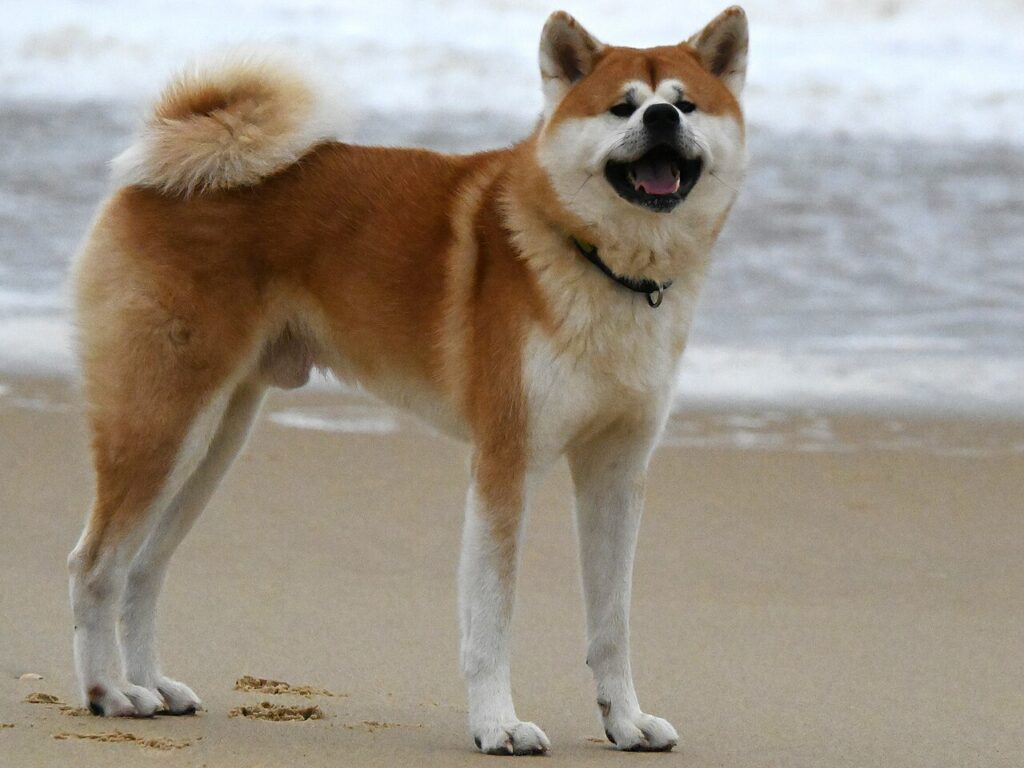
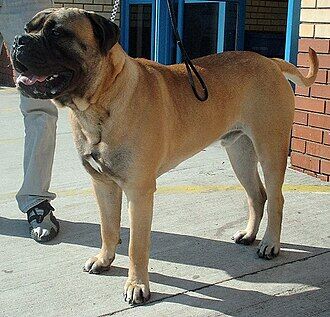
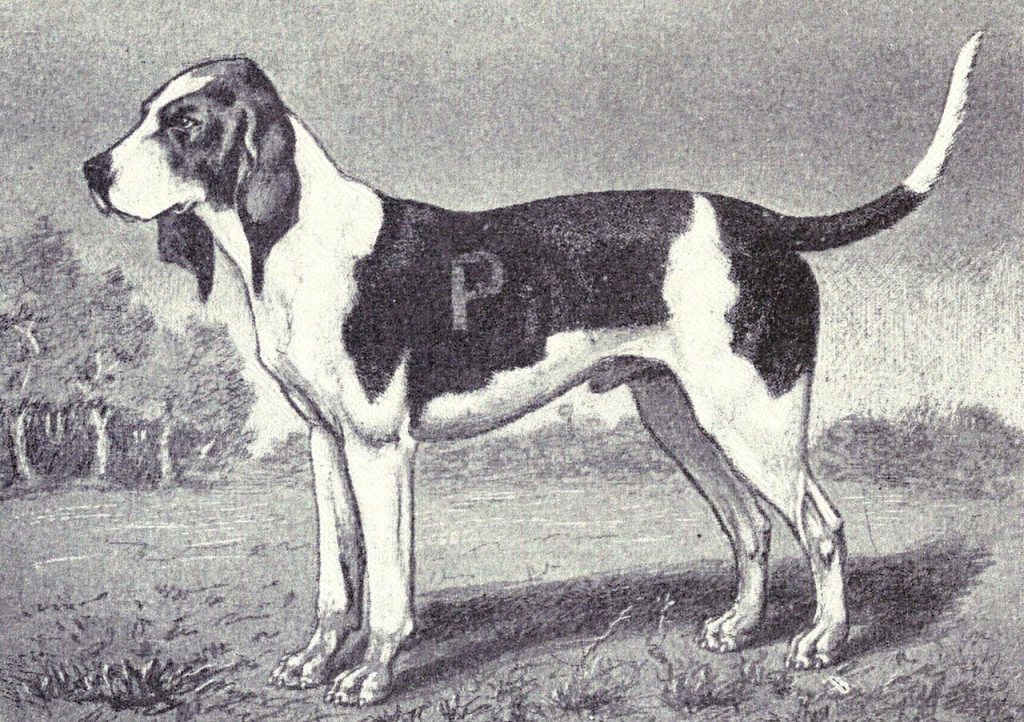
If you are interested in the Bull Arab for its blend of power and speed, you may also want to learn about the breeds that run through its veins and others with similar abilities: The fast Greyhound, one of its foundational pillars; the Pointer, a close relative of the braco that brought smell and willingness to work; the tracker par excellence Bloodhound, added to some lines to fine-tune the smell; and the imposing Gran Danés, present in the variants bred to gain size.
Frequently Asked Questions about the Bull Arab
Is the Arab Bull an officially recognized breed?
I’m not going to. The Bull Arab is a young Australian breed that is not yet recognized by the FCI or the Australian National Kennel Council (ANKC). Its standard is maintained by the Australian Bullarab Breeder’s Association (ABBA), created in 2007, which works precisely to achieve that official recognition. That means that many dogs labeled as Bull Arabs in shelters or advertisements are actually crossbreeds that only look like them.
What breed does the Bull Arab come from?
The original formula by Mike Hodgens combined 50% Bull Terrier, 25% Greyhound and 25% German Shorthaired Pointer. Over the years, some lines incorporated Great Dane, Bloodhound or Mastiff to adapt it to different terrains.
Is he a good family dog?
It may be. Its standard describes a loyal, balanced and calm character at home, and many Bull Arabs live as affectionate pets. However, it is a hunting dog with a lot of drive and energy: it needs an active owner, early socialization and clear boundaries. It is not a breed for those looking for a comfortable dog on the floor with little exercise.
How much exercise does a Bull Arab need?
A lot. It was bred to locate and chase wild boars several miles away, so it has a remarkable physical background. Reasonable is one or two long walks a day, running or sniffing work, and mind-tiring games.
Is the Arab Bull a dangerous or aggressive dog?
His standard is clear: should not show aggression towards other dogs and under no circumstances towards people. The RSPCA recalls that there is no scientific evidence that certain breeds are inherently more dangerous; behaviour depends largely on socialization, upbringing and responsible management by the owner. Their strength and prey instinct do demand a serious owner.
How tall and how much does a Bull Arab weigh?
It is a large dog. According to the standard of the ABBA, the males measure between 63 and 69 cm at the cross and weigh 32 to 42 kg; the females measure between 61 and 66 cm and weigh 30 to 40 kg.
Is it only for hunting or also for company?
It was born and is still used mainly as a wild boar hunting dog in Australia, but its population as a companion animal is growing. The key is to understand what it really is: a working dog with high energy and instinct. If given exercise, structure and affection, it can be a loyal and noble companion; if treated as a decorative dog, it suffers and causes problems.
Why are there so many Bull Arabs in Australian kennels?
Protectors and the Queensland RSPCA point to an irresponsible breeding linked to hunting: unsterilized animals, unplanned litters and abandoned dogs when not fit for hunting. Many of these dogs are Bull Arab crossbreeds, not registered specimens.