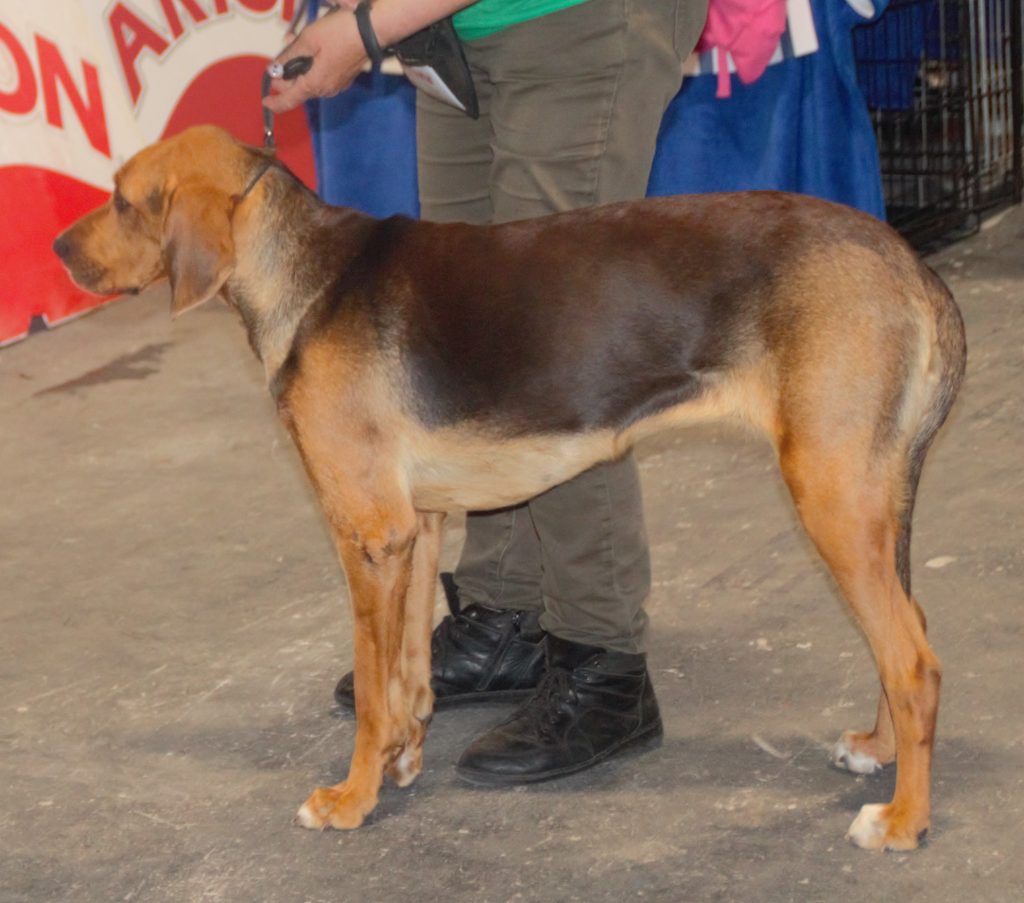
The Sabueso Polaco(Polish: Ogar Polski) is a breed of hunting dog native to Poland, bred for centuries to track large pieces through the country’s forests and mountains. It is a robust hound with an exceptional sense of smell and a loud voice, as resilient to hard work as it is calm and affectionate at home. If you are looking for a balanced, loyal, outdoorsy companion, the Polish Hound deserves a thorough introduction.
Is that the Polish Hound for you?

The Polish Hound is a working dog with a companion heart. It does wonderfully with active owners who enjoy nature and who will give it long walks, but it can get frustrated in the hands of someone waiting for a sedentary, couch dog. Before you fall in love with its noble look, look sincerely at whether its rhythm matches yours.
In favour .
- Quiet, affectionate and very loyal to his family.
- Smart and easy to educate, willing to cooperate.
- Sociable with other dogs and kind to children.
- Rustic and resistant: adapts quickly to harsh climates and terrain.
- Low maintenance coat and good longevity (13-14 years).
To be taken into account
- It needs plenty of daily exercise; it’s not a small-floor dog.
- Intense tracking instinct. It gets lost after a scent and costs the call.
- Strong, low voice; tends to “voice” when following a trail.
- Rare breed outside Poland; breeders may be difficult to find.
- With small pets, it requires supervision because of its hunting instinct.
Character and temperament
Those who know the Polish Hound describe it with two seemingly contradictory words: brave and calm. In the mountains it is a determined, tireless dog with a remarkable aplomb for hard work; at home it is serene, balanced and very attached to its own. This dual nature is precisely what makes it so attractive as a companion dog for active people.
It is an intelligent animal that learns easily and enjoys having a task in hand. It is not aggressive, but it is prudent and reserved with strangers, without reaching hostile distrust. With its family it is affectionate and loyal, and its maturity comes slowly: it retains a playful air for quite some time, something that should be kept in mind during upbringing.
Its most defining trait is the tracking instinct. The Polish Hound lives by the nose: when it catches an interesting smell, it goes into “work mode” and everything else goes into the background. Understanding this is not a defect, but the essence of a hound, and working with that instinct rather than against it is the key to living well with the breed.
Coexistence: children, other pets, flat and loneliness

With children. is a patient and affectionate dog, which usually gets along well with children in the house. As with any dog of considerable size, it is advisable to teach the little ones to respect their rest times and supervise play, but its balanced temperament plays in favor of a good family coexistence.
With other pets. being a pack breed, it tends to tolerate and enjoy the company of other dogs. With cats and small animals you have to go head to head: their chase instinct is real, so early socialization and controlled presentations make the difference.
On the floor and alone. The Polish Hound prefers a house with land and an owner who goes out into the countryside. It can adapt to a floor if it receives a lot of exercise, but it is not its natural environment. It also does not tolerate prolonged solitude: it is a sociable dog that needs company and stimulation so as not to get bored or develop unwanted behaviors.
Education and training
The good news is that we are talking about an intelligent dog with a clear willingness to learn: most classical descriptions agree that the Polish Hound is easy to train. It responds well to positive reinforcement, short and varied sessions, and consistent guidance. Gentle firmness works much better than toughness with a dog so sensitive to its guide.
The challenge is not basic obedience, but managing the olfactory instinct. Reliable calling and leashless work require time, perseverance and realistic expectations: when a hound follows a trail, competing with its nose is difficult. Start in controlled environments, reward generously for coming back to you, and don’t rely on total looseness in open areas until you have a solid foundation.
An excellent way to channel his head is to give him olfactory work: search games, sports tracks, and activities that take advantage of his natural gift.
Exercise and activity
This breed was forged to work full days in mountainous and difficult terrain, and that heritage marks its needs. The Polish Hound requires abundant and regular exercise: long walks, time for olfactory exploration, and opportunities to run in a safe environment.
As a guideline, a healthy adult appreciates the order of one to two hours a day of combined activity. It’s not just about expending physical energy: the mental stimulation that crawling gives you is equally important. Hiking, forest walks, nose work, and search games are activities that make you feel wonderful and strengthen your bond.
Care: fur and hygiene

The coat of the Polish Hound is one of its great practical advantages: double and dense hair, short and with good water resistance, designed to protect the dog in the field.
Bathing should be punctual, only when the dog is really dirty, so as not to damage the natural protection of the coat. Pay special attention to the ears: when they fall, they retain moisture and dirt, so it is advisable to check and clean them regularly to prevent infections. Complete the routine with cutting nails when necessary and good dental hygiene.
Foodstuffs
As a medium to large-sized and remarkably active dog, the Polish Hound needs a complete and balanced diet, adjusted to its age, weight and above all its actual level of exercise.
Split food into two daily servings instead of one, a recommended practice in deep-breasted breeds to promote digestion. Watch your weight: keeping it in optimum shape protects your joints and your overall health. Always have fresh water available, especially after long days of activity, and adjust the amounts with your veterinarian’s advice.
Health and life expectancy
The Polish Hound is a rustic and hardy breed, the result of centuries of selection for work in demanding conditions. Its average life expectancy is around 13 to 14 years, a good figure for a dog of its size. It is generally considered a healthy dog, without a long list of hereditary problems associated prominently with the breed.
Still, apply the common sense of any large, active dog: care for joints, not forcing exercise on growing puppies, keeping up-to-date with veterinary checkups, deworming and vaccinations, and paying attention to dropped ears.
Physical appearance
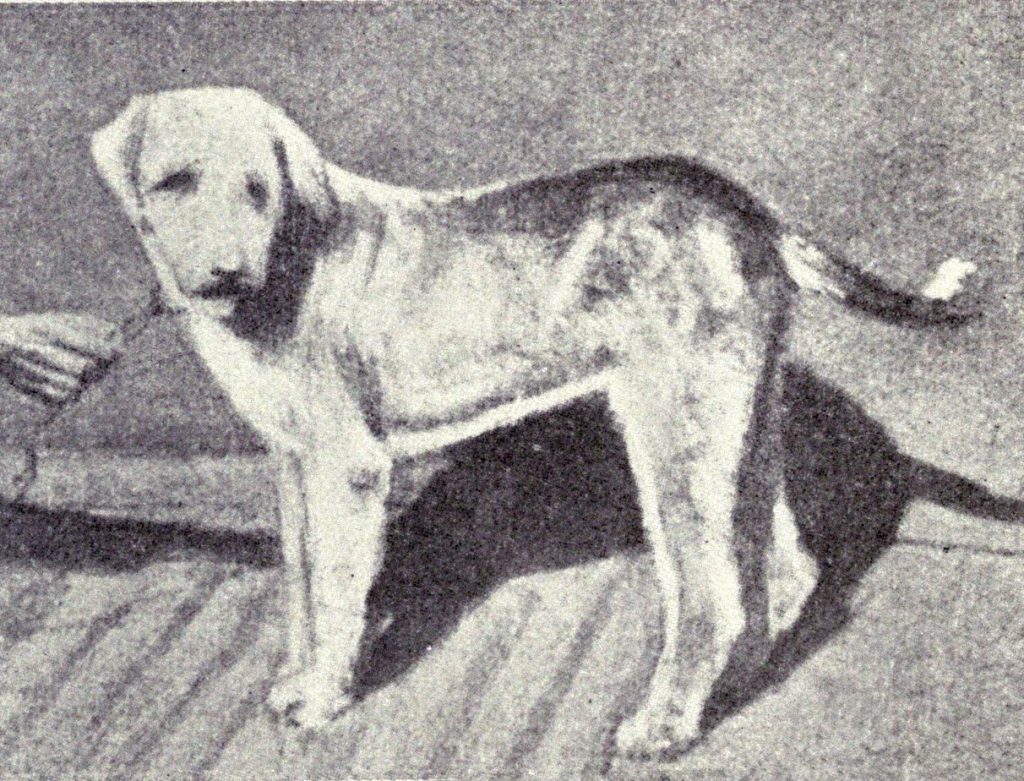
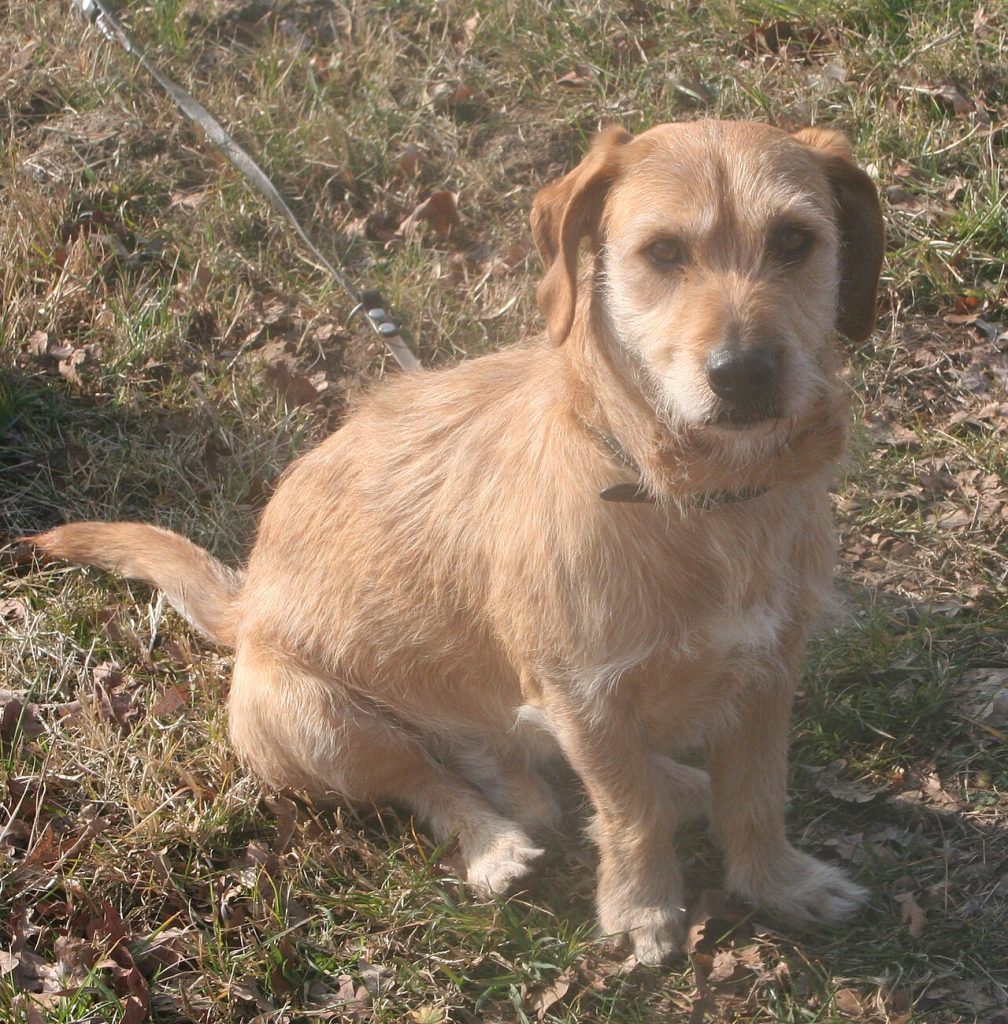
The Polish Hound is a medium-sized dog with a compact build and a strong but not heavy bone structure, which transmits power and agility at the same time.
Its coat is double and dense, with good water resistance. The characteristic color combines brown or brown tones in the lower areas of the body with black in the upper part, which runs from the neck to the tail, giving that appearance of a dark ⁇ mant ⁇ so recognizable.
Origin and history
The history of the Polish Hound is deeply rooted in Polish dog breeding tradition. Hunting with hounds appears in Polish literature as early as the Middle Ages, and the chronicles of the 14th century point to it as a highly prized activity by the nobility.
The first description of the Polish hound appears in the work of the naturalist Krzysztof Kluk (1779), and in the 19th century authors such as Jan Szytier (1819) documented in detail both the brackish and the Polish hound. World War II nearly wiped out the race, whose population plummeted. In the later recovery two types emerged, one lighter and another with stronger bones; it was the latter, promoted by Colonel Piotr Kartawik, that the International Canine Federation (FCI) officially recognized as Ogar Polski in 1966.
Curiosities
- Its Polish name, Ogar Polski, literally means ⁇ Polish sausage ⁇ .
- His voice, described as resonant and pure, was so valued that it helped hunters follow the dog far into the woods.
- His strong sense of smell and endurance made him the favorite helper of the Polish nobility for centuries.
- It was on the brink of extinction after World War II and owes its survival to the efforts of a handful of cynologists and hunters.
- It is considered very rustic: it quickly acclimates to new environments and harsh conditions thanks to its origin of work in the mountains.
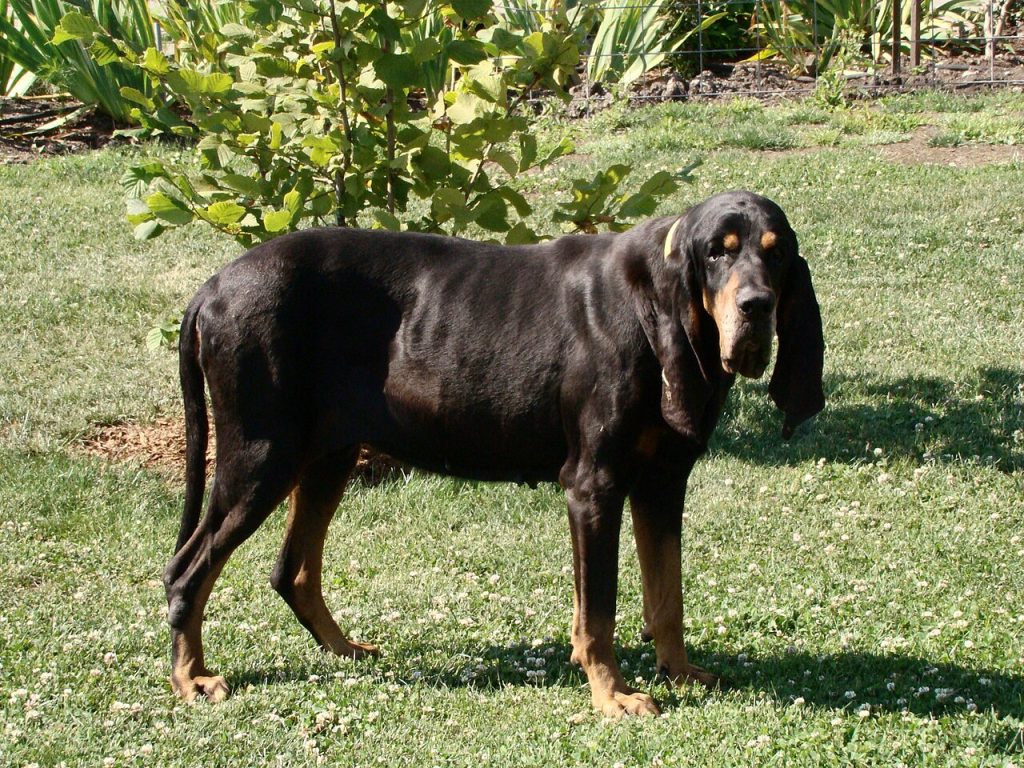
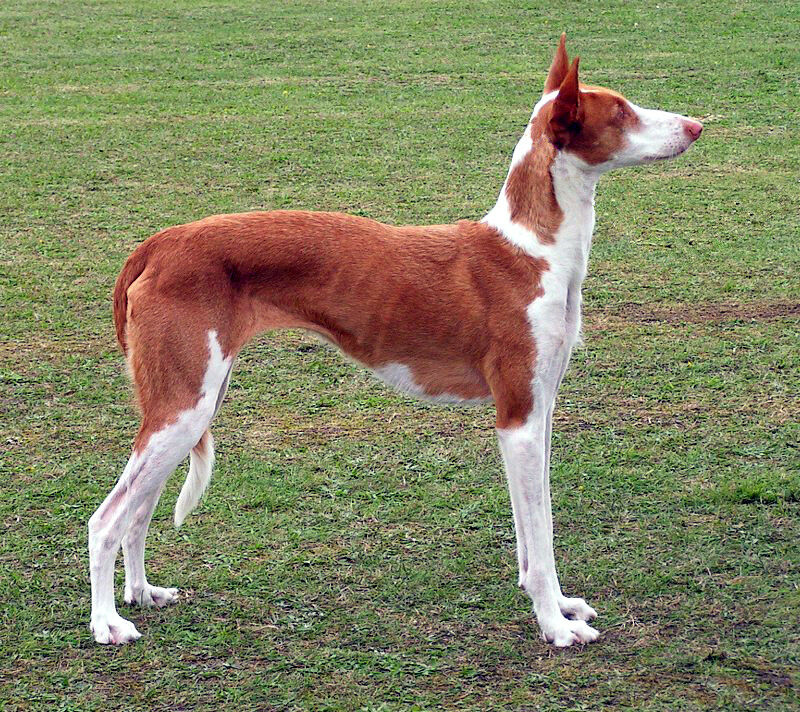
If the Polish Hound’s balanced character and tracking instinct have won you over, you may be interested in other working and working hound breeds with similar profiles: The Bloodhound, direct ancestor of this breed and absolute champion of smell; the versatile Beagle, cheerful and familiar hound; the sleek Basset Hound, another long-eared tracker; and the Vizsla if you prefer a more sporty hunting dog. You might also like the Pointer if you’re looking for another energetic show dog.
Frequently Asked Questions About the Polish Hound
Is the Polish Hound a good family dog?
Yes, within its profile. It is a calm, affectionate and very loyal dog to its owners, which gets along well with children and usually lives without problems with other dogs. The condition is to respect its origin: it needs plenty of exercise and space, and it is not an ideal candidate for those looking for a sedentary indoor dog.
How much exercise do you need a day?
As a sled dog bred to work long hours in the mountains, it appreciates one or two extensive walks daily plus time for sniffing and controlled running. As a guideline, think of a minimum of one to two hours of activity, combining walking, sniffing exploration and play.
Does he bark or howl a lot?
It has a powerful and sonorous voice, which is very appreciated in hunting because it allows you to follow the dog at a distance. At home this translates into a serious barking and a tendency to ⁇ give voice ⁇ when following a trail or detecting something.
Can he live in a flat?
It may adapt to a flat if the owner guarantees plenty of daily exercise and stimulation, but it fits much better in a house with land and an active outdoor lifestyle.
Is it easy to educate?
It is an intelligent and reliable learning dog, described as easy to train and very willing to collaborate. The nuance is its very strong tracking instinct: when hooked on a smell it tends to disconnect from the environment, so calling and working without a leash requires patience and constant reinforcement.
Do you get along with other dogs and pets?
With other dogs it is usually sociable and tolerant, something logical in a pack breed. With small pets you have to be more careful because of their hunting and pursuit instinct: coexistence is possible with early socialization and supervision, but it is not advisable to take it for granted.
How long does a hound live?
Its average life expectancy is around 13 to 14 years, a good figure for a medium-sized to large dog. It is a rustic and hardy breed; basic dog care and good physical activity help it to get fit into old age.
Does your coat need a lot of grooming?
No. It has double, dense hair, short, with good water resistance. Maintenance is simple: regular weekly brushing, a little more frequent in moods, and baths only when necessary. Check dropped ears regularly, because this type of ear retains moisture.