Separation Anxiety in Dogs – Causes and Solutions That Work
You close the door of the house and the concert begins: Crying and barking and scratching. When you come back, you find a bitten door frame, a gutted cushion, or a puddle in the hallway. If this sounds like you, it’s very likely that your dog suffers from separation anxiety, one of the most common behavioral problems in dogs: veterinary studies estimate that it affects between 14 and 20% of the canine population. The good news is that separation anxiety in dogs has a solution in the vast majority of cases, but it requires understanding what’s really going on with your dog and working with method. Here’s step-by-step, no smoke and what the evidence says works.
What is (and isn’t) separation anxiety in dogs
Separation anxiety in dogs is a real panic response that is triggered when the dog is left alone or separated from the person to whom it is most attached. It is not a tantrum, it is not revenge, and it is not a lack of manners: it is a state of distress comparable to an anxiety attack. The dog does not “know that he has done something wrong”; he simply cannot manage loneliness.
It should be distinguished from other similar problems. A young and energetic dog who destroys things for boredom does so in a distributed manner throughout the day and usually chooses “fun” objects. A dog with separation anxiety concentrates the debris on doors, windows and exits, and camera studies show that the episode begins very early: vocalization appears on average within three minutes of being alone, and destructive behavior before eight. If in doubt, record your dog with a cell phone or a camera: It’s the cheapest and most useful diagnostic tool out there.
Signs That Your Dog Is Suffering From Separation Anxiety
These are the most common signs. They don’t have to be all of them, and they always happen only when the dog is alone. or you feel like you’re going out:
- Excessive vocalization: barking, howling or continuous crying after you leave.
- Damages directed at exits: doors, frames, shutters, windows, you know what I mean?
- Urine or feces at home even if the dog is perfectly polite.
- Excessive salivation, wheezing and tremors, sometimes with soil or cage soaked.
- Attempts to escape, which can cause injuries to the feet, nails and muzzle.
- Hypervigilance to exit rituals: gets anxious when you pick up your keys, your coat or your shoes.
- Disproportionate receipts and refusing to eat while alone.
Important: some of these signs may also be due to medical problems (pain, urinary infections, cognitive dysfunction in older dogs).
Causes and risk factors
There is no single cause, but a combination of genetics, early experiences and environment.
- Separation of the litter too early(before 60 days), especially in store puppies.
- Abandonment or adoption history: guard dogs or street dogs have more cases, especially if they’ve been through multiple homes.
- Insufficient socialisation between 5 and 10 months: dogs that did not learn to be alone gradually.
- Sudden changes in routine: a move, returning to the office after months of telecommuting, a divorce, the arrival or loss of a family member.
- Hiperapego: dogs that follow you around the house and don’t know how to be in a room without you.
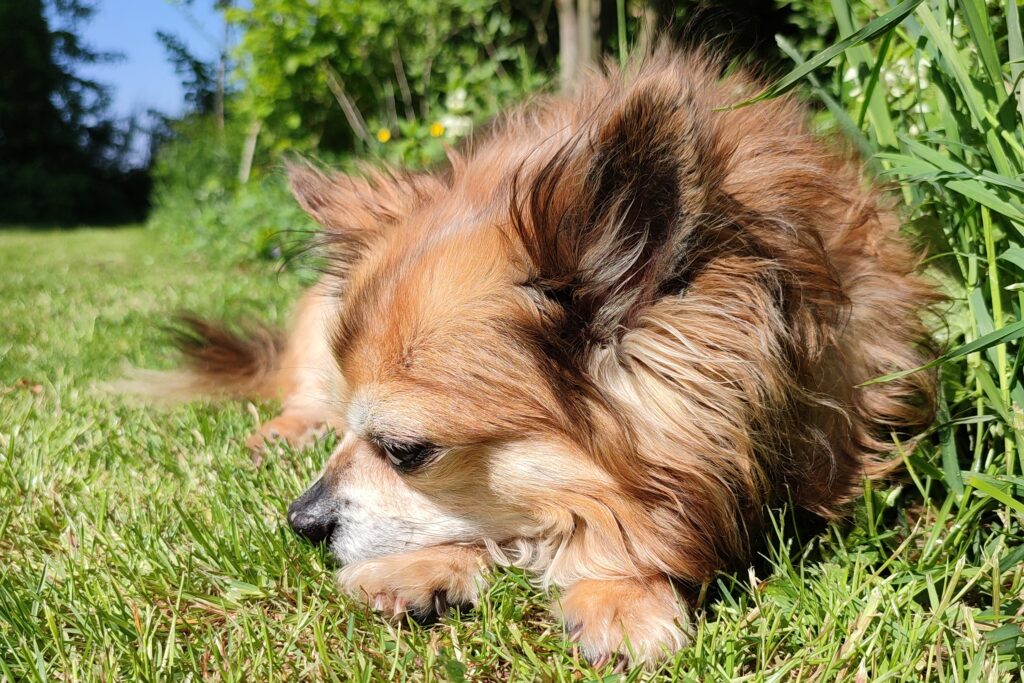
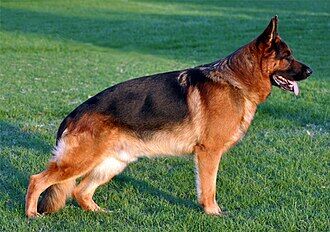
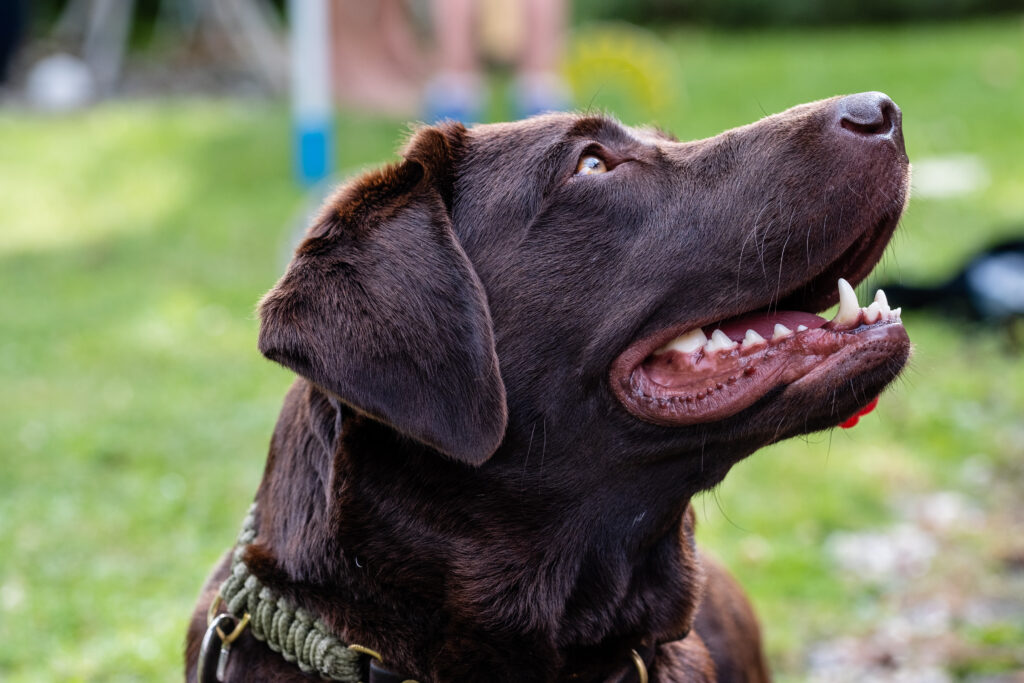
What about race? Any dog can develop it, from Chihuahua to Pastor Alemán. That said, highly human-oriented races bred to work side by side with humans tend to have worse loneliness: This is the case of the Labrador Retriever, the Vizsla– nicknamed the “velcro dog” for something – or the Cavalier King Charles Spaniel, a pure companion dog that needs almost constant human presence. In high-energy working breeds, such as the Border Collie, anxiety should also not be confused with the frustration of an under-stimulated dog: are treated differently.
Solutions that work, step by step
The best evidence-based treatment is systematic desensitization with contra-conditioning: teaching the dog, very gradually, that being alone is safe and even enjoyable.
1. Work on independence at home
- Press him to lie quietly in his bed or blanket while you’re in another room.
- Avoid being followed everywhere: close doors for a few seconds (the bathroom is a classic) and go prolonging the time.
- He ignores the constant demands for attention and offers attention when he is relaxed.
Turn off the exit rituals.
- Take your keys, put on your shoes or your coat, and don’t come out, repeat until those signals stop triggering the anxiety.
- Make bored departures and arrivals: no dramatic goodbyes or welcome parties.
3. Gradual exits below the panic threshold
It’s the heart of the treatment: go out the door and come back before of the dog being distressed. It starts with seconds and goes up only if the dog stays calm (here the camera turns back to gold).
| Stage | Duration of absence | Purpose |
|---|---|---|
| Stage 1 | 10 to 30 seconds | Out and back without it getting activated. |
| Stage 2 | 1 to 5 minutes | Associate your exit with something good (stuffed toy) |
| Stage 3 | 10 to 30 minutes | Overcoming the critical peak of the first few minutes |
| Stage 4 | 1-2 hours | Generalising calm to real absences |
The timing is indicative: the rhythm is set by your dog., not the timing. If at some stage the symptoms reappear, take a step back. And while the program lasts, try not to leave it alone any longer than you already tolerate: each panic episode hampers progress. Lean on family, daycare or a caregiver if needed.
4. Enrichment, exercise and routine
- Exercise before absences: a good walk with pre-sniffing helps you stay more relaxed.
- Interactive toys: a stuffed toy with frozen food delivered right on the way out creates a positive association with your gait and keeps you busy in the critical minutes.
- Secure area: a comfortable space, with your bed, water and a garment with your scent.
- Predictable routine: steady schedules of eating, walking and resting reduce underlying anxiety.
When to go to the vet
There are two drugs approved specifically for canine separation anxiety: fluoxetine and clomipramine. Two things you should know:
- Only with veterinary prescription. Never medicate your dog on your own or with human medicines: doses and contraindications are not the same.
- The pill alone doesn’t cure. The evidence is clear: the medication works as a support for behavior modification, not as a substitute.
If your dog is self-injuring, if neighbors are complaining daily, if you have been unresponsive for weeks, or if you are simply feeling overwhelmed, see your veterinarian (or ask for a referral to an ethologist or educator specializing in positive work).
On “natural” remedies (synthetic pheromones, nutraceuticals, pressure shirts): The scientific evidence is limited and disparate. They may be a harmless addition to some dogs, but they are no substitute for behavioral work; talk to your vet before spending money.
Common Mistakes That Worsen the Problem
- Punish the wreckage on your return. The dog doesn’t connect punishment to something it did hours before; it just learns to fear your arrival.
- Lock him in a carrier or cage “so he doesn’t break anything”. In a dog with panic, confinement usually triggers anxiety and the risk of self-harm.
- Adopting a second dog as a solution. The problem is separation from you, not lack of canine companionship: in most cases it doesn’t work and you can end up with two anxious dogs.
- Going too fast. Going from 30 seconds to 2 hours in a week is the perfect recipe for relapse.
- Farewell and warm welcome, that turn every exit into a huge emotional event.
- Ignoring possible medical causes or blame it all on the dog being “bad” or “doing it to screw up”.
Frequently Asked Questions
How long does it take to heal from separation anxiety?
Depending on the severity, the consistency of the work and the dog itself, mild cases may improve in a few weeks; severe cases usually require several months of gradual desensitization, sometimes with medication support.
How many hours can a dog stay alone?
As a general reference, a healthy adult should not spend more than 6-8 hours alone in a row, and puppies much less (a usual guideline is one hour per month of age).
Does my dog break things for revenge when I leave?
No, canine behavioral science rules out revenge: concentrated damage to doors and windows is a panic response, and it usually starts within minutes of you leaving.
Does it help to leave the TV or the radio on?
It can help as a background noise that cushions outdoor sounds and makes the environment more familiar, but by itself it doesn’t treat anxiety.
Do I have to adopt another dog so he doesn’t feel lonely?
The dog’s attachment is to you, not to other dogs, so canine companionship rarely eliminates separation panic.
What medication is used for separation anxiety in dogs?
The two drugs specifically approved for this condition are fluoxetine and clomipramine, always under veterinary prescription and supervision, and always combined with behaviour modification.
If your dog is having a bad time, your veterinarian or an ethologist are your best allies.