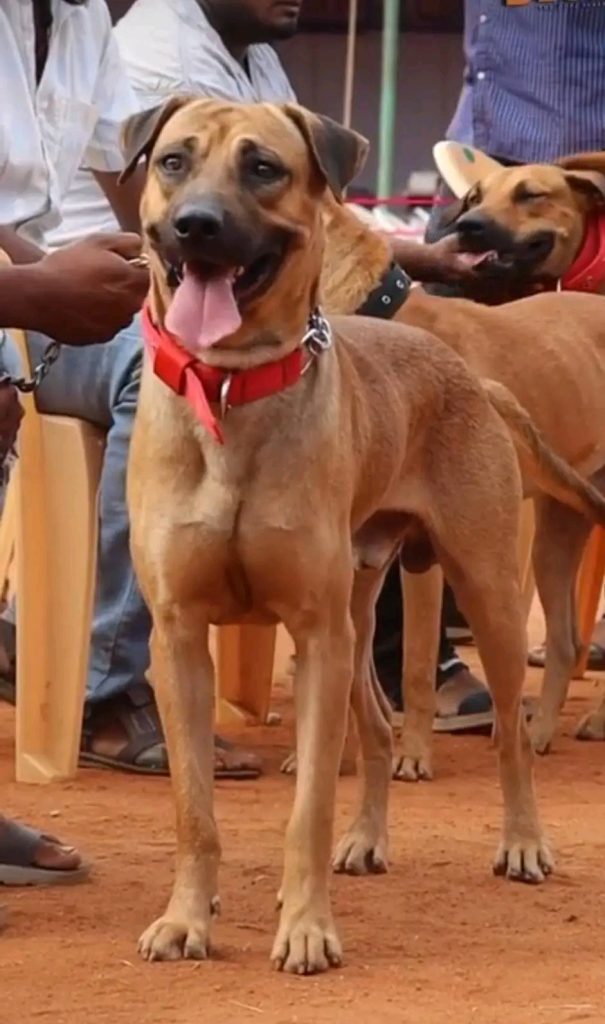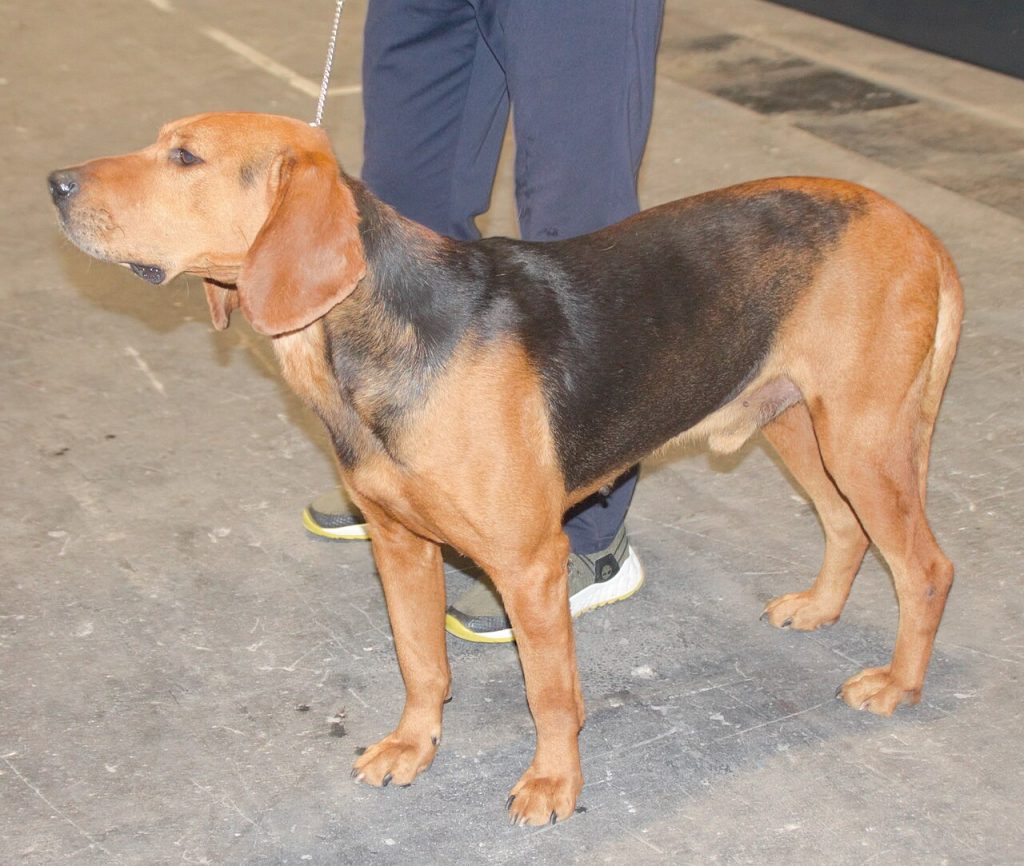
The Serbian hound is a pack hunting dog native to Serbia, a robust, tireless tracking hound with an unmistakable voice that for centuries has followed the trail of wild boars, deer, foxes and hares through the Balkan mountains. Recognizable by its reddish coat covered by a large black coat, the Serbian Hound combines extraordinary endurance with a balanced and attached character to its people, making it a reliable companion for whom it can give the exercise and space it demands.
Is the Serbian Hound for you?

Before you get carried away by their pretty classic hound image, you should understand what kind of dog the Serbian Hound is. It’s not a “manual” companion breed: He’s a tracker bred to work hard, with a lot of energy, a sense of smell that commands almost everything and a powerful voice that’s part of his trade. In the right home, it’s a wonderful, sociable, noble dog; in the wrong, a heap of frustrations. These boxes help you decide honestly.
It suits you if…
- You’re a active person or family, looking forward to walking and going out into the countryside every day.
- You live in a house with land or near open spaces where you can sniff and run.
- You like rustic and functional dogs, no exaggerations of morphology.
- You’re looking for a balanced and sociable mate, who gets along with other dogs.
- You can devote time to the patient education and the call work.
Think about it if…
- You live in a small floor with no frequent outings.
- A dog vocal bothers you: the Serbian Hound barks and howls easily.
- You want a obedient without a leash dog in open areas: his sense of smell rules.
- You have cats or other small pets and you can’t monitor the coexistence.
- You pass many hours out. and you can’t give him enough exercise or company.
Character and temperament
The Serbian Hound is described as a disciplined, energetic, tenacious and lively dog. It is this combination of working virtues that has allowed the breed to survive for centuries in the harsh conditions of the Balkan mountains: a dog that does not give up on a difficult trail and that keeps its concentration during hours of hunting.
It is not a nervous or distrustful dog by nature, but it does need occupation: a bored Serbian Hound is a potential problem, because it channels its excess energy into barking, howling, digging or escape attempts in search of an interesting smell.
As a good hound, it is remarkably independent. It is used to making decisions on the ground while following a lead, so it does not expect constant orders or live to please as a herding dog would. This does not mean that it is stubborn on a whim, but it has its own way of thinking and that, when smell comes into play, everything else takes a back seat.
Coexistence: children, other pets, flat and loneliness

With children. The Serbian Hound is usually a tolerant and affectionate family dog, enjoying company and play. Its medium size and balanced character make it a good companion for homes with children, always with the usual supervision and respect between dogs and minors.
With other dogs. has an advantage here: it comes from a tradition of hunting in packs, that is, to work side by side with other dogs.
With cats and small pets. is its delicate point. Its strong prey instinct, honed by generations of hare and fox hunting, makes it chase what moves. Coexistence with cats is possible if it grows with them from puppyhood, but it is advisable never to trust rodents, birds or other small animals.
On the floor and alone. is not the most urban breed. It performs much better in a house with land or with easy access to the countryside, and tolerates regular solitude: if left alone for many hours and without exercise, it tends to get bored and express it with its voice.
Education and training
Training a Serbian Hound is perfectly possible, but it requires method and realism. It is an intelligent and hardworking dog, capable of learning routines and good manners, although its independence and smell set the rules of the game. The key is to start early, be consistent and accept that it will never compete in precision obedience with a border collie: this is not what the breed seeks.
Positive reinforcement works much better than harshness. Tasteful rewards, short, fun sessions, and lots of repetition can fix learning without shutting down his character. Early socialization – with people, dogs, environments, and noises – is critical for him to grow up to be the balanced dog he can become.
The great challenge is the called. When a hound catches a trail, its brain goes into “hunting mode” and your voice ceases to be a priority. That’s why the call work must be intensive and patient, and still it is advisable to be cautious with freedom without a leash in open areas or with the presence of wildlife.
Exercise and activity
If there’s one thing that defines this breed, it’s its ability to work. The Serbian Hound stands out for its great endurance and for its ability to hunt in rough terrain, which gives you an idea of how much activity it needs to stay fit and balanced. It’s not a dog to go around the block and come home.
A realistic plan includes one or two long walks a day, supplemented with sniffing, exploring, and controlled jogging. Activities that stimulate your nose – tracking games, searching for hidden food, hiking in the countryside – are especially satisfying to you, because they connect you to what you were raised to do. Dog sports like the mantrailing or sports tracking come like a ring to his finger.
Meeting their physical and mental needs is not optional: it is the best prevention against barking, anxiety, and destructive behaviors.
Care: fur and hygiene

In terms of maintenance, the Serbian Hound is a comfortable breed. Its hair is short and dense, designed to protect without requiring hairdressing. A weekly brushing is enough to remove the dead hair and keep the coat healthy and shiny; in times of moulting it is advisable to increase the frequency to control the fall.
The cleaning and checking of the ears deserves special attention as a good dog with dropped ears: the drop of the ears reduces ventilation and favors infections, so it is advisable to check them regularly and dry them well after baths or mud days.
Complete the routine with the basics of any active dog: cut nails when they do not wear out on their own, carefully cleaned teeth with regular dental hygiene, and a check of pads and skin after outings in the mountains, where spikes may be stuck or parasites may accumulate.
Foodstuffs
As a medium, athletic and highly active dog, the Serbian Hound needs a complete and balanced diet, adjusted to its actual level of exercise.
The wise thing to do is to choose a quality food – either a commercial good or a veterinarian-supervised diet – with an adequate protein intake to sustain your muscles.
Fresh water is always available, especially after exercise, and caution with prizes during training: they count as calories.
Health and life expectancy
The Serbian Hound is a rustic and functional dog, the result of centuries of selection based on utility rather than aesthetics. This origin usually translates into a generally healthy breed, without the morphological exaggerations that bring problems to other dogs.
There are no large breed-specific health studies, so the recommendations are those of any medium and active dog: Keep vaccinations and deworming up to date, watch your weight and joints, and pay attention to your ears for their fallen shape. As a hunting dog, after field trips, it is advisable to check skin, ears and pads for spikes, ticks or small wounds.
With proper nutrition, regular exercise and regular veterinary checkups, the Serbian Hound can enjoy a long and healthy life typical of medium working breeds.
Physical appearance
The Serbian Hound is a medium-sized, well-proportioned and functional dog. According to the breed standard, the males measure between 46 and 56 cm at the cross and the females slightly less, between 44 and 54 cm, with a weight of around 20 kg.
Its most characteristic feature is the coat: short, dense hair of an intense reddish, often described as “fox color”, covered by a large black cloak(riding seat) on the back, with black markings also above the eyes.
The head is of a broad skull that narrows uniformly towards the nose, with ears of medium length, hanging and glued to the cheeks, very typical of tracking dogs.
Origin and history
Southeastern Europe has a very long tradition of hunting, and the Serbian Hound is one of several regional hound breeds that were developed to adapt to the needs of that activity. It is a breed of ancient origin, which is considered a composite of tracking dogs that circulated around the Mediterranean, with contributions from European and North African dogs in its ancestry. Popular tradition even links its roots to dogs left in the region by the Phoenicians.
For centuries it has been kept as a pack dog, used to hunt wild boar, deer, fox and hare through the steep Balkan mountains.
It was known for a long time as Hunting in the Balkans(Balkanski Gonič). In 1996, the International Kennel Federation officially changed its name to Serbian hound(Srpski Gonič), thus recognizing Serbia as its country of origin and refining the identity of a breed that represents the country’s canine heritage.
Curiosities
- Name changed in 1996: went from “Hunter of the Balkans” to “Serbian Sabre” by decision of the FCI, a turn that gave prominence to Serbia as the birthplace of the breed.
- Working voice:‘s sharp, piercing bark is not a flaw, but a hunting tool that allows the hunter to follow the development of the spear without seeing the dog.
- Color of fox: the intense redness of its mantle is often compared to the fur of the fox, crowned by the characteristic black chair.
- Dogs in packs: unlike many companion breeds, is genetically predisposed to get along well with other dogs by its group hunting past.
- Mediterranean roots:‘s ancestry mixes European and North African dogs that moved across the Mediterranean, a reminder of how travellers hunting dogs have always been.
If you are attracted to the profile of the Serbian Hound, you will surely enjoy learning about other hound and scent hound breeds with which it shares a tracking vocation and energy. You can take a look at the Beagle, the imposing Bloodhound, the popular Basset Hound or, among versatile hunters, the elegant Vizsla. Comparing their characters will help you better understand which tracking dog really fits into your life.
Frequently Asked Questions About the Serbian Hound
Is the Serbian Hound a good family dog?
Yes, within its hound profile. It is a well-balanced, sociable and attached to its people dog, which gets along well with adults and children when it gets enough exercise. It is not a couch dog: its hunting instinct and need for movement make it fit better in active families, with access to the countryside and time to walk it daily, than in very sedentary homes.
How much exercise does a Serbian Hound need?
Enough. It is a hunting breed bred to work for hours in rough terrain, with remarkable endurance. It needs at least one or two long walks a day plus moments of sniffing and controlled running. Without that daily breeze it tends to get bored, gain weight and develop behaviors like excessive barking or escapism.
Does the Serbian Hound bark or howl a lot?
It can do it. It is a tracking dog with a sharp, powerful voice that it uses to warn the hunter when following a lead. At home this translates into a vocal dog, which tends to bark at stimuli and howl if bored or left alone for too long. Socialization and exercise greatly reduce the problem, but it is not the quietest breed.
Can you have a Serbian Hound in a flat?
It can adapt to a flat if it is compensated for by a lot of daily exercise and stimulation, but its energy, its tendency to vocalize and its need to smell make it perform much better in a house with land or easy access to the countryside.
Does the Serbian Hound get along with other dogs and pets?
It usually gets along well with dogs: it comes from a tradition of hunting in packs, so canine coexistence is part of its nature. With cats and small pets you have to be careful because of their strong prey instinct; coexistence is possible if you are raised from a puppy with them, but it is never convenient to trust completely.
Is it hard to train the Serbian Hound?
It’s not difficult, but it does require consistency. It’s intelligent and hardworking, but it’s also independent and very olfactory: when it catches a trace, it can disconnect from your voice. It responds well to positive reinforcement, short sessions and good call work, but obedience without a leash in open areas will always be its weak point.
How long does a Serbian Hound live?
It is a rustic and functional breed, generally healthy, typical of the working dogs of the Balkans. As a medium and active dog it usually enjoys a long life if you take care of its food, weight and exercise.
Why was it called Balkan Hunter before?
Because for a long time he was known as Balkanski Gonič or Balkan Hunter, in reference to the entire region where he worked. In 1996 the International Canine Federation (FCI) officially changed his name to Serbian Hound (Srpski Gonič), recognizing Serbia as his country of origin.