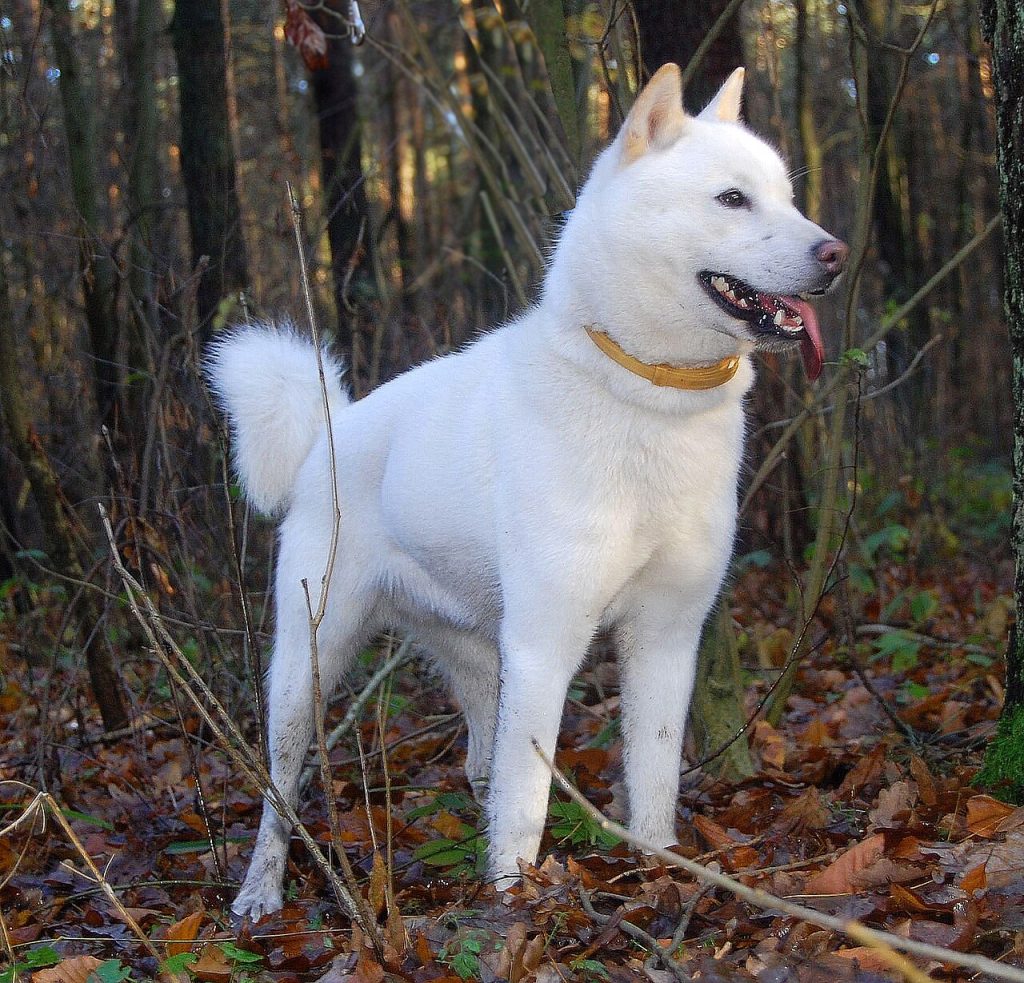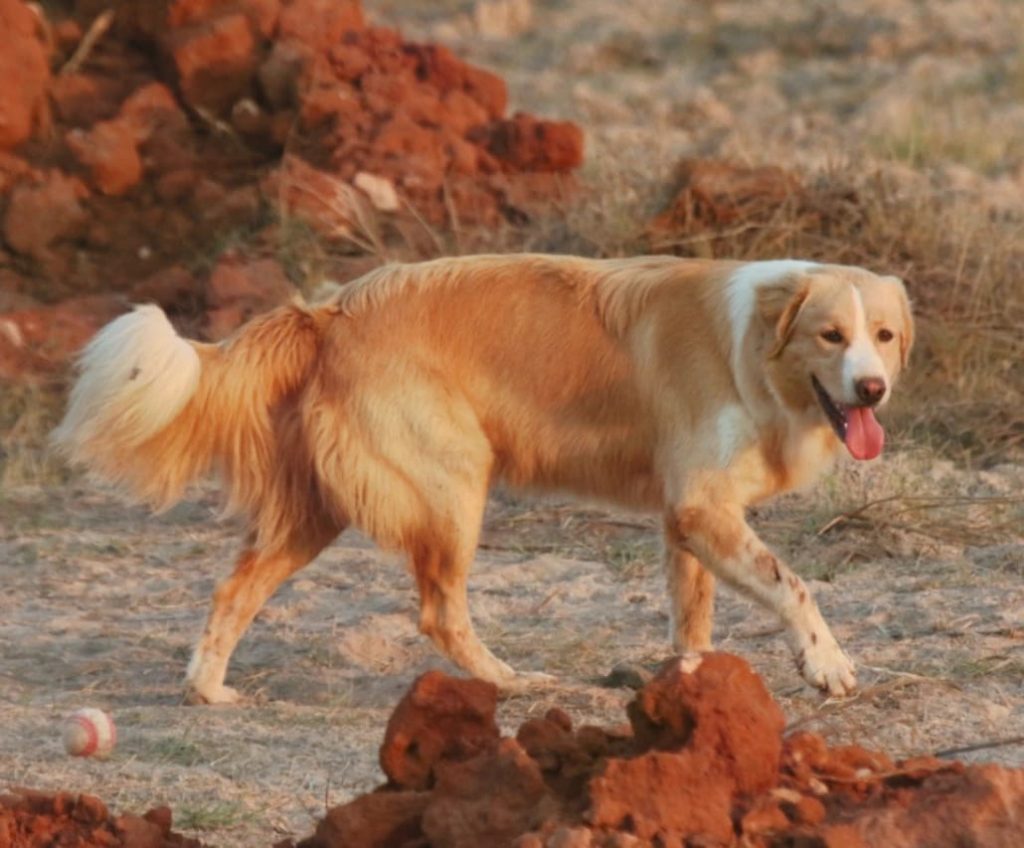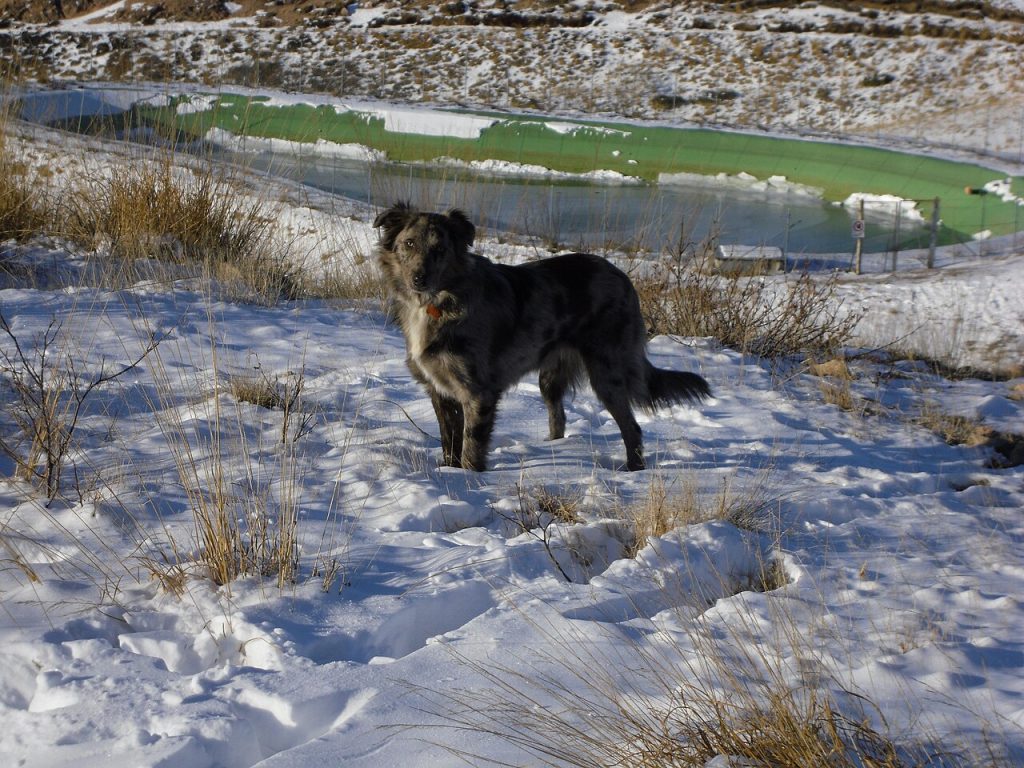
The Shepherd of Oropa– known in his native Italy as Cane of Europe or cane da Pastore from Bielle– is one of the most unknown and at the same time most fascinating working dogs in the Alps: an agile, resilient mountain shepherd deeply attached to the trade of leading sheep down the slopes of the Biellese. If you’ve come across his name and really want to know what it’s like, here’s what you need to know before you consider living with one.
Is the Shepherd of Oropa for you?
Before you fall in love with his rustic image, you should be honest: The European Shepherd is not a reconverted companion dog, but a living working tool, selected by herders for one thing only – managing herds in rough terrain – and that sets the tone for everything else. It fits with someone who leads an active life, ideally rural or very sporty, and clashes head-on with someone looking for a quiet dog on the couch.
In favour .
- Endurance and athleticism out of the ordinary for the mountain.
- Very intelligent and reactive: he learns the job quickly.
- Attached and loyal to his reference person.
- Rustic, low-maintenance fur, made for the outdoors.
- A real dog, rare and with a nice recovery history.
Against
- He needs daily exercise and homework; he is easily bored and frustrated.
- Strong driving instinct: push and bite driving.
- Not suitable for flooring or for sedentary living.
- Very rare outside Biellese: very hard to come by.
- Recent standard; little information and few breeders.

Character and temperament
If we had to sum up the Shepherd of Oropa in one word, it would be reactive. It is an alert dog, which constantly reads the environment and responds quickly to what is happening around it. That same reactivity that makes it irreplaceable in front of a herd is what, in a living room, translates into an animal that does not stand still if it has nothing to do.
It shares traits with other Italian Shepherds such as the Bergamasco: a marked tendency to use the body to impose itself on the cattle, based on pushing and, occasionally, gentle handling bites. It’s not aggression, it’s craft; but you have to understand it so you don’t get surprised when that instinct surfaces with running children or other animals. To his shepherd or family, on the other hand, he is a devoted, attentive, and intensely bonded dog.
Coexistence: children, other pets, flat and loneliness
The Oropa Shepherd is primarily a field dog. In a flat it’s bad: needs space, outings and, above all, an occupation. With children it can be an excellent companion provided there is early socialization and supervision, because its driving instinct can lead it to “shepherd” the little ones by pushing or biting their heels, a behavior that must be redirected from puppyhood.
With other pets, the key is once again socialization: Raised among animals, he accepts them naturally, but his drive to handle everything that moves demands calm presentations and clear rules. Loneliness isn’t his thing either. It is a bonded dog that needs companionship and shared work; leaving it alone for many hours without stimulation is the perfect recipe for behavior problems.
Education and training
Here the Shepherd of Oropa shines. It is an intelligent, motivated and collaborative dog, which makes it very malleable in good hands. It responds wonderfully to training in a positive way, with short, varied sessions and with a real task at the end. It needs a consistent guide who sets limits for it clearly and without harshness: calm firmness works much better than imposition.
The big challenge is not to teach it – it learns fast – but give him enough mental work. An unemployed European Shepherd invents it, and his inventions are rarely liked: barking, running away, chasing cars or bicycles.
Exercise and activity
Forget the short half-hour walk. This is a dog built for long days in the mountains, with remarkable fatigue resistance, and that must be returned to him in the form of activity. Hiking, running, canicross, a lot of game to look for and, if possible, real contact with livestock: the more demanding and varied the routine, the better.
Mental stimulation – intelligence games, learning new commands, tracking work – tires a smart dog as much or more than physical exercise. The combination of both is what keeps its reactivity in check and makes it a manageable companion in the house.
Care: fur and hygiene
The Oropa Shepherd’s mantle is rustic and functional, designed to withstand cold, rain and mountain mud, so its care is simple. A regular brushing– more common in times of moult – is enough to remove dead hair, untangle tangles and remove dirt from the field. He does not need a hairdresser or frequent baths; bathing him only when he is really dirty preserves the natural protection of his hair.
The rest is common sense hygiene: checking and cleaning the ears, watching the pads and nails after hard terrain exits, keeping the calendar of internal and external deworming – key in a dog that lives in the open air – and taking care of dental hygiene.
Foodstuffs
As an athletic working dog, the European Shepherd appreciates a high-quality diet, rich in protein and adjusted to its actual expenditure, which can be very high in grazing season and much lower in rest periods.
There are no exotic requirements: a good complete feed, a well-formulated home-cooked ration or a raw diet balanced by a professional work perfectly.It is important to divide several doses into very active dogs, constant access to clean water and avoid intense exercise just before or after eating.
Health and life expectancy
The Oropa Shepherd is a rustic dog, the result of functional selection – for work aptitude – rather than aesthetics, which has historically favoured healthy and resilient animals. Being a very minority breed and of recent recognition, there are not yet extensive health studies or consolidated figures of breed-specific longevity, so we avoid giving unverified numbers.
As a guideline, medium and rustic herding dogs of this type usually enjoy long lives with proper care. The wise thing with any specimen is to keep the vaccination and deworming schedule up to date, regular veterinary checkups, good physical condition, and, since the population is small, to support responsible breeding that monitors genetic diversity to preserve the health of the breed in the long run.
Physical appearance
The Shepherd of Oropa is a medium size dog, of smooth and athletic appearance, without anything superfluous: everything about him speaks of functionality and ability to move on the mountain.
The most striking thing is the fur. The most characteristic color is the speckled grey, the pattern that in canology is known as lilac merle, sometimes with fire marks; but also see tricolor specimens, pure gray, black, leonado or carbonado leonado. Another typical feature is the tail: Many puppies are born brachiores, that is, with a naturally short or absent tail. Being a recent standard breed, detailed official measurements of height and weight have not yet been popularized, hence its description focuses on the type – medium, agile and rustic – rather than on closed figures.
Origin and history
The Oropa Shepherd takes its name from the area of Oropa, in the Biellese, at the foot of the Piedmont Alps, where for generations shepherds used it to lead the flock through steep terrain.
The modernization of the camp almost wiped it off the map. With the decline of agro-pastoral activity, the breed came close to extinction. To avoid this, a recovery and valorization project was launched by the Amicie cane d’Oropa association, with the participation of breeders’ associations, veterinarians from the local ASL and the sponsorship of the Province of Biella. The scientific protocol underpinning the project was drawn up by Professors Luigi Guidobono Cavalchini and Stefano Marelli from the Faculty of Veterinary Medicine at the University of Milan. The effort crystallized in 2016, when the ENCI officially recognized the breed, adding it to the group of Italian canine breeds.
Curiosities
- It has several names: in addition to Cane of Europe, it is called cane da pastore biellese and even cane da pastore delle Alpi.
- Its recognition by the ENCI in 2016 made it one of the official Italian canine breeds, a fairly exclusive club.
- It is not recognized by the FCI, so outside Italy it is almost an absolute unknown.
- Many are born with a naturally short tail (brachyuria), a rare trait among herding dogs.
- He shares with the Bergamasco shepherd the habit of pushing and biting the flock, a hallmark of several Italian shepherds.
- It owes its survival to a handful of pastors and a university recovery project: without them, it would probably no longer exist.
If you are attracted to the profile of the European Shepherd, you will surely enjoy meeting other shepherd breeds of great intelligence and energy. Check out the tireless Border Collie, the versatile Pastor Alemán, the multifaceted Pastor Australiano and the elegant Collie: they share with him that mixture of intelligence, willingness to work and the need to always have a task at hand.
Frequently Asked Questions About the Shepherd of Oropa
What exactly is the Shepherd of Oropa?
It is a medium-sized breed of shepherd dog originating from Biellese, in the Italian Piedmont, known in Italian as Cane da pastore di Oropa or pastore biellese. It has been selected for generations to drive herds of sheep through mountain terrain, and the ENCI (the Italian canine club) officially recognized it in 2016.
Does the Oropa Shepherd serve as a family dog or for living on the floor?
It is not his natural profile. He is a very reactive working dog, with a lot of energy and need for homework, designed for the field and the management of livestock. He can live with a family if he receives intense daily exercise and mental stimulation, but a small floor without activity feels frankly bad.
How tall and how much does an Oropa Shepherd weigh?
It is a medium-sized dog, athletic and spry, built to withstand long days in the mountains. As it is a breed of recent recognition (2016) and very localized, there are still no official figures of height and weight widely published; therefore we prefer to describe it as medium and light complexion rather than give numbers that are not verified.
Is it an officially recognized breed?
Yes at national level: the ENCI (Ente Nazionale della Cinofilia Italiana) recognized it in 2016 as one of the Italian dog breeds.
How much exercise do you need?
Much. We are talking about a mountain herding dog with great endurance: it needs long daily physical activity and, above all, a task that occupies its head. Without enough work and exercise, it tends to become frustrated and to look for occupations on its own, which its owners rarely like.
What is your coat like and what hygiene care do you need?
The mantle is usually speckled gray (the characteristic lilac merle), although it also appears tinged with fire, tricolor, pure gray, black or lionside.
Do you get along with children and other pets?
It is usually a dog attached to its reference person and worker, not aggressive in character, but its driving instinct leads it to push and even give handling bites to the cattle.
Where can I get an Oropa Shepherd?
It is a rare breed and in full recovery: its population is concentrated in the province of Biella, linked to herders and the association Amici cane d’Oropa, which coordinates the recovery project.