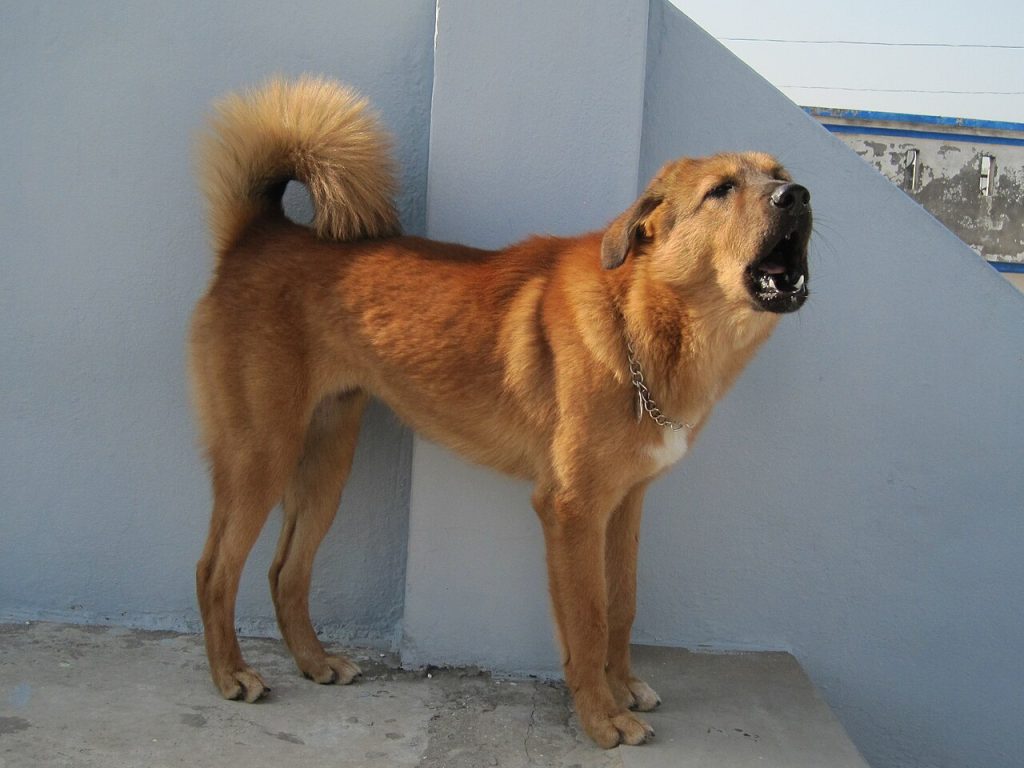
The Bakharwal is one of the great unknowns of canine science: a cattle guard dog that the nomadic tribes of the Kashmir Himalayas have bred for centuries to protect their herds from cold, wolves and intruders. Robust, independent and deeply attached to its territory, the Bakharwal is not a lounge pet, but a mountain guardian with a very serious job at hand. In this guide, we review, with verified and unadulterated data, everything you need to know before taking an interest in this unique and endangered species.
Is Bakharwal for you?
Before you get carried away by his Himalayan herding demeanor, be honest: the Bakharwal is an extreme working dog, bred to live outdoors and make decisions on his own in the face of a predator.
✅ It suits you if…
- You live in the countryside, with wide, fenced-in land, ideally with livestock to protect.
- You have experience with large, independent guard dogs.
- You’re looking for a territorial watchdog, not a dog that obeys you to the letter.
- Whether you live in a cold climate or in the mountains, your double coat will do.
- You value early socialization and a steady, calm hand.
⁇ Better another race if…
- You live in an apartment or a city with no access to open space.
- Either it’s your first dog or you want a companion who’s docile and sociable with strangers.
- You expect a sporting dog of obedience or agility.
- You can’t take the time to socialize him and give him a job.
- You’re looking for a breed that’s easy to get and with nearby breeders.
Character and temperament

The Bakharwal is first and foremost a cattle keeper, and that defines its entire psychology. Over the centuries it has been selected not for its obedience or docility, but for its ability to stay alone with the herd for days, assess threats and act without waiting for orders.
With his family and with the animals he considers “his” he tends to be loyal and protective, vigilant without being nervous. In front of strangers, on the other hand, he maintains the reserve of protection dogs: he observes, calculates and only relaxes when he checks that there is no danger.
Its territorial instinct is strong and its alarm threshold low: it barks and warns of any novelty. That same firmness requires early, abundant and well-done socialization, so that it learns to distinguish between the everyday and the real threat. A balanced Bakharwal is serene and self-assured; a poorly socialized or bored one may become overly suspicious.
Coexistence: children, other pets, flat and loneliness
With children: within its family nucleus is usually protective and patient, but its size and strength always demand supervision with the smallest, and respect for its space when it rests or watches.
With other pets: bred to live with goats, sheep and cows, the Bakharwal can integrate well with livestock and with animals with which it grows from puppyhood.
On the floor: is a large, active breed with a vocation to patrol a territory. It needs outdoor space, preferably a fenced estate.
Soledad: tolerates being alone outdoors much better than most companion breeds – in fact, it was bred to spend long hours alone with the herd – but that doesn’t mean it should live isolated and without stimulation.
Education and training
Training a Bakharwal is not like training a German Shepherd or a Labrador. It is an intelligent dog but independent, which questions orders and obeys when it understands why. Blind obedience is not part of its programming: for centuries its value has been precisely in deciding alone.
The keys to raising him well:
- Socialization from puppyhood: people, noises, other animals and situations, in controlled and positive doses.
- Serene and consistent leadership: calm firmness, clear and consistent rules; no harshness or physical punishment, which only generates distrust.
- Positive reinforcement and patience: sessions are short, motivating and respectful of your rhythm.
- A purpose: performs better when it has a real job – watching, accompanying the herd – than repetitive exercises that don’t make sense to it.
It is not a breed recommended for beginners: it requires someone who understands the mindset of the livestock guard dog and knows how to give it structure without stifling its independence.
Exercise and activity
The Bakharwal is a mountain dog built for movement: patrolling, walking long distances over difficult terrain and staying alert.
It needs long daily outings, space to explore and, above all, an environment that gives meaning to its guardian instinct. A good fence is essential: it will tend to expand and guard its territory. It is not a dog that is satisfied with a couple of laps around the block; without sufficient physical and mental activity it can become frustrated and difficult to manage.
Care: fur and hygiene
Its double coat, smooth, dense and of medium length, topped by a feathered tail, is designed to withstand the rigors of the Himalayan climate.
- Cepillado: several times a week to remove dead hair and keep the mantle healthy; during seasonal mowing, daily, because it sheds abundant undercoat.
- Baños: only when necessary; excessive washing dries the skin and damages the hair’s natural protective layer.
- Routine checks: ears, eyes, teeth and pads, especially if you live and work outdoors.
- Uñas: cuts them off if they don’t wear out on their own with the activity.
Being a rustic breed, adapted to the outdoors, it does not need a hairstyle or sophisticated care.
Foodstuffs

A curious fact, collected by the documentation of the breed, is that the shepherds traditionally fed their Bakharwal with a very frugal and largely vegetable diet: bread made with rice bran, maize and milk.
Today, a dog of this size and activity level needs a complete and balanced diet, rich in quality animal protein, tailored to its weight, age and job.
- Divide the daily ration into two servings to aid digestion.
- Monitor their physical condition and adjust the amounts to their actual expenditure.
- Ensure fresh water at all times, especially if you live outdoors.
- Consult your veterinarian about any feeding plan, especially if you are thinking about home diets.
It is not advisable to replicate the historical diet low in animal protein: the nutritional needs of a large and active dog are very different from those covered by that shepherd’s bread.
Health and life expectancy
The Bakharwal is, by origin and selection, a rustic and resistant dog, hardened by generations of hard life in high mountains. There is no official standard or breeding programs with formal health monitoring, so there is no documented catalog of inherited diseases of the breed, as is the case with breeds recognized by the FCI.
The Bakharwal’s big health problem is not genetic, but of survival as a population: Several studies warn that the race is endangered. The loss of their nomadic lifestyles, conflicts in the Kashmir region – which even left dogs isolated and ill in the highlands – and cases of rabies have drastically reduced their numbers, to the point that local communities have called for it to be listed as an endangered species.
As with most large cattle guard dogs, it is reasonable to expect a longevity appropriate to its type, provided it has good nutrition, veterinary prevention, vaccination – especially against rabies – and parasitism.
Physical appearance
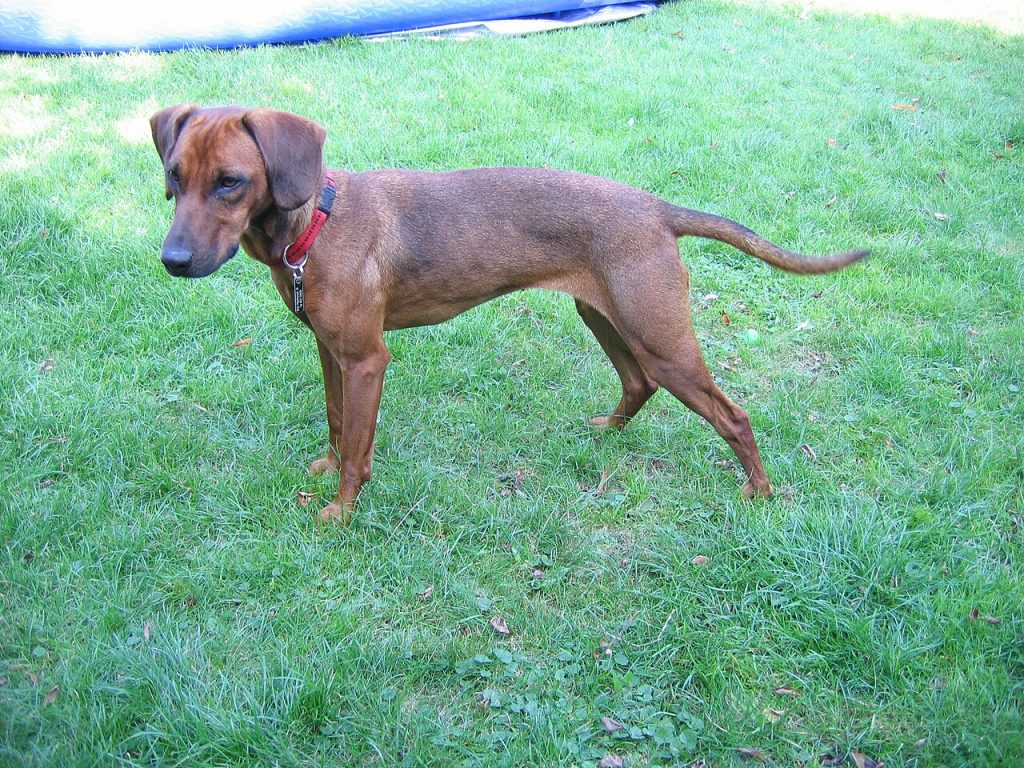
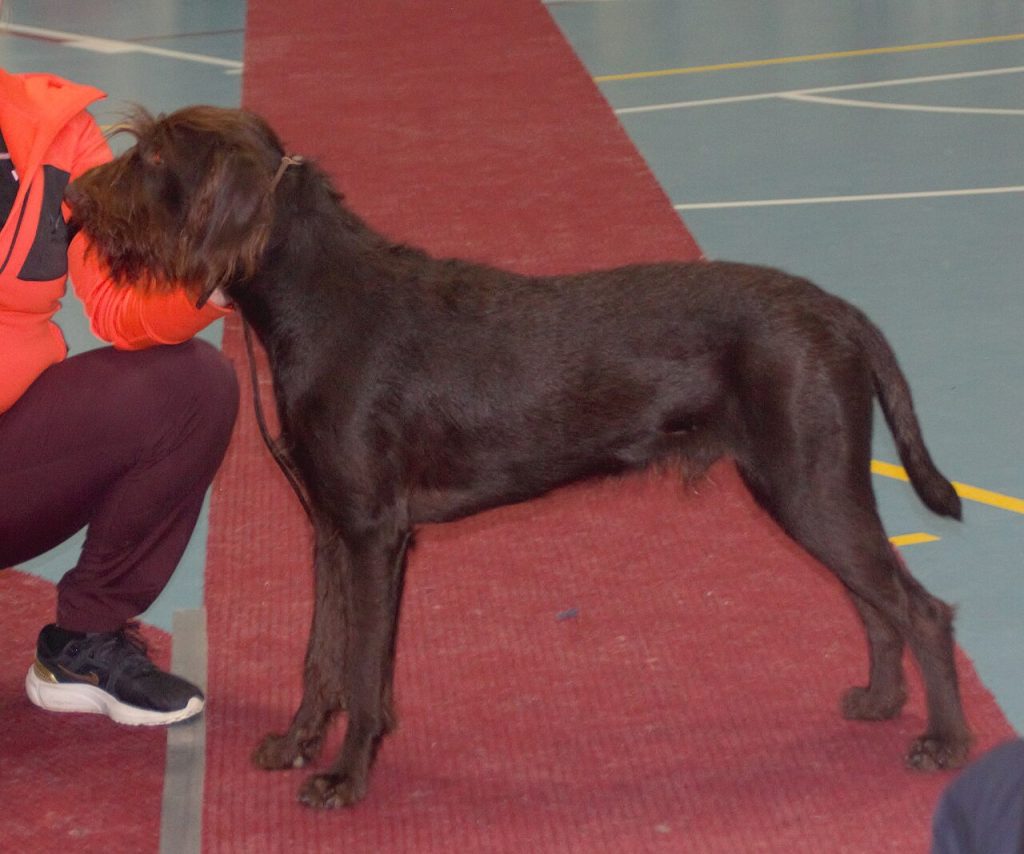
The Bakharwal is reminiscent of a mid-size version of the Mastiff from Tibet: a muscular and agile mountain dog, with strong, broad bones, broad chest, powerful shoulders, sturdy neck and large head.
These are its main physical signs:
- The height at the withers varies roughly between the 60 and 76 cm, with notable variability because there is no unified morphological standard.
- Peso: There is no published standard weight for the breed; specimens are stocky and heavy-boned.
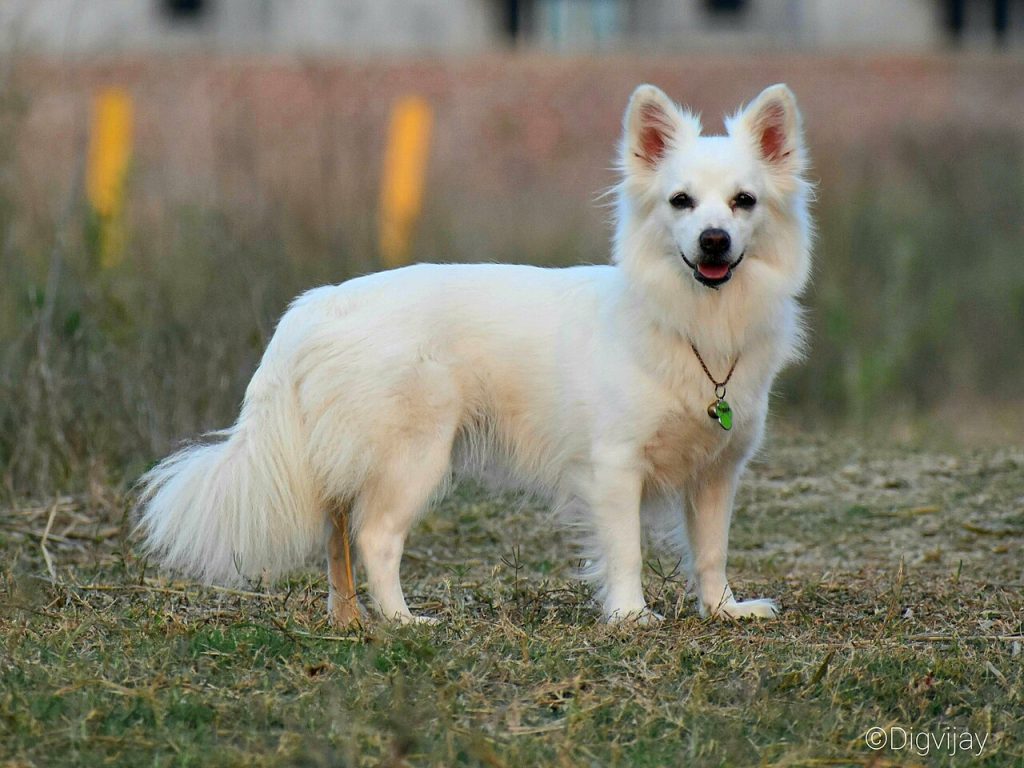
- The Manto: is double-layered, smooth, dense and mid-length, with a feathered tail that gives it a majestic appearance.
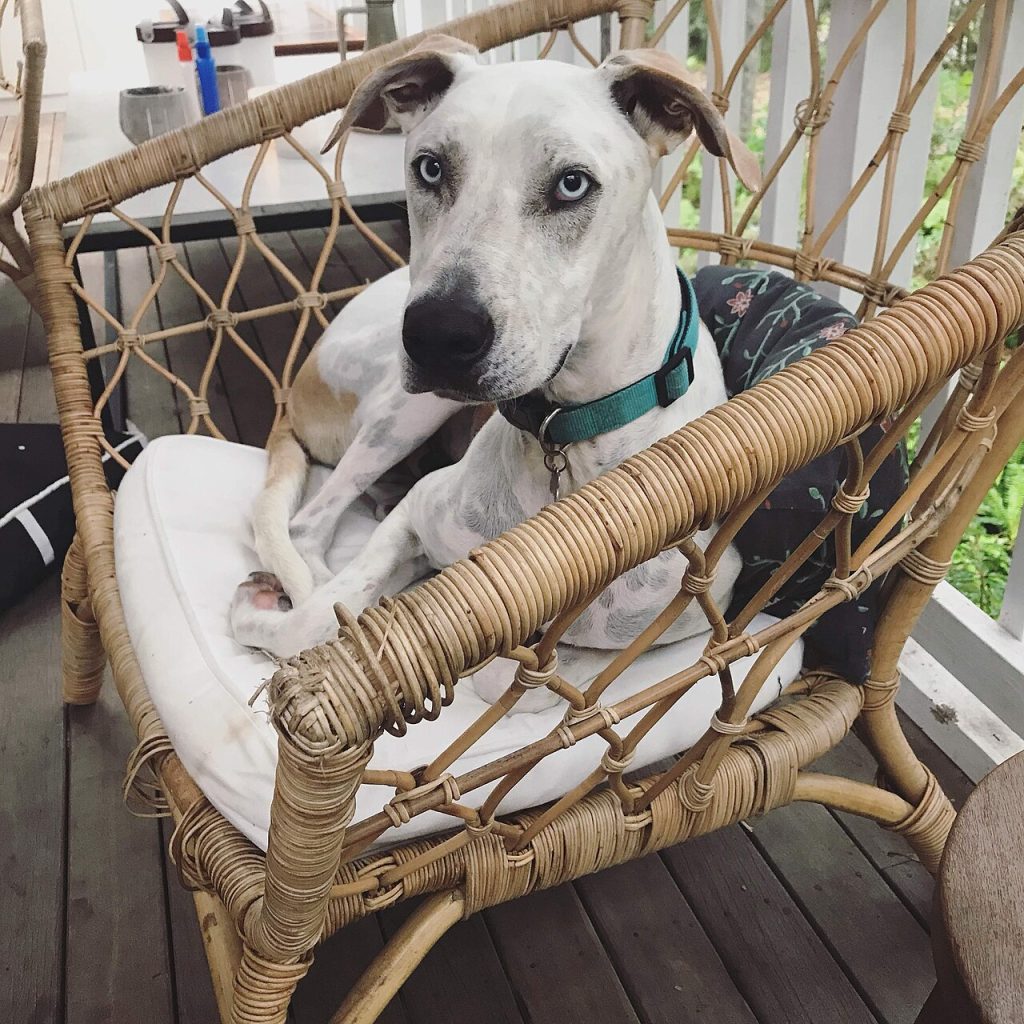
- Colores: the most valued is black and fire; also appear red, lionskin, white, sable, tiger and specimens pios (with large spots without pigment) or tricolors.
In addition, two varieties are distinguished: the general Bakharwal and the Bakharwal of Ladakh, the result of the dispersion of the breed in different areas of the Indian Himalayas.
Origin and history

The Bakharwal is a native breed of northern India, linked to the Pir Panjal range, in Jammu and Kashmir, as well as Ladakh and Himachal Pradesh. Its name comes from the Bakerwal, the nomadic pastoralist tribes who, along with communities such as the Gujjar, Gaddi and Jat, have bred it for centuries to keep their herds of goats, sheep and cows, and to protect their settlements.
There is debate about its genetic origin. One stream considers it descended from the crossing between the Mastiff from Tibet and the Indian pariah dog; another, defended by the shepherds themselves, maintains that it is “the oldest Indian dog”, surviving for centuries alongside the nomadic Kashmiris. Its black and fiery color and robust construction have led some authors to associate it with ancient Asian molosses. Scientists agree that it may be among the oldest herding dogs, with roots in Central Asia.
Its function has never been decorative. Besides guarding livestock, the Bakharwal has been employed, along with the Gaddi Kutta, in the protection of farms and homes, and even by the Indian police in security operations.
Curiosities
- The A Mastiff in miniature: is often described as a medium version of the Tibetan Mastiff, with its same majestic air but in a more manageable format.
- Historical almost vegetarian diet: the shepherds raised him on rice bran, corn and milk, an unusual detail for a dog of this size.
- Small layers: females usually have only one litter per year, with an average of three to four pups, making it even more difficult for the breed to recover.
- Guard in uniform: his sense of smell and his protective instinct have led him to collaborate with the Indian police.
- Two varieties: there is the general Bakharwal and the Ladakh, reflecting their dispersion through the Himalayas.
- A race on the loose: several studios and local communities claim to protect it before it disappears.
If you are attracted to the Bakharwal’s rugged and independent keeper profile, you may be interested in other breeds with a protective nature and mountain or pastoral origins. You can continue exploring with the San Bernardo, another mountain giant; the Cane Corso, moldy keeper par excellence; the versatile Pastor Alemán; or the imposing Mastín.
Frequently Asked Questions about Bakharwal
Is the Bakharwal a good family dog?
It can be loyal and protective of its family nucleus, but it is not a companion dog to use. It is an independent and territorial keeper of livestock, which needs space, socialization and expert handling. For a family with land and experience it can fit; for a conventional urban life, no.
How tall and how much does a Bakharwal weigh?
The height at the withers ranges from approximately 60 to 76 cm, with much variability because there is no unified official standard.
Is the Bakharwal endangered?
Various studies and local communities warn that the breed is endangered and call for its protection. The abandonment of nomadic grazing, conflicts in the Kashmir region and cases of rabies have greatly reduced its population.
Can you have a Bakharwal on one floor?
It is a large, active breed with a strong guarding instinct, which needs outdoor space and, if possible, a fenced estate.
Does the Bakharwal get along with other dogs and pets?
It is bred to coexist with cattle, and usually integrates well with goats, sheep, and other animals it grows up with.
How much care does your coat need?
Its smooth, dense double coat requires brushing several times a week, and daily during mowing, bathing, only when necessary.
Is the Bakharwal aggressive?
With socialization, clear rules, and calm handling, it is a balanced watchdog; without them, it can become overly suspicious.
Is it easy to get a Bakharwal outside India?
It is a very local breed, related to the nomadic tribes of the Kashmir Himalayas, not recognized by the FCI and practically non-existent as a companion dog in Europe.