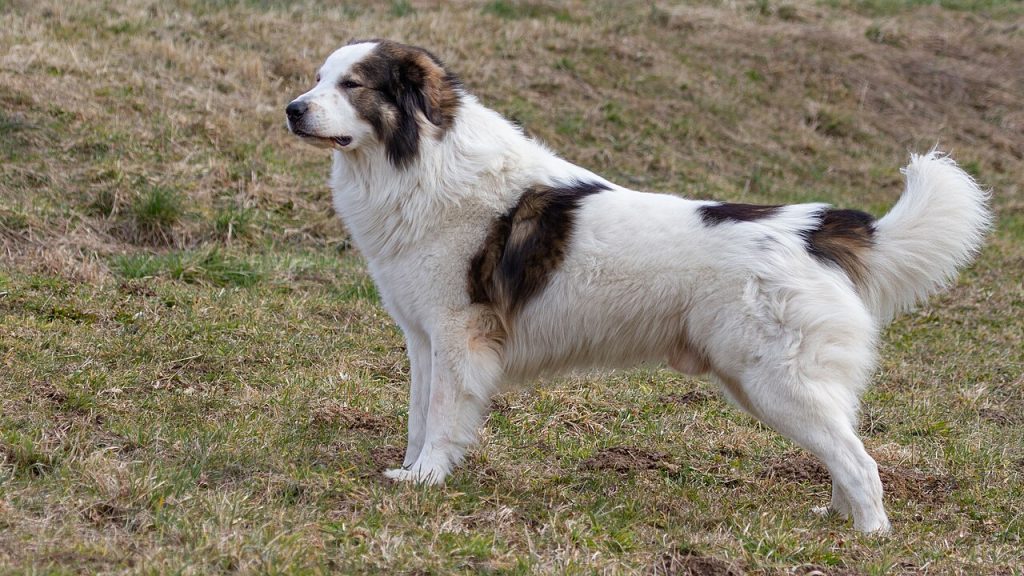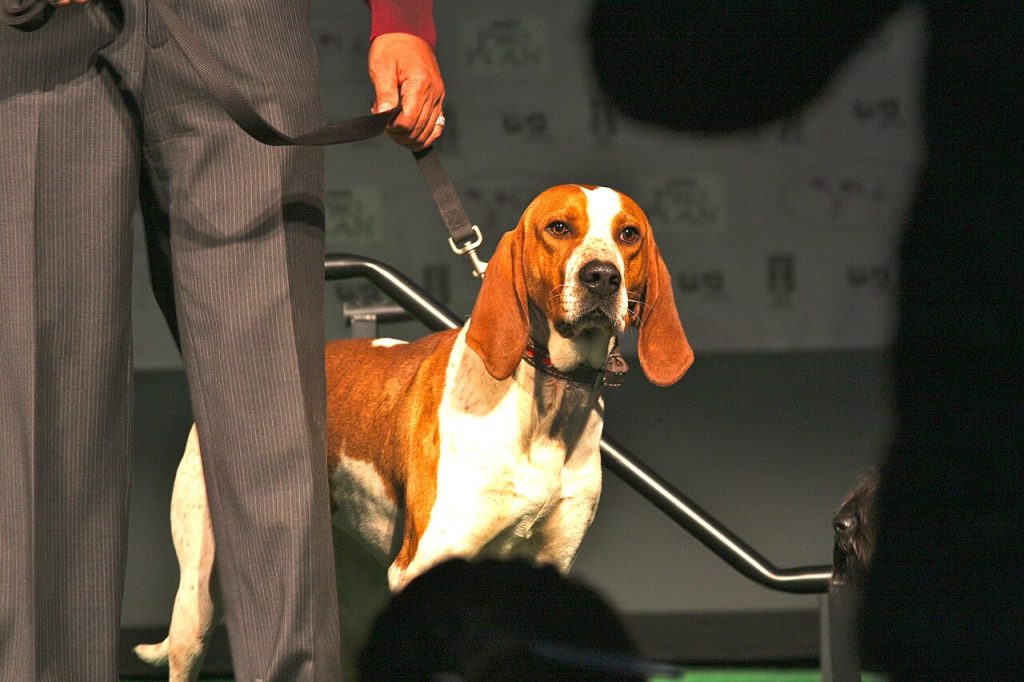
The Coonhound Inglés Americano(American English Coonhound) is a medium-sized American hound, bred in the southern United States to hunt raccoons at night and foxes during the day.
Is the English American Coonhound for you?

Before you fall in love with her sweet eyes and her velvety ears, be honest: The American English Coonhound is, first and foremost, a hunter. He’s designed to spend hours following a trail in the open, and that energy and that independence don’t go away because he lives on a couch. It’s a wonderful dog for the right person and a source of frustration for anyone looking for a quiet city mate.
In favour .
- Sociable, loyal and very close to his family.
- Excellent with children and other dogs.
- Extraordinary sense of smell, perfect for tracking sports.
- Short coat, very easy to maintain.
- Rustic breed and generally healthy.
- Quiet and friendly inside when he’s exercised.
To be taken into account
- He needs plenty of daily exercise; not fit for a sedentary life.
- Strong voice: howling and barking, bad ally of the neighbors.
- High prey pulse towards cats and small animals.
- When it picks up a scent, the call ceases to exist.
- He can’t stand prolonged loneliness.
- Space and, if possible, a fenced garden are appropriate.
Character and temperament
The best way to understand this breed is to imagine two dogs in one. At home, the American English Coonhound is calm, affectionate and quite quiet: He likes to lie close to his people and enjoy the company without demanding overwhelming attention. But as soon as he detects an interesting trail, he transforms into a focused and tenacious athlete, able to pull on the scent for hours without being distracted.
He’s a pack dog to the marrow, which translates into a remarkable sociability. It enjoys the company of other dogs and rarely shows aggression; in fact, according to the UKC standard, both shyness and aggression are considered defects. Towards people he is loyal and eager to please, a combination that makes him grateful in coexistence, provided his needs for movement and stimulation are met.
Another great feature is its voice, which hunters can distinguish perfectly from its long, melodious howls and short, explosive barks when the game is in a corner, making it a good warning dog, but also an animal that makes itself heard, something to be taken very seriously before taking it to live in a flat.
Coexistence: children, other pets, flat and loneliness
With children. is one of its strong points. Patient, tolerant and playful, it usually integrates wonderfully in families with children, whom it treats with affection. As with any large and energetic dog, it is advisable to supervise the game with the smallest to avoid accidental pushes.
With other dogs. Excellent. Its herding past gives it great canine social tolerance, and many specimens live happily with other domestic dogs.

With cats and small pets. This is where caution comes in. Their hunting instinct is very strong and they tend to chase everything that runs by. If they grow up as puppies with a cat they can learn to respect it, but it’s not the breed we would recommend for a home with rodents, rabbits or nervous cats.
Flat and lonely. is not his ideal setting. He needs space, frequent outings and, above all, not spending long days alone: boredom and loneliness trigger howling and destructive behaviors.
Education and training
The American English Coonhound is intelligent and quick to learn, but also independent and profoundly guided by its sense of smell. This means that when it catches a trail, it can “disconnect” from its surroundings and its guide with astonishing ease. It is not stubbornness: it is what it was bred for for centuries.
The key is to start early. Puppies are curious and, like good young hounds, can be restless and somewhat destructive if not channeled. Early socialization and basic obedience sessions from the earliest months make all the difference. Positive reinforcement works very well, with appetizing rewards and short, dynamic sessions; harsh methods, on the other hand, only get a suspicious dog.
The two big challenges are distracted calling and self-control in the face of odors. It should be assumed that 100 percent recovery in an open area without a leash is difficult to guarantee in a race with this nose, so many guides choose to work with long tracks and fenced spaces. Channeling his instinct into olfactory games and tracking sports is also the best way to keep a dog mentally satisfied.
Exercise and activity
If there’s one word that defines the needs of this breed, it’s endurance. They’ve been bred to run and trail for hours on demanding terrain, so a couple of short walks won’t go far enough. The reasonable thing is to offer them between one and two hours a day of quality activity: long walks, running, and very especially olfactory work that gets their brain working.
Tracking sports and hunting trials are its natural element, but it also enjoys hiking or accompanying someone who is running or cycling. A dog that spends its energy well is a quiet and educated dog at home; a bored Coonhound, on the other hand, finds its own amusements, almost always noisy or destructive.
Care: fur and hygiene

In the maintenance section, the breed is a relief. Its hair is short, rough and resistant, and it is content with a weekly brushing to remove the dead hair and distribute the natural fat of the mantle.
The real point of concern is the ears. Long, fallen and stuck to the head, they retain moisture, wax and vegetable residue, so they need to be checked and cleaned frequently to prevent infections, especially if the dog often goes out in the woods.
Foodstuffs
As an active hound, the American English Coonhound needs a quality diet well adjusted to its actual activity level, which can vary greatly between a full-season hunting specimen and a companion dog.
This recommendation is not a whim: Because of its size and deep chest, the breed has a predisposition to bloat, a serious condition. Fractionating meals, not letting him eat cravings, and respecting rest around food are simple precautionary measures. Weight monitoring is equally important, because an off-season hunting dog easily gains weight if the same diet is maintained.
Health and life expectancy
It is a rustic breed and, in general, healthy, with a life expectancy of around 11 or 12 years. Nevertheless, there are several aspects that should be on the radar. The most serious is the already mentioned gastric torsion, favored by its deep chest. Responsible breeders also check their breeders for hip and elbow dysplasia, as well as for possible eye disorders.
Their droopy ears require control to prevent otitis, and in hot climates, you have to pay attention to heat stroke: During summer hunting in the southern United States, these dogs can overheat if rest and hydration are not properly managed. With regular veterinary checks, vaccination and daily deworming, most of the specimens enjoy a long and active life.
Physical appearance
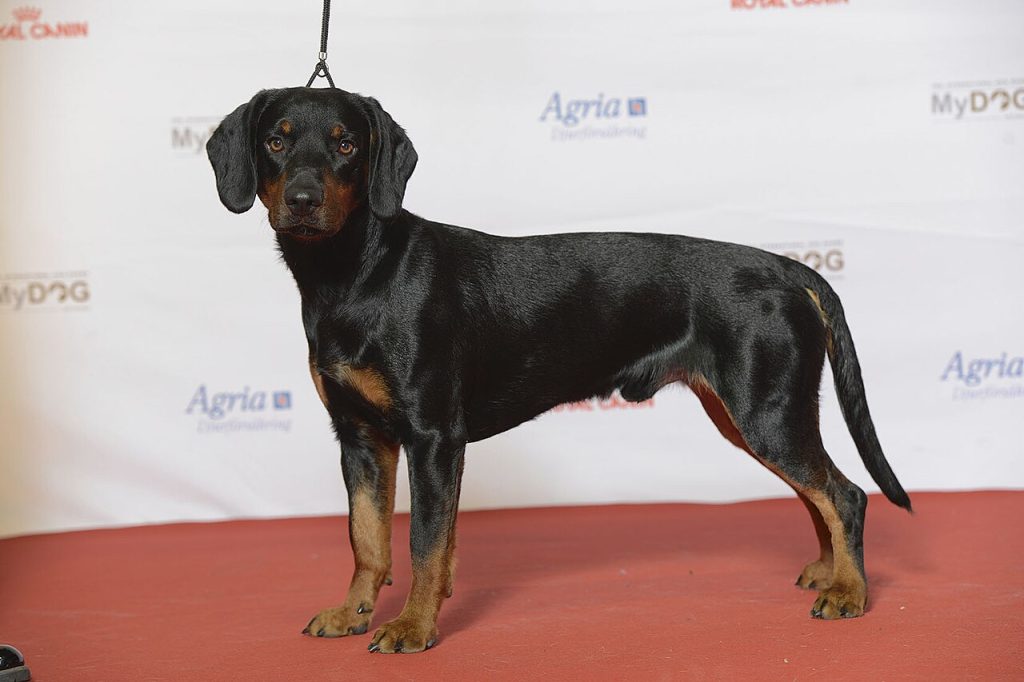
The American English Coonhound is a medium to large sized, athletic and well-proportioned dog, with a build designed for speed and endurance rather than brute power. The males measure between 56 and 69 cm at the withers, and the somewhat smaller females, between 53 and 64 cm. The standard does not set a specific weight: It simply asks that it be proportional to the height, so that most specimens move in a guideline range of about 20 to 30 kg.
Its coat is short and hard, and its color is one of its most striking features, for it supports great variety. The most typical layers are redtick and bluetick, but the standard also accepts tricolor with red and white and white and black. It is common for the same litter to produce puppies of very different colors, a sign of the great genetic diversity of the breed. Completing the image are long, dangling ears, a clean-lined skull, and a friendly, attentive expression.
Origin and history
The history of the breed goes back to the foxhounds that European settlers brought to North America during the 17th and 18th centuries. It shares ancestry with almost all other coonhounds (with the exception of the Plott Hound) and descends specifically from the so-called Virginia Hounds, dogs developed from specimens imported by figures such as Robert Brooke, Thomas Walker and the first President of the United States, George Washington.
Virginia’s terrain was much rougher than those dogs came from, so the selection was shaping them to adapt to the new conditions. The result was a versatile hound that hunted raccoons at night and red foxes during the day. The United Kennel Club recognized it as early as 1905 under the name English Fox and Coonhound. In time, other races separated from this common trunk: the Treeing Walker Coonhound in 1945 and the Bluetick Coonhound the following year.
Recognition from the American Kennel Club came later. The breed entered its Foundation Stock Service in 1995 under the name American English Coonhound, passed to the Miscellaneous class in 2010 and, finally, on June 30, 2011 was fully recognized as the club’s 171st breed, within the hound group. That recognition opened the door to major exhibitions, from the National Dog Show to the Westminster Kennel Club contest.
Curiosities
- It receives several names: in addition to American English Coonhound, it is known as English Coonhound or Redtick Coonhound.
- Its sense of smell is so powerful that it has been used to track not only raccoons but also cougars and bears.
- Treeing is his specialty: he forces his prey to climb a tree and keeps it cornered, barking, until the hunter arrives.
- Such is his concentration on hunting that he sometimes stands under a tree convinced that the piece is still up, even though it is no longer there.
- The enormous variety of colors within a single litter reflects a rare genetic diversity among purebreds.
If you are attracted to this hound but want to compare options, take a look at other tracking and hunting dogs with which it shares a family air: the tireless Beagle, the unmistakable Bloodhound, the combative Basset Hound and the stylish Pointer.
Frequently Asked Questions about the American English Coonhound
Is the English American Coonhound a good family dog?
Yes. It is a sociable, balanced and very attached to its people, bred for generations to live in packs and collaborate with the hunter. It usually gets along very well with children and is loyal and eager to please. The condition is to give it enough exercise and company: an English American Coonhound that gets bored or spends too many hours can only become noisy and destructive.
Do you get along with cats and other small pets?
Caution. It has a very high prey drive and tends to chase any small animal that moves, including cats. If it is bred from a puppy alongside other pets and socializes well, it can live with them, but it is not the most recommended breed for homes with rabbits, ferrets or frightened cats. With other dogs, on the other hand, it usually gets along great.
How much exercise do you need a day?
It’s a very deep hunting dog, so it needs at least an hour or two a day of real activity: long walks, running and, above all, opportunities to use its sense of smell. It’s not a dog for sedentary people or for those who can only offer a short walk around the block.
Does he bark or howl a lot?
Its voice is one of its hallmarks: melodious, prolonged howls (bawl) combined with short, explosive barking (chop) when following a trail.
Is it easy to train?
It’s smart and it learns fast, but it’s also independent and very nose-guided: when it catches an interesting smell, it can disconnect from commands. It responds well to positive reinforcement, to short, motivational sessions, and to getting started early.
How long does the English American Coonhound live?
Its life expectancy is around 11 or 12 years. It is a generally healthy and rustic breed; with good nutrition, adequate exercise and veterinary checkups it usually remains active into old age.
Is it recognized by the FCI?
The FCI does not recognize the breed. Its official references are American: the United Kennel Club registered it as early as 1905 (as English Fox and Coonhound) and the American Kennel Club fully recognized it in 2011, within the group of hounds (hound group).
Does it need a lot of coat care?
No, its coat is short, rough, and easy to maintain – just a weekly brushing and a periodic bath – but its long, sloping ears, which retain moisture and wax, and its tendency to accumulate dirt after field trips are worth keeping a close eye on.