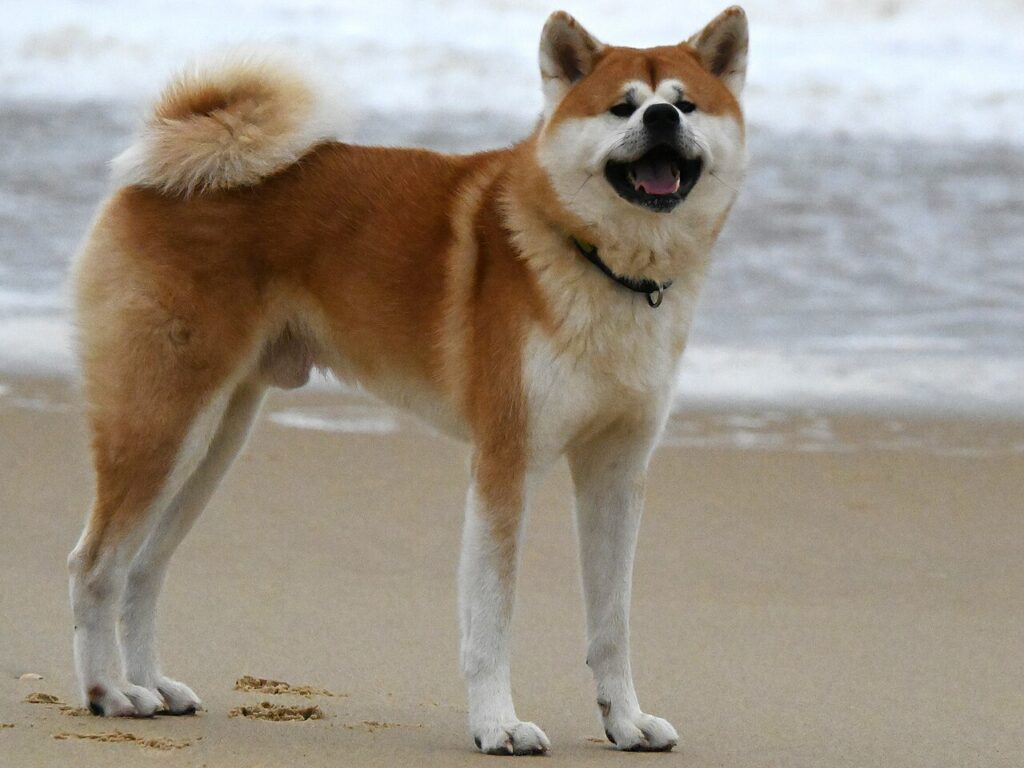
The Akita Inu is a large, robust and unmistakably-looking dog native to northern Japan. He is known worldwide for his legendary loyalty– the one that immortalized Hachikō’s story – and for a character as calm and dignified at home as he is firm and independent outside of it. It’s not a dog for everyone, but for those who understand its nature it becomes an exceptional companion. In this complete guide you will find everything important about the Akita Inu: what his character is, if he fits in with you, how to raise and care for him, his health, his history, and a lot of other details that almost no one tells.
Is the Akita Inu the dog for you?
Before you fall in love with her beautiful appearance, you should be honest: The Akita is a wonderful dog to the proper owner. It is ideal if you are looking for a loyal, balanced and calm companion at home, you like a dog with its own personality (not a dog “yes to everything”) and you can dedicate socialization, coherence and company to it. It’s not the best choice as a first pet, in homes with multiple dogs of the same sex, or if you’re going to leave it alone for many hours a day.
- Extraordinary loyalty and bond with his family.
- Quiet, clean, and barely barking at home.
- A natural keeper, brave and confident.
- Elegant, imposing and very healthy if raised properly.
- Independent and stubborn: not a dog of easy obedience.
- Dominant with other dogs, especially of the same sex.
- It sheds a lot of hair on the seedlings.
- Strength and character that demand experience.
Character and temperament
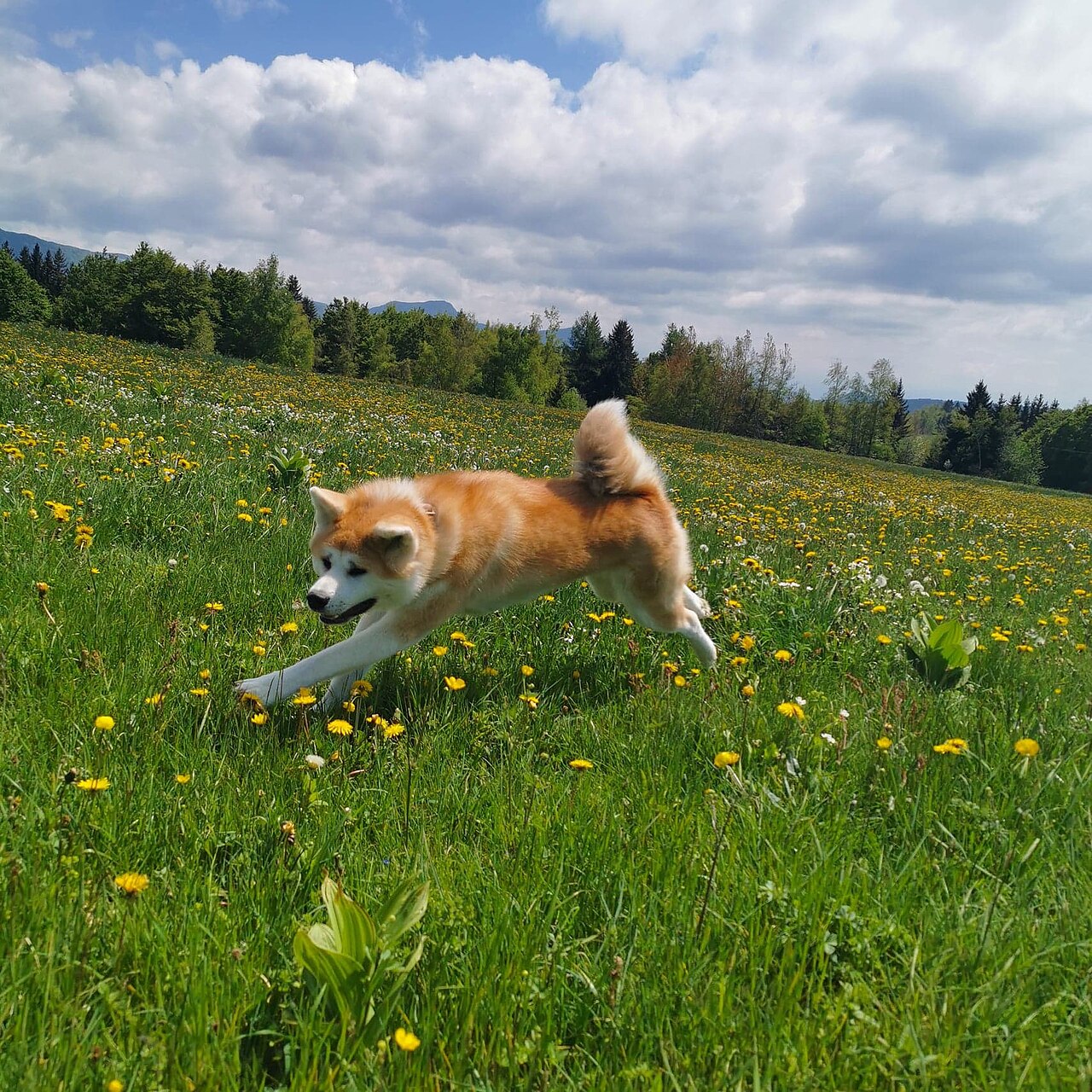
If anything defines the Akita it is its peaceful dignity. Inside the house it is calm, observant and silent; it rarely barks for no reason and usually behaves with an almost feline composure.
With strangers, however, it is reserved and vigilant. It is not an effusive dog with anyone: it evaluates before trusting. This natural distrust, coupled with its courage, makes it an excellent keeper, but also demands that the owner handle presentations and new environments well.
The Akita thinks for itself; it does not live to please like a Labrador. It is very intelligent, but also stubborn, and can be dominant with other dogs. This is not a defect, it is its essence: understanding it is the key to a good coexistence.
Coexistence: children, other pets, flat and loneliness
This is where most doubts arise, so let’s go point by point:
- With children: is usually patient and protective with the children in his family, but due to its size and character it is advisable to always monitor contact and teach the little ones to respect it.
- With other dogs: is its most delicate point. It tends not to tolerate other dogs of the same sex and can be territorial. Intense socialization from puppyhood helps a lot, but many Akitas live happier as a single dog.
- With cats and small animals: retains a strong hunting instinct, and may learn to live with them if he grows up, but caution is warranted.
- On the floor: can live on the floor as long as it covers its daily exercise.
- Soledad: is very attached and it is not good to be alone for many hours; boredom and lack of company can lead to frustration.
Education and training
Educating an Akita is an exercise in intelligence, not strength. Forget the idea of a dog that obeys without grumbling: the Akita cooperates when it understands the sense and trusts the one who guides it.
- The more positive experiences you have with people, dogs, noises and environments as a puppy, the more balanced you will be as an adult.
- Physical punishment or harsh methods undermine their confidence and bring out their stubbornness.
- Short and varied sessions: gets bored with repetition, preferably short, frequent, entertaining workouts.
- Consistency and kind leadership: needs clear and stable rules from day one, no rigidity or screaming.
Exercise and activity needs
The Akita has a medium-high energy. It is not a tireless athlete like a Border Collie, but is descended from hunting dogs and needs to expend body and mind. With one or two good walks a day, some play and mental stimulation is usually satisfied.
Care for fur, coat, and hygiene
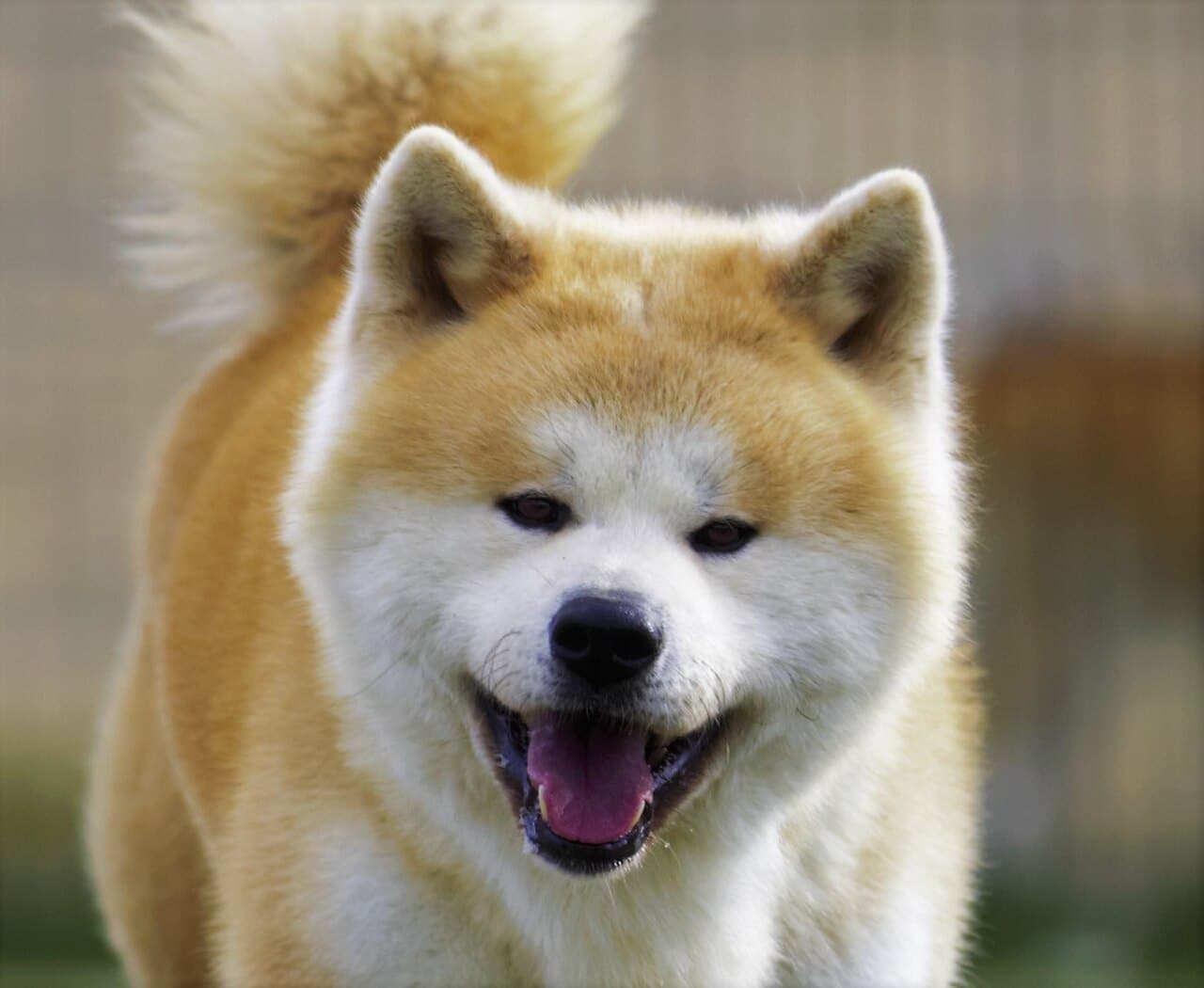
The Akita’s maintenance is simple except for one detail: the hair. Its double coat protects it from the cold, but it also means mute and more mute.
- Cepillado: once a week on a regular basis and daily during the two annual seedings, which are spectacular.
- Baño: only when needed; it’s a naturally clean dog and barely smells.
- Nails, ears and teeth: Regular checking and trimming of nails, cleaning of ears and brushing of teeth to prevent tartar.
- Ojos: monitors for redness or discharge, as the breed has some predisposition to eye problems.
Feeding of the Akita Inu
As a large dog, he needs a quality diet adapted to their size, age and activity level, with a good ratio of animal protein. Divide your daily allowance into two takes and avoid strenuous exercise just before and after eating: Like other large, deep-chested breeds, the Akita is at risk of if the test chemical is used, the test chemical shall be used., a serious veterinary emergency. Control your dog’s weight – it tends to gain weight if you overfeed him with rations or prizes – always offer fresh water and check with your veterinarian for specific amounts.
Health and life expectancy
The Akita Inu lives on average between 10 and 13 years and, in general, it is a robust breed.
- Hip and elbow dysplasia: chooses breeders to test the parents.
- Gastric torsion (GDV): related to diet and exercise.
- Eye problems: progressive retinal atrophy, among others.
- Autoimmune disorders include: the breed has some predisposition (sebaceous adenitis, uveodermatological syndrome/VKH) and hypothyroidism.
- Sensitivity to drugs and anaesthetics: should be reported to the veterinarian.
The combination of a good breeder (with health tests), regular veterinary checkups, vaccination, deworming, and a healthy lifestyle is the best recipe for your Akita to live long and well.
Physical appearance: size, weight and colours
Its most recognizable features are the wide triangular head, small, triangular, erect ears slanted slightly forward, small, dark eyes of serene expression, and a thick, coiled tail on the back.
- Altura: males 64 – 71 cm; females 58 – 66 cm at the withers.
- Peso: males 32 – 45 kg; females 23 – 38 kg (the American Akita is even more stocky).
- Pelaje: double layer, with dense and soft undercoat and a harder outer coat separated from the body.
- Colores (Akita Inu): lion-red, sesame, spotted and white. All but the white bear urajiro: the characteristic whitish markings on the muzzle, cheeks, chest, belly and inner legs.
Origin and history of the Akita Inu
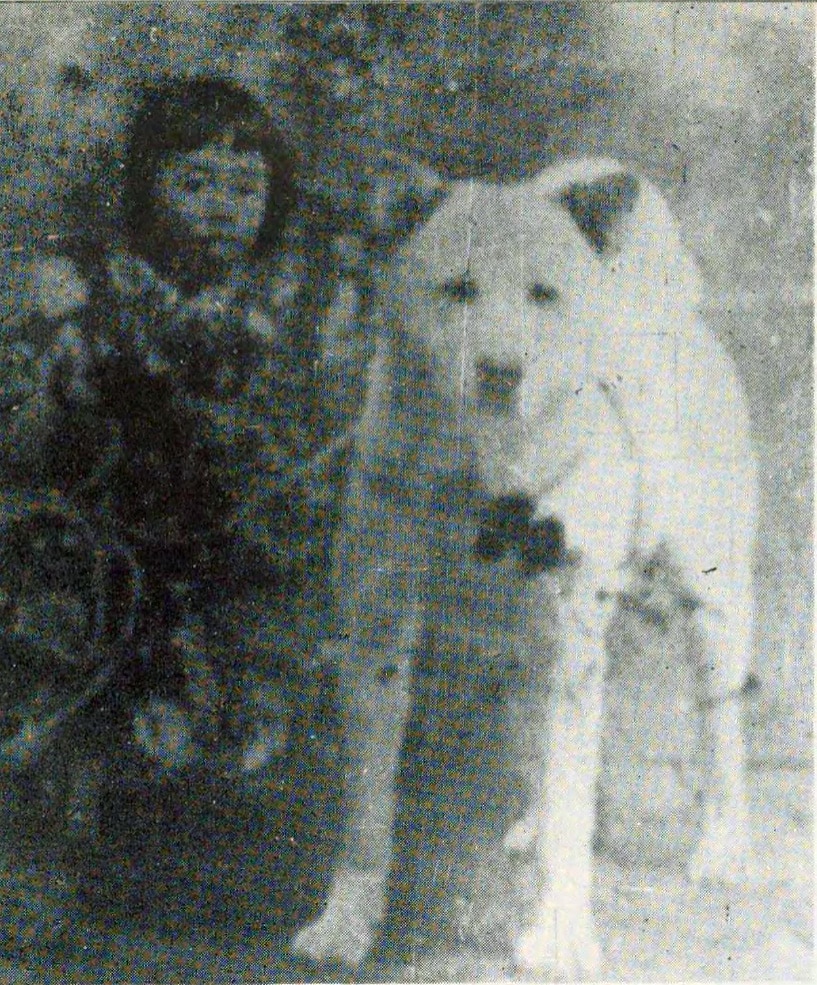
The Akita is one of the oldest and most revered native breeds in Japan. It comes from the Prefecture of Akita, in the mountainous region of Tōhoku, where matagi dogs helped to hunt larger animals such as the Asian black bear and wild boar.
In 1931 the Akita was declared Natural Monument of Japan, an honor reserved for the most representative of the country, and in 1934 its first standard was set. But his worldwide fame came from the hand of Hachikō: Born in 1923, this Akita went to Shibuya Station every day to wait for his owner for about nine years after he died in 1925. His story moved Japan and made him an eternal symbol of loyalty.
In 1937, the writer and activist Helen Keller became fascinated by the breed and brought the first Akitas to the United States. During World War II the breed was on the brink of extinction and even crossed with German shepherds to save it from slaughter.
The Akita Inu (Japanese) vs. the American Akita
Although they share a common origin, today they are two breeds recognised separately(the FCI separated them in 1999):
| Trace | Akita Inu (Japanese) | The American Akita |
|---|---|---|
| Size | Lighter and more stylized | Bigger and bulkier |
| Head | More “crap”, fine | Broader, like a bear. |
| Colours | Red, sesame, hawthorn and white | The whole range, including black mask |
| I hope so. | Compulsory | Not required |
Price and where to get an Akita
The price of an Akita Inu puppy varies by breeder, country, and line, but cheap is usually expensive. More important than the price is the origin: Look for responsible breeders who will do parental health screenings, show you where the dogs live, and take an interest in the home you’re going to give them. Be wary of “bid” breeds, impulse selling and those who won’t let you see the mother.
And, of course, there’s the adoption: there are protective and breed-specific associations with adult Akitas looking for a second chance.
Curiosities of the Akita
- Hachikō stars in the world’s most famous dog loyalty story and has its own statue in Shibuya, in addition to several films.
- In Japan, giving a akita figurine to someone newborn or ill symbolizes health, happiness and long life.
- Helen Keller was the one who introduced the breed to the United States in 1937.
- His gait and composure have earned him a reputation for almost “catlike” elegance.
- The long hair variety (moku) is associated with a somewhat sweeter temperament, although it is penalized in exposure.
If you are attracted to the character of Spitz and Nordic type dogs, you will also be interested in the Shiba Inu, Husky Siberiano, Samoyedo and Alaskan Malamute.
Frequently Asked Questions About the Akita Inu
Is the Akita Inu a good family dog?
It can be, and very good, but with nuances. It is loyal and protective with its own and is usually calm and patient at home, but its territorial character, its independence and its size make it recommended to families with experience, children who know how to treat a dog and time to socialize it well from a puppy.
How long does an Akita Inu live?
Their life expectancy is about 10 to 13 years, and good nutrition, adequate exercise, weight control, and regular veterinary checkups are the best way to bring them closer to the upper end of that range.
Do you lose a lot of hair?
Yes, quite. It has a double coat and makes two very intense seasonal moults a year (the “blow coat”), in which it loses the undercoat almost to strands. The rest of the year the fall is moderate. It needs weekly and daily brushing during moult.
Does the Akita get along with other dogs?
Not always. It tends to be domineering and intolerant, especially with dogs of the same sex. With early and careful socialization it improves a lot, but many Akitas get along better being the only dog in the house.
Is it hard to educate?
It’s not difficult because of lack of intelligence – it’s very smart – but because of its independence and stubbornness. It’s not a dog of blind obedience: it learns quickly what motivates it and disconnects from repetition. It responds to positive reinforcement, patience and consistency; harsh treatment is counterproductive.
Can he live in a flat?
Yes, as long as he has his walks and daily activities. It is quiet and clean inside and does not bark excessively. What is worse is not the small space, but the prolonged solitude and heat.
What’s the difference between the Akita Inu and the American Akita?
The Akita Inu (Japanese) is lighter and more “rounder” in appearance, with limited colors (red, sesame, jagged and white) and always with urajiro markings. The American Akita is larger and bulkier, with a larger head, and supports more colors and the black mask.
Who was Hachiko?
An Akita who, after the death of his owner in 1925, continued to come every day to the Shibuya station (Tokyo) to wait for him for about nine years.
Can you handle the heat?
It is designed for the cold thanks to its double layer, so in summer you have to be extremely careful: shade, fresh water, walks in the cooler hours and never intense exercise in the hottest hours.
Is the Akita aggressive?
Not for free, but it is a dog with character, territorial and distrustful of strangers. Well socialized and educated it is balanced and stable.