Prohibited dog foods – the list that can save your life
You’re having dinner, your dog gives you that “I exist too” look, and the temptation to give him a piece of yours is enormous. Most of the time nothing happens… until it happens. Every year thousands of dogs end up in veterinary emergency rooms for eating something as mundane as a handful of grapes, half a chocolate bar, or a piece of sugar-free gum. And the worst part is that we almost always give it to them without knowing it.
This prohibited dog food guide brings together what reputable veterinary sources (Merck Veterinary Manual, ASPCA, AKC) say about what foods are toxic, in what amounts the problems start, what symptoms to watch for, and what to do in the first few minutes if your dog has already eaten something from the list.
List of prohibited dog foods: the ones that cause most emergencies
Not all foods on this list are equally dangerous: some kill in small amounts and others “only” cause championship gastroenteritis.
Chocolate and cocoa
The classic, and for good reason. Chocolate contains theobromine and caffeine(methylxanthines), which dogs metabolize much more slowly than we do. According to the Merck Veterinary Manual, vomiting, diarrhoea and excessive thirst occur from about 20 mg of methylxanthin per kilogram of body weight; there is a cardiac risk (tachycardia, arrhythmias) between 40 and 50 mg/ kg and seizures may occur above 60 mg/ kg. Symptoms usually take between 6 and 12 hours to appear, so “for now it’s fine” doesn’t mean anything.
The key is in the type of chocolate: pure cocoa and confectionery chocolate concentrate up to 10 times more toxic than milk chocolate. A 30-kilogram Labrador Retriever can tolerate (poorly) an ounce of milk chocolate; for a 2-kilogram Chihuahua, that same ounce of dark chocolate is an emergency.
2. Grapes and raisins
Probably the most treacherous food on the whole list, because it looks healthy. Grapes and raisins can cause acute renal failure in dogs, and the most disturbing thing is that the toxic dose is unpredictable: There are dogs that have become seriously ill with a small handful and others that have eaten more without consequences. The most recent investigation (ASPCA, 2021) points to isocyanate as a possible culprit, but it is not yet fully confirmed. With this uncertainty, the only serious recommendation is zero tolerance: No grapes, no raisins, and no pastry with hidden raisins.
Xylitol (sweetener “without sugar”)
The great unknown and one of the deadliest. Xylitol is in sugar-free chewing gum and candy, light peanut butter, toothpaste and pastry for diabetics. In the dog it triggers a massive release of insulin that sinks blood sugar in just 30 minutes or 2 hours: Weakness, lack of coordination, tremors, and seizures. At higher doses it causes liver failure within 24-48 hours. Two or three chewing gum can be enough to endanger a small dog like a Yorkshire Terrier. If you buy peanut butter for prizes, always read the label.
4. onion, garlic, leek and onion
The entire lily family contains sulfur compounds that destroy the red blood cells the dog and cause hemolytic anemia. It doesn’t matter if they’re raw, cooked or powdered (eye with broths, souffritos, purees and baby food). Garlic is several times more concentrated than onion. The treacherous one: symptoms (pale gums, weakness, lethargy, dark urine) may take several days to appear after the damage has been done.
5. Macadamia nuts
One of the most characteristic intoxications: between 12 and 24 hours after eating them, the dog presents weakness in the hind legs, tremors, vomiting and fever. The exact mechanism and safe dose are not yet known, and with small amounts clear pictures have already been described.
6. Alcohol and raw bread dough
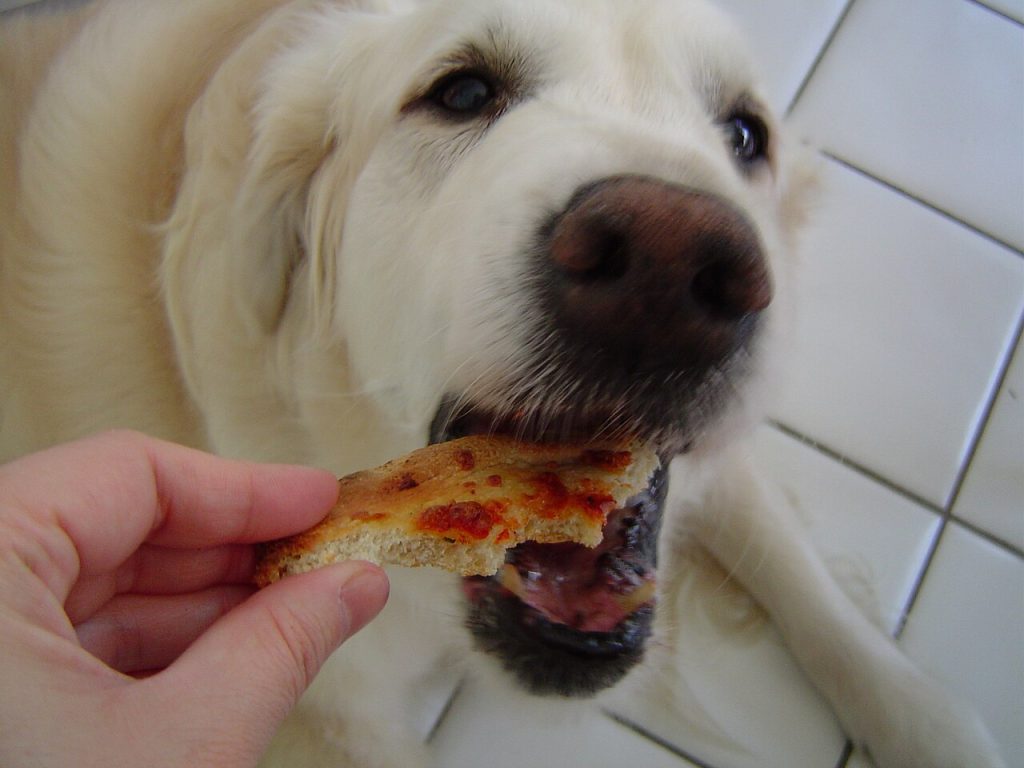
Alcohol affects dogs the same way it affects us, but at a fraction of the dose: I’ve been having a lot of problems with my body. Dyscoordination, vomiting, respiratory depression and even coma. And the raw dough with yeast is a terrible two by one: It ferments inside the stomach producing other and further expands and can cause dangerous gastric dilation, especially severe in large deep-chested breeds like the Gran Danés. If you make bread or pizza at home, the dough you’re carrying never reaches your nose.
Coffee, tea and energy drinks
Same chemical family as chocolate: caffeine is a methylxanthin. A ton of coffee with milk is usually no problem, but coffee grounds, capsules, tea concentrate, or energy drinks can cause hyperactivity, tachycardia, tremors, and seizures. Small dogs, again, are the most vulnerable.
8. Bones cooked
They’re not toxic, but they deserve to be on the list because they generate a lot of emergencies. When cooked, bone becomes brittle and splinters: esophageal or intestinal perforations, blockages and tooth fractures. Chicken, rib and steak bones are the worst.
9. Others to Avoid
- The actual risk of pulp in dogs is low and debated, but the bone is a clear danger of obstruction and the leaves and skin concentrate more toxic.
- Salty snacks, highly cured ham or seawater in quantity can cause sodium poisoning (extreme thirst, vomiting, tremors, seizures).
- Milk and milk products: many adult dogs are lactose intolerant. it’s not a poisoning, but it’s diarrhea and discomfort. small amounts of cured cheese are usually better tolerated.
- Fruit with bone(peach, cherry, apricot): the bone obstructs and its seeds contain cyanogenic compounds.
- Nutmeg and large quantities of cinnamon: irritants and, at high doses, neurotoxic.
- Wild mushrooms: if you wouldn’t identify them to eat, neither should your dog.
Chocolate: how much is too much depending on the type
Since chocolate is the number one query, here’s the approximate concentration of methylxanthin per type (data from the Merck Veterinary Manual).
| Type of chocolate | Methylxanthine approx. | Level of risk |
|---|---|---|
| Pure cocoa powder | ~ 28 mg/g | Extreme |
| Sugar-free confectionery chocolate | ~ 15 mg/g | Very high. |
| Dark chocolate (70 to 85%) | ~5 to 6 mg/g | Stop it ! |
| Chocolate with milk | ~ 2 mg/g | Moderate |
| White chocolate | It ‘s not important . | Low (but high in fat and sugar) |
Practical example: 50 g of dark chocolate contains about 275 mg of methylxanthines.For a dog of 10 kg it is about 27 mg/kg: enough for clear digestive symptoms and to call the veterinarian without hesitation.
What to do if your dog has already eaten it
The first 30 to 60 minutes are very important.
- Don’t wait for symptoms to appear. With chocolate, xylitol or grapes, when the dog “gets sick” the toxin is already absorbed.
- Gather the key information: what you have eaten, how much (see packaging), how long ago and how much your dog weighs.
- Call your veterinarian immediately or a 24-hour emergency service. The above data will allow you to calculate whether the dose is a risk and decide whether to induce or treat vomiting.
- Don’t induce vomiting on your own. No home remedies such as salt water (dangerous in itself) or oxygenated water without express indication from the vet: with some toxic and in some dog states, vomiting makes things worse.
- Don’t give him milk, oil, or homemade tampons. doesn’t neutralize anything and can complicate treatment.
- If they tell you to come, go now. Inducing vomiting is particularly effective in the first 1-2 hours after ingestion.
Common Mistakes Almost All of Us Make
- “A little won’t do you any good”. Depends on the food and the size of the dog, a slice of apple is fine, a slice of onion every day, anemia on the way.
- Trust that the dog “doesn’t arrive”. A Beagle motivated by its smell or a large dog with access to the counter reaches where it is needed.
- Souffits with onion and garlic, salty sauces, meat bones… the leftover menu concentrates half the list of this item.
- The guests and the children. You know the list; your brother-in-law doesn’t.
- Forget the sugar-free products. The dog-sized gum bag is an emergency classic.
- Confusing bigotry with drama. Not everything requires panic: a ton of ice cream is not an emergency. Learning what is serious and what is not saves you from scares and unnecessary visits.
How to Prevent Scare at Home
- Store chocolate, raisins, nuts, and gum in high or closed cupboards, never on the lower table in the living room.
- Trash can with lid and pedal (or inside a closet). For many dogs, trash is a free buffet.
- Train the “deja” and “suelta” commands: they are the best life insurance you can give, especially to ravenous dogs like the Golden Retriever.
- Locate the phone and address of your nearest veterinary emergency room 24 hours before you need it.
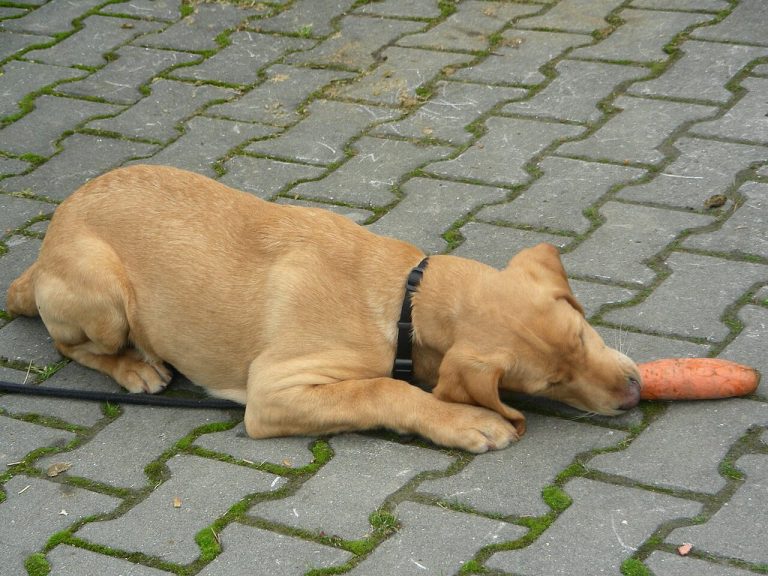
- If you give him table rewards, decide beforehand which are safe – carrots, apples without pickles, blueberries, cooked pumpkin, or cooked chicken pieces without salt or spices.
- At Christmas and celebrations, the alert level rises: rattlesnakes, New Year’s grapes, candy and candy dough everywhere.
Frequently Asked Questions
My dog ate a small piece of chocolate, do I have to go to the vet?
It depends on the type of chocolate and the weight of the dog. A medium-sized dog that steals an ounce of milk chocolate will probably only have mild discomfort; the same piece of dark chocolate or pastry on a small dog can be serious. Always call your veterinarian with these data: dog weight, type of chocolate and approximate amount. They calculate the actual risk.
How many grapes are dangerous to a dog?
A safe quantity is not known: some dogs have suffered kidney failure with very few grapes and others have tolerated more.Since sensitivity is unpredictable, any ingestion of grapes or raisins is considered reason for immediate veterinary consultation.
Can dogs eat bread?
Normal baked bread, in small quantities and without extra ingredients (pastas, garlic, chocolate), is not toxic, although it does not contribute much. The real danger is the raw dough with yeast, which ferments in the stomach producing alcohol and gases.
Is avocado toxic to dogs?
There’s debate. Avocado parsley is very toxic to poultry and other animals, but the risk of pulp in dogs seems low. Even so, the bone can cause severe blockages and the skin and leaves concentrate more parsley, and it’s a very fatty food. The prudent stance: don’t give it to them, and consult your vet if you’ve eaten a significant amount.
Can I give my dog milk or cheese?
Small pieces of cured cheese (low in lactose) are better tolerated and work well as an occasional reward, except in overweight dogs, pancreatitis or salt-restricted diets.
What do I do if my dog eats something toxic in the morning?
Call a 24-hour emergency veterinary hospital; in most cities there is at least one, and they answer phone calls for poisoning consultations.
The good news after so many blacklists: Prevention is easy. With risky food out of reach, a well-trained “leave” order, and the emergency phone put away, the chances of a serious scare plummet. And in the face of any doubt – quantity, unusual symptom, suspicious label – your vet is always the ultimate source: This article informs, but does not replace, professional consultation.