Perros y niños: claves para una convivencia segura y feliz
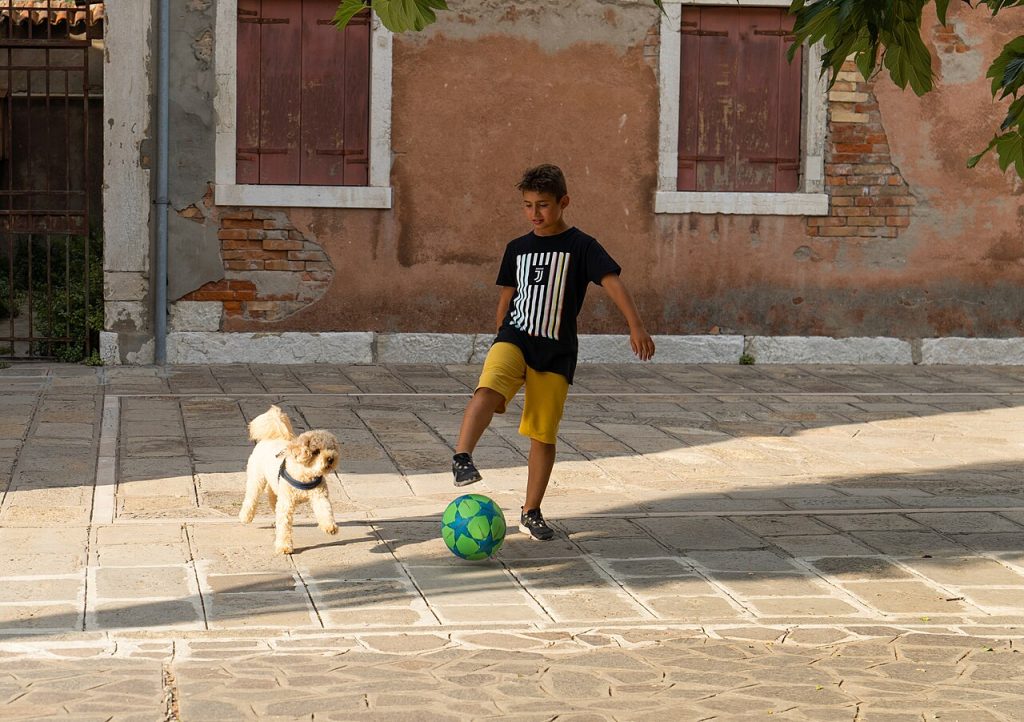
If you have dogs and children in your home (or are about to do so), this mix of emotions probably rings a bell: the illusion of seeing them grow up together and, at the same time, that knot in your stomach when your son leaps over the dog to hug him. The coexistence between dogs and children may be one of the most beautiful experiences of childhood, but it doesn’t work out by magic: It works best when we adults set standards, supervise and teach both of us to understand each other. In this guide we tell you how to do it, with data from solvent veterinary sources and tips applicable from today.
Active supervision: the rule that changes everything between dogs and children
Let’s start with the data that matters most. According to the American Veterinary Medical Association (AVMA), there are more than 4.5 million dog bites per year in the United States, and children account for about half of the victims.. And here comes what almost no one expects: the vast majority of bites in young children are not caused by strangers on the street, but by family dogs – the house dog, the neighbor’s dog, the grandparent’s dog – during daily activities.
Why? Because with the trusted dog, we let our guard down. We let the child climb over the dog, touch it while it’s eating or hug it while it’s sleeping, things we would never allow with a stranger’s dog. The solution has a name: active supervision.
Active surveillance is not “being in the same house”. It’s being in the same room, watching, and being able to intervene in a second.
- Never leave a small child alone with a dog., not for a minute, not even if he’s the best dog in the world.
- If you have to leave the room (to the phone, to open the door), the child comes with you or the dog goes to its safe zone.
- Monitoring means looking at the interaction, not the phone.
- Create a safe area for the dog(bed, conveyor or room) where the child is forbidden to enter.
The golden rules every child should learn
Children are not born knowing how to treat a dog: they must be taught, repeated a thousand times and preached by example.
- Do not disturb the dog when it eats, sleeps or has a toy or bone. are the three contexts where most bites occur in the home.
- No hugs or kisses on the nose. We have a hard time accepting it, but most dogs tolerate hugs, they don’t enjoy them, and the child’s face is right at the teeth.
- Caressing with one hand, on the chest or back, never throwing himself over the dog’s head or back without him seeing it coming.
- Always ask for permission: first the adult responsible for the dog, and then “the dog”, letting him come to sniff.
- No pulling of ears, tail or hair, do not ride on it, do not chase it or corner it.
- If a loose dog comes running: stand still like a tree, arms glued to the body, face down, running and screaming activates the chase.
- A growl means “stop”. Teach the child that if the dog growls, it will slowly move away and warn an adult. And beware: never punish the dog for growling, because a dog punished for growling can learn to bite without warning.
The AKC proposes teaching children to be “dog listeners”, little detectives who can guess how a dog feels by looking at its ears, tail, and posture.
Teach Your Dog to Read – Stress and Alarm Signs
Dogs almost never bite “without warning”. What happens is that they warn in their language and we do not hear it. Before the growling there is a whole ladder of discomfort signals that, if you detect them, allow you to intervene long before there is a problem:
| Signal | What does it mean? | What to do |
|---|---|---|
| Licking his nose or yawning without sleep | Mild discomfort, try to calm down. | Give space, lower the intensity of the game |
| Turn your head or look away | “I don’t want conflict, leave me alone” | Removing the child naturally |
| He stiffens, closes his mouth, tight tail | High voltage | Separate now, calmly, without screaming |
| “Whale eye” (you can see the white of the eye) | Major stress, you feel trapped | Separate immediately and check what caused it |
| Grunting or showing your teeth | Last warning before the bite. | Separate without punishment and seek professional help if repeated |
When the whole family can read this ladder, you stop “just in case” and you start to understand your dog.
How to prepare a dog for children
Safety does not depend only on educating the child: the dog also needs tools.
- Early socialization. A puppy between 3 and 14 weeks old who knows children of different ages (always in positive and controlled experiences) will have many more adult resources.
- Basic obedience.“Sit”, “quiet”, “leave” and going to the call are not ornaments: they are emergency brakes that one day you will thank.
- Positive associations. That good things (rewards, play, walks) happen when the child is present. The dog should conclude that the child brings good things, not chaos.
- Enough exercise and rest. A dog without exercise or quality sleep is an irritable dog; many conflicts are avoided by covering its needs well.
- Veterinary checks are in order. A dog who suddenly becomes grumpy with the child may have pain (otitis, osteoarthritis, dental problem).
Newly arrived dog and baby: how to manage presentation
The arrival of a baby is an earthquake for the dog: new hours, new smells, new noises and, suddenly, less attention.
- Before birth, get him used to the changes: mount the crib and cart weeks in advance, let him explore them calmly, play occasional low-volume crying sounds to reward calmness, and gradually adjust ride times.
- The first encounter: walk the dog first (it will arrive more relaxed) and let him smell the baby at a certain distance, with a loose leash if it gives you more security.
- Después, prevents the dog from associating the baby with “ignore me”: give him moments of attention when the baby is present, not only when he is sleeping.
- Never leave the baby and the dog alone in the same room. Neither on the floor on the blanket, nor in the hammock “a moment”.
What breeds are usually best suited to children?
It goes ahead something important that the veterinary literature itself underlines: race, by itself, guarantees nothing.. Education, socialization, environment and family management weigh more than genetics.
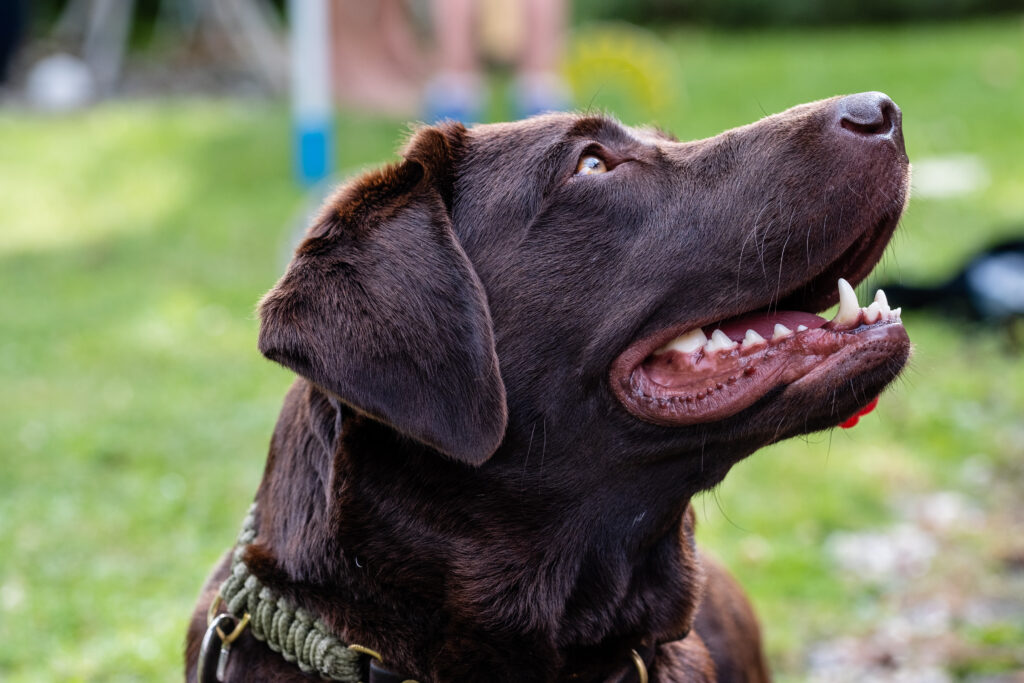
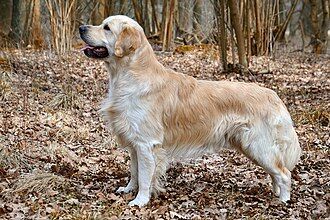
- The Labrador Retriever and Golden Retriever are the classic family dogs: tolerant, sociable and with an endless desire to participate in domestic life.
- The Cavalier King Charles Spaniel is a great choice if you’re looking for a small but sturdy dog, affectionate and non-confrontational.
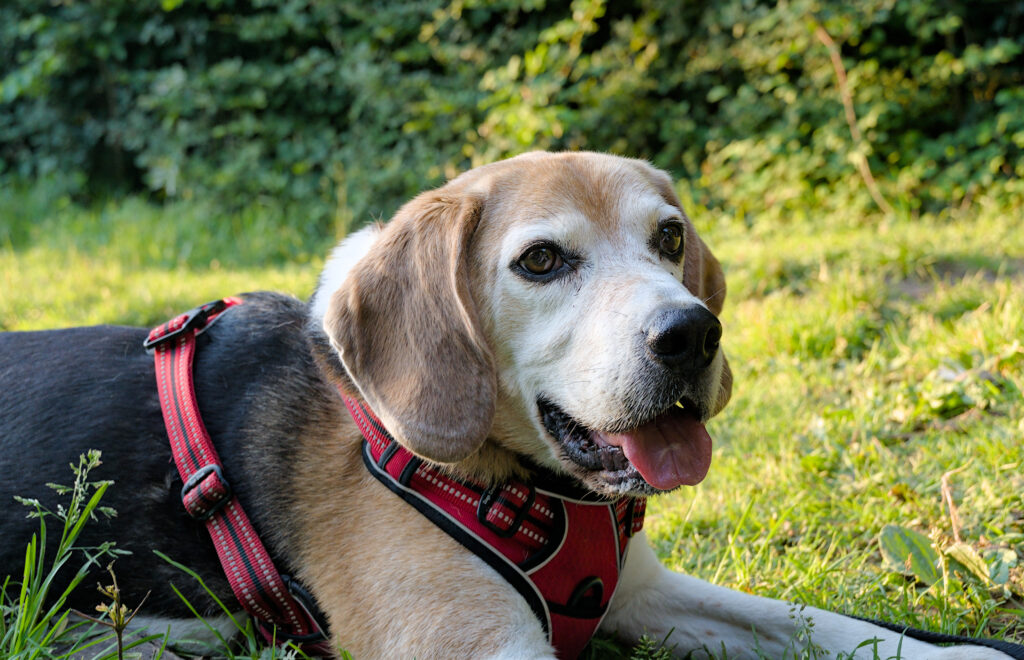
- The Beagle is cheerful, playful and the perfect size for homes with mobile children, although its nose says: patience with calls in the park.
- Quiet giants such as the Terranova have a historical “babysitter dog” reputation for their patience, although their size demands space and adults able to handle them.
- At the other extreme, very aggressive herding breeds like the Border Collie are wonderful, but their instinct can lead them to “lead” running children, marking them with little snout taps or pinches.
And don’t forget the half-breeds: an adult adopted dog, with character already known and evaluated by the protector, may be the most predictable option of all.
Real benefits of growing up with a dog (and what science still discusses)
The good news is that all this effort pays off. Growing up with a dog brings children some pretty well-documented benefits:
- More physical activity: walks, games and less sofa for the whole family.
- Developing empathy and responsibility: caring for another living being, learning to read their emotions and respect their boundaries is a daily emotional training.
- Emotional support: For many children, the dog is a confidant, a playmate and an affectionate mattress in difficult times.
What about dogs preventing allergies and asthma? Here’s where it comes down to honesty: the evidence is promising but not conclusive.. Several studies have found that babies who live with a dog during the first year of life have a lower risk of asthma years later, and recent studies link early exposure to canine allergens with better infant lung function. But other studies don’t find the same effect, the outcome may depend on the genetics of each child, and in children who have there you go. allergy or asthma coexistence may worsen symptoms. == sync, corrected by elderman == do not adopt a dog “to prevent asthma”, and if there are allergies in the family, talk to your pediatrician or allergist first.
Common Mistakes to Avoid
- Trust because “my dog is so good”. All dogs have a limit. The data is stubborn: most child bites come from known dogs.
- Punish the grunt. The grunt is a very valuable piece of information, and if you eliminate it on the basis of punishment, you run out of alarm systems.
- Allow the child to do “funny” things: riding on it, forcibly disguising the dog, taking away its food “to teach it”. No bite has ever come from respecting the dog.
- Giving a puppy away on impulse(Kings, birthdays) without valuing the 12-15 years of commitment that come after. The dog is not a toy and the child, as much as he promises, will not be his main caretaker: you will be.
- Delegate oversight to the older brother. Responsibility for safety between dogs and children is always with an adult.
- Ignore any changes in the dog’s behavior. If suddenly the child avoids, hides or growls more, something happens: pain, stress or fear.
Frequently Asked Questions
From what age can a child be left alone with the dog?
There is no magic age, but most experts recommend constant adult supervision at least up to 6-9 years, and caution well beyond. It depends on the maturity of the child, the specific dog and how well both have learned the rules. With babies and small children the rule is absolute: never alone, not a minute.
Is it true that most children are bitten by known dogs?
Yes. Studies on child bites agree that the vast majority occur with family dogs (their own, a neighbor’s, friend’s or relative’s) and in everyday contexts: while the dog was eating, sleeping or being hugged or handled by the child.
My dog has been growling at my son, should I be worried?
Take it as useful information, not as a betrayal. The growl means that the dog felt cornered or upset and warned instead of biting: that’s good. Don’t punish it; analyze what happened, reinforce the rules with the child, and if it repeats or escalates, consult your veterinarian and a canine educator who works in a positive way.
What do I do if a loose dog comes running at my son?
Teach him the technique of the tree: to stand still, with his arms glued to his body and his gaze lowered, without running or shouting. Most dogs lose interest in seconds to something that does not move. If the child is on the ground, he should make himself “a stone”: curl up face down while protecting the back of the neck with his hands.
Does having a dog prevent allergies and asthma in children?
The evidence is interesting but not conclusive. Some studies associate living with a dog during the first year of life with a lower risk of asthma and better lung function years later, but others do not find that effect and in children already allergic it may be counterproductive. If there is a history of allergy or asthma in the family, consult a pediatrician or allergist before deciding.
What breed is best for a family with small children?
Rather than a specific breed, look for a dog with a stable temperament, well socialized, and suited to your lifestyle. Classics like the Labrador, Golden Retriever, or Cavalier King Charles usually fit very well, but an adult half-breed character evaluated by a protector can be even more predictable. Education and family management outweigh genetics.