¿Los perros necesitan abrigo? Cuándo la ropa sí tiene sentido
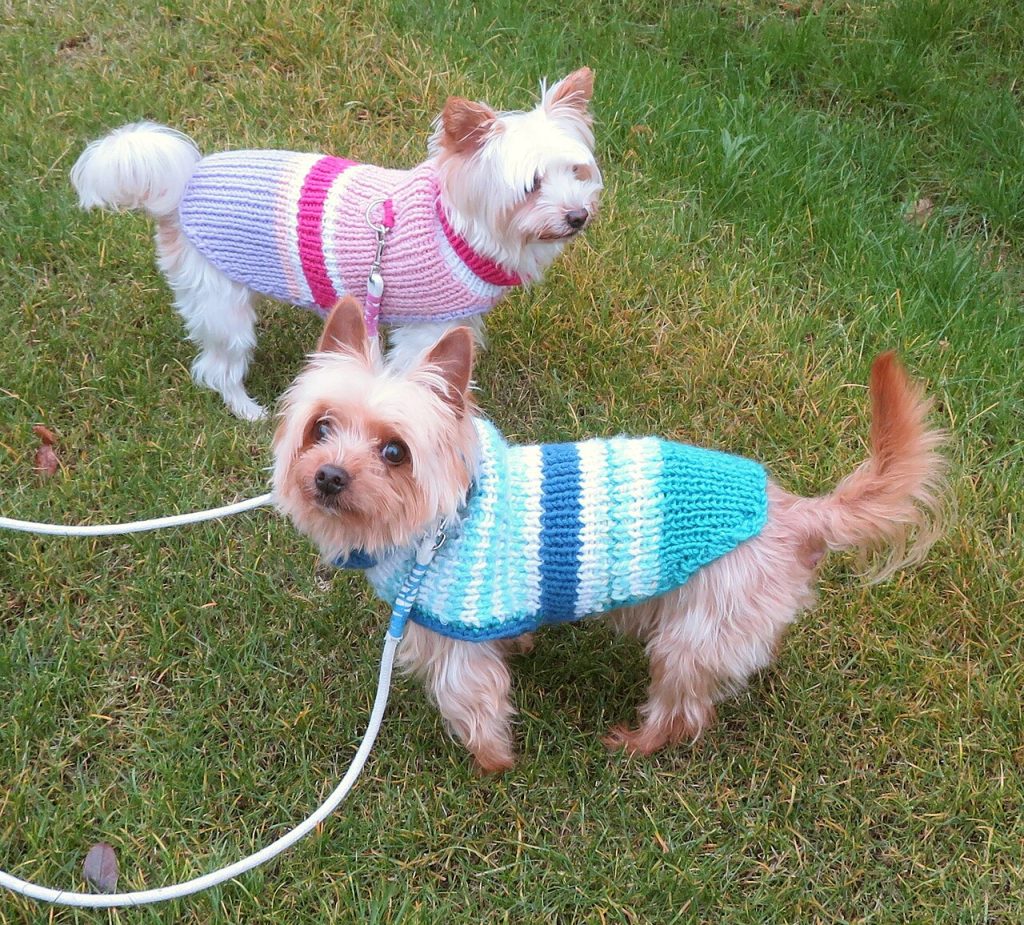
The cold comes, you pull your jacket out of the closet, and on the afternoon walk, you run into a dog in a jersey. And there comes the usual doubt: Is it a human whim or is it really necessary? The short answer is that a dog coat is neither nonsense nor a universal obligation: There are dogs that thank you very much and dogs that are directly overwhelmed. The key is to know which of the two groups is yours.
In this guide, we tell you, with veterinary judgment and no smoke, when clothing does make sense, which breeds need it most, from which temperatures to act and how to choose a garment that really warms without bothering.
When a dog coat makes sense
Dogs regulate their temperature worse than we think. They don’t sweat like us: They depend on their breath, their fur and their body mass to keep warm. When any one of those three tools fails – little hair, little body, or little heat generation – the cold takes its toll sooner. Veterinary organizations such as VCA Animal Hospitals and the American Kennel Club (AKC) agree on the profiles that most benefit from a coat:
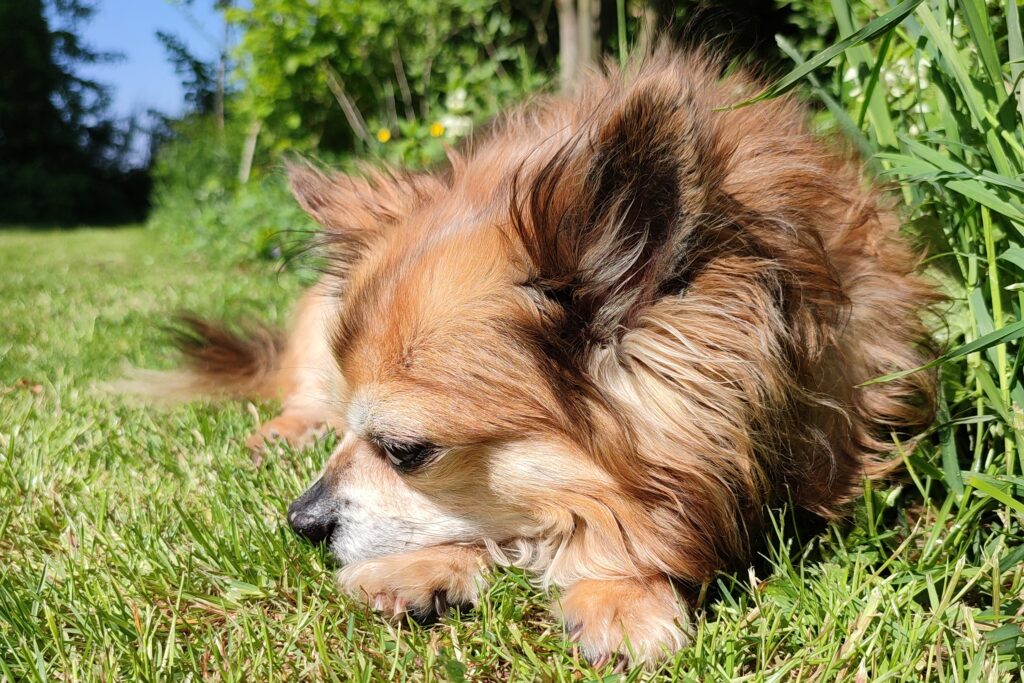
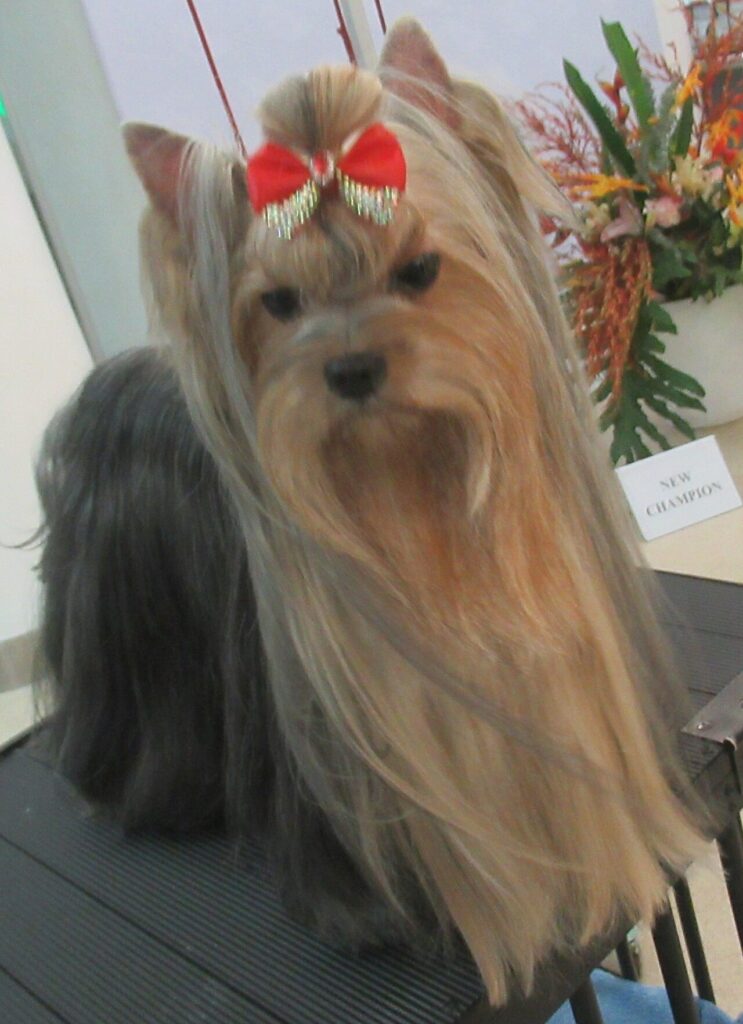
- Small breeds and toy. A Chihuahua or a Yorkshire Terrier loses heat very quickly: they have a lot of body surface area in proportion to their mass and very little internal “heating”.
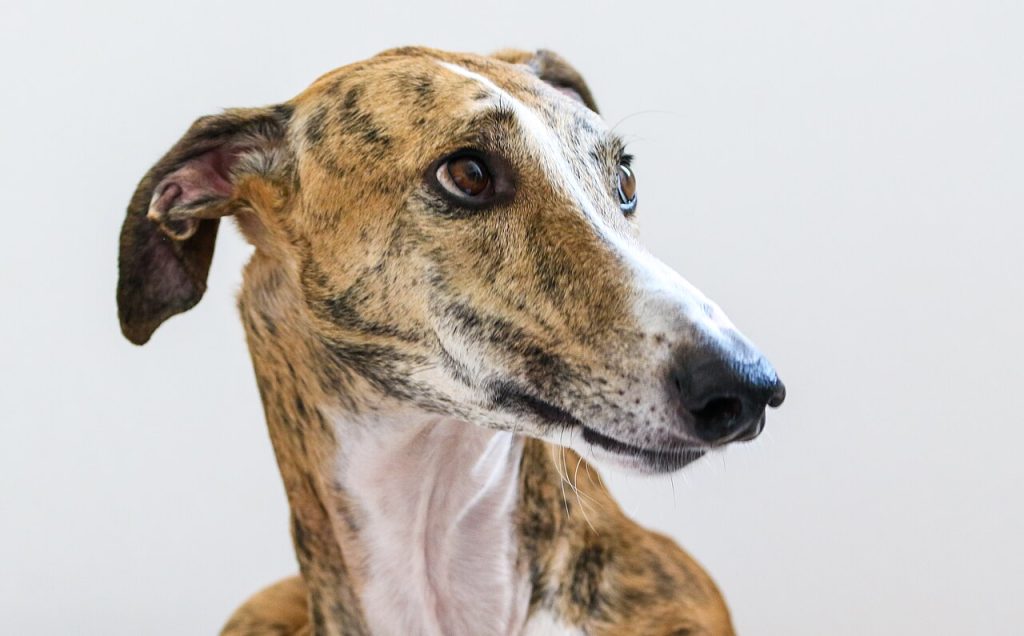
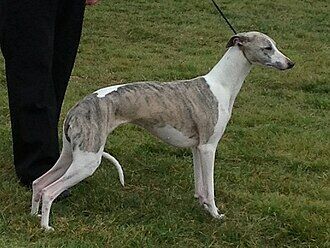
- Hares and very thin dogs. The Galgo Español or Whippet combines short hair, thin skin and almost zero body fat. If you live with one, you know they shake easily: the coat in winter is almost standard equipment.
- Breeds with short legs. A Teckel or a Basset Hound goes with its chest and belly almost touching the ground: with snow, frost or wet ground it soaks and cools immediately, even if it has good hair.
- Short-haired, very active dogs. Thin-coated athletic breeds, such as Braco de Weimar or Vizsla, cool quickly as soon as they stop moving on a damp cold day.
- Shaved or freshly sheared dogs. A recently machine-cut poodle temporarily loses its natural insulation, no matter how good its hair is in theory.
- Puppies and older dogs. Puppies still don’t regulate their temperature well and seniors regulate it worse and worse.
- Dogs with health problems. Diseases such as hypothyroidism, diabetes or kidney failure make it difficult to maintain body temperature. In these cases, ask your veterinarian directly what protection your dog needs.
If your dog fits one or more of these profiles and there are real winters in your area, clothing is not a whim – it is a practical help to a specific problem.
When the coat is leftover (and even annoying)
At the other end are the dogs of two layers: They have a tough outer mantle and a dense inner lanilla that functions as a natural featherbed. Nordic breeds such as the Husky Siberiano, Alaskan Malamute or Samoyed were selected for centuries precisely to work at sub-zero temperatures. The same applies to mountain moles such as the St. Bernard, the Newfoundland or the Bernese Boyero.
Putting a coat on one of these dogs in a normal winter is not only unnecessary: It can be counterproductive. The garment crushes the inner layer (which is insulated by the air it retains between the hair) and adds heat to an animal that is already perfectly equipped, with the risk of overheating it as soon as it starts jogging. If your double-coated dog gasps or drools with his coat on, he’s telling you he’s got plenty.
Exceptions? Of course: an old, sick, very thin or shaved Nordic dog may need immediate help. The rule is not the breed in the abstract, but the actual condition of the dog. When in doubt, consult your veterinarian.
At what temperature does a dog need a coat?
There is no magic thermometer valid for all dogs, but there are guideline ranges handled by veterinary sources. As a general reference: small, sensitive dogs start to spend regular time below 10°C, and below 4°C cold is already a real risk for them, especially if it’s raining or windy. Large, dense-coated dogs withstand much longer, even at clearly negative temperatures.
| Temperature | Small, thin, senior or short-haired dog | Medium/large dense coat dog |
|---|---|---|
| More than 15 °C | He doesn’t need a coat. | He doesn’t need a coat. |
| 10 to 15 °C | Only if it’s raining, windy or very chilly. | He doesn’t need a coat. |
| 5 to 10 °C | Recommended for long or quiet walks | In general, not |
| 0 to 5 °C | Yeah, coat and a little shorter rides. | Only sensitive, elderly or short-haired dogs |
| Less than 0 °C | Yeah, always warm and short outings. | Valuing by the dog; double-layered Nordics don’t need it |
Two important nuances. First of all: The heat sensation commands more than the thermometer. Wind, rain and humidity multiply the heat loss; an 8°C rainy day can be harder than a 2°C dry one. Second: With very low thermal sensations (below about −6 °C), the AKC recommends shortening outdoor activity to sessions of 15 – 20 minutes, with or without coat, and letting the dog enter the heat inside the house between exits.
Signs That Your Dog Is Cold
Before any board, observe your dog. These signs indicate that he is having cold on the walk:
- Visibly twitches or shakes.
- He walks shrunken, tail glued to body and back arched.
- Lift your feet off the ground or stand still and refuse to move forward.
- He takes shelter, pulls home or asks you to hold him.
- His ears and body are cold to the touch.
If you also notice drowsiness, muscle stiffness or pale gums after prolonged exposure to cold, we are talking about possible hypothermia(a dog’s normal body temperature is around 38 – 39 °C; below 37.5 °C is already cause for alarm).
How to choose a coat: size, materials and details
A good coat is not the prettiest, it’s the one that shelters without hindrance.
- Measure your dog, don’t buy by eye. takes two measurements with the dog standing: back length (from the base of the neck to the base of the tail) and chest contour at its widest point.
- Let’s cover the important stuff. The garment should protect the back, chest, and, if possible, the belly – the area with the least amount of hair – without covering the head or making it difficult to defecate.
- Full freedom of movement. Your dog needs to be able to walk, jog, shake and lie down normally. If the coat rubs against his armpits or slows down his stride, it’s the wrong size or design.
- Material according to the weather. For dry cold, polar lining or point; for rain and snow, waterproof exterior with thermal interior. Wet hair loses almost all its insulating capacity, so in rainy climates a raincoat is even more useful than a jersey.
- Secure and comfortable locks. Better velcro or buckles than zippers that catch hair. No laces, little buttons or hanging ornaments: they’re a risk of snagging and ingestion.
- Details that add up. Reflective elements for night walks, opening for harness or harness, and machine washable fabric: the garment must be washed regularly, just like the bed or harness.
How to get your dog used to wearing clothes
Most dogs find the clothes strange at first, but with patience and food, in a few days they accept it without a problem:
- Let him smell and explore the coat before putting it on, rewarding calmness.
- Put it on at home for short sessions (one to two minutes) associated with prizes and play, and take it off before it gets crowded.
- Gradually extend the time and tie the coat to the best of the day: as soon as you put it on, you go for a walk.
- Watch your body language: if it freezes, walks awkwardly or tries to remove it insistently, reduce the time or check the size.
Common mistakes when sheltering a dog
- Leave his coat inside. Overheating is as problematic as cold. Jade and drooling with the garment on are heat signals: indoors, coat outside.
- It’s a fashion to shelter a double-coated dog. A Husky with a plumber on a 10°C day doesn’t get more comfortable, it gets hotter.
- Leave the wet garment on. A soaked coat cools rather than warms.
- Confusing costume with coat. Functional clothing protects from cold; disguises that limit movement, cover eyes or stress the dog provide nothing and can generate anxiety.
- Miss the cut. Too tight rubs and limits; too loose hooks and does not insulate. Measure before buying.
- Relying only on the coat in the extreme cold. With very low temperatures, the best protection is to shorten exposure: shorter and more frequent walks, not an hour outdoors for wearing a sweater.
- Forget the pads. Ice, snow and melting salt damage the feet. Wash and dry them after walking; in snowy areas, value boots or protective balm.
Frequently Asked Questions
Do dogs get cold in the winter?
Yes, but not all of them alike. Small, thin, short-haired dogs, puppies, the elderly or the sick lose heat easily and suffer the cold earlier. Double-coated breeds, such as the Nordic, are much better equipped and tolerate sub-zero temperatures without problems.
What temperature should you put a dog in?
As a guideline: below 10 °C it is advisable to shelter small, thin or short-haired dogs on long walks, and below 4 – 5 °C the coat is recommended for all sensitive dogs.
Is it wrong to put clothes on a dog?
No, as long as it is functional clothing, of its size, which does not restrict movement and is worn only when necessary.
Can a Husky or a two-coat dog wear a coat?
In general, you don’t need it: its inner wool insulates better than any clothing, and the coat can crush it and cause heat. Exceptions are elderly, sick, very thin or shaved Nordic dogs.
How do I know if my dog is cold?
The most obvious signs are shivering, walking with a shrunken tail attached to the body, lifting your legs off the ground, refusing to move forward or seeking shelter.
Do puppies and older dogs need shelter?
They are the groups most vulnerable to the cold: puppies still do not regulate their temperature well and older dogs regulate it worse and worse, in addition to suffering more joint pain with the cold.