Parvovirus: the most dangerous infection for your puppy
Few words scare a new puppy as much as “parvovirus”. And with good reason: It’s one of the most aggressive and fastest-progressing infections a young dog can get. The good news is that when caught early and treated properly, most puppies survive. In this guide I explain, without dramatization but without rudeness, what parvovirus dogs is, how to recognize it in hours (not days), what to do if you suspect and, above all, how to prevent your dog from even getting sick.
It goes before the most important thing: if your puppy vomits, has bloody diarrhea and is apathetic, don’t wait until tomorrow. The parvovirus kills by dehydration in a matter of days, and every hour counts. Call your vet now.
What is parvovirus and why is it so dangerous?
parvovirus dogs(specifically canine parvovirus type 2, or CPV-2) is an extremely contagious virus that attacks rapidly dividing cells in the puppy’s body. That means, primarily, two fronts: the lining of the intestine and the defense cells of the bone marrow. In smaller puppies it can also damage the heart muscle.
When the virus destroys the intestinal wall, the dog stops absorbing fluids and nutrients, starts vomiting, and has severe diarrhea, often with blood. At the same time, by attacking the defenses, it leaves the door open to serious bacterial infections. The combination of severe dehydration and sepsis is what makes the disease, if left untreated, fatal in a very high percentage of cases. With intensive treatment, however, survival rises to 85-90 percent or more.
It is a puppies disease: most serious cases occur in dogs between 6 weeks and 6 months of age who have not completed their vaccination schedule.
Symptoms – Warning Signs You Cannot Ignore
The parvovirus does not warn gradually: in 24-48 hours a puppy that seemed healthy can be prostrate.
- Apathy and decay. The puppy is “weird”, does not want to play, hides or sleeps more than usual.
- Total loss of appetite. stops eating and even refuses his favorite prizes.
- Repeated vomiting. Common, sometimes with foaming or bile.
- Diarrhoea, often with blood. It is usually abundant, liquid and with a very characteristic and unpleasant smell.
- Fever or, conversely, temperature below normal(sign of gravity).
- Dry, sticky gums, sunken eyes, skin that takes a while to put back together.
- Abdominal pain and general appearance of extreme weakness.
A puppy with vomiting and bloody diarrhea is a veterinary emergency. Don’t try to treat it at home or “wait and see if it gets better”: the window for successful action is measured in hours.
How it spreads (and why it’s so hard to get rid of)
Parvovirus is mainly transmitted by feces of infected dogs. A sick dog eliminates huge amounts of virus, and only a very small amount is enough to infect another.
- Direct contact with an infected dog.
- Contact with contaminated feces (even if the sick dog is no longer there).
- Contaminated surfaces and objects: floors, park grass, feeders, belts, conveyors, clothing or footwear.
What makes parvovirus so fearsome is its resistance to the environment. It withstands heat, cold, humidity and many household disinfectants. Under favorable conditions it can survive on the ground, gardens or indoors during months, and even up to a year. That’s why a puppy can get infected in a place where, apparently, there is no sick dog: the virus stayed there weeks ago.
Which dogs are most at risk
The number one risk factor is not breed, it’s lack of vaccination. Any puppy without the full pattern is exposed, whether breed or half-breed.
- Puppies from 6 weeks to 6 months, when the antibodies they received from the mother are already down but the vaccine hasn’t had its full effect yet.
- Dogs in high canine density environments: breeding houses, shelters, shops, residences.
- Animals under stress, poorly dewormed or with other diseases.
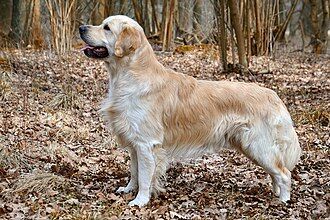
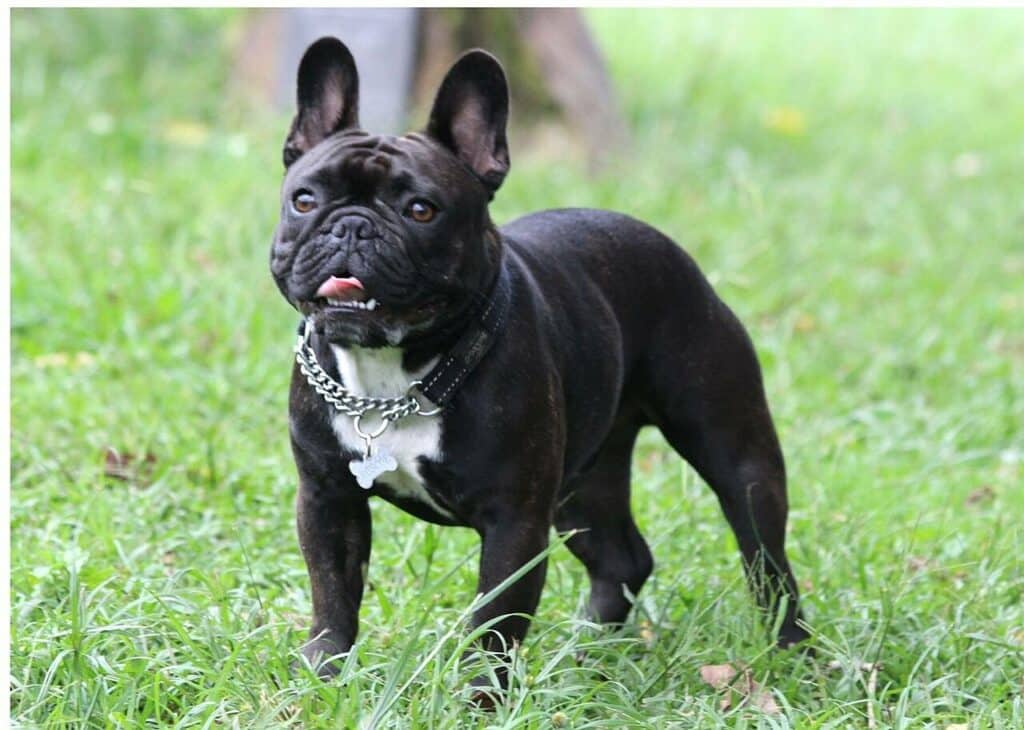
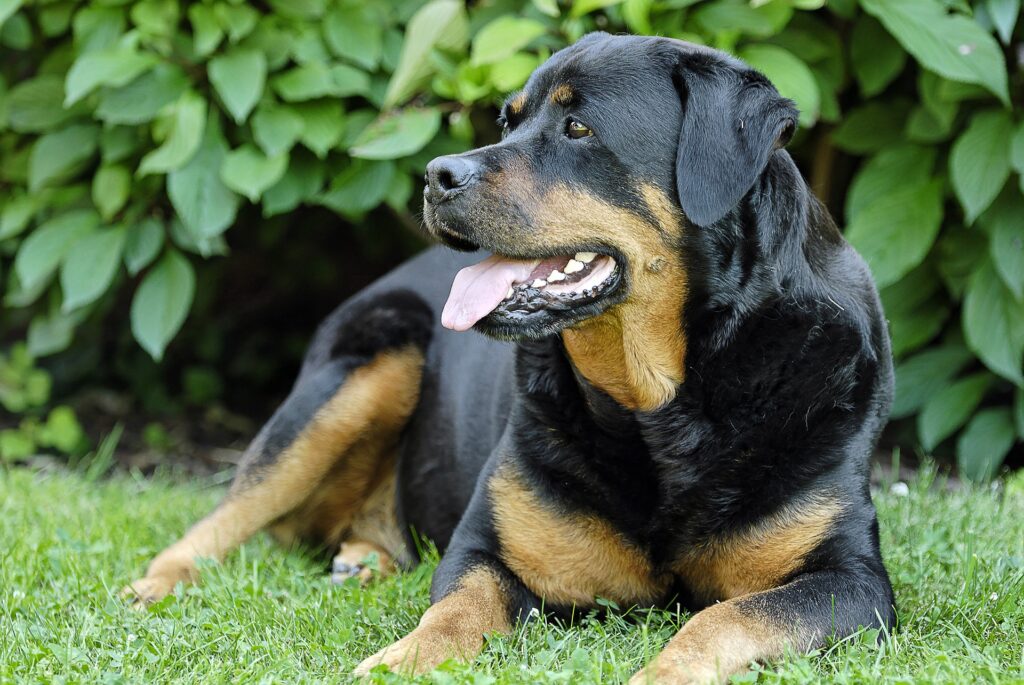
About race you have to be honest: no race is immune., and an unvaccinated Golden Retriever or Bulldog Francés puppy is in exactly the same danger as anyone else. However, some veterinary studies have shown somewhat higher susceptibility in certain breeds such as Rottweiler, Doberman, Pastor Alemán or Labrador Retriever. This is a fact to be taken with a grain of salt: It doesn’t mean that these breeds are going to get sick yes or yes, but it reinforces the importance of being especially rigorous with your vaccination schedule. When in doubt about your dog’s specific risk, your veterinarian can best guide you.
Diagnosis: how the veterinarian confirms it
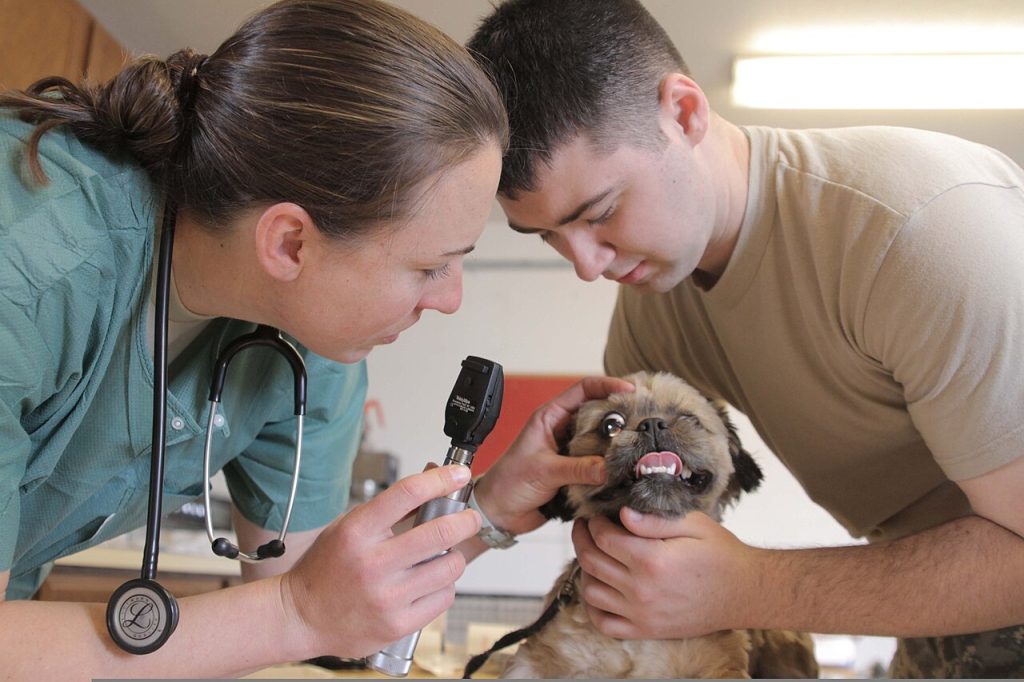
The veterinarian will suspect parvovirus because of the puppy’s symptoms and age, but to confirm this he usually does a quick stool test (an ELISA-type antigen test) that gives the result in a few minutes in the clinic itself. In addition, a blood test allows you to assess the actual condition of the puppy: the degree of dehydration, the drop in white blood cells and other parameters that mark severity and guide treatment.
No test is perfect: in the very early stages the test can give a false negative. If the clinical suspicion is high, the veterinarian will treat the dog the same and may repeat the test. Trust his judgment.
Treatment – What Can Be Done?
intensive support is the pillar of treatment, keeping the puppy alive and stable while its own immune system defeats the infection.
- Intravenous fluid therapy to correct dehydration and electrolyte loss.
- Antieméticos to stop the vomiting and allow the puppy to rest and rehydrate.
- Antibióticos to prevent or treat secondary bacterial infections that take advantage of low defenses.
- Nutritional support and pain control.
- Keep the hot and insulated animal away from other dogs.
Most severe cases need hospitalization for about a week. The data are encouraging: with early and intensive treatment, survival is around 85-95 percent, while without treatment it can fall below 10 percent. The difference, literally, is going to the vet on time.
An important new feature: in the United States a specific monoclonal antibody against canine parvovirus was approved (conditionally in 2023), which neutralizes the virus and which in real use has shown survival rates of around 93% and shorter hospital stays. It is a promising advance, although its availability is still limited and varies by country. Ask your veterinarian what specific options are available to you; supportive treatment is still the norm in most parts of the world.
Prevention: the vaccine that changes everything
Almost all of the above can be avoided with something as simple as to vaccinate. The parvovirus vaccine is one of the most effective in veterinary medicine and is part of the group of essential vaccines for any puppy.
| Hold on . | What’s up? |
|---|---|
| 6 to 8 weeks | First dose |
| 10-12 weeks | Second dose (booster) |
| 14 to 16 weeks | Final dose of the puppy series |
| To the year | Reinforcement |
| Afterwards. | I recall every 3 years (according to veterinary criteria) |
The key detail that many don ‘t know: until your puppy completes the series (about 16 weeks), it’s not fully protected..
- Avoid parks, areas with heavy canine traffic, and places where you don’t know if there have been sick dogs.
- Don’t let your puppy smell or smell other dogs’ feces.
- Socialize safely: at home, with adult dogs that you know are vaccinated and healthy.
- Wash your hands and be careful with your shoes if you have been in contact with other dogs.
Always confirm the exact schedule with your veterinarian, because he can adjust it according to the area, the local risk and the mother’s history.
How to disinfect your house if there’s been a fool
If a dog has passed the parvovirus in your home, normal cleaning is not enough: remember that the virus is resistant to many common products.
- Remove and wash (or dispose of) blankets, beds and textiles that the dog has been in contact with.
- Prepare a solution of approximately 1 part bleach for every 30 parts water.
- Apply it to floors and washable surfaces and let it act a few 10 minutes before cleaning.
- Repeat disinfection for several days.
- In gardens, grass and soil the bleach is useless and the virus can persist for many months: the most prudent is not carrying an unvaccinated puppy to that area for 6-12 months.
Beware of bleach on delicate surfaces and ventilate well. Before introducing a new puppy into a house where there was bleach, consult your veterinarian.
Common Mistakes That Cost Lives
- Wait “to see if it passes”. With the parvovirus, a few hours can make the difference between saving the puppy or not.
- Taking a puppy out on the street without the full roster. is the most common mistake and the most dangerous.
- Disrupt the vaccination schedule. Skipping a booster leaves a gap through which the virus enters.
- Self-medicate. Home remedies do not work and delay the actual treatment.
- Trust that “my dog is very strong”. The fortress doesn’t protect against a virus; the vaccine does.
- Do not isolate the sick dog from other animals in the house or disinfect afterwards.
Frequently Asked Questions
Does the parvovirus infect people?
No. Canine parvovirus (CPV-2) affects dogs, not humans. Human parvovirus (B19) is a different and unrelated virus. You can care for your sick puppy without fear of becoming infected, although you should wash your hands to avoid passing the virus to other dogs.
Can a vaccinated dog catch parvovirus?
It is very rare. Most cases occur in puppies with incomplete regimen or unvaccinated. A properly vaccinated adult dog with up-to-date memories is very well protected, although no vaccine offers a 100% absolute guarantee.
How long does it take for the disease to appear after infection?
The incubation period is usually about 3 to 7 days from contact with the virus. That’s why a puppy can look healthy one day and be very sick a few days later. At the first symptoms, act immediately.
Can a puppy survive the parvovirus?
Yes. With early diagnosis and intensive veterinary treatment, survival is around 85-90 percent or more. The key is not to waste time: the sooner you start fluid support, the better the odds.
If one dog has had a limp, will my other dog get it?
The risk is high if the other dog is unvaccinated. Isolate the sick person, exercise extreme hygiene, disinfect with diluted bleach and check with your veterinarian about the vaccination status of the other animals in the household.
How long does treatment and recovery take?
Serious cases usually require hospitalization for about a week. After discharge, the puppy will need a few more days of rest, a mild diet and checkups. Follow your veterinarian’s instructions to the letter.
This article is for informational purposes only and does not replace veterinary consultation.