How to brush your dog according to their coat type (complete guide)
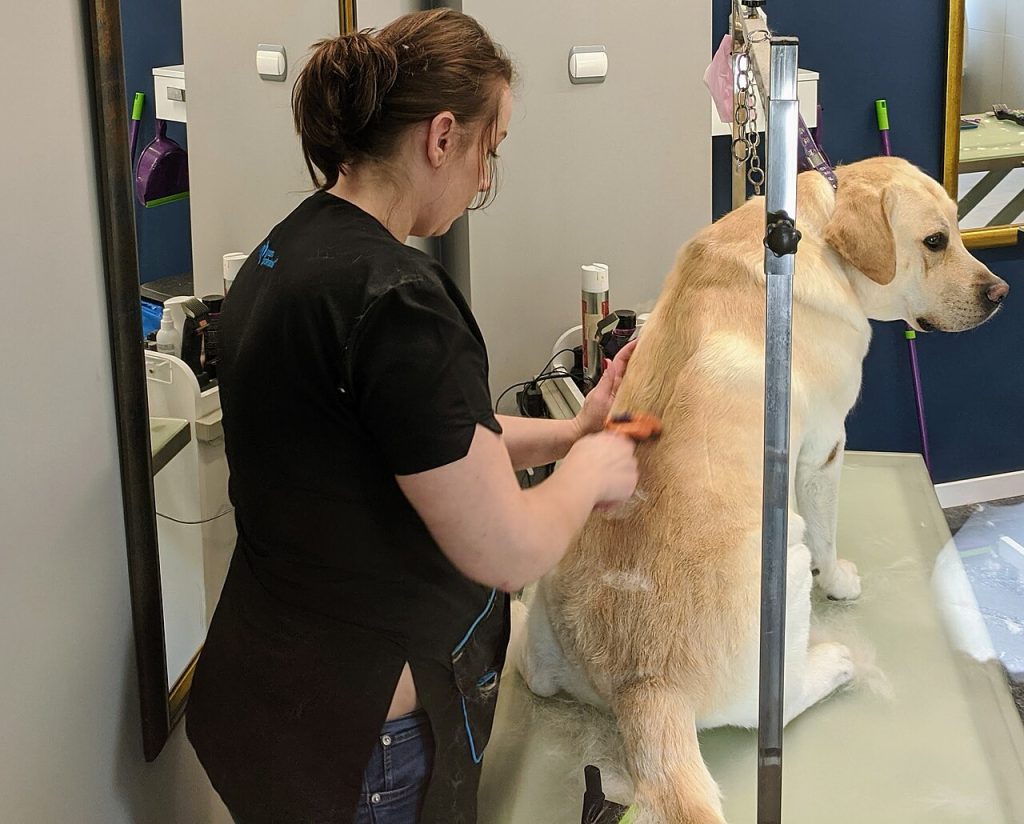
If you’ve ever walked out of the house with your sweater full of hair or discovered a nut-sized knot behind your dog’s ear, you know that brushing isn’t an aesthetic whim. Knowing how to brush a dog correctly depends on one thing that many people overlook: your type of cloak. It doesn’t brush the same as a Labrador Retriever as a Caniche, and using the wrong tool can irritate the skin or, directly, be useless.
In this guide, I explain how to identify your dog’s coat, what brush each hair type needs, how often to use it, and what mistakes to avoid, all based on recommendations from professional veterinarians and groomers.
Why Brushing Is for Health, Not Beauty
Regular brushing does much more than keep your dog presentable.
- Distribute natural oils of the skin throughout the hair, which gains shine and acts better as a protective barrier.
- Remove the dead hair before it ends up on your couch or forms knots.
- Preventing mats or mats, those compact knots that pull on the skin, hurt and can hide moisture, parasites and infections.
- It’s a free weekly checkup.: brushing detects early lumps, wounds, fleas, ticks or hairless areas that would otherwise go unnoticed.
- Well done, brushing is a nice time for both of you.
The key is to tailor tool, technique and frequency to your dog’s particular coat.
Identify your dog’s coat type
Most dogs fall into one of these five groups. Look at the length of the hair, whether it has one or two layers, and its texture:
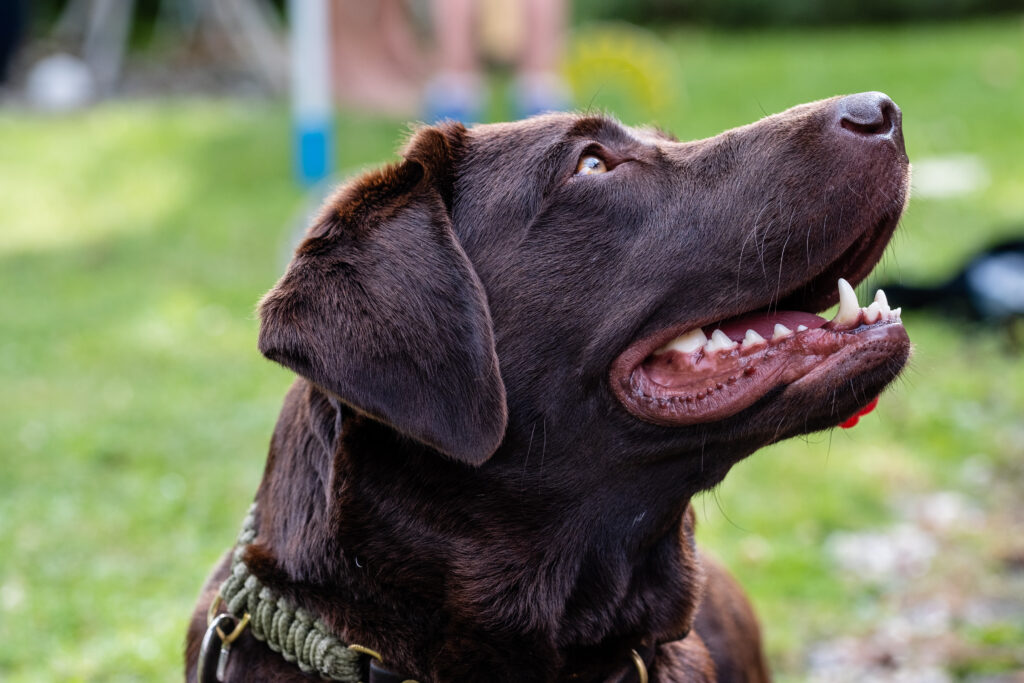
- Short and smooth coat: body hair, one finger or less in length.
- It ‘s a double layer . a harder outer coat of hair (guard coat) and a woolly, dense inner coat that insulates from cold and heat.
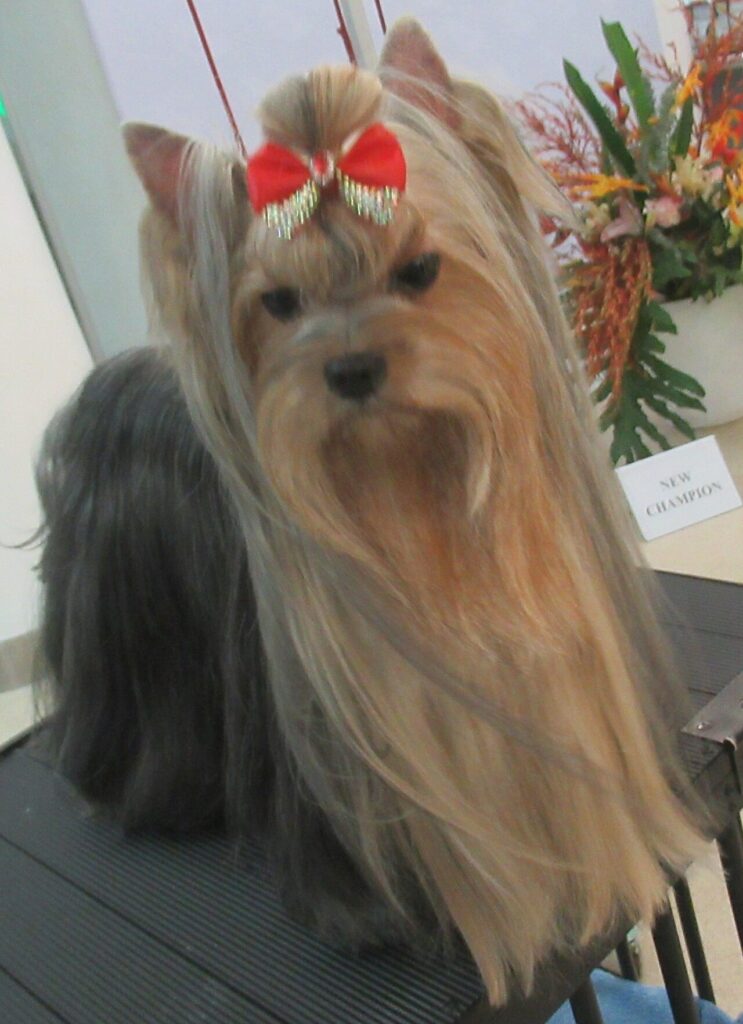
- Long and silky coat: thin hair that grows continuously, similar to human hair. Yorkshire Terrier
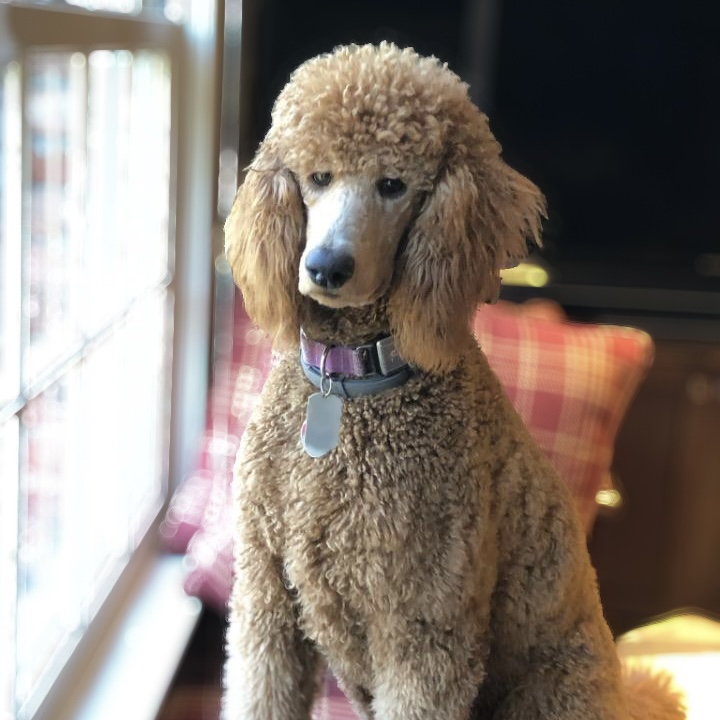
- Woven fabrics containing predominantly, but < 85% polyester staple fibres by weight, mixed principally or solely with cotton and weighing > 200 g/m2: hair that grows in curls, hardly falls off on its own and gets tangled up very easily.
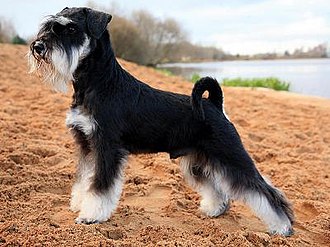
- Woven fabrics of cotton, containing predominantly, but < 85% cotton by weight, mixed principally or solely with man-made fibres and weighing > 200 g/m2: rough and dense hair, typical of many terriers. Examples: Schnauzer Miniatura, West Highland White Terrier, Hard-haired Teckel
This table summarizes what each one needs:
| Type of coat | Minimum frequency | Main tools | Primary risk |
|---|---|---|---|
| Cut and smooth | 1-2 times a week | Rubber brush, knob, soft bristles | Dead hair around the house. |
| Double layered | 2 times a week (daily in mud) | Containing 85% or more by weight of wool, fine animal hair or man-made fibres | Subcutaneous use |
| Long and silky | Every day | Brushes with metal spikes, combs | Knots and matting |
| Curly or woolly | Daily or every 2 days | Containing 85% or more by weight of wool or fine animal hair | You’re sticking to the skin. |
| Other, of circular cross-section | 1-2 times a week | Soft card, comb, newspaper stripping | Loss of texture |
How to brush a dog according to his coat, step by step
Short and smooth coat: fast but steady
It’s the most grateful coat, but you don’t get rid of it: Short-haired dogs shed hair all year round, and those short, hard hairs stick to fabrics like needles.
- Pass a rubber brushes or handles in gentle circles, counter-hair first if your dog tolerates it, to peel off the dead hair.
- Check in favor of the hair with a soft bristle brush to drag what’s been dropped and shine.
- Finish with a slightly damp cloth to pick up the debris.
With 5-10 minutes, once or twice a week, it’s enough. In breeds with sensitive skin or folds, like the French Bulldog, always use minimal pressure.
Double layer: the war on undercoat
Double-coated breeds such as the Husky Siberiano or Golden Retriever“drop the coat” (the famous blowing coat) usually twice a year, in spring and autumn, although in warm climates or on heated floors the mullet can be spread throughout the year.
- Start with a slippers and other toilet articles in the direction of the hair, in sections, without squeezing against the skin.
- Keep the sub-hair rake in the dense areas: neck, buttocks, tail and sides.
- Finish passing a other articles of iron or steel to the skin, if the comb doesn’t go through the mantle, there’s still loose undercoat or some kind of knot.
Outside of the moult, two sessions a week are enough. During the moult, it goes to daily brushing. And a golden rule endorsed by the AKC: never rap a dog with a double coat.. Rapping does not reduce the moult, damages the outer layer, can alter how the hair grows back and leaves the skin exposed to sunburn. This double layer insulates it from both cold and heat.
Long silk coat: patience and comb
The hair of the Yorkshire Terrier or the Maltese grows continuously and behaves like human hair: it tangles daily, especially where there is friction (armpits, behind the ears, under the collar or harness).
- Spray some spray or water conditioner; brushing the long hair completely dry breaks it and generates static electricity.
- Brush with a of a thickness of not more than 10 mm, by sections, from the tips to the root, holding the lock so as not to pull on the skin.
- Check the rubbing areas with other articles of iron or steel. If the comb gets stuck, untie the knot with your fingers before pressing.
The ideal frequency is daily, even if it’s 5 minutes. If you prefer less maintenance, a short toilet cut by a groomer greatly reduces the work.
Curly or woolly coat: whichever is more tangled
The curl of the Poodle or Bichon Frise barely loosens hair (that’s why they are called “hypoallergenic”, with nuances), but the dead hair gets caught in the curl and forms mats at a surprising speed, especially if the dog gets wet.
- Brush with card for small sections, lifting the hair and working from the skin out.
- Check each area with a other articles of iron or steel: it should slide down to the skin without snagging.
- Never bathe a curly dog with knots: water compacts them and makes them impossible mats. First untie, then bathe.
These coats need brushing daily or every other day, plus a professional cut every 4-8 weeks.
Hard or wire coat: soft brushing and stripping
The rough coat of the Miniature Schnauzer or Westie is maintained with a weekly brushing with soft curls and comb. The peculiarity is that the hair of dead wire does not always fall alone: It is traditionally removed by hand using stripping(controlled pulling of mature hair), which retains the hard texture and intense colors. If cut by machine, the coat tends to become softer and lighter – not a health problem, but a permanent change in texture. Stripping is best left in the hands of a groomer or learned from someone who has mastered it.
Which brush to choose: a quick guide to tools
- Card or slicker: thin, curved metal spikes on a flat base. The most versatile tool: it unravels tangles and removes dead hair in medium, long, curly and double-layered mantles.
- Other, not further worked than hot-rolled, in coils long, separate teeth that reach into the inner layer of the double-coated dog.
- Other, of circular cross-section, of iron or steel your “knot detector”. If it doesn’t penetrate the mantle to the skin, the job isn’t done.
- Other, not further worked than hot-rolled: for long silky coats, unravels without breaking the hair.
- Rubber brushes or handles: is great for short hair; it massages, takes off dead hair and most dogs love it.
- Bristle brush: finish and shine on any coat, especially shorts.
- Machinery for making pulp of fibrous cellulosic material very effective in short double coat, but use them in moderation (once a week at most) because they can cut healthy hair if abused.
You don’t need the whole arsenal: with two or three well-chosen tools for your dog’s coat you cover 95% of the job.
The technique used by groomers: layer brushing
The most common mistake is to brush only the surface: the coat looks perfect on the outside while a mat forms underneath.
- With one hand, lift up a section of hair until you see the skin.
- With the other, brush the underlying hairline from the skin out.
- Lower your hand a couple of inches, release another strip, and repeat.
- It moves in an orderly fashion: hind legs, body, chest, neck, ears and tail.
Tips That Make a Difference:
- Brush your hair, not your skin. The strongly supported card produces the so-called “brushing burn”, a frictional irritation.
- It starts short and positive. 5-minute sessions with prizes teach any dog (and any puppy) that brushing is a good thing.
- Insists on areas of friction: behind the ears, armpits, ankles, buttocks and under the harness.
- Always brush before the bath. A wet knot shrinks and tightens.
Common Mistakes to Avoid
- Cutting knots with scissors. It is the most common domestic accident in grooming: the dog’s skin is elastic and gets “inside” the knot, and it is very easy to cut it unintentionally.
- Rape a double-coated dog in the summer thinks it will get less heat, but the opposite happens: it loses its natural insulation and is exposed to sunburn.
- Use the same tool for all the blankets. A Furminator on a Poodle or a hard-on on a Pug do more damage than anything else.
- Brush only when there are already knots. Brushing is prevention; when the mat exists, the session becomes painful and the dog learns to hate the brush.
- Dry brushing of long coats, which break and crease, a solvent spray or simple water spray prevents it.
- Turn it into a fight. If your dog runs away from the brush, he retreats: shorter sessions, softer tool, constant rewards.
And one last honest note: if your dog loses hair in strands outside of the moulting season, has baldness, abundant dandruff, red skin, or scratches nonstop, the problem is not solved with a brush. That’s consult your veterinarian time, because there may be allergies, parasites, or hormonal problems behind it.
Frequently Asked Questions
How often should I brush my dog?
It depends on the coat: short-haired dogs need 1-2 sessions per week; double-coated dogs, about 2 per week (daily during moulting); and long, curly or silky coats, brushed daily or every other day.
Is it wrong to shave a double-coated dog in the summer?
The double layer insulates from heat as well as from cold, and shaving does not reduce the mould: it damages the guard hair, can alter later growth and exposes the skin to sunburn.
How do I untie a knot without hurting my dog?
Separate the knot with your fingers using a solvent spray, hold the knot by the base so as not to pull the skin and work the ends inwards with a cord or comb. Never use scissors: it is very easy to cut the skin that is hidden inside the knot. If it is compact and stuck to the skin, go to a groomer.
How old can I brush a puppy?
From the time he comes home, around 8 weeks, he uses a soft brush, 2-3 minute sessions and lots of rewards: the goal at that age is not to untangle, but for the puppy to associate brushing with something pleasant for the rest of his life.
Does brushing reduce hair loss at home?
Yes, and it’s the most effective measure there is. The hair that you brush off is hair that doesn’t end up on the couch. In double-coated dogs in full moult, daily brushing with a subcoat rake makes a huge difference. Of course, no brush removes the moult completely, it’s a natural process.
Can I use a people brush for my dog?
This is not a good idea. Human brushes are designed for other types of hair and do not reach the undercoat or untie mats. Dog tools (carpet, rake, metal comb, rubber brush) are designed for each type of coat and are more effective and safe.