Dogs in Winter: How to Protect Them From the Cold by Breed
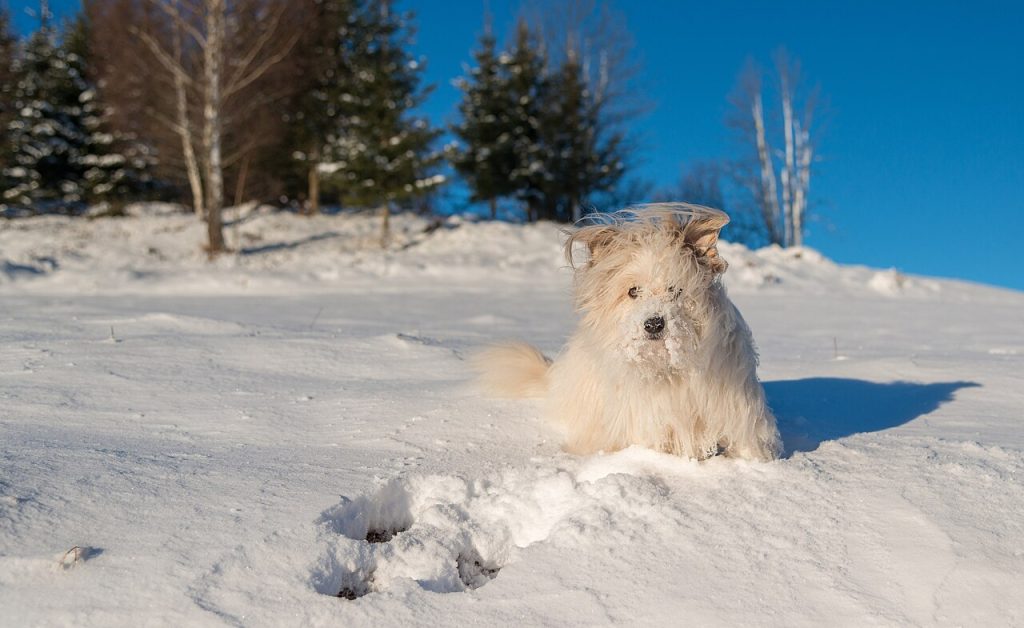
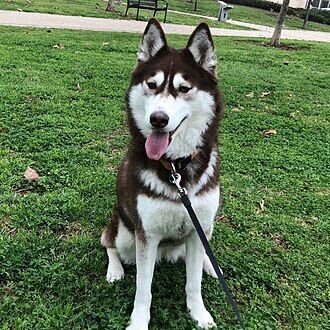
When the temperature drops, many tutors ask themselves the same question: Do the dogs in winter really get cold or do they take it all? The short answer is that it depends, to a large extent, on race. A Husky enjoys -10°C while a Greyhound throbs at 8°C. In this guide, we tell you at what temperature the risk begins, which breeds are more prone to winter cold, how to recognize the warning signs, and what to do (and not to do) to protect your dog without going overboard or falling short.
How much cold can dogs withstand in winter?
There is no magic number that works for all dogs, but veterinary guides (AVMA, PetMD, emergency services like Vets Now) agree on guideline ranges that work well as a general rule:
| Temperature | What does it mean for your dog? |
|---|---|
| More than 7 °C | It keeps practically all dogs healthy. |
| 7 to 0 °C | Caution zone for small, short-haired dogs, puppies and seniors: slightly shorter walks and value the coat. |
| 0 to -7 °C | Coat, short exits and eye on the paws. |
| -7 to -18 °C | Potentially dangerous for most, only the double-coated Nordic breeds tolerate long walks; the risk of freezing rises for all. |
| Not less than -18 °C | Danger of hypothermia and frostbite within minutes, especially with wind or humidity. |
Important: these ranges refer to actual temperature with dry weather. The wind and humidity greatly aggravates the thermal sensation: a 3 °C day with rain and wind can be more dangerous than one of -2 °C dry and sunny. A wet dog loses heat much faster.
And an honest warning: If your dog has diabetes, heart problems, kidney problems, or osteoarthritis, his ability to regulate his temperature may be compromised even if he’s large and furry.
Cold tolerance by breed
Race is the biggest factor in the equation, for three reasons: coat type, size and morphology.
Breeds that tolerate the cold
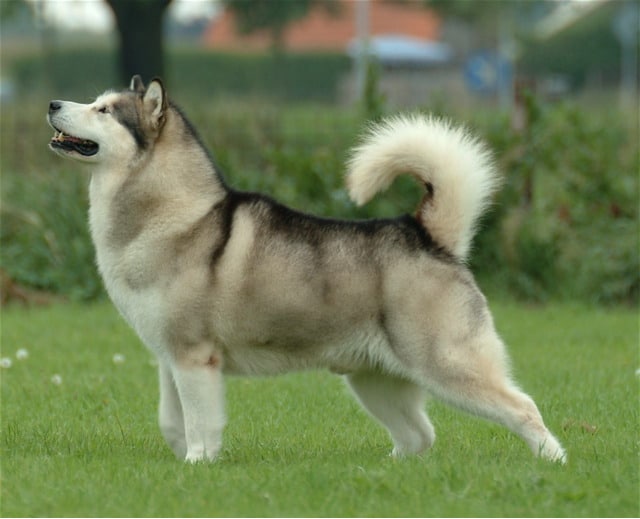
two layers breeds – a repellent outer mantle and a dense inner layer of haze that traps hot air – were selected for centuries to work in icy climates. We are talking about the Husky Siberiano, the Alaskan Malamute, the Samoyed, the Akita or the Chow Chow, and mountain moles such as the St. Bernard, the Newfoundland or the Bernese Boyer. For them, a snowstorm is an amusement park and a coat is often left over (and can even overheat them).
That doesn’t make them invincible: with extreme temperatures, high winds, or a wet mantle, they can also suffer from hypothermia and frostbite in their ears, tail, and fingers.
Frog breeds: the most affected
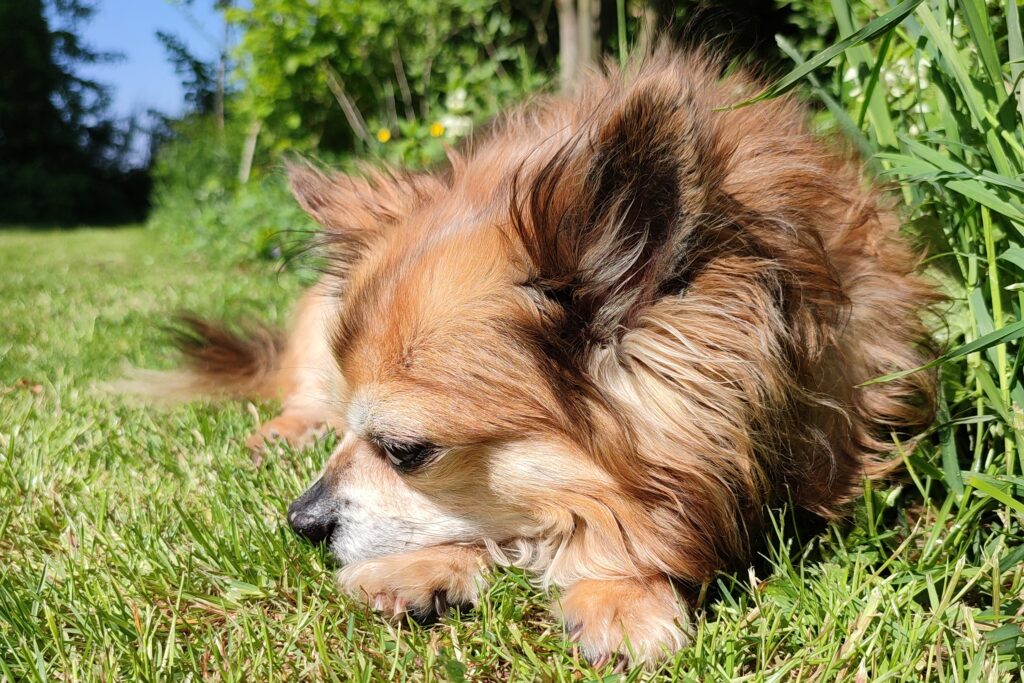
- Small dogs and toy: the Chihuahua, the Yorkshire or the Pomerania lose heat very quickly because they have a lot of body surface area relative to their mass.
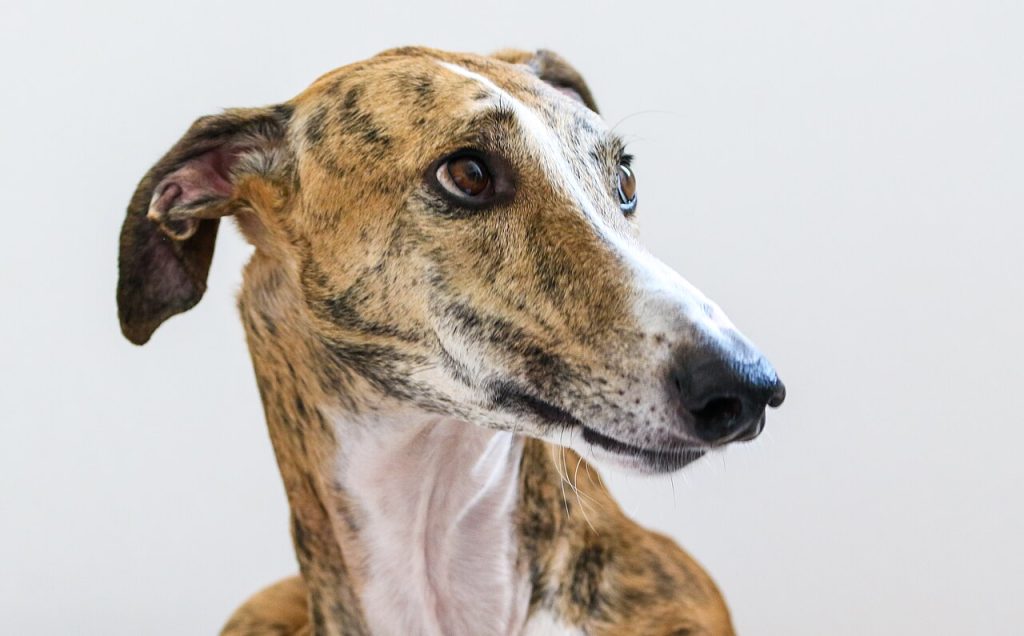
- Hares and very thin dogs: the Galgo Español, the Greyhound or the Whippet combine very short hair and almost zero body fat.
- Brachycephalic breeds: the Bulldog Francés, the Carlino or the Boston Terrier have short hair, poor thermoregulation capacity and compromised airways: neither extreme heat nor intense cold feel good to them.
- Short-legged dogs: a Corgi, a Teckel or a Basset carry the chest and belly scratching the snow or icy ground, so they cool and get wet much sooner than a dog of the same size with higher height.
age and state of health is added to the breed: puppies and older dogs regulate their temperature worse, as do dogs in convalescence or with chronic diseases.
Signs That Your Dog Is Cold
Your dog can’t tell you, “Let’s go home”, but it still communicates.
- Tremors or trembling, the most obvious signal.
- Whining or restlessness for no apparent reason.
- Walks slower, stops or refuses to move forward.
- Lift your feet off the ground. alternating them or walking “on tiptoes”: the ground burns you from cold or salt irritates you.
- Shrunken posture, tail glued to body and ears back.
- Seek shelter: sticks to your legs, tries to dig or pulls home.
If the exposure continues, the picture may progress to hypothermia: weakness, lethargy, clumsy movements, pale gums and muscle stiffness. It is a veterinary emergency: dry it, wrap it in blankets and call your clinic immediately, without applying direct heat (stoves, dryers or very hot bags can burn the skin and worsen the situation).
freezing (frostbite) is more treacherous: it mainly affects ears, tail and fingers, the skin looks pale, grayish or bluish and cold to the touch, and the actual damage may not be visible until several days after exposure.
How to Protect Your Dog From the Cold – Practical Tips
The coat: when yes and when no
- Sí for small breeds, short-haired, hares, brachycephalic, puppies, seniors and dogs with pathologies, as soon as it drops to about 7 °C (before if there is wind or rain).
- No for Nordic and dense double-coated breeds under normal conditions: their coat is already a technical coat and covering it can overheat them.
- The coat should cover from the neck to the base of the tail, cover the belly and not limit movement. And always dry: a wet coat cools more than wearing nothing. You have two to be able to rotate.
Well-planned winter walks
- Take advantage of the central time of day, in the sun, for the long walk; leave the departures at dawn and at night for the essential.
- With intense cold, better several short exits than a frozen marathon.
- It’s early night. Use reflective collar or vest and make sure the microchip and the plate are up to date.
- Near frozen ponds, rivers or swimming pools, strap on: the ice that holds a duck can’t hold a 100-pound dog.
- Do not leave your dog waiting in the car: in winter the cabin becomes a refrigerator just as in summer it becomes an oven.
Watch your feet.
- Before you go: apply protective ointment or petroleum jelly to the pads, or put boots on if you tolerate them.
- Cut the hair between your fingers. to prevent ice balls from forming (if you limp suddenly in the snow, that’s usually it).
- On the way back: washes or cleans with a damp cloth legs, legs and belly to remove melted salt and chemical residue before it is licked.
- Check the pads. often: cracks, cuts or bleeding require hydration and, if not improved, visit the vet.
At home: bed, food and water
- Bed elevated above ground and away from currents, with an extra blanket for the fries.
- A dog that lives or exercises a lot outdoors burns more calories to maintain its temperature and may need more food; a city dog that walks less in winter does just the opposite.
- Fresh water is always available: the heater dries up and outdoor drinking fountains freeze; dehydration also occurs in January.
- Moderate baths: too much dries the skin, already punished by the heat.
Winter Dangers Other Than the Cold
- Anticongelante (etilenglicol): the number one danger. It has a sweet taste that attracts dogs and a few spoons can be deadly. The first symptoms look like a “drunkenness” (stumbling, vomiting, lethargy). If you suspect that you have licked a puddle of antifreeze, it is an immediate emergency: every hour counts to save your kidneys. Keep containers locked and clean any spills at the moment.
- Melting and melting salts: irritates the pads and is toxic if washed, hence the post-walking foot wash; in your own home, use pet-friendly founders.
- Machinery for making pulp of fibrous cellulosic material dogs look for heat and can get burned or overturn the device.
- Ice on the ground: slips and muscle pulls also affect dogs, especially older people with osteoarthritis.
Common mistakes we make in winter
- Shave or cut your hair a lot in the winter. The coat is its natural insulator; in double-layer breeds, in addition, shaving can permanently damage the hair.
- A greyhound or a chihuahua has less protection from the cold than you with a fine sweater.
- Systematic housing of a Nordic dog because it’s cold for us to look at.
- Leave your coat or hair wet. Humidity multiplies heat loss: always dry after rain, snow or bath.
- Less exercise and the same calories = overweight and bored dog.
- Let him sleep outside “because he’s hooded”. With frosts, no dog should spend the night outdoors; if there is no alternative, the house should be insulated, elevated, dry and facing the wind… and still, with intense cold, indoors.
Frequently Asked Questions
At what temperature does a dog need a coat?
For reference: below 7 °C, value the coat in small, short-haired dogs, hare, puppies and seniors; below 0 °C, almost all cold-coated dogs appreciate it.
Can I cut my dog’s hair in the winter?
A hygienic or maintenance trim yes; shaving, no. The mantle acts as an insulator against the cold and, in double-layer breeds, shaving can alter hair growth.
Can dogs sleep outside in the winter?
It is recommended that they sleep indoors. If this is not possible, they need an isolated house, raised from the ground, dry, with the entrance protected from wind and unfrozen water. With sub-zero temperatures or humid weather, no dog should spend the night outdoors.
How do I know if my dog has hypothermia and what do I do?
Suspect hypothermia if after exposure to cold he is weak, lethargic, trembles intensely or stops trembling, moves awkwardly or has pale gums.
Are the dog boots worth it?
They are very useful if you are walking in areas with melting salt, ice or heavy snow, as long as they fit well and the dog tolerates them.
Do older puppies and dogs need special care in the cold?
Yes. Both regulate their body temperature worse, so they tolerate less exposure, appreciate the coat earlier than a healthy adult, and should not sleep in cold or draughty areas. In seniors, the cold also aggravates joint pain; see your vet if you see stiffness or pain.