Cómo cortar las uñas a un perro sin hacerle daño
That i ‘m going to click-click-click on the floor is not a nice detail: It ‘s the signal that cut your dog’s nails. is playing . And yes, we know it imposes: Fear of harm or bloodshed causes many owners to postpone indefinitely. The good news: Cutting a dog’s nails without hurting him is perfectly possible at home if you understand what the nail looks like on the inside, use the right tool and take it easy. We tell you step by step, following the recommendations of veterinary sources like the American Kennel Club (AKC), VCA Animal Hospitals and Washington State University.
Why is it so important to cut your nails?
Too long nails aren’t just a matter of aesthetics. According to the AKC, long nails turn a healthy leg into a open or ‘flattened’ foot, reduce traction and, if kept that way for a long time, can deform fingers and eventually injure tendons. When the nail touches the ground before the pad, each step pushes the finger upward and forces the dog to reposition itself, which is especially problematic in older dogs or those with osteoarthritis.
In addition, a long nail gets stuck and breaks more easily (carpets, grates, irregular ground), and a broken nail at the base is painful, bleeds a lot and often ends up at the veterinarian.
He knows the nail inside: the living part.
The key to this whole thing is to understand that a dog’s nail is not a dead structure from start to finish. Inside, it has what’s called live part(in English, quickly): a nucleus of blood vessels and nerve endings that reaches to a certain height of the nail. If you cut above it, the dog doesn’t feel anything; if you cut it, it hurts and bleeds.
- In clear or white nails the live part looks in backlight as a pink zone inside. The goal is to cut leaving a safety margin of about 2-3 mm below that pink.
- In black nails is not visible from the outside, so it works with very small cuts by observing the cutting surface (we explain it in detail further down.).
A fact that plays in your favor: with regular cuts, the living part tends to back up . towards the base of the nail. That is why dogs that are constantly maintained can wear short nails without risk, while in a dog with very long nails the living part has grown with them and they must be shortened gradually, in several sessions separated by a few days, never with a scissors.
Every once in a while you have to cut a dog’s nails.
The general AKC reference is every 3-4 weeks, although in practice the range is 2 to 6 weeks depending on the breed, weight, activity and type of soil your dog treads. The foolproof test is the ear: if you hear your nails rattling on hard ground when walking, you are already late. Standing, with the dog well supported, the nails should not touch the ground.
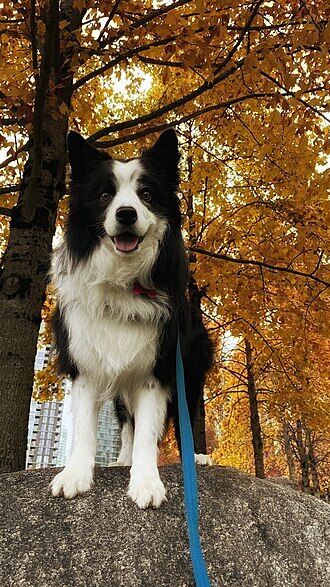
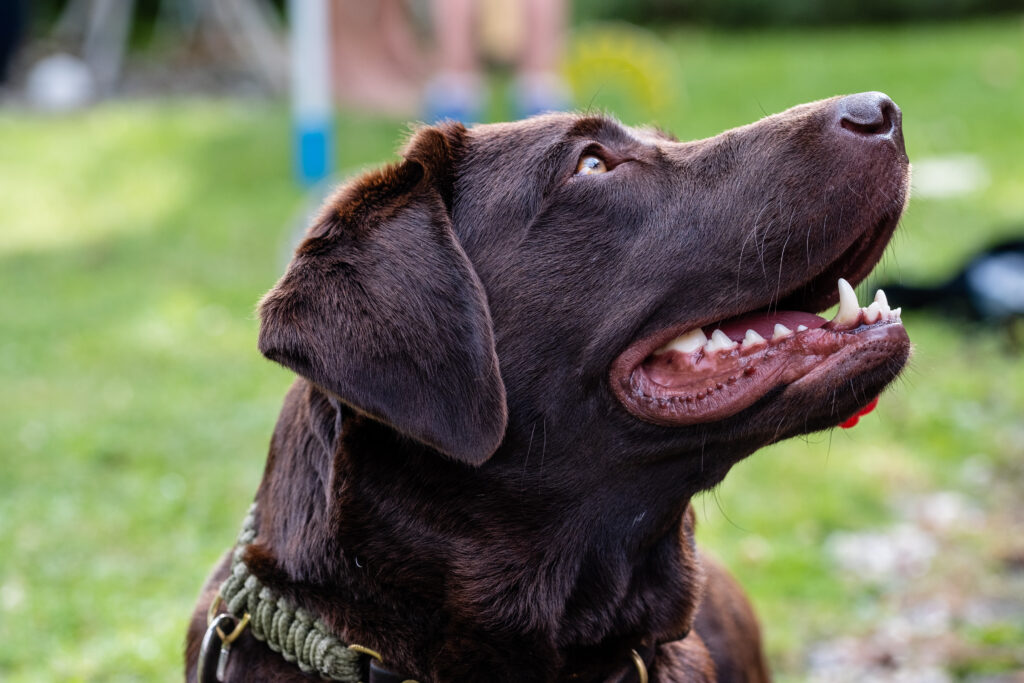
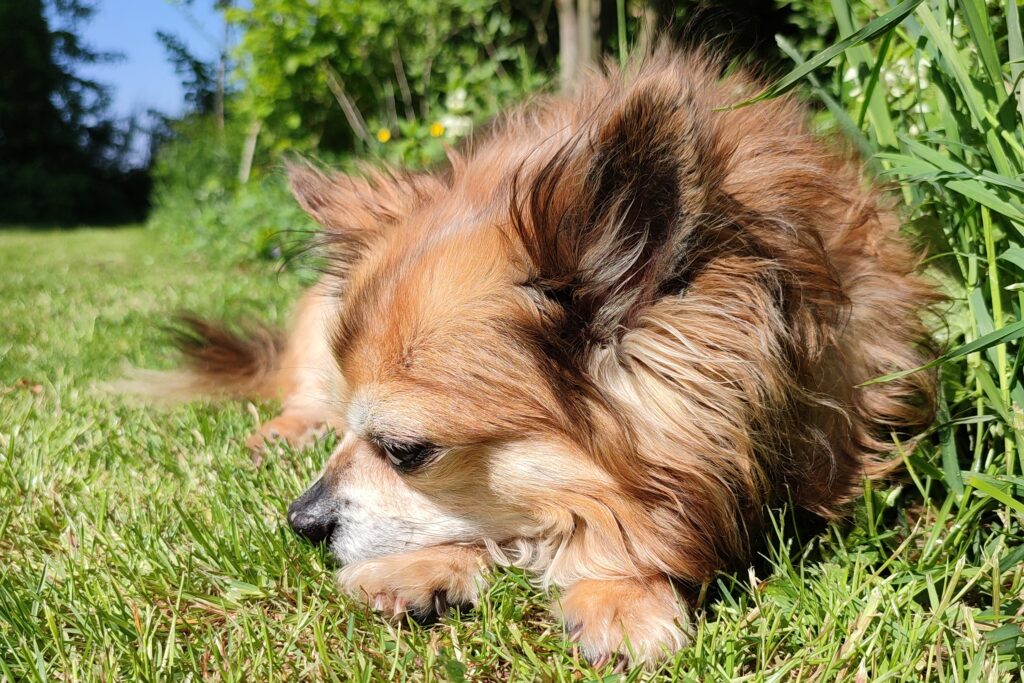
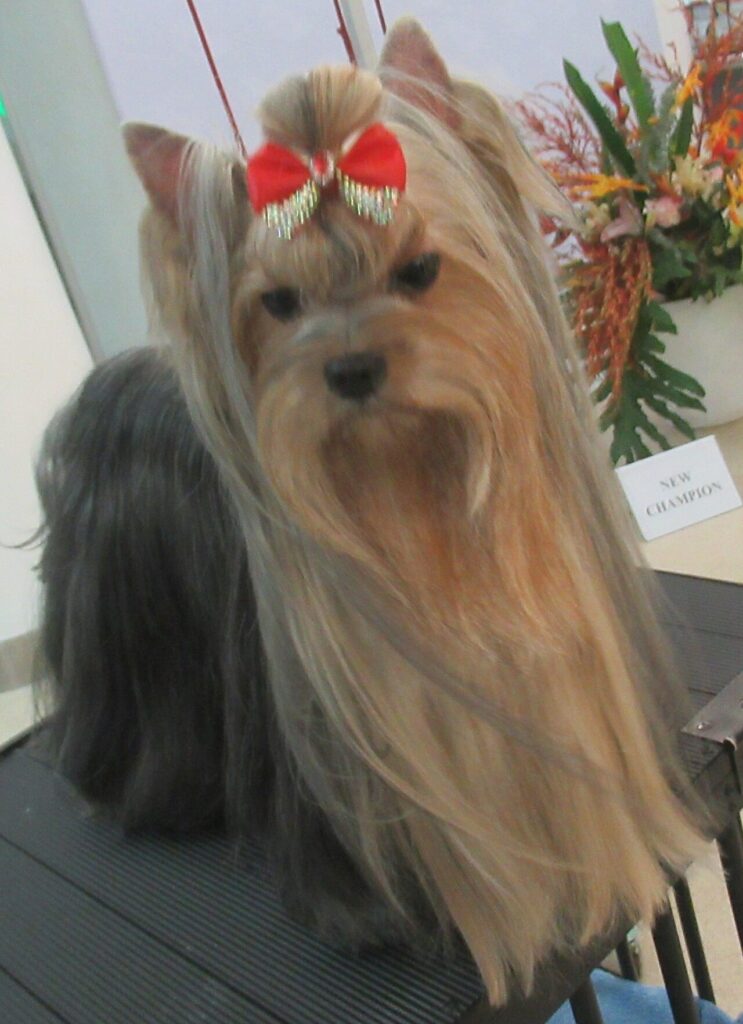
Natural wear and tear varies greatly from dog to dog. A Border Collie that kicks roads and asphalt every day licks its nails almost by itself, just like an active Labrador Retriever. On the other hand, small and more domestic dogs such as the Chihuahua, Yorkshire Terrier or Pomerania barely wear their nails, weigh little and tread smooth soils, so they usually need more frequent cuts. And remember: The spur never wears out, even in the most athletic dog.
Tools: nail clippers, electric file and hemostatic powder
You don’t need an arsenal, but you do need the right tool and a “safety net” in case you hit the live one.
| Tools | How it works | Ideal for |
|---|---|---|
| Scissor-shaped nail clippers | Two leaves that cut like a pruner | Thick nails and medium/large dogs; also spurs |
| Machinery for making pulp of fibrous cellulosic material | You insert the tip into a ring and a blade cuts it off. | Nails of small/medium thickness; easy to use with practice |
| Machinery for making pulp of fibrous cellulosic material | It worsens the nail by turning, without cutting. | Dogs with poor clap tolerance, black nails, rounded finish |
| Haemostatic powder | It cuts off the bleeding by applying it to the nail | First aid if you touch the live part |
Quick tips: keep the blades sharp (a roma blade crushes the nail instead of cutting it and is annoying), choose a size suitable for the dog and do not use people’s nail clippers: the canine nail is cylindrical and the human nail clipper tends to chip or crush it. Complete the kit with prizes of high value: the nail cut should always end in a party.
How to cut a dog’s nails step by step
Choose a quiet time, with the dog relaxed (after the walk works very well) and good light.
- Put the dog at ease. Small dogs, on your lap or on a non-slip table; large dogs, lying on their side or sitting against your body.
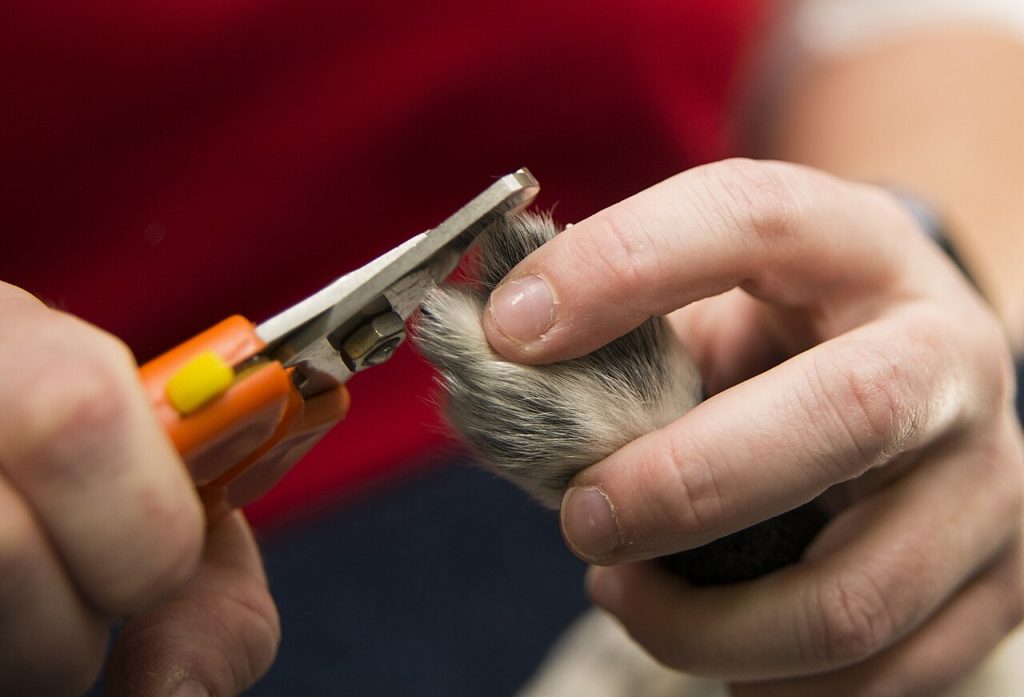
- Hold the finger, not just the paw. Place the thumb on the finger pad and the index finger on the skin above the nail, and press gently: the nail extends and looks better.
- Locate the live part.(pink area on light nails) and decide where to cut: only the tip, without going beyond the curve of the nail.
- Cut decisively, at an angle of about 45 degrees, with the cutting blade facing you.
- Better several small cuts than one big one. Pulling back 1-2 mm each time is the safest way to approach ideal length without scares.
- Don’t jump your spurs., on the inner face of the legs.
- Reward after each nail(or each leg, depending on your dog’s patience) and if you only get two nails in one day, that’s okay: better short, positive sessions than a pitched battle.
- Finish with a lime. if you have rough edges, especially if your dog jumps on you.
Black nails: the technique of small cuts
The technique that veterinarians at Washington State University recommend is to cut very thin slices of 1-2 mm, and look at the cutting surface after each cut:
- At first you’ll see a white and dried center, like chalk: clear path to follow.
- When a grey or pinkish oval, moist in appearance appears, in the middle of the cut: stop there.
If your dog has all the black nails and you don’t feel safe, the electric file is a great ally: it wears off slowly and gives you room to stop in time. And it’s okay to ask your vet to teach you the technique the first time: that’s what the AKC itself recommends.
If bleeding: what to do (no drama)
If you touch the live part, the nail will bleed conspicuously but it’s not a serious emergency:
- Stay calm . and hold the dog gently. if you get overwhelmed, so does he.
- Apply hemostatic powder by pressing lightly on the tip of the nail for a few seconds.
- Don’t you have a hemostatic powder? Cornstarch or flour, pressed against the nail with a clean cloth, also helps form the clot.
- Give him time: without assistance, a nail usually stops bleeding on its own in about 5 minutes, preventing the dog from running or licking the nail in the meantime.
- Call the vet. if bleeding does not stop within 15-20 minutes, if the nail has broken at the base or if you experience lameness, swelling or a bad smell (possible infection) within the next few days.
After the incident, end the session with something pleasant (rewards, game) so that the bad drink is not associated with the nail clippers.
If your dog hates the nail clipper
The fear of cutting nails almost always comes from a bad experience or lack of habit. The solution is desensitization: to make the nail clipper synonymous with good things, with a gradual progression. The AKC proposes a week-long protocol that works very well with both puppies and adults:
- Días 1-2: lets you smell the nail clipper or the dead file.
- Día 3: touches each leg with the uncut tool, so if you’re using an electric file, light it up close so I can hear the buzz and associate it with prizes.
- Día 4: rests the tool on the nail, with the file on but not yet filed.
- Día 5: cuts or filings only the tip of ONE nail.
- Days 6 to 7 and following: sees you adding nails, always below your dog’s stress threshold.
Extra tricks: smear some pâté or peanut butter (without xylitol) on a licking rug to keep him entertained, work his legs daily from puppyhood and never turn holding into a pulse. If there is still real panic (groans, bite attempts), do not force it: a canine hairdresser, your veterinarian or an educator can help, and in extreme cases there is even the option of spot light sedation, which the veterinarian will evaluate.
Common Mistakes to Avoid
- Cutting too much at once for “save time”. It’s the perfect recipe for playing the live part.
- The living part has grown with the nail: you have to trim a little and often (every few days) to pull it back.
- Using rough or wrong-sized tools, which crushes and chips the nail instead of cutting it.
- Forget about the spurs., just the ones that grow the fastest because they never touch the ground.
- Hold the dog to the brute., the more force, the more fear next time, better soft grip, shorter sessions and rewards.
- Reprimand him if he walks away or complains: just confirms the nail clipper is bad. Pause and try again later.
- Trust that “the ride will finish you off”. is half-true: it helps on abrasive surfaces, but most urban and domestic dogs still need trimming, and spurs always.
One last honest note: every dog is a world. If yours has very deformed nails, broken fingernails, painful handling of legs or skin problems on the fingers, cutting nails is no longer a household thing and becomes a matter for your veterinarian.
Frequently Asked Questions
How often do you have to cut a dog’s nails?
As a general reference, every 3-4 weeks, although the actual range ranges from 2 to 6 weeks depending on the activity of the dog and the type of ground it treads.
What do I do if I cut the live part and the nail bleeds?
Keep calm, apply hemostatic powder (or cornstarch/flour if you don’t have it) by gently pressing on the tip of the nail. Most bleeding stops in about 5 minutes. If it doesn’t stop in 15-20 minutes or you experience lameness or swelling afterwards, call your veterinarian.
Which is better, nail clippers or electric filters?
None is “better” at all: the nail clipper is fast and quiet; the electric file gradually wears out, leaves a rounded finish and gives more safety on black nails, but it makes noise and vibrates, so it requires getting the dog used to it.
Can I use a human nail clipper with my dog?
The dog’s nail is cylindrical and harder, and the human nail clipper tends to crush or chip it.
Don’t your nails wear out on their own when you walk?
Highly active dogs that walk on asphalt or other abrasive surfaces wear a lot of nail, but house dogs and those that step on grass or smooth floors barely wear it. And the spurs never wear out, so you should always trim them by hand.
What if my dog won’t leave anyway?
Try gradual desensitization with rewards for a week or two, and if there’s still no way, go to a canine hairdresser or your veterinarian.