Canine distemper: symptoms, contagion and why vaccination is key
Few diseases scare you so much when you’ve just adopted a puppy. worm in dogs is a serious viral infection, very contagious and, unfortunately, still common in areas where vaccination does not reach everyone. The good news is that it can be almost completely prevented with something as simple as getting vaccines on time. The bad news is, once the virus gets in, there’s no drug to kill it. We can only hold the dog while his body fights. That’s why it’s worthwhile to really understand how it works, what signs you should watch for, and why that syringe at the vet is literally the difference between life and death.
In this guide, I’ll tell you what roundworm is, how to recognize its symptoms in stages, how it spreads, and which vaccination regimen really protects your dog. If you ever suspect your dog may have it, don’t wait: call your vet as soon as possible.
What is roundworm in dogs?
Canine distemper, also called canine distemper, is caused by canine distemper virus (CDV). It belongs to the Paramyxoviridae family and is a close relative of the human measles virus and the ancient rinderpest. It is a wrapped RNA virus, fragile outside the animal’s body (heat and usual disinfectants easily destroy it), but tremendously effective at transmitting from dog to dog through the air.
What makes worm in dogs so dangerous is that it is not limited to a single organ: it attacks on several fronts at once. First it multiplies in the respiratory tract, then it moves into the bloodstream and affects the digestive system, the skin and, in the most severe cases, the central nervous system. This multi-organ nature explains why the symptoms are so varied and why the prognosis can be so complicated.
Although any dog can be infected, the virus also affects other animals such as ferrets, foxes, wolves, raccoons and other wildlife. A fact that reassures many families: the mosquito does not infect people. It is not a zoonosis, so you can care for your sick dog without fearing for your own health (yes it is advisable to be extremely hygienic so as not to carry the virus to other dogs).
Symptoms: how the disease progresses
The worm does not appear suddenly with all its symptoms, but advances in phases. After an incubation period of about 3 to 6 days, there is usually a first spike of fever that often goes unnoticed. Then things get complicated. The most treacherous thing is that neurological signs can take weeks, or even months, to appear, when the owner thought the worst had already passed.
| Stage | When ? | Common signs |
|---|---|---|
| Initial | Days 3 to 6 | Transient fever, decay, loss of appetite, often unnoticed. |
| Respiratory and digestive | Following days | Second spike of fever, nasal and ocular secretion (first watery, then yellow-green), cough, vomiting and diarrhea. |
| Neurology | Weeks or months later | Muscle twitching, convulsions, lack of coordination, head tilt, paralysis. |
| Skin and subcutaneous | Variable | Thickening and hardening of truffles and pads (hard pad disease). |
Warning Signs to Watch For
- Thick yellowish discharge from eyes and nose.
- Coughing, sneezing and shortness of breath.
- Fever, apathy and rejection of food.
- Vomiting and diarrhea, sometimes with rapid dehydration.
- Hard, cracked pillows and truffles.
- Rare movements: rhythmic trembling of the jaw (the famous “chewing tics”), staggering, spinning in circles or convulsions.
An important detail in puppies: if the virus affects them before their final teeth come out, it can permanently damage the enamel, and if you notice any neurological signs, consider it a veterinary emergency: the sooner you act, the better the prognosis.
How is roundworm transmitted?
The main route of transmission is through the respiratory tract. An infected dog expels virus-laden particles when it coughs, sneezes, or even barks, and those droplets can travel several meters and reach another nearby dog.
- Direct contact with nasal, ocular, saliva, urine or faeces of an infected animal.
- Bowls, toys and common areas(transmission by aphids), mainly in breeding houses, shops and crowded shelters.
- From the mother to the puppies through the placenta during gestation.
- Wildlife: an unvaccinated dog who snoops in areas frequented by foxes or raccoons may be exposed.
Here’s one of the big problems with distemper: an infected dog can continue to eliminate viruses for weeks, and in some cases for several months, even though it already seems to be recovered. That means it can infect other dogs long after it’s past the most acute phase, and that’s why isolation and disinfection are so important during and after the illness.
Which dogs are most at risk
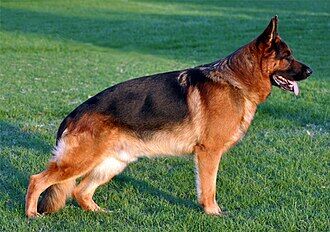
The worm does not understand size or pedigree: it affects a large Pastor Alemán as well as a small Chihuahua. No breed has a special immunity. What makes the difference is the age, the state of the immune system and, above all, whether the dog is vaccinated or not.
The ones who have the most ballots to get seriously ill are:
- Puppies from 6 weeks to 4 months, just when the antibodies they inherited from the mother are starting to go down and they haven’t yet completed their vaccination schedule.
- Dogs not vaccinated or with incomplete routine, whatever their age.
- Animals from shelters, farms or mass stores, where the virus circulates easily.
- Immunocompromised dogs or with other underlying diseases.
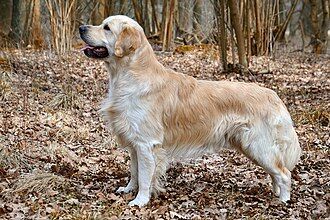
It doesn’t matter if you have a Labrador Retriever, a Golden Retriever, or a resistant Husky Siberiano— if it’s not vaccinated, it’s vulnerable. The protection doesn’t come from the genes, it comes from the vaccine.
Diagnosis and treatment
Diagnosing roundworm is not always easy because its early symptoms are similar to those of many other infections. Your veterinarian will rely on medical history (are you vaccinated?, have you had contact with other dogs?), screening and laboratory tests such as RT-PCR, which detects the genetic material of the virus in samples of blood, secretions or cerebrospinal fluid, or antibody techniques such as ELISA and immunofluorescence.
And here comes the hard part: there is no antiviral that can cure roundworm.. The treatment is supportive, meaning it’s aimed at keeping the dog stable while its own immune system tries to beat the virus.
- Fluid therapy to correct dehydration from vomiting and diarrhea.
- Antibiotics for secondary bacterial infections (the virus opens the door to other germs).
- Antiemetics, digestive protectors and nutritional support.
- Anticonvulsants and specific medication if neurological signs appear.
The forecast is reserved. According to reference veterinary sources, around half of adult dogs who become ill do not survive, and the figure worsens in puppies and when there is severe neurological impairment. Those who overcome it may have lifelong consequences, such as muscle tics, recurrent seizures, or tooth damage. Seeing the cards, you’ll understand why we insist so much on prevention rather than cure.
Why Vaccines Are the Key
If you’ve come this far, the conclusion falls by its own weight: against a disease that has no cure and that kills one in two dogs that have it, the vaccine is not an optional extra, it’s the best tool we have. The roundworm vaccine is part of the essential or ‘core’ vaccines that every dog should receive, usually combined in one shot with parvovirus, hepatitis (adenovirus) and parainfluenza (known as DAPP or DA2PP).
The usual guideline, which your veterinarian will adjust on a case-by-case basis, goes something like this:
- Primary vaccination in puppies: starts around 6-8 weeks of life and repeated doses every 3-4 weeks up to 16 weeks (typically at 8, 12 and 16 weeks).
- First reinforcement: about a year old.
- Later reinforcements: every 1 to 3 years, depending on the vaccine used, the risk of the area and the veterinarian’ s judgment.
Why so many doses on the puppy? Because the antibodies that the mother passes through the colostrum protect at first, but also they interfere with the vaccine and they disappear at a different rate in each animal. By repeating the doses, we ensure that we capture the moment when the puppy is ready to respond on its own. Skipping a dose or preempting walks before completing the routine leaves a dangerous window in which the dog appears protected, but is not.
There is some debate about the exact frequency of booster shots in adults: some guidelines recommend not revaccinating against the disease more than once every three years, and in some cases antibody tests (titrations) are used to decide.
Tips for Protecting Your Dog
- He’s keeping his schedule of shots to a crawl. Mark down the dates and don’t miss any doses of the primary vaccination.
- Avoid high-risk areas with puppies without a complete routine. No dog parks, pipicans or contact with unfamiliar dogs until your vet gives the go-ahead.
- Isolate any dog with respiratory or digestive symptoms and don’t take him anywhere with other dogs until the worm is ruled out.
- Disinfect bowls, beds and surfaces if there’s been a case at home; the virus is fragile and the usual disinfectants kill it.
- Strengthens defenses with good nutrition, daily deworming and regular vet visits.
- If you adopt or buy A Beagle, a half-breed or any other dog, asks for and checks his vaccination card before taking him home.
Common Mistakes to Avoid
- To think that a grown dog doesn’t need you anymore. The roundworm affects at any age if the immunity has dropped; boosters exist for a reason.
- Take the puppy outside before he completes the routine. is the most expensive mistake: a lot of contagion happens right in that window.
- Yellow discharge, fever and apathy deserve a visit to the vet, not wait to see if it passes.
- Automedicar. Antibiotics don’t kill the virus and giving drugs on your own can make things worse.
- Relax after your recovery. Neurological signs may appear weeks later; keep monitoring even if you appear to have recovered.
- Believe in “he’s healthy, no need to vaccinate”. precisely because he’s healthy you want him to stay that way.
Frequently Asked Questions
Does dog worm get to people?
No. The canine roundworm virus does not infect humans, so it is not a zoonosis. You can care for your sick dog with peace of mind, although you must be extremely hygienic so as not to transmit the virus to other healthy dogs.
Can a vaccinated dog get roundworm?
It is very unlikely. The vaccine is highly effective and protects the vast majority of dogs. Failures usually occur when the schedule is incomplete, when the animal is immunocompromised or in puppies in which the maternal antibodies still interfere.
Is there a cure for roundworm?
There is no specific antiviral that eliminates the virus. Treatment is supportive: fluids, antibiotics for secondary infections, control of vomiting and diarrhea and medication for seizures. The goal is to sustain the dog while its immune system fights the infection.
How long does it take for the worm to appear after infection?
The incubation period to the first fever is usually 3 to 6 days, however, respiratory and digestive symptoms come a little later, and neurological signs may take several weeks or even months to manifest.
Can a dog survive the worm?
Yes, some dogs outgrow it, but the prognosis is serious: About half of the adults who get sick do not survive, and the figure is worse in puppies and with neurological damage.
How often do you have to revaccinate against roundworm?
Puppies are given several doses up to 16 weeks, a first booster around the age of one year and then booster every 1 to 3 years depending on the vaccine and the risk in the area.