Canine dental health: how to clean your dog’s teeth
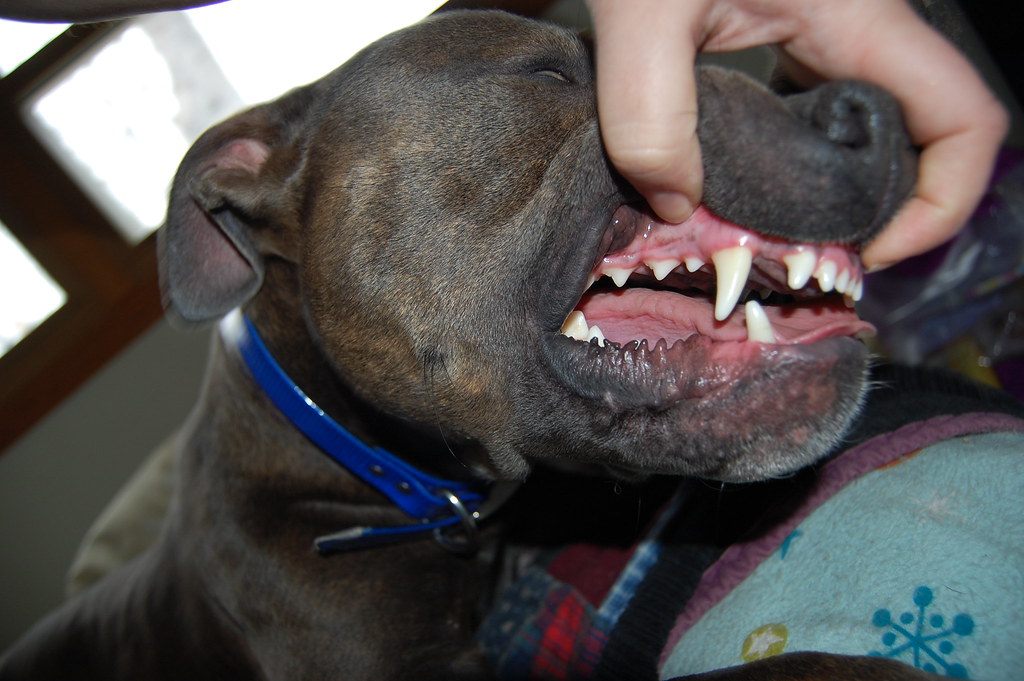
Get close to your dog and smell his breath. If you have been holding back, this article is for you. That smell is not “dog stuff”: It’s almost always bacterial plaque working on its own. Brushing your dog’s teeth is, along with diet and exercise, one of the three pillars of your long-term health, and yet it’s the one we most overlook. The good news: With ten minutes a week and the right technique, you can save him pain, extractions and major veterinary bills. Here’s the complete, step by step, smoke-free guide.
Why your dog’s dental health matters so much
Veterinary studies estimate that between 80 and 90% of dogs over 3 years old already have some degree of periodontal disease is by far the most common health problem in adult dogs, and the most insidious thing is that it progresses silently: the visible part of the tartar is just the tip of the iceberg, because the real damage happens below the gum line, where you can’t see it.
The process is simple and quick. After each meal, a film of bacteria forms on the tooth: the plaque. If it is not removed, within 24-72 hours it begins to mineralize and turn into tartar, which can no longer be removed with a brush. Tartar irritates the gum (gingivitis), the gum shrinks, bacteria attack the ligament and bone that hold the tooth (periodontitis) and the end of the road are teeth that hurt, loosen and fall out.
And it doesn’t stay in your mouth. Advanced periodontal disease has been associated with heart, liver, and kidney problems, probably because bacteria from the mouth enter the bloodstream through inflamed gums. The exact cause-and-effect relationship is still being investigated, but the evidence is enough for no veterinarian to take lightly. A healthy mouth is not aesthetic: It’s general health.
How to clean your dog’s teeth step by step
Brushing is the the most effective method available for preventing periodontal disease at home. No snack, toy or additive matches it. The key is to make it enjoyable, not a fight. Go slowly: adaptation can take one to two weeks, and with puppies it’s usually a matter of days.
- Choose a quiet time. After the walk, with the dog relaxed.
- Day one or two: just touch. Lifts up the upper lip gently and touches teeth and gums with the finger. Rewards with caresses or a small prize. 30-60 second sessions, nothing more.
- Days 3-4: present the pasta. Put some dog toothpaste on your finger and let it soak.
- Days 5-7: Finger with toothpaste. Rub the outer face of the teeth with your finger or a silicone toothpick.
- Week two, the brush comes in. Dog-specific brush or child-specific brush with soft bristles, at a 45-degree angle to the gum line, with smooth circular movements.
- Focus on the outer face. is where most tartar builds up, especially in the canines and upper teeth.
- It always ends on a positive note. Prize, game or walk right after. Your dog should think brushing is the appetizer for something good.
A full brushing takes between 30 seconds and 2 minutes. If one day you can only brush one side, it’s okay: tomorrow you start with the other. Consistency above perfection.
How often do you have to brush?
The ideal is every day, because the plaque rearranges in a matter of hours and begins to harden in one to three days. If daily brushing is not realistic in your home, the minimum with demonstrable benefit is three times a week. Below that frequency, the plaque has plenty of time to become tart between sessions, and the brush can no longer remove it.
Start as early as possible. Even if the baby teeth fall out, a puppy that learns to let its mouth be manipulated at 3-6 months will be an adult that will be brushed without drama throughout its life. If your dog is already an adult or senior, you can also teach him: you will only need more patience in the adaptation phase.
Which products to use (and which to avoid)
Here’s a rule that doesn’t allow for exceptions: never use human toothpaste. Many contain xylitol, a sweetener that causes severe hypoglycemia in dogs and can cause liver failure and even death.
- Enzymatic toothpaste for dogs: is safe to swallow, with appetizing flavors.
- Specific brush for dogs: long-headed for large breeds like the Labrador Retriever, or small-headed (even silicone toe) for mini breeds.
- Toothpastes and toothpicks: transition option if the brush still imposes; clean less, but better that than nothing.
- Sello VOHC: the Veterinary Oral Health Council evaluates dental products (snacks, diets, additives) and grants its seal only to those that demonstrate in trials that they reduce plaque or tartar.
Dental snacks, diets and other supplements
The following table summarizes what you can expect from each method:
| Method | Effectiveness against plaque | Frequency recommended | To be taken into account |
|---|---|---|---|
| Brushed with dog paste | Very high (reference) | Daily, at least 3 times a week | Requires initial adaptation |
| Dental snacks with VOHC seal | Moderate | Depending on the manufacturer, it’s usually daily. | They count like calories; adjust the ration |
| Specific dental diets | Moderate | As usual feeding | Croquettes with a texture that “brushes” when chewed |
| Additives for water | Low to moderate | Every day | Comfortable, but never as the only method |
| Rubber biting toys | Get down . | Free, supervised | Choose the right hardness for the size |
| Veterinary professional cleaning | Very high (eliminates tar) | As indicated by the veterinarian | Only way to clean under the gum |
An honest note about bones and horns: They are popular, but very hard objects (recreational bones, deer antlers, hooves, hooves) are a frequent cause of tooth fractures, especially of butcher’s teeth. The rule of thumb for many veterinarians: If you can’t nail it or bend it, it’s too hard. And the boiled bones, never: They splinter and are also dangerous to the digestive system. In case of doubt, dental snack with VOHC seal and ready.
Professional cleaning at the veterinary clinic
As well as brushing, the already formed tartar and plaque under the gum line are only removed with a professional ultrasound cleaning under general anesthesia. It includes full piece-by-piece review, X-rays if needed (much of the pathology is at the root, invisible to the naked eye), removal of supragingival and subgingival tartar, and final polishing to delay new plaque adhesion.
What about the “anesthesia-free dental cleanings” offered by some hair salons and centers? The American Veterinary Dental College (AVDC) is clearly against it: without anesthesia only the visible part of the tooth is scratched, it cannot be cleaned under the gum – where the disease is – it does not allow a complete examination and stresses or may injure the animal. The result is a white tooth on the outside and a diseased one on the inside: Cosmetics, not medicine. Modern anesthesia, with proper pre-anesthesia evaluation, is very safe even in older dogs; do not be afraid to discuss it with your veterinarian.
The frequency depends on each dog: some need annual cleaning and others go years without needing it, depending on size, genetics and home hygiene routines.
Breeds more prone to dental problems
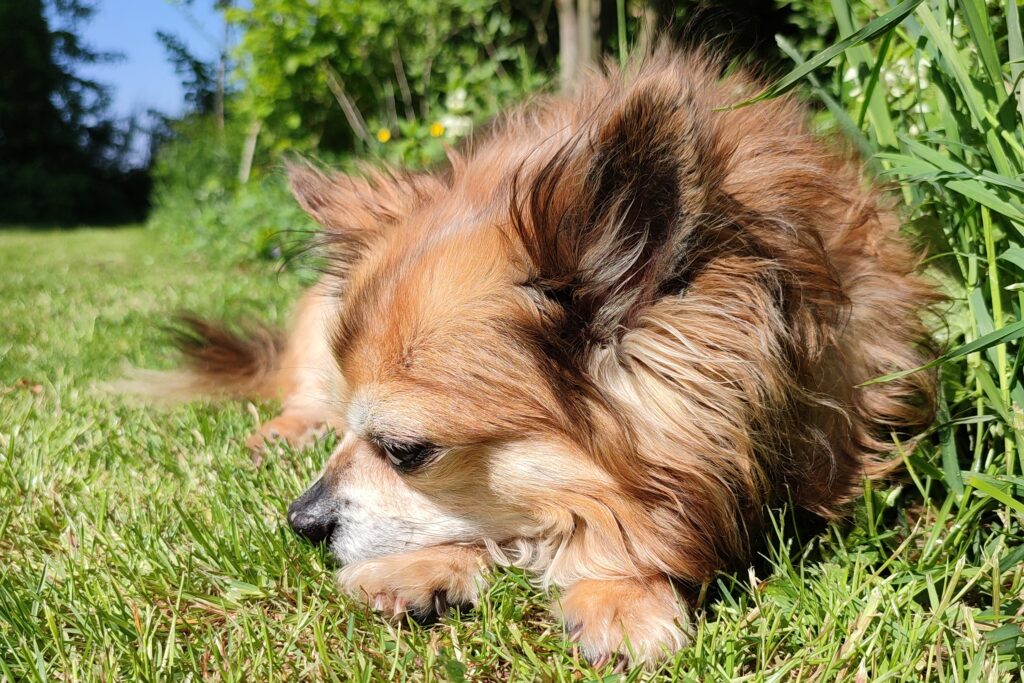
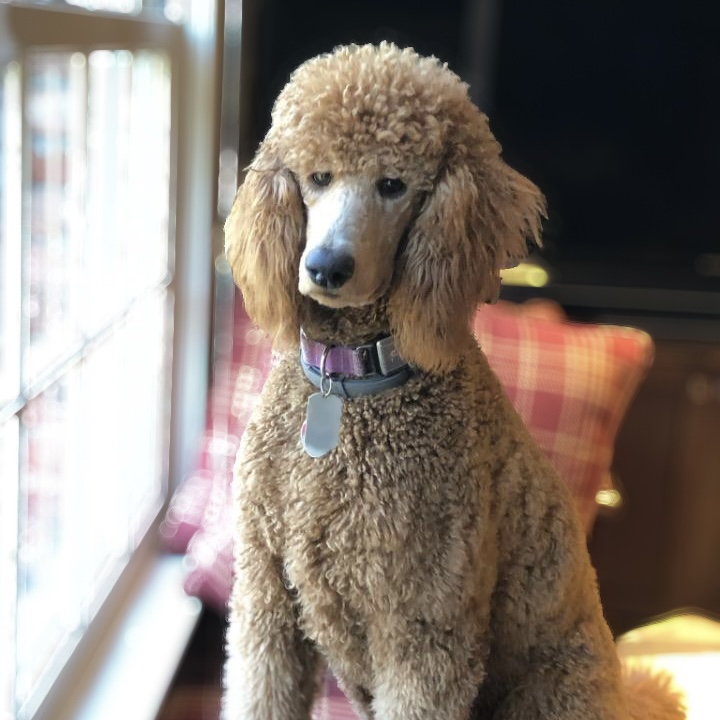
Genetics and anatomy play a huge role. small breeds and toy concentrates the same 42 teeth of an adult dog in a tiny jaw: clogging creates corners where plaque accumulates at pleasure, and they also often retain baby teeth that should have fallen out. This is the case of the Yorkshire Terrier, the Chihuahua or the Caniche toy, which usually need professional cleaning more often and appreciate daily brushing from puppies. Teckel, with its narrow snout, also appears recurrently in periodontal disease studies.
The brachycephalic breeds(flat-faced) like the Carlino or Bulldog Francés have shortened jaws with rotated and crowded teeth, another perfect setting for tartar.
They accumulate tartar more slowly, but they’re more prone to tooth fractures from biting hard objects, and a broken tooth hurts the same in all sizes.
Alarm signals in your dog’s mouth
Check your dog’s mouth once a week (with brushing you’ll do it without realizing it).
- Persistent bad breath(the famous “dog breath” is not normal, it’s the first warning).
- Red, inflamed or bleeding gums.
- Visible tartar: brown or yellowish deposits, mainly on canines and tusks.
- Difficulty eating: chews on one side, drops food, rejects hard food.
- You rub your mouth with your feet or against the floor.
- Excessive salivation, sometimes with blood residue.
- Loose, broken or missing teeth.
- Numbness or swelling of the gums or muzzle.
Eye: many dogs with toothache they’re still eating normally.. Survival instinct rules, and they endure discomfort that would fall on us. He eats well does not rule out that his mouth hurts.
Common Mistakes to Avoid
- Xylitol is toxic and potentially deadly to dogs.
- Starting too hard. Attempting a full brushing on the first day only makes the dog hate the brush.
- Brush “when I remember”. Once a week hardly brings anything: the plaque mineralizes before your next session.
- Trust only snacks or toys. helps, but none matches the effectiveness of brushing or cleaning under the gum.
- Give boiled bones or ultrasonic objects. Dental fractures, splinters and emergency visits.
- Trying to scratch the tar at home. With utensils you can damage the enamel and gum, and the subgingival tartar will still be there.
- Skip the checks. An annual oral examination (six-monthly in senior dogs or at-risk breeds) detects problems when they are still cheap and easy to treat.
Frequently Asked Questions
How often should a dog’s teeth be brushed?
The ideal is to brush daily, because the plaque begins to mineralize in 24-72 hours. The minimum with real benefit is three times a week.
Can I use human toothpaste with my dog?
Many human toothpastes contain xylitol, a highly toxic sweetener for dogs that can cause severe hypoglycemia and liver failure, plus fluoride that they shouldn’t swallow.
Do toothpastes replace brushing?
No, VOHC-stamped snacks have been shown to reduce plaque and tartar, but their effectiveness is moderate and they don’t clean under the gum.
How do I get rid of the already formed tartar without going to the vet?
There is no safe way to do this at home. The tartar is attached to the tooth and much of it is hidden under the gum; scratching it with utensils damages the enamel and does not solve the problem. Only a professional ultrasound cleaning under anesthesia completely removes it.
Are dental cleanings recommended without anesthesia?
Veterinary dental associations, such as the AVDC, advise against them: they only clean the visible part of the tooth, do not allow examination or treatment under the gum, and stress the animal.
At what age do I start brushing my puppy’s teeth?
Although the baby teeth will fall out, the goal is to get the puppy used to the handling of the mouth. A well-adjusted puppy will be brushed without problems throughout his life.