10 señales de que tu perro está enfermo o tiene dolor
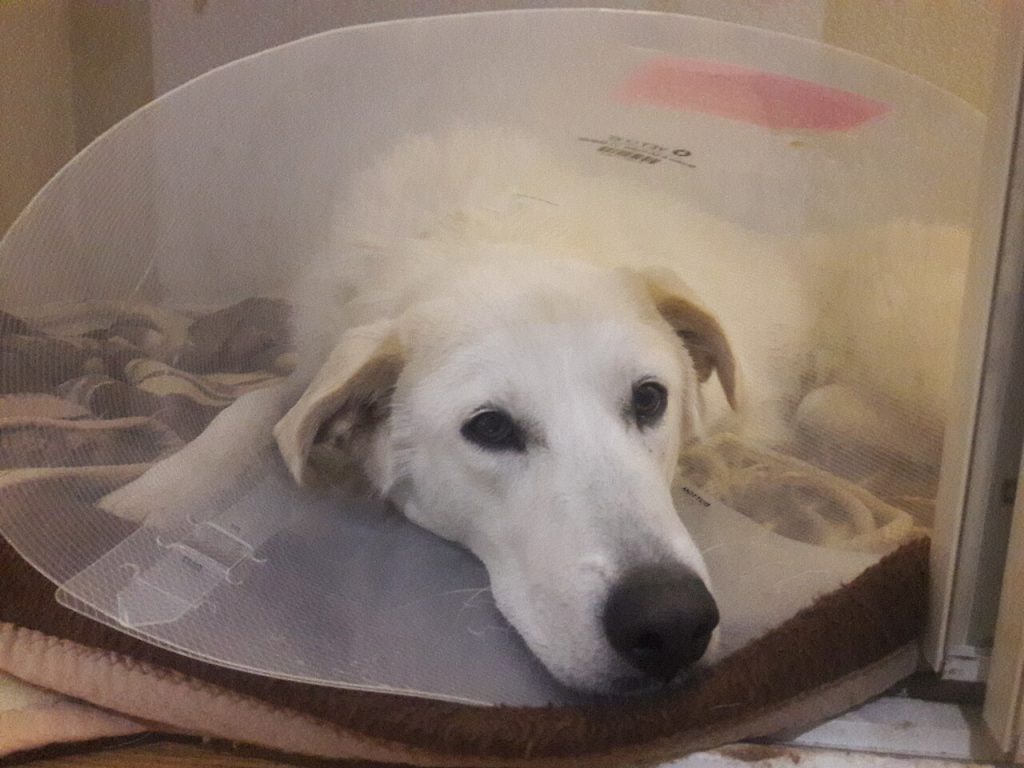
Dogs can’t tell you they’re in pain, and they’re experts at hiding it. It’s an instinct they inherited from their ancestors, for whom showing weakness was dangerous. That’s why learning to read signs of a sick dog or with pain is one of the most valuable skills you can develop as an owner. Detecting a problem early can save your dog weeks of discomfort, money on treatment, and, in severe cases, save his life.
In this guide we review the 10 most important signs according to solvent veterinary sources (Cornell, AAHA, PetMD, AKC), how to distinguish what you can expect from what is an emergency, and the mistakes you should avoid.
The 10 signs that your dog is sick
No one knows your dog better than you do. The key to almost all of these signals is change from normal: what in one dog is routine, in another it can be a symptom.
1. Changes in appetite and thirst
If a dog misses a meal, it’s usually not serious. But if it has more than 24-48 hours without eating, it’s time to call the vet: loss of appetite is accompanied by infections, dental problems, abdominal pain and more serious illnesses. In gluttonous breeds like the Labrador Retriever or the Beagle, refusing food is even more striking: if a dog that would devour anything moves its nose away from the feeder, something happens.
Thirst also counts. Drinking much more than usual for more than a day may indicate diabetes or kidney problems, especially in older dogs. And involuntary weight loss (a common benchmark is around 10 percent of body weight) is always worth reviewing.
Persistent vomiting or diarrhoea
Isolated vomiting or occasional soft stools fall within the normal range: Dogs eat things they shouldn’t. There are other warning signs: repeated vomiting(several times in one episode or several days in a row), vomiting with blood, diarrhoea lasting more than 24 hours, or vomiting combined with lethargy and lack of appetite. Also look at the feces: blood, mucus, visible parasites or unproductive efforts to defecate are grounds for consultation.
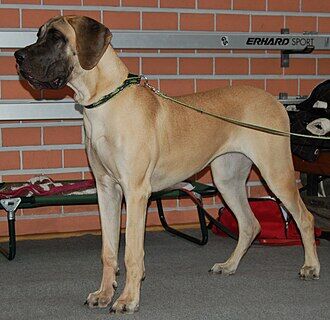
Case in point: if your dog has unproductive arches and the abdomen swollen and hard, go to the emergency room immediately. It can be a stomach twist, a life-threatening emergency within a few hours, more common in large breeds with deep chest like the Gran Danés or the Weimaraner.
3. Lethargy or apathy
All dogs have quiet days, but a dog that doesn’t get up to meet you, doesn’t react to his favorite walk, or sleeps much longer than normal is telling you something. The general reference: if lasts more than 48 hours is lethargic or accompanied by other symptoms (vomiting, fever, limping), consult. In tireless breeds like the Border Collie, apathy is noticed earlier and is almost never “a lazy day”.
4. Excessive wheezing or difficulty breathing
Jade after exercise or in heat is normal. Jade at rest, at night or for no apparent reason is not: it may indicate pain, fever, heart or respiratory problems. Actual breathing difficulty (visible strain, eyes wide open, bluish or grayish gums, posture with neck stretched) is a immediate veterinary emergency.
If you live with a brachycephalic (flat-nosed) breed such as the Bulldog Francés or Pug, pay double attention: their usual snoring and noises can mask a real worsening, especially in heat.
5. Snoring, stiffness, or difficulty moving
Limping, avoiding stairs, hesitating before jumping off the couch, or straining to get up are classic signs of joint, muscle, or spinal pain. Don’t assume that “it’s a thing of age”: osteoarthritis, dysplasia and herniated discs are treatable, and the sooner they’re addressed, the better. Long-backed breeds like the Teckel (Dachshund) are especially prone to spine problems: a sudden limp, stiffness or refusal to move in one of them is grounds for urgent consultation on the same day.
Changes in behavior – irritability, isolation, or “clinginess”
Pain changes character. A dog in pain may grow grumpy, react badly when touched in a certain area, hide and avoid contact… or just the opposite: Looking for you more than usual and being restless without finding posture. According to the canine health center at Cornell University, these changes usually appear in the form of gradually, so the person living with the dog is best able to detect them. If your dog is “not himself anymore”, don’t label him disobedient: rule out a physical problem first.
Persistent licking or nibbling of an area
Licking or nibbling always the same area (a leg, a joint, the base of the tail) is the canine way of “rubbing where it hurts”. It may indicate localized pain, allergies, parasites or skin problems.
8. Changes in urination or defecation
Urinating much more or much less, effort without result, blood in the urine, accidents inside the house in a dog who never had them… all of that deserves consultation.
Strange postures: arched back, lowered head, or “prayer posture”
Dogs in pain change their posture: arched or hunched back, head lowered, tail attached to the body, lying down and falling “on lead” instead of settling down. The so-called prayer posture is a classic sign of abdominal pain, typical of problems such as pancreatitis. There are also signs on the face: Flattened ears, closed eyes, “tense” expression.
10. Visible physical signs: gums, eyes, fur and smells
- Encías: should be pink and moist. Pale, whitish, bluish or yellowish are signs of serious alarm (anemia, lack of oxygen, liver problems).
- Ojos: redness, closed eye, clouds on the surface, abundant freckles or scratching of the face.
- Fleece and skin: matte hair, baldness, excessive dandruff or wounds that do not heal.
- Olores: severe bad breath (dental or kidney problems), smell of yeast in the ears (otitis) or new body odors.
- Temperatura: the normal rectal temperature of a dog is around 38-39,2 °C; from 39.4 °C is considered a fever.
Subtle Signs of Pain – What Hardly Anyone Detects
But chronic pain (arthritis, toothache, back pain) is usually expressed in small details that are mistaken for mania or age. AAHA (American Association of Animal Hospitals) pain management guidelines insist that behavioral changes are often the first and only clue.
- He hesitates or thinks before he goes up or down stairs, or jumps into a car.
- He no longer stretches when he wakes up as before, or he gets up “in pieces”.
- Licking the lips, yawning or panting in calm situations.
- He changes his posture constantly at night, as if he doesn’t find accommodation.
- He stays behind on the rides or sits halfway.
- Stop grooming yourself, or overgroom yourself at a particular point.
- He reacts (strains, turns his head, growls) when you brush him or grab him for a specific area.
A very useful trick that veterinarians recommend: video recording those strange behaviors. In the office, many dogs are activated by the nerves and “hide” the limp or stiffness; a 30-second video at home is worth more than ten minutes of exploration.
When to go to the vet: emergency vs. regular appointment
This table gives you a quick guide (if in doubt, always call your clinic or an emergency service):
| Signal | What to do |
|---|---|
| Difficulty breathing, blue or pale gums | Immediate urgency |
| Belly swollen and hard with arches without vomiting | Immediate urgency(possible gastric torsion) |
| He can’t urinate, seizures, loss of consciousness. | Immediate urgency |
| Vomiting or diarrhoea with blood, heavy bleeding | Immediate urgency |
| Ingestion of human medicines, chocolate or toxic substances | Immediate urgency |
| Sudden severe skin rash or acute back pain | See the same day |
| Repeated vomiting, diarrhoea > 24 h, fever | Consultation in 24 hours |
| No food for 24-48 h, lethargy > 48 h | Consultation in 24-48 hours |
| Excessive drinking, slightly intermittent limping, persistent licking | Normal appointment this week. |
| Gradual changes in behavior, “age” stiffness | Normal date, don’t let it pass you by |
What can you do at home?
While you are deciding whether to go to the vet or while your appointment is coming up, there are helpful (and safe) things you can do:
- Observe and note: when it started, how often it happens, whether it gets worse or better.
- It records videos. of limping, coughing, gasping or strange behavior.
- Check out the basics:, have you changed your feed, been able to eat anything from the garbage or the park?
- Take his temperature. if you know how to do it. 38-39.2°C is normal.
- If you have a painful reaction to touching your abdomen, don’t insist and call the vet.
- Water always available, light food if you ‘ve vomited (and a short fast only if directed by your vet).
- It reduces activity: if he’s limping or stiff, no balls or jumps until a pro sees him.
Common Mistakes to Avoid
- Give him ibuprofen or acetaminophen. is the most dangerous mistake of all. Ibuprofen is very toxic to dogs: even a single pill can cause ulcers, kidney damage and, in severe cases, seizures. Paracetamol can also be toxic depending on the dose and size of the dog. Never medicate your dog without a veterinary indication: there are specific anti-inflammatories for dogs, safe and effective.
- Waiting “to see if it passes” at alarm signals. With bloody vomiting, shortness of breath or swollen abdomen, every hour counts.
- Most older dogs with stiffness have treatable osteoarthritis and their quality of life improves dramatically with proper management.
- Punish changes in behavior. If your dog growls when you touch it or poops at home suddenly, punishing it only adds to the fear of a possible medical problem.
- Trust the “Dr. Google” to diagnose and treat. Informing yourself is fine (that’s why we wrote this), but diagnosis requires scanning, and sometimes analytics and imaging tests.
- To think that if he eats, it’s okay. Many dogs with chronic pain still eat with appetite.
Frequently Asked Questions
What’s the normal temperature of a dog?
The normal rectal temperature of a dog is approximately between 38 and 39.2 °C, somewhat higher than that of a human.
Can I give my dog paracetamol or ibuprofen if he’s in pain?
No. Ibuprofen is very toxic to dogs even in small doses (it can cause ulcers, kidney failure, and seizures) and acetaminophen can be dangerous depending on the dose and weight. If you think your dog is in pain, call your vet. There are pain relievers and anti-inflammatories specifically for dogs that are safe and effective.
How long can my dog go without eating before I worry?
As a general guideline, if a healthy adult dog has not eaten for more than 24-48 hours, consult a veterinarian. For puppies, very small dogs, older dogs or with previous illnesses, do not wait too long: call the same day. And if lack of appetite is accompanied by vomiting, lethargy or pain, come as soon as possible.
My dog doesn’t complain or cry, does that mean he’s not in pain?
No. Dogs tend to hide their pain instinctively, and many never vocalize even though they are in pain. The most reliable signs are subtle changes: moving less, hesitating in front of the stairs, licking a particular area, changes in character or posture. If you notice several of these changes, you deserve a veterinary check-up.
What is the “prayer posture”, and why is it important?
It is a classic sign of abdominal pain (for example, pancreatitis) and warrants prompt veterinary consultation, especially if accompanied by vomiting or apathy.
Is it normal for my dog to gasp a lot without exercise?
It is not normal to gasp vigorously at rest, in cool environments, or at night. It may indicate pain, fever, stress, or heart and respiratory problems. If you also notice difficulty breathing, bluish or pale gums, or stretched neck postures, it is a veterinary emergency.
Remember: this guide is for guidance only and does not replace the assessment of a professional.