Senior Dog Care – How to Give It the Best Aging
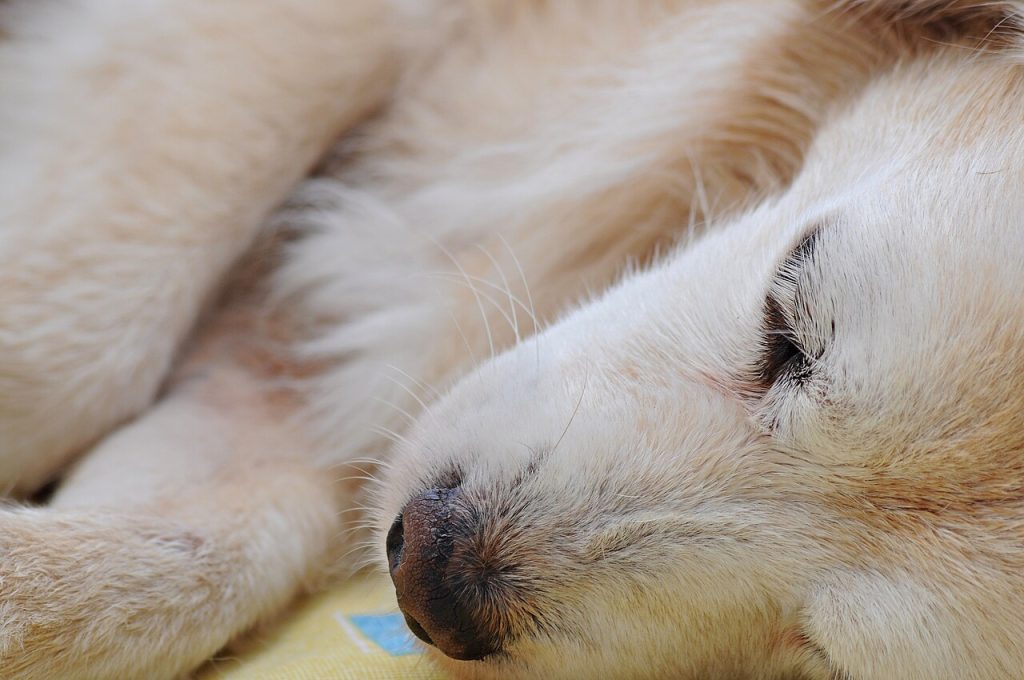
One day you look at it and there it is: the gray snout, the slower step up the stairs, the nap that lasts a little longer. Your dog has grown up almost without warning. The good news is that old age is not a disease, and with proper care of a senior dog you can live out your final years with an excellent quality of life. In this guide we review, with data from solvent veterinary sources, everything you can do – starting today – to return a small part of everything he has given you.
When is a dog considered senior?
A practical reference, used by veterinarians and by organizations such as the American Kennel Club, is to consider senior the dog that has entered the last 25 percent of the life expectancy of your race.
| Size | Examples | Approximate seniority |
|---|---|---|
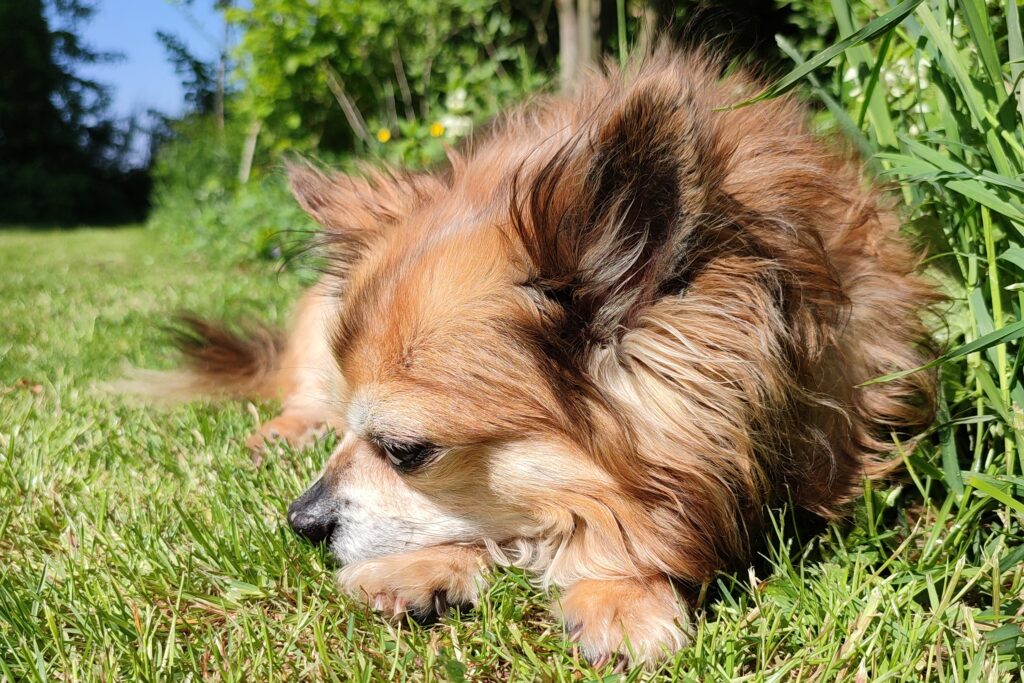
| Toy and small (< 10 kg) | Chihuahua, Yorkshire terrier | 8 to 11 years |
| Medium (10 to 25 kg) | Beagle and Border Collie | 7-9 years |
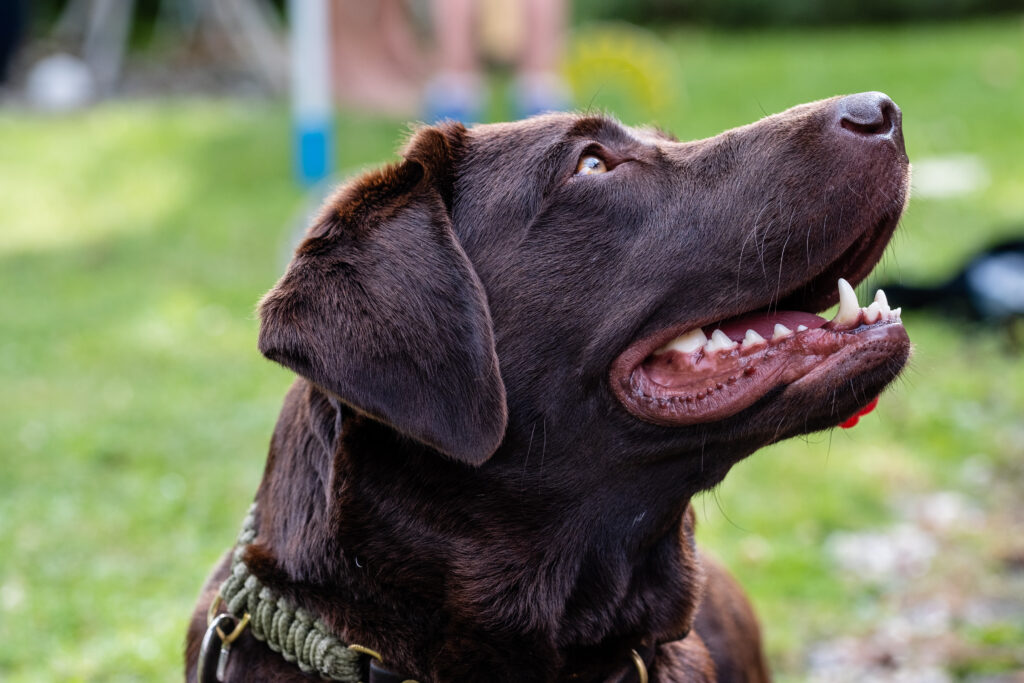
| Large (25 to 40 kg) | Labrador Retriever, German Shepherd | 6 to 8 years |
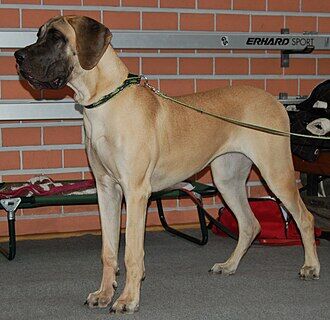
| Giant (> 40 kg) | Gran Danés, from St. Bernard . | 5 to 6 years |
Most age-related diseases (kidney, heart, joint, tumor) are much better treated when detected early.
Veterinary visits – the cornerstone of senior dog care
If you’re just left with one idea for this article, let it be this: In the senior stage, the annual review falls short. The AAHA (American Animal Hospital Association, 2023) senior care guidelines recommend at least two reviews per year for older dogs. The reason is simple: A dog ages several times faster than we do, so one year between visits is equivalent, in terms of health, to you going five or more years without seeing a doctor.
A comprehensive senior review usually includes:
- Complete physical examination: palpation of abdomen and joints, cardiac auscultation, examination of eyes, ears and mouth.
- Blood and urine test: to detect early kidney, liver, diabetes or thyroid problems before they cause symptoms.
- Weight control and fitness: both overweight and loss of muscle mass are warning signs.
- Blood pressure measurement and, if considered by the veterinarian, imaging tests.
Between visits, you are the best sensor: note changes in thirst, appetite, weight, activity or behaviour and comment on them in consultation.
Food: more quality, not less protein
Here’s how to debunk a widespread myth: healthy older dogs don’t need low-protein diets.. That idea comes from ancient studies on rodents and is now obsolete: Current evidence indicates that protein from a complete, balanced diet does not harm the kidneys of a healthy dog. In contrast, senior dogs lose muscle mass with age (sarcopenia) and make worse use of protein, so many veterinary nutritionists recommend diets with high quality protein in sufficient quantity to slow that loss.
Practical keys to senior dog feeding:
- Control your calories: low metabolism and overweight triggers osteoarthritis, heart problems and shortens life.
- Quality protein: look for feed or diets where the protein source is clear and digestible. If your dog has a diagnosed kidney disease, the diet is guided by the vet, not the supermarket label.
- Omega-3 (EPA/DHA): fish fatty acids have reasonable evidence to support osteoarthritis and cognitive health.
- Water always available: seniors dehydrate more easily; several drinkers around the house help.
- Smaller and more frequent rations if your digestion is worse or you have trouble maintaining your appetite.
Breeds with a strong tendency to overweight, such as the Labrador Retriever or the Beagle, require particularly strict ration control at this stage.
Mobility and osteoarthritis: Keep moving
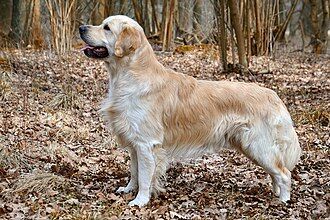
Osteoarthritis is the most commonly diagnosed joint disease in veterinary medicine and its frequency spikes with age: In dogs over 7-8 years of age, various studies place the prevalence of osteoarthritic changes at very high figures (some X-ray series exceed 50% in specific joints such as the elbow). Overweight and large size are clear risk factors, something to watch for in breeds like the Golden Retriever, Rottweiler or German Shepherd.
Signs of joint pain that many owners mistake for “growing older”:
- Difficulty getting up after a break or hesitation before getting on the couch or into the car.
- He stays behind on the sidewalks or refuses to climb stairs.
- Lick a joint insistently.
- He’s more irritable when he’s touched in certain areas.
What can you do?
- Daily, gentle and regular exercise: The worst strategy is sedentary during the week and long walks on Sunday. Better several short walks at your own pace, every day. Movement maintains muscle, and muscle protects the joint.
- Weight at breast: slimming is by far the most impactful measure in an overweight arthritic dog.
- Veterinary treatment of pain: Today, there are safe anti-inflammatories for chronic use, monoclonal antibodies against osteoarthritis pain, and options for physiotherapy and hydrotherapy.
- Supplements with criteria: omega-3s have reasonable support; with classical chondroprotectors (glucosamine/chondroitin) the evidence is more controversial.
Your mind also ages: cognitive dysfunction.
Canine cognitive dysfunction syndrome is the “Alzheimer’s” of dogs, and is much more common than thought: studies estimate that it affects around a third of very old dogs, with figures ranging from about 28 percent at 11-12 years to about 68 percent at 15-16 years.
- D orientation: getting lost at home, staring at the wall, getting stuck in corners.
- I altered interactions: more sticky or, conversely, more violent.
- S sleep changed: sleeps during the day and wanders restlessly at night.
- H lost hygiene: begins to defecate indoors without medical cause.
- A impaired mobility: apathy or aimless wandering.
- A anxiety: new nervousness at situations he previously tolerated well.
It’s important to know two things. First of all: Many of these symptoms can also be due to pain, vision/hearing loss or internal diseases, so the first step is always to rule out a medical cause with the vet. Second: Although there is no cure, you can brake and drive with mental stimulation (smell, food games, new routes), stable routines, specific diets and supplements and, in some cases, medication. The sooner it’s detected, the more you can do.
Hygiene, dental care and everyday comfort
The mouth is the great forgotten: Periodontal disease affects the vast majority of adult dogs – estimated to affect more than 80% of dogs over the age of 3 – and in a senior it’s not just bad breath: It’s pain from eating and chronic inflammation that can affect the heart and kidneys. Frequent dental brushing and veterinary cleanings when appropriate are still worthwhile at any age. Small breeds like the Yorkshire Terrier or Chihuahua are especially prone.
Other increasingly important maintenance:
- Uñas: as you walk less, you wear less; long nails make support and joint pain worse.
- Coat and leather: regular brushing also helps you detect lumps and masses in time. In double-coated dogs like the Husky Siberiano, keeping the coat healthy helps regulate temperature, which they manage worse as they get older.
- Eyes and ears: check and clean with appropriate products; gradual loss of vision and hearing is common and your dog compensates better if the environment is stable.
- Cold and hot: seniors tolerate extremes worse. shelter in winter for short-haired dogs and first and last hour walks in summer.
Adapting the house to its new age
Small household changes make a huge difference in your day-to-day:
- Orthopaedic bed of viscoelastic foam, away from currents: relieves pressure points in thin or arthrosic dogs.
- Non-slip floors: carpets or rubber paths in the passing areas; slippery parquet is the number one enemy of larger hips.
- Ramps or steps for the couch, bed or car, especially in long, short races like the Teckel.
- Elevated dining and drinking if you have neck or back discomfort.
- Routine and stable environment: if you lose sight or hearing, avoid moving furniture and warn of your presence before touching it so as not to startle it.
- Night light in hallways if he wanders at night or sees worse in the dark.
Common Mistakes With Older Dogs
- Attributing it all to age: “is that you’re old” delays diagnoses of pain, hypothyroidism or kidney disease that have treatment.
- Abolish the exercise: going from everything to nothing accelerates muscle loss.
- Overeating for Love: the extra “because you deserve it” rewards are the fast track to overweight, and overweight takes years and quality of life away.
- Giving up prevention: vaccines, deworming and reviews are still needed; the senior immune system responds worse, not better.
- Ignore the mouth: refusing a dental cleaning indicated “by anesthesia” is usually worse business than anesthesia itself, which today, with pre-anesthesia and monitoring, is reasonably safe even in the elderly (your veterinarian will assess each case).
- Stop stimulating your mind: a senior still enjoys smelling, learning and solving; mental retirement accelerates cognitive decline.
And an honest note: on topics where the evidence is still up for debate (chondroprotectors, some “anti-aging” supplements, miracle diets), be wary of sweeping promises and always decide with your veterinarian, who knows your dog’s specific case.
Frequently Asked Questions
How old is my senior dog?
It depends on the size: giant breeds are considered senior around 5-6 years, large ones around 6-8, medium ones around 7-9 and small ones around 8-11.
How often do I have to take a senior dog to the vet?
The reference veterinary guidelines (AAHA 2023) recommend at least two reviews a year in older dogs, ideally with blood and urine analysis, to detect early disease that does not yet cause symptoms.
Do older dogs need low-protein feed?
No, if they’re healthy. It’s an old myth: current evidence indicates that protein from a balanced diet does not harm healthy kidneys, and that seniors need quality protein to keep from losing muscle. Kidney diets are only recommended when kidney disease is diagnosed.
How much exercise does an older dog need?
Daily and adapted: two or three short, quiet walks each day are better than a sporadic long walk. The aim is to maintain muscle and mobility without causing pain.
How do I know if my dog has senile dementia?
Typical signs (DISHAA) are disorientation, changes in interaction, disturbed sleep with nighttime restlessness, loss of hygiene habits, activity changes and new anxiety.
Is a 12-year-old dog worth a dental clean?
In most cases, yes. Periodontal disease causes chronic pain and inflammation that affects overall health, and modern anesthesia, with pre-anesthetic evaluation and monitoring, is reasonably safe even in older dogs. The final decision is always an individual assessment with your veterinarian.