Alimentación del cachorro: qué, cuánto y cuántas veces al día
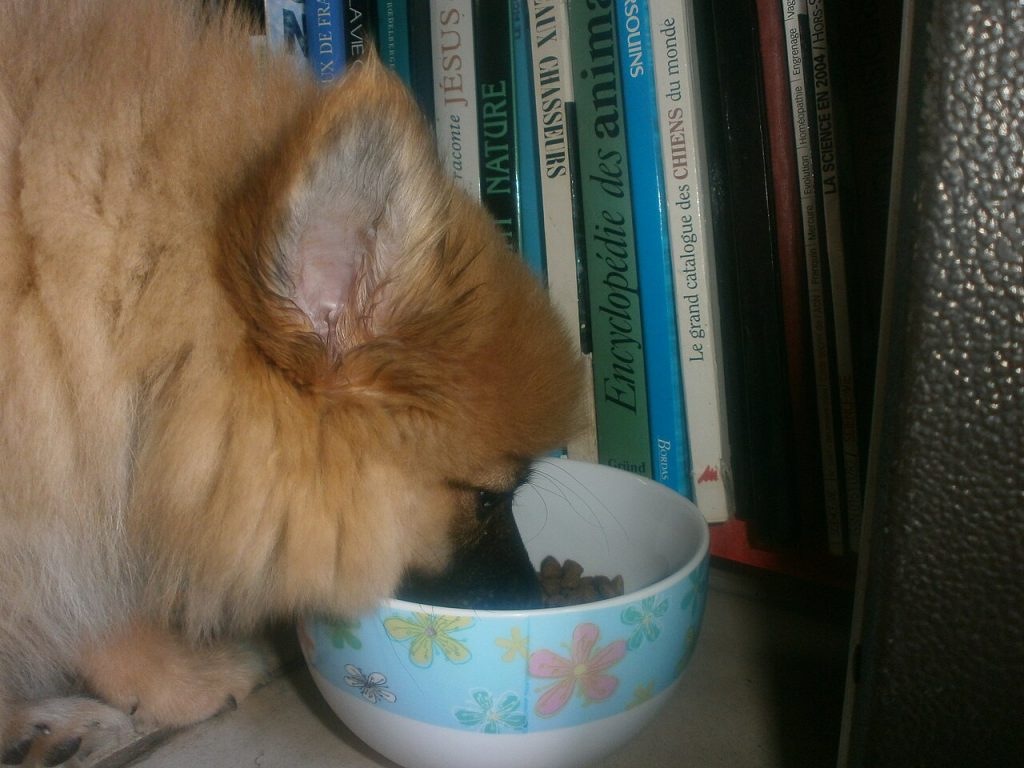
You’ve just brought a puppy home and suddenly a thousand questions assail you: Do I give you puppy food or is my other dog’s worth it, three shots or four? Don’t worry, it’s happened to all of us. feeding the puppy is the foundation of your health for life: During its first few months, a dog multiplies its weight many times over and builds bones, muscles and immune systems at a rate it will never repeat. Getting it right now is a lot easier than it looks if you follow a few clear rules. In this guide we tell you what to give, how much and how many times a day, depending on your age and size.
What a puppy should eat
The short answer is: a specifically formulated for growth food (labeled ‘puppy’, ‘junior’ or ‘growth’). It’s not marketing: puppies need more protein, more fat and a different mineral balance than an adult dog, and animal nutrition regulatory associations (such as AAFCO in the United States or FEDIAF in Europe) set different minimum requirements for each stage. Look on the packaging for the mention that the food is complete for puppies or for all stages of life.
Until 3-4 weeks of life, the puppy only takes breast milk. From there, weaning begins, which is usually complete by about 7-8 weeks, when you’ve eaten solid food without a problem. If you adopt a two-month-old puppy, it will normally come home eating puppy food; keep the mark the breeder or protector gave it at first and, if you want to change it, do so gradually.
Do I mean dry, wet food or both?
- Dried peas (croquettes): is the most practical and economical option, and the usual reference. In very small puppies you can soften it with warm water for the first weeks.
- Moist food: very palatable and with more water, but more expensive per calorie.
- Homemade raw (BARF) or dehydrated diets: may work, but balancing a growth diet on your own is difficult and mistakes pay dearly on a developing skeleton.
Large breeds – a special case
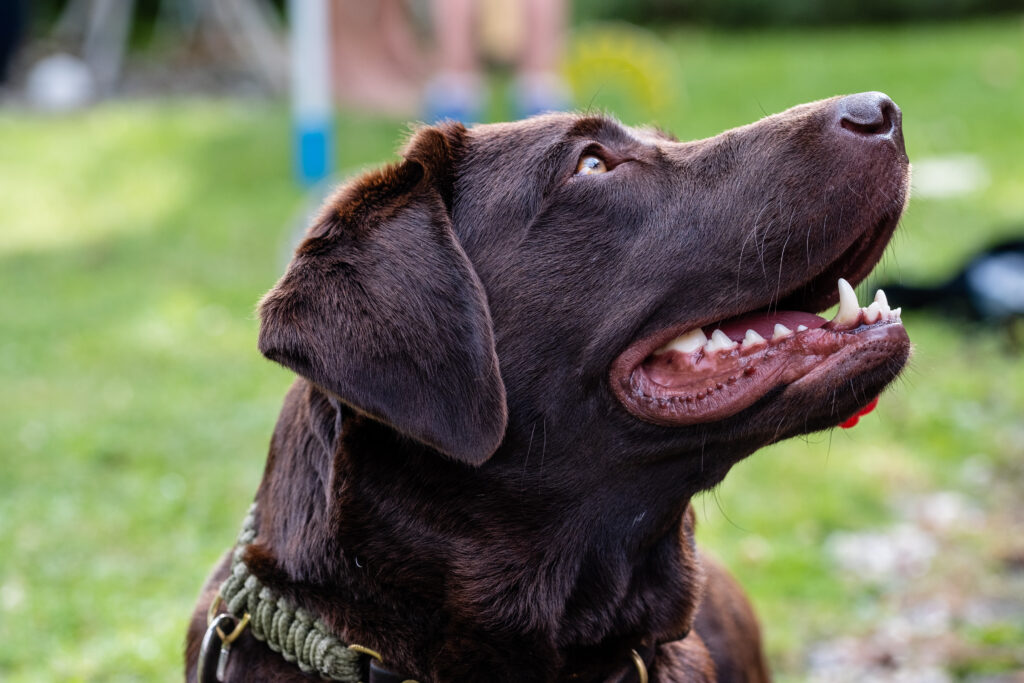
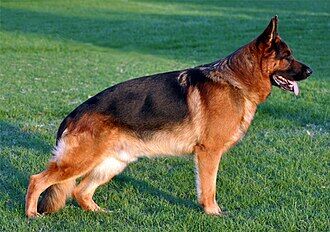
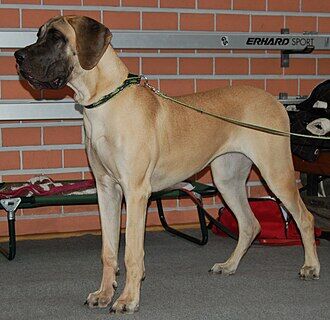
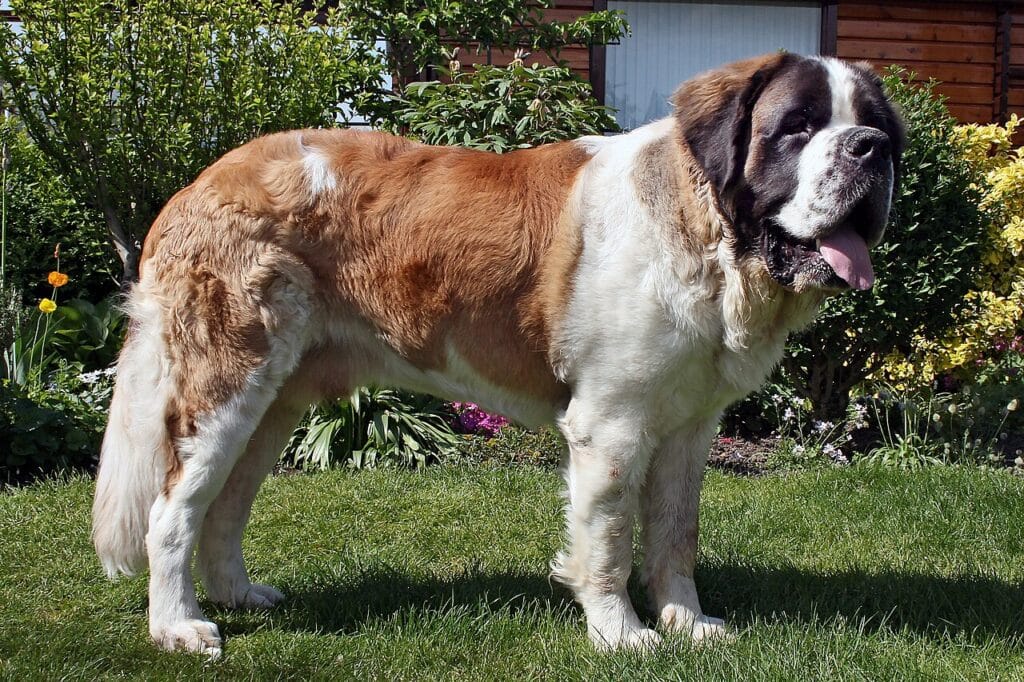
If your puppy is of a large or giant breed – a Labrador Retriever, a Pastor Alemán, a Gran Danés or a San Bernardo– choose a specific feed for puppies of large breeds. These formulas control the caloric density and, above all, the calcium level, because an excess of energy or calcium during growth accelerates the development of more bone and increases the risk of orthopedic problems such as hip dysplasia. For the same reason, never add calcium supplements on your own: With good growth food, they’re leftover.
How many times a day should a puppy eat?
The general rule in puppy feeding is simple: the smaller you are, the more you take. Its stomach is tiny and its energy demand is enormous, so it needs to divide the food into several meals a day. This is the guideline handled by veterinarians and organizations like the American Kennel Club:
| Age of the puppy | Takes the day off | Notes |
|---|---|---|
| 6 to 12 weeks | 4 | Puppy thought; can be softened with warm water |
| 3-6 months | 3 | She’s losing her baby belly. |
| 6 to 12 months | 2 | Keep the puppy food until it matures to its size |
| Adult | 2 | Most adult dogs eat in two takes. |
An important nuance: toy and mini races, such as the Chihuahua or Yorkshire Terrier, may need 4 to 6 servings daily during their first three months of life. Their energy reserves are minimal and skipping meals can cause hypoglycemia (sugar spikes) which in such a small puppy are dangerous. If your toy puppy is apathetic, shaky or uncoordinated, go to the vet.
Give at fixed hours meals and in a quiet place. The routine not only facilitates digestion: it also helps you with education (you will know when it is time to go to the toilet, about 10-20 minutes after eating) and prevents food mania. Remove the feeder after 15-20 minutes, whether you have finished it or not.
How much to give: rations and body condition
Here comes the million dollar question, and the honest answer is there is no universal number in grams.. The quantity depends on the age, current weight, estimated adult weight, activity level and caloric density of each feed, which varies greatly between brands.
The method recommended by veterinarians is “look at the dog, not the plate”.
- Start with the manufacturer’s chart for your puppy’s estimated age and adult weight, and divide that amount between the day’s doses.
- Weigh it every 1-2 weeks. A puppy should gain weight steadily, without abrupt fat spikes. Your vet can use growth curves to check that it’s going down the right percentile.
- Assess his physical condition: you should be able to feel your ribs easily without seeing them marked, and you should be able to see your waist from above.
- Ajusta: if you become too soft and no waist is noticeable, reduce the ration by about 10%; if you are very thin or obviously hungry, increase it gradually.
Two warnings to take note of. First: a chubby puppy is not a healthy puppy.. Overweight in growth overloads forming joints and predisposes to adult obesity. Second: training treats and rewards should not exceed 10% of daily calories; if you train a lot, discount those rewards from your ration or use some of your own feed as a reward.
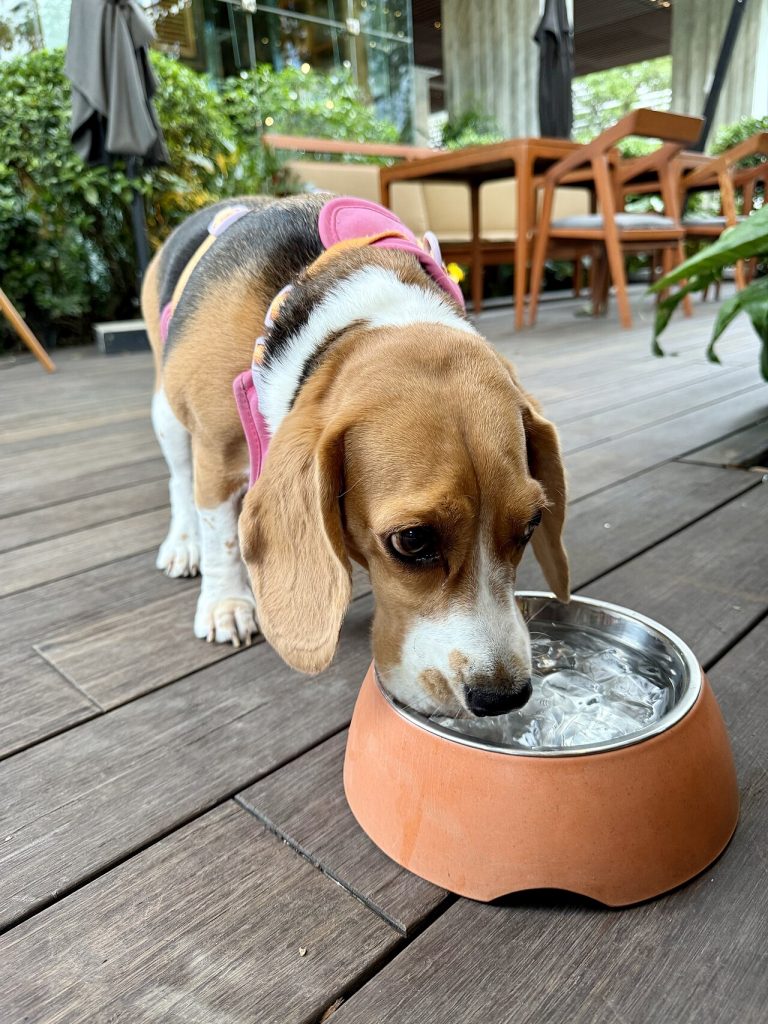
And always, at any age, clean and fresh water available, with the drinking trough washed daily.
When to switch to adult feed
Puppy food is not left at a fixed age, but when the dog reaches its structural maturity, and that depends on the size of the breed:
- Small breeds(Chihuahua, Yorkshire, Pomerania): mature earlier; usually pass into adult feed between 7 and 10 months.
- Medium sized breeds(e.g. a Beagle): around 12 months.
- Large breeds(Labrador, German Shepherd): between 12 and 18 months.
- Giant breeds(Great Danish, St. Bernards): may not complete development until 18-24 months.
When the time comes, make the gradually over 7-14 days transition: It starts by mixing 90 percent of the old feed with 10 percent of the new feed and reverses the ratio day by day. If soft stools, vomiting or loss of appetite appear, slow the rate of change; and if it does not return to normal within 24-48 hours, consult your veterinarian. The same method applies to any change of feed, including between brands of puppy feed.
Prohibited food for puppies
No matter what face you put on, there are human foods that are directly toxic to dogs, and a puppy, given its size, is even more vulnerable to small doses:
- Chocolate and cocoa: contain theobromine, toxic to the dog; the purer the chocolate, the more dangerous.
- Grapes and raisins: can cause kidney failure even in small amounts.
- Onions, garlic and leeks: damages red blood cells and can cause anemia.
- Xilitol: is a sweetener found in gum, candy and some peanut creams; it causes severe hypoglycaemia and liver damage.
- Alcohol and caffeine: toxic even in minute quantities.
- Cooked bones: splinters and can puncture or clog the digestive tract.
- Rest of the table in general: even though they’re not toxic, they disrupt your diet, promote overweight and teach you to beg.
If you suspect that your puppy has eaten something on this list, call your veterinarian or a veterinary emergency phone as soon as possible – with toxics, time matters.
Common Mistakes in Puppy Feeding
- Leave food available all day(feeding ad libitum): makes it difficult to control how much you eat, promotes overweight and complicates learning routines.
- Give him adult food “because he’s grown up already”: until complete growth needs a growth formula; and vice versa, lengthening puppy food beyond the bill favors overweight.
- Supplement with calcium or vitamins without veterinary indication: is especially dangerous in large breeds; a complete feed already carries everything needed.
- Changing my mind all of a sudden: is the most common cause of preventable diarrhoea; gradual transition always.
- Going over the prizes: remembers the 10% daily calorie rule.
- Give him cow’s milk: many puppies maldigest lactose after weaning and end up with diarrhea.
- Interpret every groan as hunger: puppies ask for boredom, attention, or habit; if their weight and body condition are good, they don’t need any more food.
- Intense exercise right after eating: allows for a period of calm after meals, especially in large, deep-chested breeds associated with an increased risk of stomach torsion.
A final tip that is worth more than all the others: lean on your vet.. Vaccination reviews in the first few months are the perfect time to review weight, ration and food type, and to adapt the regimen to your particular puppy, which is unique.
Frequently Asked Questions
How many times a day should a two-month-old puppy eat?
At 2 months the usual is 4 servings per day of specific food for puppies. In toy and mini breeds may be necessary up to 5-6 servings to avoid sugar drops. Towards 3-6 months it goes to 3 servings, and from 6 months, to 2.
How much food do I feed my puppy?
There is no one-size-fits-all: part of the portion table on the packaging of your feed according to estimated adult age and weight, divide the amount between daily intakes and adjust it by monitoring your weight and body condition (palpable but not visible ribs, marked waist).
When do you go from puppy food to adult food?
It depends on the size of the breed: the small ones usually change between 7 and 10 months, the medium ones around 12, the big ones between 12 and 18, and the giants may need growth feed until 18-24 months.
Can I get you some homemade food or leftovers?
Table scraps do not: they unbalance the diet, promote overweight and some human foods (chocolate, grapes, onion, xylitol) are toxic.
Is it normal for my puppy to leave food on the plate?
It may indicate that the ration is too large or that it is time to reduce the number of intakes. If you maintain your energy, gain weight normally and your stools are correct, adjust the amount. If you are also apathetic, vomiting or have diarrhoea, consult your veterinarian.
What do I do if my puppy has diarrhea after changing feed?
Slow the transition: go back to a larger proportion of the previous feed and move more slowly, in changes of 10% daily or less. Make sure he drinks water. If diarrhea does not improve in 24-48 hours, there is blood, vomiting or decay, go to the vet; puppies dehydrate quickly.