How to clean your dog’s ears (and prevent otitis)
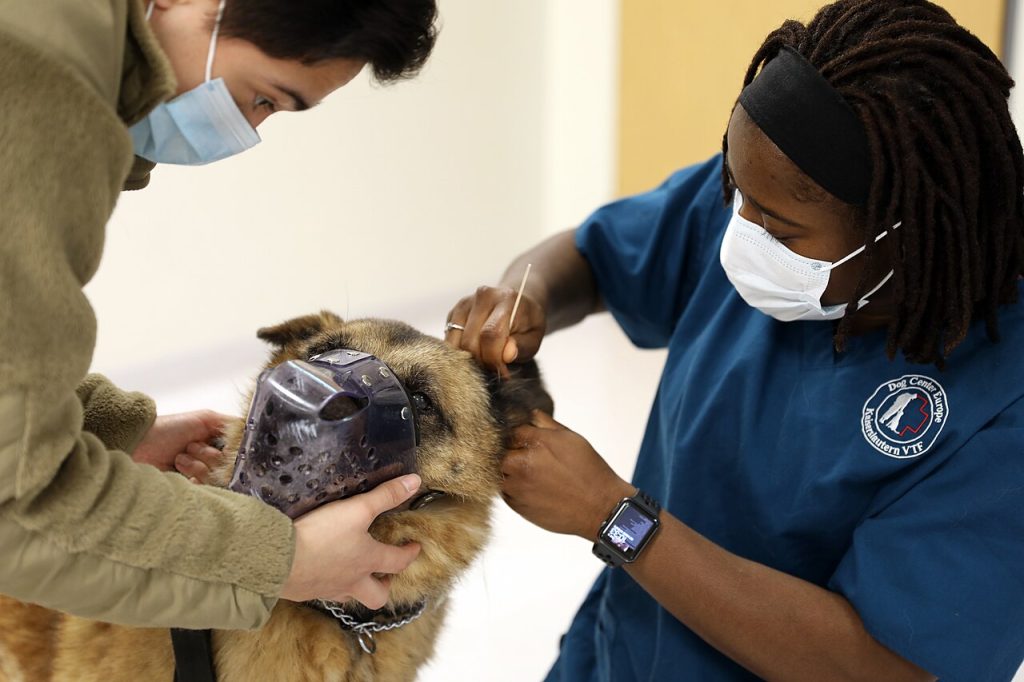
If you’ve ever seen your dog shake his head nonstop or scratch his ear against the couch, you know something’s going on in there. Cleaning your dog’s ears correctly is one of those routines that makes the difference between a comfortable dog and one that ends up at the vet with painful otitis. The good news: It takes five minutes, doesn’t require expensive equipment, and once you get the hang of it, your dog will tolerate it without drama. In this guide, we tell you step-by-step how to do it, what products to use, how much to use and what mistakes to avoid, following recommendations from veterinary sources such as Cornell University, VCA Animal Hospitals and the Merck Veterinary Manual.
Why it’s important to clean your dog’s ears
A dog’s ear is not like ours. His ear canal is shaped like L: First it goes down vertically and then it turns horizontally towards the eardrum. This design protects the inner ear very well, but it also turns the ear canal into a trap where wax, moisture, hair, and dirt accumulate. Add to that poor ventilation (especially in dogs with droopy ears), and you have the ideal scenario for yeast and bacteria, which live naturally on the skin, to multiply uncontrollably.
That overgrowth is what we know as external otitis, inflammation of the external ear canal and one of the most common reasons for veterinary consultation in dogs. According to the Merck Veterinary Manual, behind many otitis are primary factors such as allergies (food or environmental), parasites such as mites, foreign bodies (the dreaded summer spikes) or excess moisture after baths and dips.
Regular, well-done cleaning allows you to do three things: remove excess wax before it ferments the problem, keep the canal dry and ventilated, and – perhaps most valuable – check your ears frequently to detect an infection when it is still mild and easy to treat.
Every once in a while you have to clean your dog’s ears.
Here’s the answer that surprises a lot of people: not all dogs need regular cleaning. Excessive heat is counterproductive, because excessive cleaning irritates the canal and alters its natural balance, favoring just the infections you want to avoid.
- Dog with healthy and clean ears: only when you see wax or visible dirt. it can be once a month or even less. if when looking inside the skin is pink and it doesn’t smell, don’t touch anything.
- Prone dogs (dropped ears, allergies, previous otitis): a maintenance cleaning every 1-2 weeks, always as directed by your veterinarian.
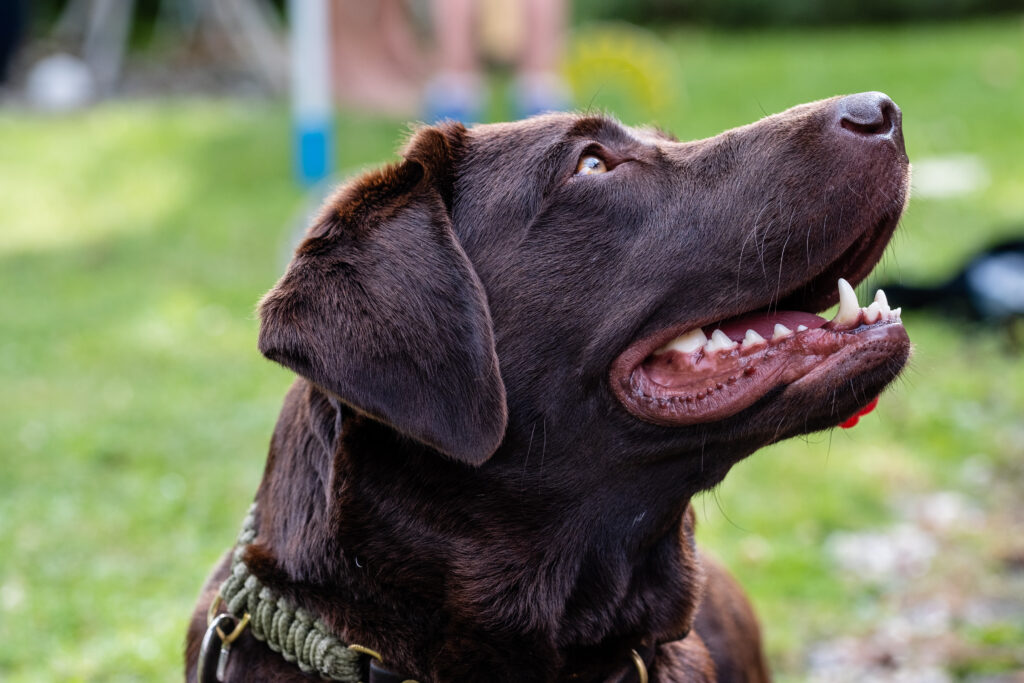
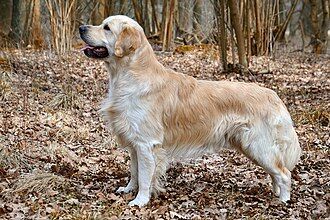
- Moisture retained in the ear canal is one of the major triggers of otitis, especially in swimming dogs such as Labrador Retriever or Golden Retriever.
- During treatment of otitis: your vet can schedule daily cleanings for you at first, which are spaced out as you get better.
A good habit is check your ears once a week(look and smell, not clean) and act only when necessary. Make that review part of your caressing routine and your dog won’t even bother.
What you need (and what you should never use)
The list of materials is short and cheap:
- For the purposes of this Regulation, the following definitions shall apply: a specific solution for dogs, for sale in clinics and specialty stores. There are formulations for wax dissolving, other dryers for swimmers and others for maintenance. If your dog has a history of otitis, ask your veterinarian to recommend the most suitable one.
- Woven fabrics of cotton, containing predominantly, but < 85% cotton by weight, mixed principally or solely with man-made fibres and weighing > 200 g/m2: to remove dirt that the solution drags out.
- One towel: because your dog will shake his head and the cleaner will fly out.
- Associating cleanliness with something rich turns a fight into paperwork.
And now the important thing, what i never you should use:
- Woven fabrics of cotton, containing predominantly, but < 85% cotton by weight, mixed principally or solely with man-made fibres and weighing > 200 g/m2: pushes the wax down the ear canal, can injure it and even pierce the eardrum.
- Hydrogenated water and alcohol: the main veterinary sources (Cornell, VCA, AKC) advise against both. They irritate the canal tissue, peel a lot if there’s inflammation and dry out the skin.
- Water alone: doesn’t clean the wax well (it’s greasy) and leaves moisture inside.
- The ear canal is delicate tissue, and if the eardrum is damaged, any inadequate fluid can reach the middle ear and cause serious damage.
How to clean ears step by step
This is the protocol recommended by VCA Veterinary Hospitals and Cornell Veterinary School, and with practice, it won’t take you more than five minutes per ear:
- Choose a quiet time. After the walk, with the dog relaxed, keep the prizes handy and let him smell the cleaner before we start.
- Lift up your ear and examine. Hold the pavilion (the flexible part) up to straighten the canal and look inside: the skin should be pink, without bad smell or dark secretion.
- Fill the channel with the cleaner. Apply the solution until it fills the ear canal, without fear: the excess will come out when shaken.
- Massage the base of the ear for about 30 seconds. You’ll notice (and hear) a splash: it’s the liquid peeling the wax off the bottom.
- The shaking is part of the process: it expels the cleaner out with the dirt dissolved.
- Wrap it around your finger and clean the pavilion and the entrance of the canal, just as far as your finger can reach without forcing.(approximately a phalanx).
- Prize, party and a for the other ear. always ends on a positive note, so next time your dog will come instead of hiding.
If your dog doesn’t tolerate you filling his groin directly, there’s a plan B that Cornell accepts: soak a cotton ball well with the cleanser and squeeze it into the groin entrance while massaging. It’s shallower, but much better than nothing.
Signs of otitis: when to go to the vet
Cleaning is maintenance, not treatment. If your dog already has an infection, cleaning him at home without a diagnosis can make the condition worse (and if the eardrum is punctured, some products are contraindicated).
- Frequent shaking of the head or tilted head.
- Persistent scratching of one or both ears.
- It stinks.(yeast, sweet or putrid) coming out of the ear.
- Dark brown, yellowish or blackish discharge.
- Redness, swelling or thickening of the skin in the canal.
- Pain when touching the ear, or a dog who suddenly won’t let you touch his head.
- Scab, scratch wounds or hair loss around the ear.
Otitis doesn’t usually heal on its own. The longer it is chronic, the thicker and narrower the canal, the more difficult the treatment and the more likely the relapse. Detecting it in the first week is the difference between a few drops over a few days and months of struggle. And if the ear infections recur over and over again, insist that your veterinarian look for the underlying cause: In many cases there is a allergy(environmental or food) behind it.
Breeds at higher risk of otitis
Any dog can get otitis, but anatomy dictates. Fallen, heavy ears clog the canal and reduce ventilation; abundant hair inside the canal retains wax and moisture; and narrow canals drain worse.
| Breed | Risk factor | What to watch out for |
|---|---|---|
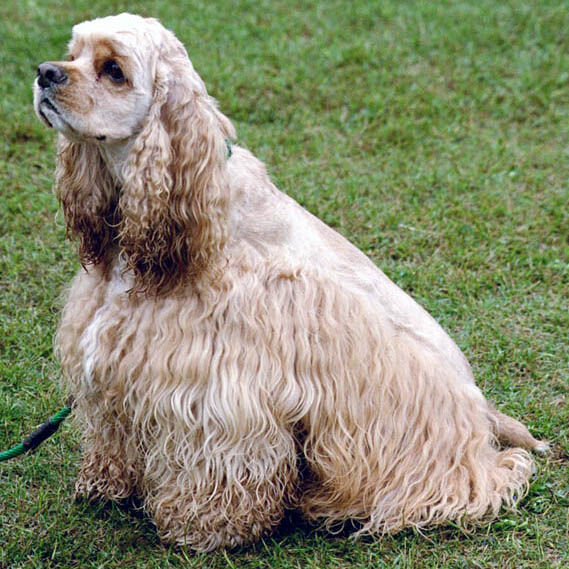
| Cocker Spaniel | Long, droopy, hairy ears; classic predisposition to chronic otitis | Weekly check and thorough drying after bathing |
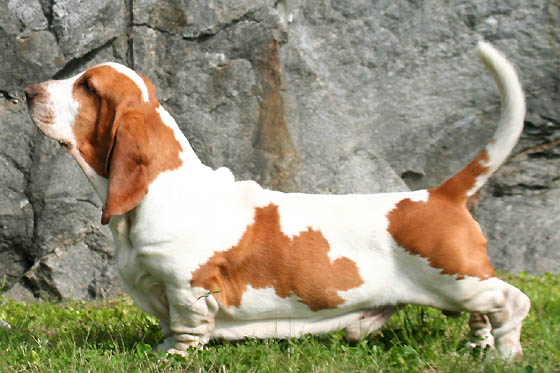
| Basset Hound | Huge ears that seal the canal and drag dirt from the ground | Ventilate the ears and clean the inside of the pavilion |
| Labrador Retriever | Enthusiastic swimmer: frequent humidity in the channel | Cleaning with drying solution after each water bath |
| Caniche (Poodle) | Hair growing inside the ear canal | Ask the vet or hairdresser for advice on how to handle that hair |
| Shar Pei | Particularly narrow ear canals | Any symptoms go to the vet soon: they get clogged up fast. |
At the opposite extreme, dogs with upright, well-ventilated ears, such as the Pastor Alemán, tend to have fewer problems – which doesn’t mean zero problems: allergies and mites don’t understand anatomy.
Common Mistakes to Avoid
- Use chopsticks “carefully”. There’s no such thing as a safe stick inside a dog’s duct.
- Cleaning too often. A healthy ear canal is self-regulating. Cleaning ears clean “just in case” every other day irritates the skin and opens the door to infections.
- Oxygenated water, alcohol, vinegar… the pH and sensitivity of the canine ear are not ours.
- Scratch the cleaner. Throwing three drops doesn’t work: the liquid has to reach the bottom of the channel (remember the L shape) to dissolve the wax.
- Cleaning up an ear infection instead of treating it. If there’s an odor, pain or abundant secretion, the cleanser won’t fix it. You need a diagnosis: it’s not the same as a yeast infection or a bacterial or a mite.
- Forcing the dog into the rough. Holding a scared dog by force only guarantees that the next time will be worse. Go little by little, short sessions, rewards, and if you can’t, ask your vet to teach you in consultation.
- Forget about the ears in the summer. Season of baths, heat, humidity and ears. If your dog runs in the field, check ears (and legs) after each walk.
Frequently Asked Questions
How often do I have to clean my dog’s ears?
It depends on the dog. Whether their ears are healthy and clean, only when you see wax or dirt (sometimes once a month or less). Dogs prone to otitis, drooping ears or allergies may need cleaning every 1-2 weeks, and swimmers, after every bath. Over-cleaning irritates the canal, so if in doubt, ask your veterinarian.
Can I use hydrogen peroxide or alcohol to clean my dog’s ears?
The main veterinary sources (Cornell, VCA, AKC) advise against both products: they irritate the ear canal tissue, peel off if there is inflammation and dry out the skin.
Can you use cotton swabs?
Inside the ear canal, never. They push wax and dirt to the bottom and can damage the ear canal or perforate the eardrum. To remove dirt, use cotton pads or gauze wrapped in the finger, only as far as the finger reaches without forcing.
How do I know if my dog has otitis?
Typical signs are shaking of the head, persistent scratching, bad smell in the ear, dark or yellowish discharge, redness and pain when touching the ear.
What do I do if my dog won’t let me clean his ears?
It goes in phases: first reward to let the ears touch, then tolerate the bottle close, then a brief cleaning. Short sessions and always with prizes. Alternatively, soak a cotton disc with cleaner and apply it to the entrance of the canal. If there is severe pain or fear, ask your veterinarian for help: there may be otitis behind.
Do you have to remove the hair that grows inside the ear?
In breeds with a lot of hair in the canal, such as the Poodle, some veterinarians recommend trimming or shaving it if it retains wax and moisture, but doing it routinely and aggressively can inflame the canal.