Displasia de cadera en perros: síntomas, razas propensas y tratamiento
Your dog may struggle to get up in the morning, leap up the stairs with both hind legs at once, or he may not jump on the couch with the energy he used to. Before blaming it solely on age, we should rule out one of the most common causes of lameness in dogs: the hypoplasia of the hip. hip dysplasia in dogs in dogs varies widely, but understanding what it is, which breeds suffer the most from it, and what can be done makes the difference between an animal with chronic pain and one that lives a quality life. Here’s a practical, smoke-free guide, with verified data from veterinary sources.
What is hip dysplasia
The hip is a ball-and-cavity joint: the head of the femur (the ball) fits into the acetabulum of the pelvis (the cavity). In a dog with dysplasia, those two pieces do not fit or develop properly, so instead of sliding smoothly they rub and hit. This joint looseness (what veterinarians call laxity) wears away the cartilage over time and leads to arthrosis, pain and loss of mobility.
It’s a development problem: It starts as the puppy grows and usually manifests in two stages. In young dogs (from 4-6 months of age) for joint instability, and in adults and the elderly for osteoarthritis that has been building up. There’s no definitive cure because there’s an underlying hereditary component, but that doesn’t mean there’s nothing you can do. On the contrary, the earlier it is detected, the better it is controlled.
Symptoms – How to detect it early
Signs vary depending on age and severity, and many owners confuse them with “old stuff” or with idleness.
- Difficulty getting up after rest, especially in the morning or after sleep.
- The “rabbit jump” march(bunny hopping): moves both hind legs at once when running or climbing stairs.
- Cojera intermittent or continuous on the rear train, with no hit.
- I refuse to jump, I refuse to run, I refuse to get in the car, I refuse to go to bed, I refuse to climb stairs.
- Swinging hips when walking and sitting “sideways”, with one leg out.
- Loss of muscle mass in the thighs and, at the same time, more developed shoulders (because the dog carries the weight on the front train to compensate).
- Stiffness, audible snaps in the joint and less desire to play or walk.
If your dog is of a high-risk breed or you notice two or more of these signs, do not wait for it to “go away”.
Prone breeds and why
Dysplasia mainly affects big and giant. breeds, because their weight and rapid growth subject the hip to more stress during development.
Based on Orthopedic Foundation for Animals (OFA) screening data in the United States, these are some indicative prevalence figures by race:
| Breed | Approximate prevalence (OFA) |
|---|---|
| The Bulldog | ~74 % |
| Pug (Pug) | ~60-63 % |
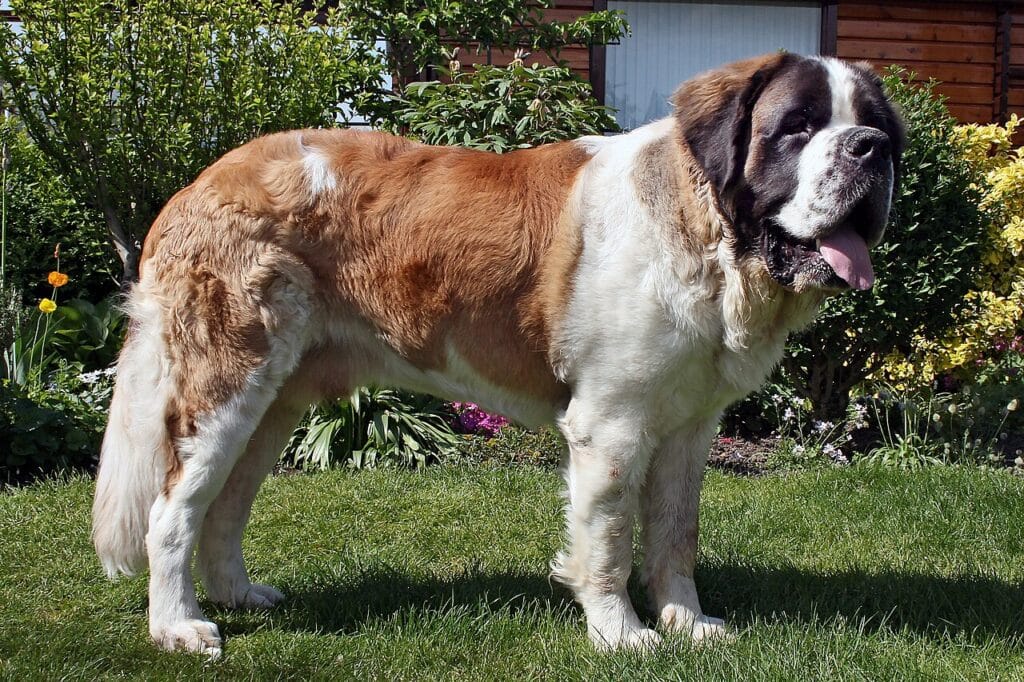
| St. Bernard | ~47 % |
| Bloodhound | ~26 % |
| Newfoundland and Labrador | ~22 % |
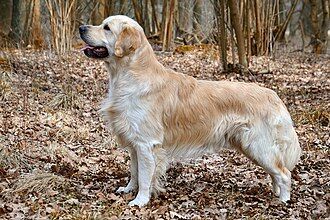
| The Golden Retriever | ~20-21 % |
| The Rottweiler | ~21 % |
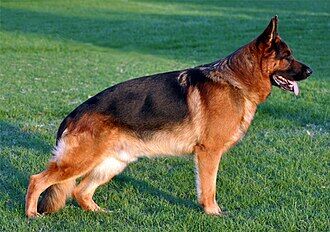
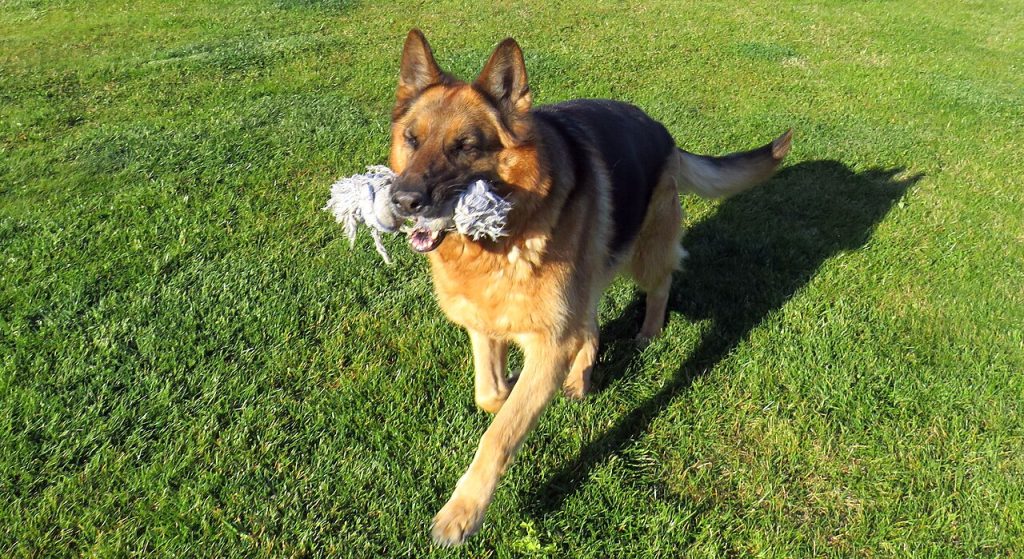
| German Shepherd | ~19 % |
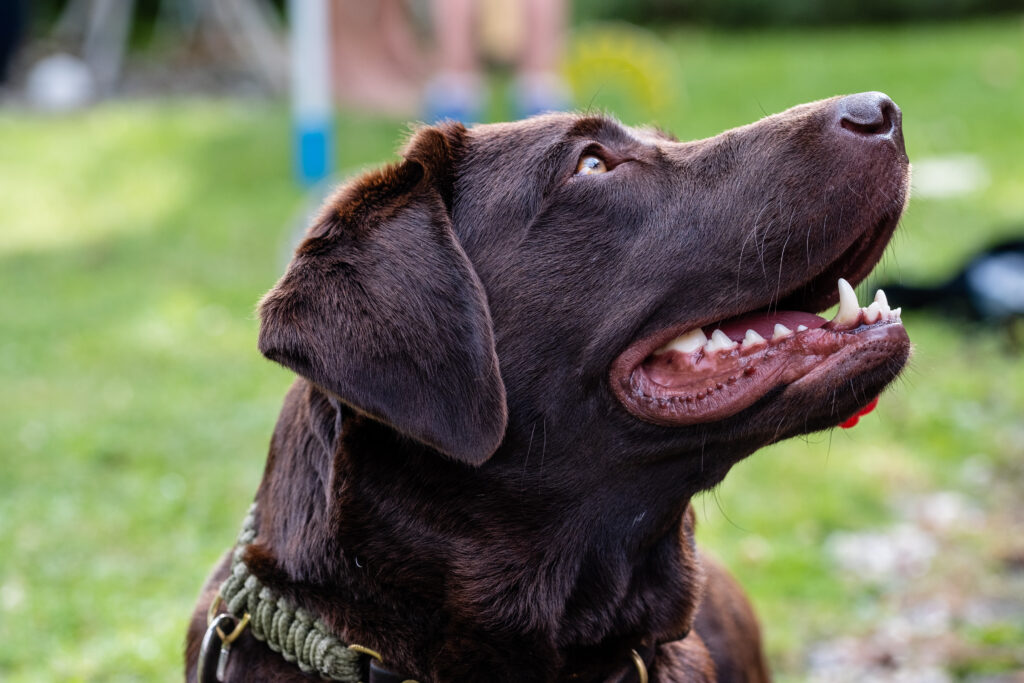
| Labrador retriever | ~13 % |
Among the most vigilant breeds are the Pastor Alemán, Labrador Retriever and Golden Retriever, three of the most popular dogs in the world. Also classics of risk are the giant breeds such as the San Bernardo, Terranova and Rottweiler, in addition to the Boyer of Bern. And watch out for the myth that “small dogs get away”: the Pug and Bulldog top the statistics for their conformation.
Importante: these percentages come from dogs that their owners volunteered to take to X-ray screening, so the actual figure in the general population may be different.
Causes and risk factors
Dysplasia is multifactorial: it doesn’t depend on one thing.
- Genética. is the main factor. A dog with dysplastic parents has a much higher risk, which is why responsible breeders X-ray the breeders.
- Growing too fast. Overfeeding a large-breed puppy or feeding him hypercaloric food accelerates growth and stresses immature joints.
- Overweight and obesity. Excess weight multiplies the load on the hip. There is a proven correlation between body mass index and dysplasia prevalence.
- Inadequate exercise in the puppy. Repeated jumps, stairs, or strenuous runs on slippery ground during growth may promote joint laxity.
- Unbalanced nutrition. An excess of calcium or poor nutrient balance in the growth phase also plays a role.
The optimistic reading: genetics don’t control it, but weight, diet and exercise yes. And those three weigh heavily on how the disease evolves.
Diagnosis by a veterinarian
The diagnosis combines physical examination and imaging tests:
- It’s a clinical exam. The veterinarian manipulates the hips to detect pain, reduced range of motion and laxity (e.g. with Ortolani maneuver).
- Radiografías. are the definitive test to confirm dysplasia and assess its severity and degree of osteoarthritis.
- Standardised screening methods. There are protocols such as OFA and PennHIP, the latter capable of measuring joint laxity from 4 months and very useful for breeders.
If you have a puppy of a high-risk breed, ask your veterinarian at what age preventive screening should be done. Early detection opens the door to surgeries that are only feasible on young dogs.
Treatment: Real options
There is no cure that will “fix” the hip forever, but there is a range of treatments that target relieve pain, slow osteoarthritis and restore mobility. They are divided into two large blocks.
Conservative treatment (without surgery)
It is the first choice in mild to moderate cases, and the lifelong pillar in many dogs. The number one point is weight control: it is by far the most effective and cheapest measure.
- Weight control. Keeping the dog thin drastically reduces the load on the joint.
- Proper and low-impact exercise. Regular walks, swimming and hydrotherapy maintain muscularity without punishing the hip.
- Antiinflamatorios (AINE). Drugs such as carprofen or galliprant control pain and inflammation. Always under veterinary prescription: never give ibuprofen or human paracetamol, they are toxic to the dog.
- Physical therapy and rehab. Water tape, therapeutic laser, massage and regulated exercises.
- Chondroprotectors and supplements. Glucosamine, chondroitin sulfate, and omega-3s may aid joint health.
Surgical treatment
The technique depends mainly on the age and size of the dog:
- Juvenile pubic symphysis (JPS) is characterized by: preventive surgery in puppies less than 18-20 weeks of age.
- In the case of a pelvic osteotomy (DPO/TPO): reorients the pelvis to improve lace; indicated in young dogs (under 10 months) who do not yet have osteoarthritis.
- Ostectomy of the femoral head (FHO): removes the head from the femur and forms a “false joint”. Good choice in small dogs or less than 20-25 kg.
- Total hip replacement (THR): is the most effective technique. It replaces the entire joint with implants and returns almost normal function in adult dogs. It is the most expensive (can range from $1,500 to $7,000 per hip depending on the case and country).
With good medical and/or surgical management, most dogs with they lead normal, happy lives. dysplasia.
An honest note about the controversies: the actual effectiveness of some joint supplements is debated in the scientific literature (studies give disparate results), and not all surgeries are suitable for all dogs.
Prevention and actionable advice
You can’t change your dog’s genes, but you can reduce the risk and slow down the disease.
- Choose a responsible breeder. If you buy a large breed puppy, it requires that the parents have official hip x-rays (OFA, PennHIP or equivalent certification).
- Don’t overfeed the puppy. uses a specific feed for large breed puppies and respects quantities: growing slowly protects the joints.
- You should be able to feel his ribs without squeezing.
- Take care of the exercise during growth. Avoids repeated jumps, excessive stairs, and long runs in puppies; prioritizes walks and moderate play.
- Put some non-slip surfaces on it. at home (carpets, mats) if sliding on smooth floors.
- Periodic veterinary checks, especially in at-risk breeds, to detect any signs soon.
Common Mistakes to Avoid
- Self-medicating with human drugs. Ibuprofen, acetaminophen, or aspirin can poison or kill your dog.
- Confusing dysplasia with old age and not acting. The earlier it is diagnosed, the more options there are (including surgeries that only work in young dogs).
- Let him get fat “because it hurts to move”. is a vicious circle: more weight, more pain, less movement. Breaking it with diet and gentle exercise is key.
- Absolute and permanent rest. Total immobility atrophies the muscles that support the hip. You need controlled exercise, not zero exercise.
- Rely only on supplements. They can help, but they are not a substitute for weight control, proper exercise or veterinary treatment.
- Raising a dysplastic dog. Perpetuates the problem in offspring; breeders must be certified.
Frequently Asked Questions
At what age does hip dysplasia appear in dogs?
It can start to show symptoms very early, even from 4-6 months in cases of marked joint laxity. In many dogs, however, it manifests itself later in the form of osteoarthritis, when the animal is already an adult or older.
Is there a cure for hip dysplasia?
There is no definitive cure because the genetic and developmental component is not reversed, but it is very well controlled: with weight management, proper exercise, medication and, in cases where it is needed, surgery (including total hip replacement, which returns almost normal function).
Can I prevent dysplasia if my dog is a high-risk breed?
But you can greatly reduce the risk and its severity by choosing a breeder who takes X-rays of the parents, preventing the puppy from growing too fast, keeping it at its ideal weight, and taking care of the type of exercise during growth.
What races have more hip dysplasia?
Especially large and giant breeds such as the German Shepherd, Labrador, Golden Retriever, St. Bernard, Newfoundland, Rottweiler or Bernese Boyer.
Can I give my dog ibuprofen or acetaminophen for pain?
No. Human anti-inflammatories and painkillers such as ibuprofen, paracetamol or aspirin are toxic to dogs and can cause ulcers, kidney or liver failure and even death.
Are glucosamine and chondroprotectors any good?
They can help with joint health and many veterinarians recommend them as support, but their effectiveness is debated in the scientific literature and studies give mixed results.