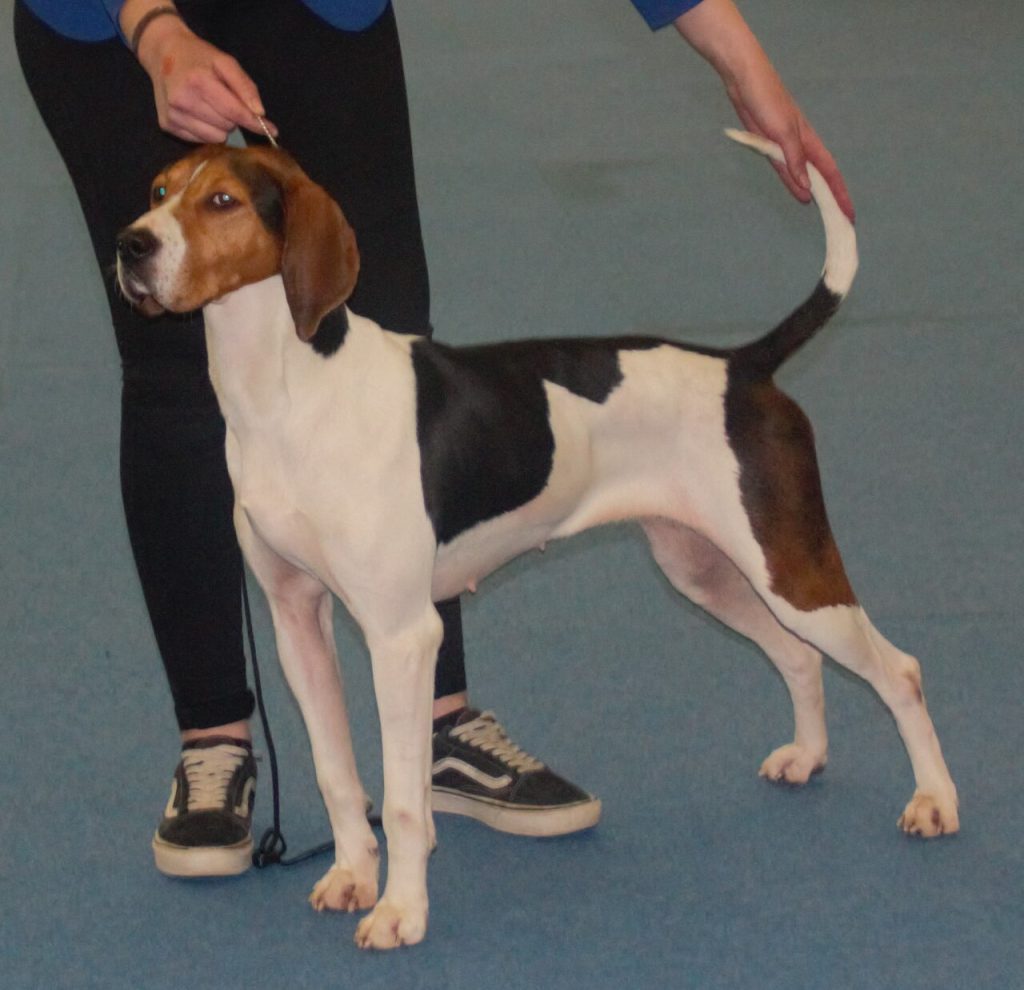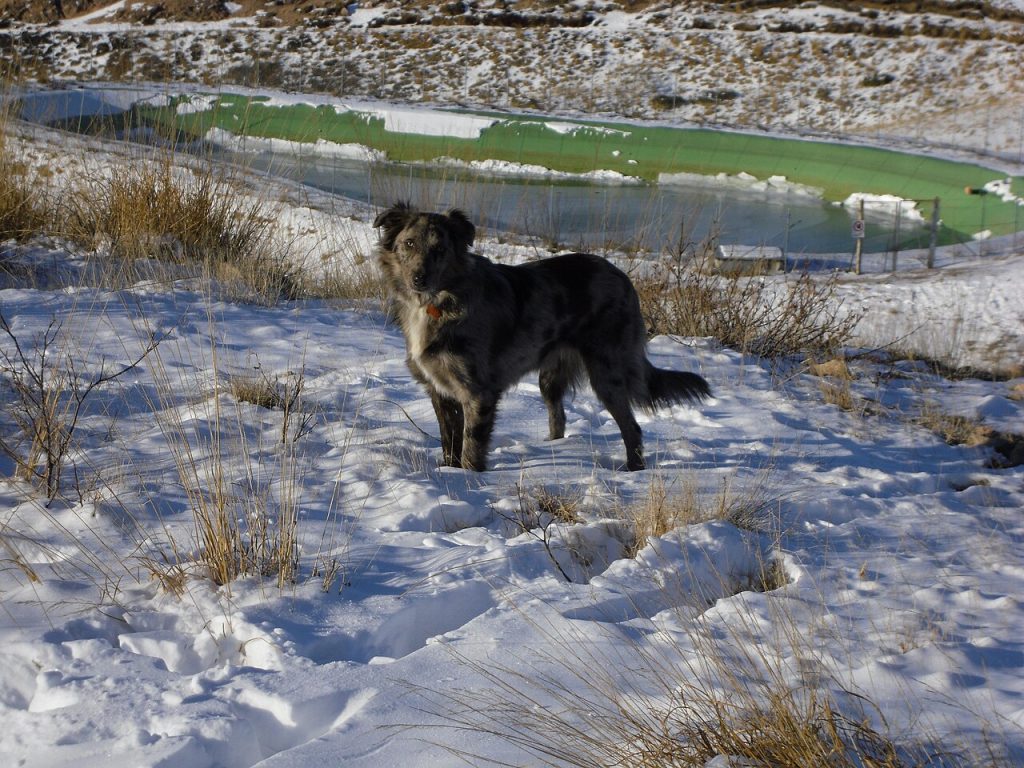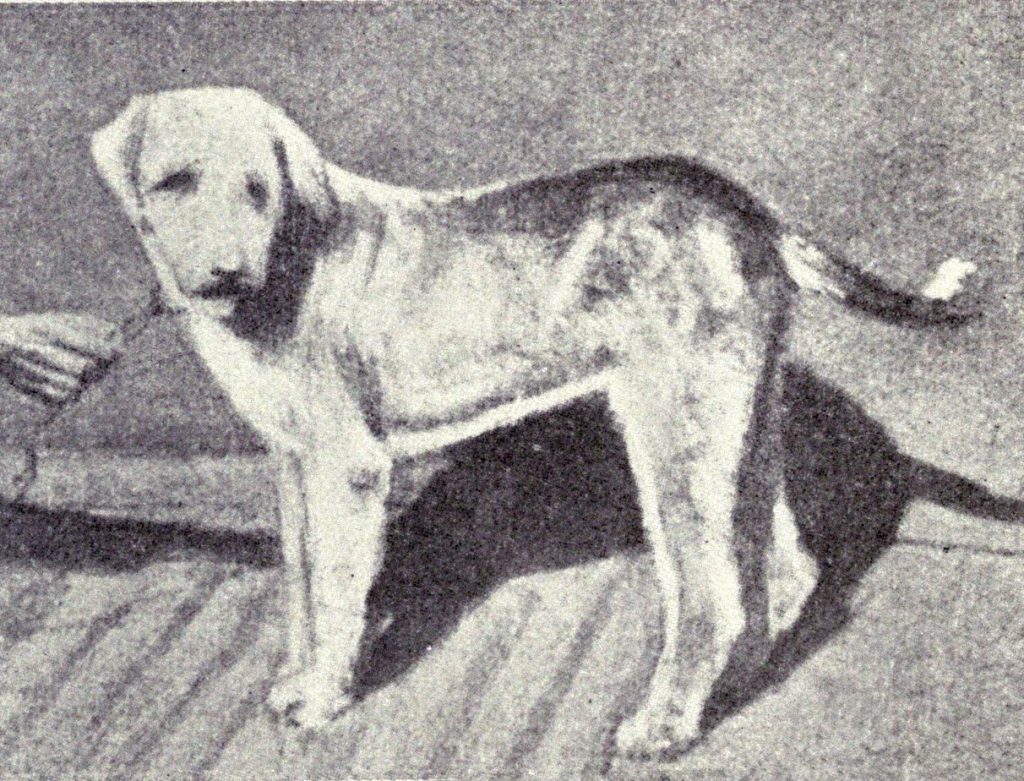
The Banjara Hound is a hare native to India, bred for centuries by the nomadic Banjara people of Maharashtra to hunt races. Sturdy, fast and of extraordinary endurance, it resembles a large, rough-haired saluki: He’s a field dog, vigilant and territorial, who doesn’t fit in with just anyone. If you’re looking for an athletic, loyal, guard-like companion – and you can give him real exercise and patient handling – the Banjara Hound is a fascinating breed and little known outside its native land.
Is the Banjara Hound for you?
The Banjara Hound is a traditional hunting hare, not a saloon dog. Before you consider one, be honest about what it offers and what it requires. He ‘s a very temperamental animal . affectionate and quiet at home, but with a strong prey instinct and a marked protective vein that demands an experienced owner, space and time. It’s not the ideal breed for anyone looking for a first dog that’s easy to train.
In favour .
- Born athlete: speed, agility and legendary stamina.
- Watchful and protective, excellent alarm dog.
- Quiet and affectionate indoors with his family.
- Easy-to-maintain coat, no major hairdressing requirements.
- Rustic and robust, adapted to warm climates.
- Smart and very attached to his owner.
Against
- Very high prey instinct: danger with cats and small animals.
- Territorial and reserved with strangers; needs early socialization.
- Difficult to train; learns slowly and with repetition.
- He needs a lot of exercise and space; he suffers in a small apartment.
- Not recommended for first-time owners.
- Rare breed: hardly exists outside India and there is little information.
Character and temperament
The Banjara Hound combines two souls. At work he is an intense, fast and determined hunter, capable of chasing and taking down pieces as large as a deer. At home, however, he is usually serene, reserved, and very close to his family, with that silent elegance typical of hares. It is an intelligent and sensitive dog, which reads its owner well and creates deep bonds, although it is rarely effusive or “sticky”.
Where his character is most apparent is in his vigilance. The Banjara Hound is territorial and protective: He defends his space and his own, and is naturally suspicious of strangers. This makes it an excellent alarm dog, but it also requires careful socialization from puppyhood so that such distrust does not lead to reactivity. Its prey instinct is very strong – it was selected precisely to hunt – so anything that runs can trigger its pursuit.
It is not a dog of “easy obedience”. It learns, but at its own pace, and needs reasons to collaborate. Treated with respect, patience and consistency, it surrenders; forced or punished, it closes. Understanding this independence, so common in primitive hares, is the key to living well with it.
Coexistence: children, other pets, flat and loneliness
With children. Within its family, the Banjara Hound can be a quiet dog, but its reserved character and size call for caution with the smaller ones. It is not a breed that seeks childish noise, and it is advisable to always supervise meetings and teach children to respect their space and rest.
With other pets. This is its greatest weakness. Its powerful prey instinct makes it unreliable with cats, rabbits and small animals, which it tends to chase. It can coexist with other dogs, especially if bred with them, but its territorial nature demands gradual introductions and good handling. It is not the breed for a home full of small pets.
Flat and lonely. is not an apartment dog. It needs space and, above all, plenty of daily exercise; a well-fenced garden is almost essential, because its ability to jump and run is remarkable. As a good hare, once its activity is covered it can rest for long hours, but it does not tolerate isolation or prolonged boredom well: An unoccupied Banjara Hound becomes restless and may develop escape behaviors or excessive vigilance.

Education and training
The Banjara Hound does not stand out for being easy to train, and it is advisable to assume it from the beginning. She’s smart, but also independent: It needs time and repetition to assimilate commands and rarely works for the simple sake of pleasing, as a shepherd or a retriever would. This does not mean that he is “clumsy”; he simply thinks for himself, a direct inheritance of his work as a self-employed hunter in the countryside.
The best strategy is positive reinforcement, with short sessions, high-value rewards and a lot of consistency. Punishment is counterproductive: a sensitive, territorial hare responds to harsh treatment by closing in or becoming suspicious. Educational priorities should be the early socialization(people, noises, environments and other dogs) to soften their reserve with strangers, and a serious work of calling and self-control, given their very high prey instinct. Still, it’s safe to assume that a sighthound’s call will never be 100% reliable if there’s prey in sight: Nozzle and belt in unfenced areas are common sense measures.
Exercise and activity
If there is one thing that defines the Banjara Hound it is its athletic ability. It was bred to run for hours over open terrain and to chase fast pieces, so it needs an amount of exercise well above average. It is not satisfied with walks: it asks for runs, gallop and the opportunity to stretch its legs at full speed in a safe and enclosed space.
Ideally, combine daily long walks with free-running sessions in fenced-in enclosures, where you can reach the speeds for which you are designed. Disciplines like lure coursing(bait chase) fit perfectly with his instinct and give him a mental and physical outlet. A Banjara Hound that gets enough exercise is a quiet companion at home; one that doesn’t accumulates frustration. Of course, his tendency to chase anything that moves forces him to be selective about where and when to let go.
Care: fur and hygiene
The Banjara Hound’s coat is short to semi-long and rough or rustic in texture – historical sources describe it as dense, sticky to the body and soft to the touch without becoming silky – which translates into little care: a weekly brushing is enough to remove the dead hair and keep it clean, with some extra brushing on the moles.
It is not a hypoallergenic breed and has a medium level of moult and body odor, so it is not entirely “maintenance-free”, but it is far from the demands of a long-haired dog. The rest of the hygiene is the usual routine of any dog: Bathing only when necessary, checking and cleaning ears, cutting nails and regular dental hygiene. Because of its origin, it tolerates heat better than cold, so in cold climates it is advisable to protect it and keep an eye on it during winter walks.
Foodstuffs
As a large and very active hare, the Banjara Hound needs a complete and quality diet, adjusted to its actual energy expenditure, which can be elevated in working dogs or highly exercised.
As this is a deep-chested dog, it is prudent to take precautions against the gastric dilation-torsion: Avoid strenuous exercise just before and after eating and do not allow it to swallow large amounts of food. Keep your weight in check to keep you lean – excess weight hurts your joints and your performance – and always ensure fresh water, especially after activity and in hot climates. Ideally, the amounts should be adjusted according to age, exercise level and body condition, with the advice of the veterinarian.
Health and life expectancy
The Banjara Hound is a rustic and hardy dog, the result of centuries of natural and functional selection rather than exposure breeding.
There is no specific extensive veterinary literature on the breed, due to its rarity and lack of official recognition, so specific lists of hereditary diseases without data should not be attributed to it. If the logical precautions of a large, deep-chested hare apply: monitoring of gastric torsion, joint care while maintaining proper weight and the typical sensitivity of sighthounds to certain anaesthetics, something the veterinarian should take into account. Regular checkups, vaccination, deworming, and good dental hygiene complete the foundation for a long and healthy life.
Physical appearance
The Banjara Hound is a large hare, often described as a larger-sized saluki with rougher coat.[1] Males circle the 71 cm to the cross. and weigh between 27 and 31 kg, while females are slightly lighter, around the 23 to 27 kg.[2] Its silhouette is that of a runner: moderately long body, stylized lines, and lean musculature built for speed and endurance.
Classical descriptions detail a long, flat head, well-filled in front of the eyes, with a strong jaw; small eyes with a very vivid and intense gaze, the color of which harmonizes with that of the mantle; and fine ears that fall glued to the cheeks. The trunk leans towards a low insertion tail that is carried with an elegant upward curve. The coat is dense and sticky, rough but not hard, and supports a wide variety of colors: brindle, cream, black, brown, white, combinations of brown and white and even merle patterns. The ensemble conveys strength, balance and a clear vocation as a fast hunter.
Origin and history
The Banjara Hound – also called Banjari or Vanjari Hound – owes its name to the banjara people, a nomadic community of central and western India traditionally engaged in freight transportation and itinerant trade, especially in the Maharashtra region. These groups raised their own hunting dogs for generations, hares capable of providing meat on their travels and guarding the camp.
It is therefore an indigenous breed or landrace: It was not designed in a modern breeding program, but shaped by its function and its environment. Their dogs had to be fast enough to hunt antelopes, deer, and hares in the open, hardy enough to withstand hot weather and long marches, and territorial enough to guard. Already in 1915, the Dogs of all Nations work of W. E. Mason described it as an indigenous dog from northern India, “hard as steel”, well built and gifted with remarkable speed, confirming its age and reputation as a hunter.
The Banjara Hound is not recognised by the FCI is not recognized by the major international canine clubs, and is still very rare outside of its native India. Functionally it belongs to the family of hares or sighthounds– dogs that hunt by sight, such as the greyhound or saluki – which in the FCI nomenclature are grouped in Group 10.
Curiosities
- He is compared to a saluki of large size and rough hair, and is famous for his stamina and ability to knock down pieces as large as a deer.
- Its name comes directly from the banjara people, nomadic traders who have roamed India for centuries.
- It appears already documented in canine books from more than a century ago, such as Dogs of all Nations(1915).
- It is a warm-weather dog: it prefers temperate to hot temperatures and bears the cold worse.
- Its guarding instinct makes it an effective alarm dog as well as a hunter.
- Despite its millenary history, it remains virtually unknown to international canine science.
If you are attracted to the Banjara Hound because of its athletic and hunting hare profile, you may be interested in other related breeds that you will find easily. Among the classic sighthounds stand out the Greyhound and the Whippet, both specialists in sight racing. Vizsla Pointer
Frequently Asked Questions about the Banjara Hound
Is the Banjara Hound a good dog for beginners?
It is not the best choice for first-time owners. Its very high prey instinct, its territorial character and its difficulty in training require experience, patience and consistent handling.
How much exercise does a Banjara Hound need?
It is a harpy with enormous stamina, so it needs long walks daily and, above all, opportunities to run at full speed in fenced and safe spaces.
Do you get along with cats and other small animals?
Its powerful prey instinct makes it unreliable with cats, rabbits, and other small pets, which it tends to chase.
How long does a Banjara Hound live?
Its life expectancy is about 12 to 14 years, a very good figure for a dog of its size.
Is it hard to train?
Yes, it takes time and patience. It’s intelligent but independent, and it learns by repetition. It responds to positive reinforcement with short sessions and valuable rewards, while punishment is counterproductive with such a sensitive dog.
Can he live in a flat?
He needs space and plenty of exercise, and a well-fenced garden is practically essential. Once his activity is covered, he can rest at home, but the apartment is too small for his energy level.
Is it recognized by the FCI?
The Banjara Hound is an indigenous Indian breed not recognized by the FCI or by major international clubs.
Where did the Banjara Hound come from?
From India, where it has been bred for centuries by the Banjara, a nomadic people of traders and transporters in the Maharashtra region.