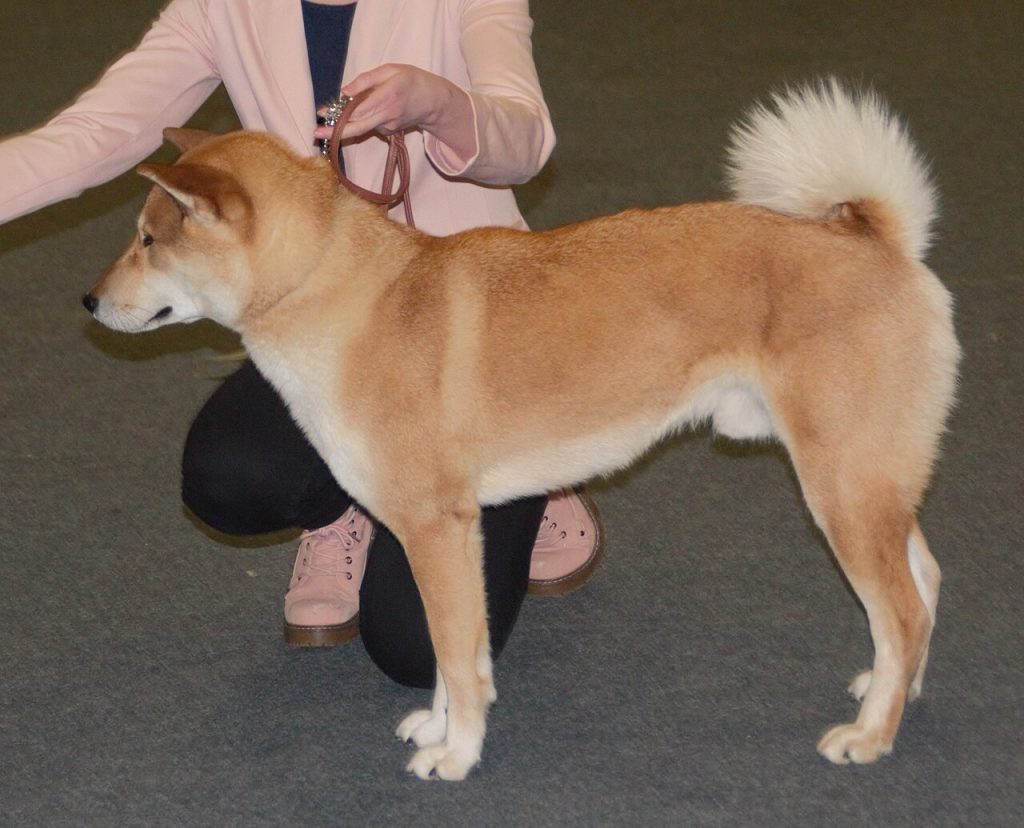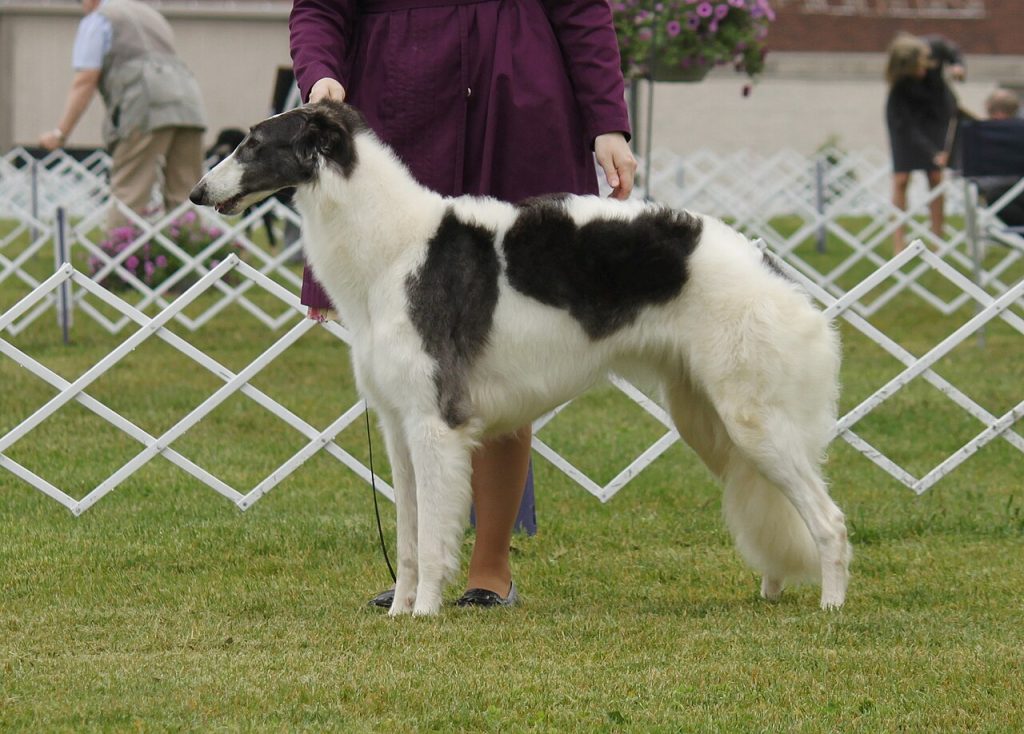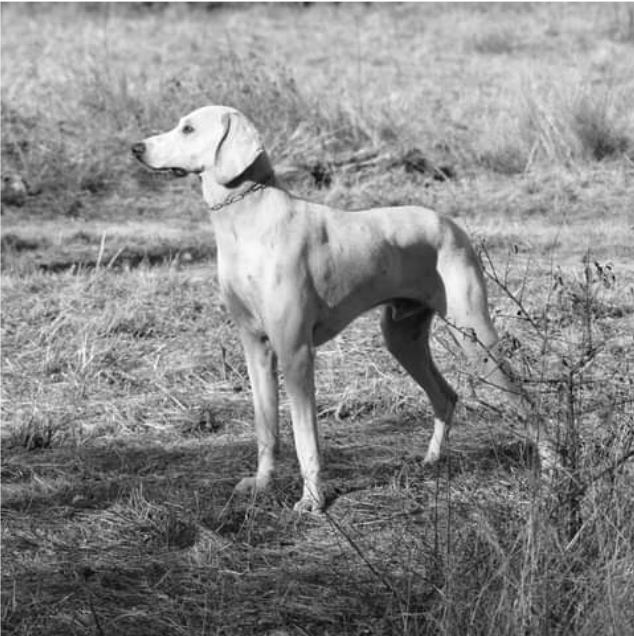
The Billy is a large French sighthound, bred in the Poitou region for pack hunting of deer and wild boar. Elegant, light-skinned and with a powerful voice, it is a breed as showy as it is rare: It was on the brink of extinction and today survives in a few packs. If you’re attracted to a hardy hunting dog, sociable with other dogs and with an extraordinary sense of smell, this is the complete portrait of Billy.
Is Billy for you?
The Billy is not a dog for everyone. It was born to work in the field and retains intact all the demands of a large-sized hunting dog: almost inexhaustible energy, very marked tracking instinct and a clear need for space and companionship. Before falling in love with its image, it is advisable to look honestly if it fits into your life.
In favour .
- Very sociable with other dogs: it was bred to live in packs.
- A balanced, cheerful and unaggressive character.
- Huge physical endurance; ideal companion for active and outdoors people.
- Exceptional sense of smell and great hunting instinct.
- Short coat, very easy to maintain.
Against
- He needs plenty of daily exercise; he suffers from flatulence and sedentary lifestyles.
- Strong voice: howling and barking, especially if bored or following a trail.
- Independent and guided by smell; the so-called slope.
- High hunting instinct: eye on cats and small animals.
- Very rare breed, hard to find outside France.
Character and temperament
The Billy is, first and foremost, a pack dog, and that defines much of its personality. It is a sociable, cheerful and balanced dog, accustomed for generations to coexist with dozens of companions and to collaborate with the hunter.
It is, at the same time, an animal of marked character and remarkable independence. Like almost all hounds, it works by following its nose and, when it catches a trace, concentrates to the point of disconnecting from what is happening around it. It is not a submissive or clingy dog; it respects and appreciates its guide, but always retains a certain autonomy of decision that should be understood and respected.
This combination of sociability and determined temperament makes it an endearing companion for those who understand its canine nature, and a frustrating dog for those who expect immediate obedience from a shepherd.
Coexistence: children, other pets, flat and loneliness
Billy usually behaves wonderfully with children: he is patient, playful and not picky. The only real precaution is his size and his energy, because in the middle of a run a 40-kilogram dog can accidentally knock down a small one. Supervising the games and teaching him to moderate his momentum is enough to make the relationship great.
The story changes with cats and small animals: their hunting instinct is strong and can lead them to chase everything that moves. If you are going to share a home with a cat, the ideal is that it grows with it from a puppy and, even so, maintaining some vigilance.
The floor, on the other hand, is not their habitat. This is a field dog that needs meters, runs, and stimulation; locked in a small space it gets bored, gains weight, and unleashes its frustration with howling or wrecking. Prolonged loneliness is not good either: Accustomed to the constant company of the pack, he suffers if he spends many hours in isolation. A house with a fenced-in lot and a family present is by far his best scenario.
Education and training
Training a Billy requires patience and a good understanding of the canine mindset. It is not a particularly difficult dog or capriciously stubborn, but it is independent: its brain is wired to track and make decisions on its own, not to wait for orders. That is why it responds much better to positive reinforcement – rewards, play, kind voice – than to methods based on imposition.

Early socialization is essential. The sooner you get to know people, noises, other animals and different environments, the more balanced and confident you will be as an adult. Work sessions should be short, varied and motivating, avoiding the repetition that bores such an intelligent and olfactory dog.
The big challenge is the call. When a Billy hits a trail, the rest of the world disappears, so remote obedience and reliable return take a long time and are never 100% guaranteed. The wise thing to do is to work the call from a puppy with very valuable reinforcements and, in unsafe areas, not rely on letting go unchecked. Channeling your sense of smell through crawling and searching games is also the best way to keep a tired and happy mind.
Exercise and activity
Here’s the critical point of the breed: the Billy was selected to gallop smoothly and maintain the effort for whole days of hunting, so his exercise needs are very high.
Ideally, give him long walks, space to run about freely and, above all, opportunities to use his nose: walks in the countryside, tracking games, object-hunting or canine sports that combine smell and physical effort.
It is, in short, the perfect dog for truly active people – hunters, hikers, field runners – and a poor choice for those looking for a quiet couch companion.
Care: fur and hygiene
In the maintenance section, the Billy is grateful. His hair is short, smooth and somewhat rough to the touch, which translates into minimal care: a weekly brushing is enough to remove the dead hair and keep the mantle clean and shiny. He does not need a hairdresser or frequent baths; washing it occasionally, or when it gets really dirty after a field day, is enough.
Yes, you should pay attention to the ears, which are long and drooped like most hounds. This makes it easier for moisture and dirt to accumulate, so check and clean them regularly to prevent infection, especially if the dog is working in weeds or bathing in rivers. Cutting nails, dental hygiene, and checking pads after exercising on rough terrain complete the routine.
Foodstuffs
As a large, active and athletic dog, the Billy needs a quality food well adjusted to its energy expenditure. In times of high activity or hunting, its requirements rise significantly, while in periods of rest it is advisable to moderate the ration to avoid overweight, which would punish its joints.
It is advisable to divide food into two daily servings instead of one, a particularly prudent practice in large, deep-chested dogs to reduce the risk of digestive problems. It is also wise to avoid strenuous exercise just before and after eating. As always, the amount and type of diet should be adapted to the age, weight and activity level of each animal, ideally with the advice of the veterinarian.
Health and life expectancy
The Billy is a rustic and functional dog, the result of a selection focused on work rather than aesthetics, which in general plays in favor of its health.
Its long, dangling ears are its most sensitive point: require frequent check-ups to prevent otitis. Because of its size and deep chest, it is wise to watch for the risk of gastric torsion – hence the recommendation to divide meals – and to care for the joints of such an athletic dog. Life expectancy is not officially documented for the breed, but, by analogy with hounds of its size, is usually around 10 to 12 years. Regular veterinary checkups, vaccination, deworming and weight control are the best recipe for a long and healthy life.
Physical appearance

The Billy is a large, harmonious and distinguished-looking hound, built for running. The males measure between 60 and 70 centimeters at the withers and the females between 58 and 62, with a weight ranging approximately between 33 and 47 kilograms.
Its most characteristic feature is the color. Unlike other tricolor French hounds, the Billy wears a light coat: pure white, broken white or grayish white, occasionally dotted with orange spots or a lemon-yellow tinge on the head and body. The hair is short, smooth and somewhat rough. The head is dry and well proportioned, with rather high, slender, dangling insertion ears, and a docile and attentive expression. The set draws a dog with clean lines, athletic and elegant, unmistakable within the French hunting landscape.
Origin and history
The story of the Billy is that of a breed created by the passion of a man and rescued after the very brink of extinction. It was developed in the 19th century by Gaston Hublot de Rivault in the Poitou region of western France, and owes its name to the family castle, the Château de Billy, where the breeder had his pack.
To shape his ideal dog, De Rivault used the three ancient Poitevin breeds – Montemboeuf, Ceris, and Larrye – and skillfully combined them. While the current Poitevin mostly inherited the tricolor aspect of the Larrye line, De Rivault was attracted to the lighter tones of the Montemboeuf and Ceris lines, and color was a decisive factor when selecting its reproducers. The breed standard was set in 1885.
The 20th century almost wiped out Billy. The original pack dispersed in 1927 and the breed was on the brink of extinction; in fact, only two specimens survived World War II. It was Anthony, son of the original breeder, who undertook the difficult task of recovering it, judiciously resorting to the Poitevin, the Porcelaine and the Harrier to rebuild the population. The Billy is also among the founding breeds that gave rise to the Grand Anglo-Français Blanc et Orange. Today it is still a rare breed, present in a few herds that use it to hunt deer and wild boar.
Curiosities
- The name of the breed does not come from any famous dog, but from the Château of Billy, the estate of its creator in Poitou.
- After World War II, the breed was hanging on by a thread: only two copies survived, and they are the descendants of today’s Billy.
- It is one of the light-colored French hounds, a rarity compared to most Gallic hunting breeds, predominantly tricolors.
- He participated in the creation of another race, the French wine, white and orange.
- The standard insists that the Billy owes gallop easily: elegance in movement is the breed’s hallmark.
If you’re interested in the Billy, you’ll probably enjoy meeting other dogs and hunting dogs with a friendly temperament and great sense of smell. Check out the Bloodhound, the quintessential tracker; the unmistakable Basset Hound; the popular and sociable Beagle; and, among the show dogs, the elastic and sporty Pointer.
Frequently Asked Questions About the Billy
Is Billy a good dog to live on?
The Billy is a large-sized pack dog, bred to run and hunt for hours in the countryside. It needs plenty of space, intense daily exercise and, if possible, a house with fenced terrain. In a small flat and without enough activity it gets bored, gains weight and can become noisy or destructive.
Does Billy get along with the kids?
By nature, it is a sociable and balanced dog, used to living in groups, so it usually tolerates children well. Of course, it is a large and very energetic animal that in the middle of a race can pull or push a small child unintentionally, so it is advisable to supervise the game and teach the dog to moderate.
How much exercise does a Billy need a day?
We’re talking about an active hunting dog that was selected to gallop freely. It needs at least one or two long walks a day, with space to run and sniff, plus mental stimulation. Without a real outlet, it’s hardly going to be quiet at home.
Does Billy bark or howl a lot?
As a good hound, it has a powerful voice and tends to express itself with deep howling and barking, especially when following a trail or being left alone.
Is it hard to train?
It is not a silly dog, but it is independent and very guided by smell, a heritage of centuries of hunting in packs.It responds well to positive reinforcement and short and motivating sessions, although it is advisable to be patient with the call: when it catches an interesting trail it can disconnect from the guide.
Is the Billy a rare breed?
Yes, it is one of the rarest French dog breeds. It was on the brink of extinction in the 20th century and today survives in a few hunting packs, mainly in France. Outside that hunting environment it is very rare to see it as a companion dog, and getting a puppy usually requires contact with specialized French breeders.
How tall and how much does a Billy weigh?
It is a large hound. The males measure between 60 and 70 cm at the withers and the females between 58 and 62 cm. The weight is around 33 to 47 kg depending on the sex and physical condition of the animal.
Do you get along with other dogs and pets?
With other dogs it usually gets along very well: it was bred to live and work in packs, so canine sociability carries it in the blood. With cats and small animals you have to be careful, because its strong hunting instinct can lead you to chase them; coexistence is easier if you grow up with them from a puppy.