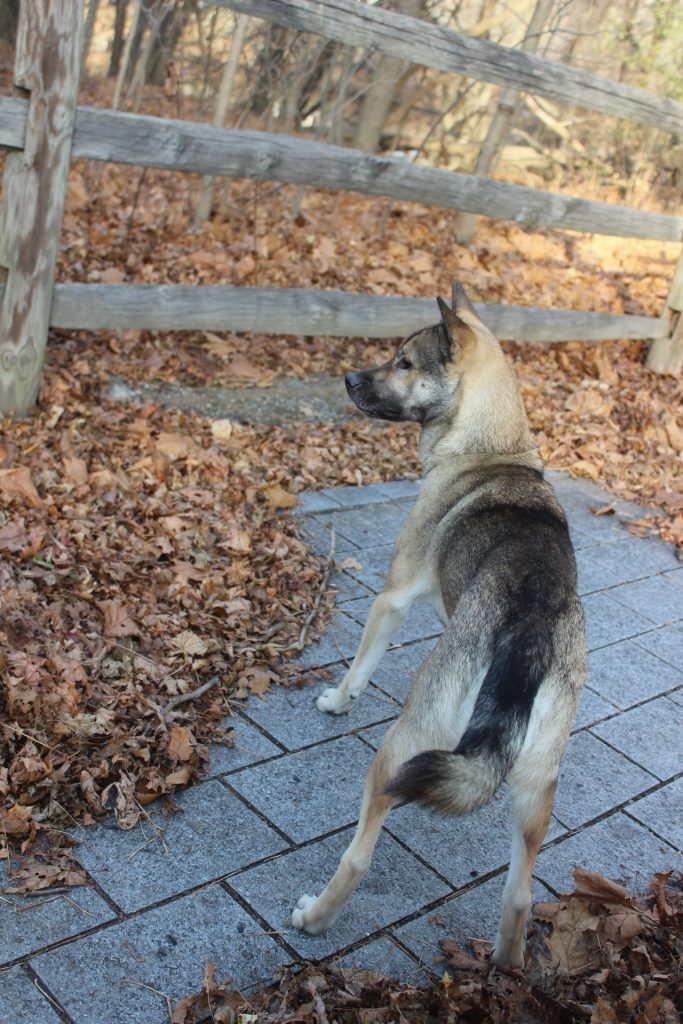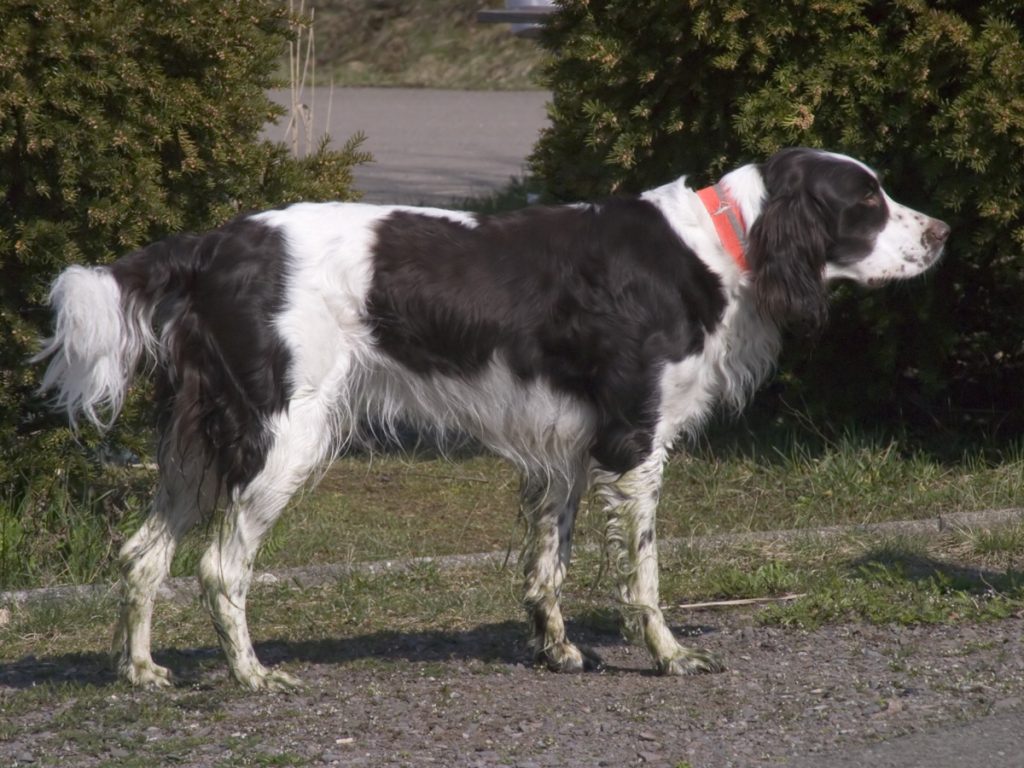
The Spaniel Francés(French: spanish French) is one of the oldest and most elegant show dogs in France: a multi-purpose hunter with a white coat with brown spots, athletic body and a sweet and sociable character. It was on the brink of extinction a century ago, and today it is a loyal companion for anyone looking for a sporty, balanced, family-oriented dog. In this comprehensive guide you will find everything you need to know about the French Spaniel: their character, their care, their education, their health and their history.
Is the French Spaniel for you?
The French Spaniel is a wonderful dog, but it doesn’t fit into any home. Before you fall in love with its amber look, be honest about what it asks in return: above all, movement and companionship. This summary helps you decide at a glance.
Points in favour
- Friendly, balanced and very sociable.
- He is firmly attached to his family and faithful.
- Very smart and easy to train.
- Robust breed, with few health problems.
- Excellent for hunting, canine sport and scent work.
- Good with children and usually gets along well with other dogs.
To be taken into account
- He needs a lot of daily, intense exercise.
- He doesn’t like prolonged loneliness.
- It’s a big dog: better with home and outdoors.
- Hair with freckles requires regular brushing.
- Rare breed: breeders are hard to find.
- Their hunting instinct calls for control and education.
Character and temperament

If anything defines the French Spaniel it is its friendly character. It is a dog with an open, balanced and patient personality, without a trace of natural aggressiveness. It was bred for centuries to work side by side with the hunter, and that heritage is noticeable: it is a dog that do you want collaborate, attentive to what makes its reference person and happy to have a task.
The French Spaniel forms an especially strong bond with its owner. It is not an independent or distant dog; on the contrary, it enjoys human company and is involved in family life. That dedication is its greatest virtue and, at the same time, its delicate point: a French Spaniel who spends too many hours alone or without stimulation becomes frustrated. It is a dog for whom he wants close, not to leave in the garden.
Its high level of energy and endurance is accompanied by remarkable emotional stability, well exercised and well accompanied, at home it is calm, affectionate and not nervous, it is this combination of sporting dog and gentle companion that has made this breed a favorite of hunters and families alike.
Coexistence: children, other pets, flat and loneliness
With children: the patient and balanced temperament of the French Spaniel makes it a good companion for the little ones. It is tolerant and playful, and its medium to large size makes it resistant to children’s behavior. As with any dog, it is advisable to teach children to respect it.
With other pets: is sociable and non-conflict-prone, and usually gets along well with other dogs.
On the floor: is possible, but it’s not his ideal environment. It’s a large, very active dog that performs best in a house with access to the outdoors. If he lives on the floor, he needs to go out several times a day for real exercise, not just short walks.
In the face of loneliness: here is its weak point. Because of its strong attachment, it is bad to be alone for many hours. If you work outside all day without anyone to accompany you, it is not the most suitable breed, unless you can organize day nurseries, walkers or company.
Education and training
Training a French Spaniel is a delight. It is an intelligent dog and deeply eager to please, which translates into a quick learner and a great willingness to collaborate. It responds wonderfully to the positive reinforcement: prizes, play, cheerful voice and short and varied sessions.
It is advisable to start early with socialization and basic obedience, taking advantage of its ease of learning. The call (“here”) deserves special attention, because its hunting instinct can lead it to throw itself after a trail or a piece. A well-educated French Spaniel responds well off the leash, but getting there requires work and perseverance.
It is a breed that appreciates having a task: work of smell, collection, agility, obedience or, of course, the hunting for which it was created.
Exercise and activity

This is the part where the French Spaniel doesn’t support shortcuts. It’s a hunting dog with a high level of endurance, bred to spend hours in the field, and it needs vigorous exercise every day. It’s not enough just to take a quiet walk around the block.
Ideally, you should combine several types of activity: long walks, running, swimming (he loves the water and tolerates moisture very well), search and collect games, and olfactory exercises that stimulate his mind.
A French Spaniel who is given free rein to his energy is a balanced and calm dog at home. One who is short of activity gets bored, gets fat and may develop annoying behaviors. Exercise is not optional in this breed: it is the heart of its well-being.
Care: fur and hygiene
The coat of the French Spaniel is medium-length and dense, with long fringes on the ears, the back of the legs and tail, and a slight undulation on the chest.
A brushed two or three times a week keeps the hair clean and untangled. Being a field dog, it is advisable to check it after outings to remove grains, mud or vegetable remains. long hairy ears deserve special attention: they must be checked and dried well, because their fallen shape favors moisture and infections, especially if they swim often.
The rest of the routine is the usual: bathing only when necessary to avoid skin drying, periodic nail trimming, dental checks and cleanings, and control of external parasites, important in a dog that spends time in the field.
Foodstuffs
As a large, athletic and active dog, the French Spaniel needs a complete and balanced diet, adjusted to its high energy expenditure.
The amount should be adapted to their age, weight and, above all, to their level of activity: a dog that hunts or does a lot of sport spends much more than a sedentary one.
For large, deep-chested dogs, it is wise to avoid strenuous exercise just before and after eating.
Health and life expectancy
The French Spaniel is a notably robust and healthy breed, with few health problems, something unusual and much to be thankful for.
The most specific condition described in the breed is a rare disorder called acral mutilation syndrome and analgesia. It is a recently recognized dermatological and neurological problem, whose symptoms appear between three and a half months and one year of life: affected dogs lick, bite and self-mutilate limbs due to loss of pain sensitivity. It is rare, but it is good to know about it and always go to responsible breeders who select healthy lines.
With the usual care (veterinary checks, vaccination, deworming, good nutrition and exercise), most specimens enjoy a long life.
Physical appearance
The French Spaniel is one of the two tallest spaniels that exists, larger even than the English Springer Spaniel. The males measure between 56 and 61 cm at the cross and the females about an inch less, with a weight ranging from 20 to 27 kg.
The head has characteristic eyes dark amber features that give its expression a sweet and intelligent air. The tail is thick and tapered towards the tip. The hair is medium-length and dense, with long fringes on the ears, hind legs and tail, smooth over the body and somewhat wavy on the chest.
Historically the breed was white with black markings, but during the 19th century it was crossed with other colored spaniels and the brown coat that characterizes it today was fixed.
Origin and history

The history of the French Spaniel dates back to France in the 14th century. The spaniels are first mentioned in the country in Gaston III de Foix-Béarn’s Free of chasse, a work later translated into English as The Master of Game.
During the Middle Ages it was a highly prized dog, used in falconry and hunting with nets. He became a favorite of French royalty: In the court of Versailles, kings and princes preferred it to other hunting breeds, and even Catherine I of Russia had a French Spaniel named Babe. At that time the breed was divided into several regional types, from which descended breeds such as the Breton, the Picardo Spaniel and the Picardo Azul.
James de Connick set the first breed standard in 1891. But by the turn of the century, the French Spaniel was on the brink of extinction: French hunters switched to English hunting breeds and numbers plummeted. It was a priest, the father Fournier, who saved the breed by gathering the last specimens in their kennels at Saint Hillaire and reconstructing the lines we know today. The French Spaniel Club was founded in 1921, with Fournier as president.
The breed was little known outside France until the 1970s when it was introduced into the Canadian province of Quebec, where it became popular for hunting beaked and urogallo. The Canadian Kennel Club recognized it in 1985, and it is also recognized by the FCI and the United Kennel Club. In the Anglo-Saxon world it is still a rare breed: The American Kennel Club only lists it in their Foundation Stock Service and the British Kennel Club does not yet recognize it.
Curiosities
- The French Spaniel is one of the the tallest spaniels in the world, larger than the English Springer Spaniel.
- At the court of Versailles it was the favorite of kings and princes over other hunting breeds.
- Empress Catherine I of Russia had one, named Babe.
- From the crossing of French Spaniels with English Setters in the 1850s was born the Bretón, today much better known.
- It owes its survival to a priest, Father Fournier, who gathered the last specimens to save the race from extinction.
- Despite its “spaniel” name, its working style more closely resembles a sample setting than classic lifting spaniels.
If you are attracted to the French Spaniel because of its sporty, sweet, and sociable nature, you will surely be interested in other hunting and companion breeds of similar profile. Check out Cocker Spaniel, another cheerful, family-oriented spaniel; Vizsla and Weimaraner, two athletic, family-oriented show dogs; or the versatile Pointer, another great field companion. They all share with the French Spaniel that mixture of energy, intelligence and a desire to please.
Frequently Asked Questions About the French Spaniel
Is the French Spaniel a good family dog?
Yes. The French Spaniel has a friendly, balanced and patient character that fits very well with active families. It is not a naturally aggressive breed and forms a close bond with its people. Its only great demand is exercise: it needs to go out and burn energy daily to be quiet at home.
How much exercise does the French Spaniel need?
Pretty much. It’s a high-endurance hunting dog, so it needs vigorous exercise every day: long walks, running, swimming, or olfactory work. With one or two hours a day of quality activity, it stays healthy and happy; with little exercise, it gets bored and can become restless.
Is it easy to train the French Spaniel?
It is an eager to please and intelligent dog, which makes it learn quickly. It responds wonderfully to positive reinforcement and to short and varied sessions.
How big is the French Spaniel?
It is one of the largest spaniels. The males measure between 56 and 61 cm at the withers and the females about an inch less. The weight is usually between 20 and 27 kg.
What color is the coat of the French Spaniel?
The typical coat is white with brown spots, ranging from light cinnamon to dark liver. The hair is medium-length, dense, with long fringes on the ears, legs and tail, and slightly wavy on the chest.
What health problems does the French Spaniel have?
It is a robust breed with few problems, which also tolerates well moisture and cold weather. The most cited condition is a rare disorder called acral mutilation syndrome and analgesia, which appears in the first months of life; it is rare but it is advisable to know it and go to responsible breeders.
Can the French Spaniel live in a flat?
It may, but it is not ideal. Being a large and energetic dog, it adapts better to a home with outdoor access and an owner who gives it plenty of exercise. It can live on the floor if it goes out several times a day to do intense activity; otherwise it accumulates frustration.
Is the French Spaniel officially recognized?
It is recognized by several organizations: the International Kennel Federation (FCI), the Canadian Kennel Club, and the United Kennel Club, but is not recognized by The Kennel Club of the United Kingdom and the American Kennel Club only includes it in its Foundation Stock Service, the first step towards full recognition.