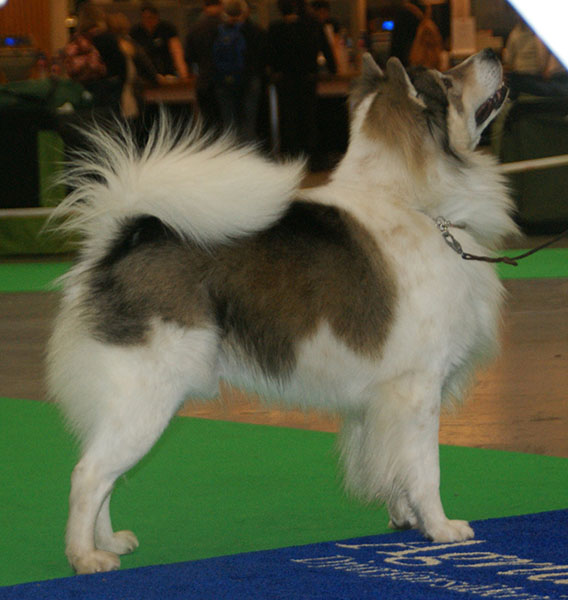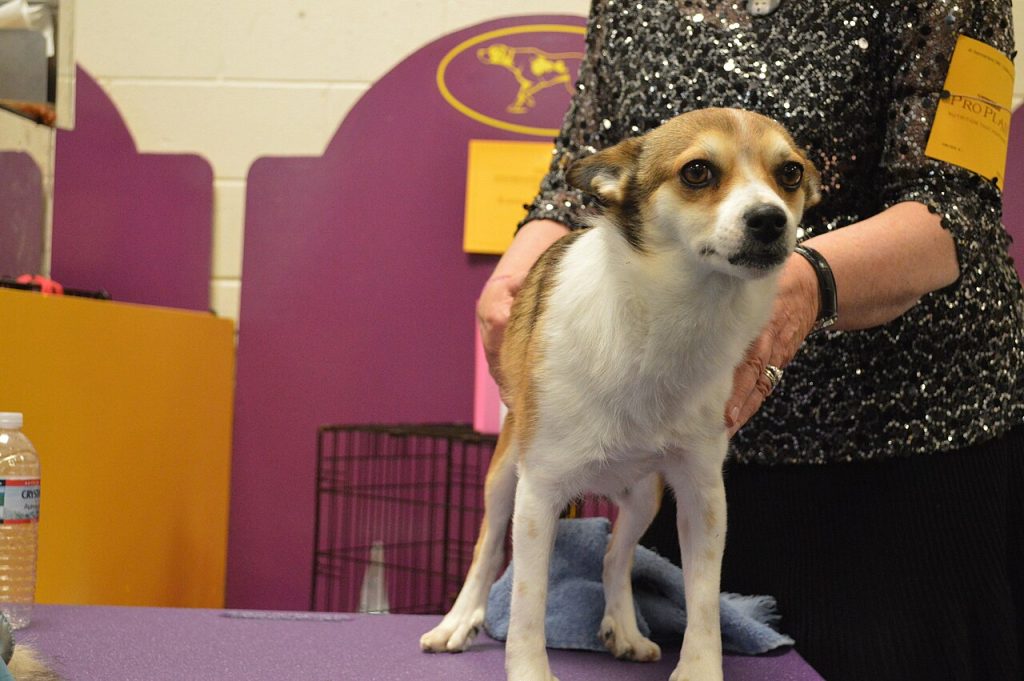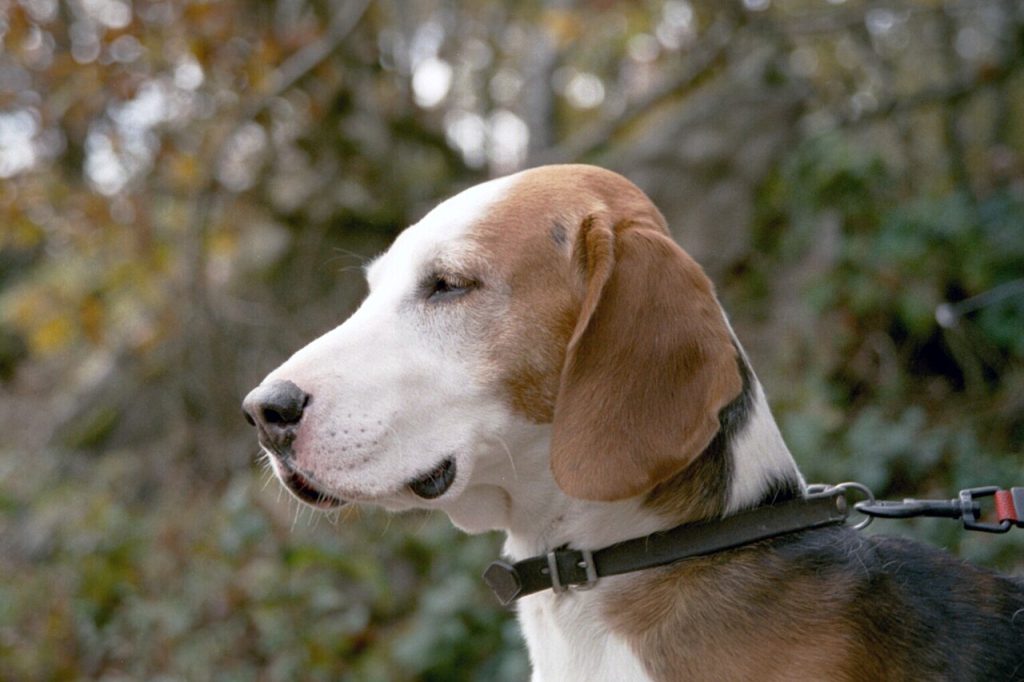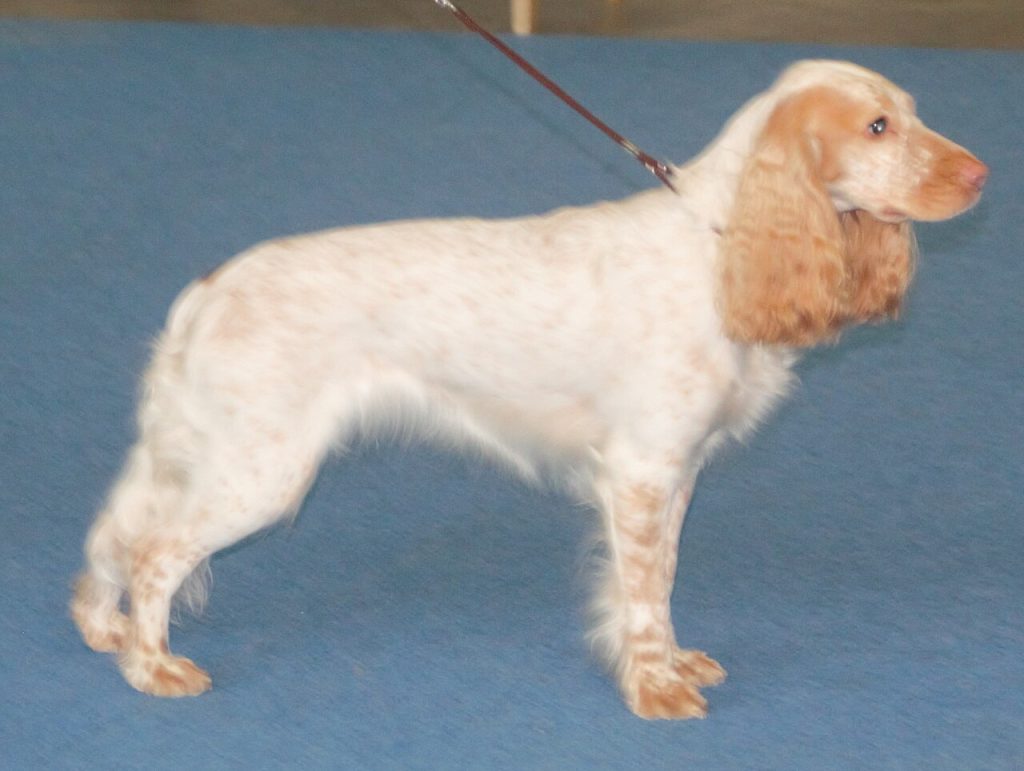
The Spaniel Ruso(Russian Spaniel) is a small and compact, cheerful and tireless hunting dog, and the only sample dog native to Russia. Standardized in 1951, it brings together the best of the English Cocker Spaniel and the Springer Spaniel in a longer body and somewhat higher legs, designed to lift and collect birds in marshes, fields and forests. Outside of work, he is a loving family companion, sociable with children, and perfectly capable of living in a flat if given plenty of exercise.
Is the Russian Spaniel for you?
Before you fall in love with its mottled face, you should understand what kind of dog the Russian Spaniel is. It’s not a couch dog: it’s a work hunter tucked into a small body, with energy and a desire to have a purpose. It fits wonderfully with active people and doesn’t fit well with anyone looking for a quiet dog that’s content with two short laps around the block.
In favour .
- Small to medium size: easy to transport and to have in the city.
- Cheerful, well-adjusted and very close to his family.
- Good with children and sociable if brought up well.
- Intelligent and trainable, eager to please.
- Rural breed, with no known serious hereditary diseases.
- Excellent all-purpose hunting dog for birds and small game.
To be taken into account
- He needs plenty of daily exercise; he gets bored easily.
- He tends to get fat if he doesn’t control his eating.
- Long ears that require repair to prevent otitis.
- Strong hunting instinct: beware of birds and small animals.
- Little known outside Russia; breeders can be hard to find.
- It’s not even recognized by the big international dog clubs.
Character and temperament

The Russian Spaniel is first and foremost a energetic and free-spirited dog. Despite being a gun dog, its easy nature and devotion to people make it also work great as a companion dog. It is cheerful, active and always ready to play: it responds to any form of attention by wagging its happy tail.
He is a gentle, easygoing dog who gets along well with children and builds a strong bond with his family. It has an excellent sense of smell and remarkable endurance, a direct inheritance from generations selected for its performance in the field. It can act as a warning dog and warn of visitors, although Russian cannibals themselves warn that encouraging its guardian instinct too much can be detrimental to its hunting qualities. In short: A well-balanced, sociable companion eager to participate in everything his people do.
Coexistence: children, other pets, flat and loneliness
Niños. The Russian Spaniel has a reputation for being child-friendly and patient. Its manageable size and playful nature make it a good family companion, always under the usual rules of coexistence between dogs and minors (respect for dog rest times and supervision with the smallest).
Other pets. is sociable, but we must not forget that it is a bird hunter by vocation. The coexistence with other dogs is usually good; with birds, rodents or other small animals it is advisable to be prudent, since its instinct to raise and collect prey is very alive.
Apartment and city. Its small size is one of the reasons for its popularity in Russian cities: it fits well on a floor and is easy to carry to hunting grounds.
Soledad. is an affectionate and sociable dog, so it is not good to spend too many hours alone. If you work outside for many hours, it will need routines, companionship and stimulation so as not to get bored or gain weight from inactivity.
Education and training
The Russian Spaniel is intelligent and trainable, and enjoys working side by side with his guide. As a good collection dog, he is programmed to collaborate: look for the piece, pick it up and bring it when asked.
Positive reinforcement is the natural route with this breed. Short, varied, motivating sessions are far more effective than monotonous repetition. Start early with socializing and exercises that channel your sense of smell and energy: Searching games, collecting objects and tracking work are activities that he loves and that strengthen the bond. In its day the breed was even tested in blood tracing, proof of its good instinct and endurance.
Exercise and activity

Here’s the key to the breed: The Russian Spaniel is a working dog with a lot of energy. It was bred to spend hours beating marshes, fields and forests, swimming and even diving to collect wounded birds. That machinery needs daily expense.
A happy Russian Spaniel is a healthy tired Russian Spaniel: long walks, runs, sniffing games and, if possible, outings to the countryside or water. Mental stimulation is as important as physical; searching exercises allow you to use your big nose and get home relaxed. Without sufficient activity, he easily gains weight and may develop boredom behaviors. It is, therefore, an ideal dog for active people and families, fans of hunting or dog sports.
Care: fur and hygiene
The coat of the Russian Spaniel is short, tight and silky, with longer fringes on the ears and legs. It is a practical and moderately maintenance coat: a regular brushing is enough to keep it clean and untangled, paying a little more attention to the fringes.
The critical point of hygiene are the long, dangling ears, common to all spaniels. Because they are poorly ventilated, they retain moisture and dirt and promote otitis, especially if the dog bathes or works in damp areas. Checking and cleaning your ears regularly is the best way to prevent infections. They complete the routine with nail care, tooth care, and a skin inspection after field days to remove grains, ticks, or vegetation.
Foodstuffs
The feeding of the Russian Spaniel should revolve around one idea: control the ration. The breed tends to gain weight easily, a problem that is prevented simply by adjusting the amount of food to its activity level and avoiding excess prizes.
In addition, the Russian Spaniel may be prone to food allergies, which usually manifests between the first and fifth month of life. Among the most cited allergens in the breed are chicken and carrots. If signs such as itching, digestive or skin problems appear, it is worth reviewing your diet with your veterinarian and discarding ingredients. As always, fresh water available and a quality feed or diet suited to your size and age.
Health and life expectancy
Good news: the Russian Spaniel is a remarkably healthy breed. Developed as a working dog, it does not carry any serious inherited diseases of its own beyond those that usually affect spaniels. No other breed-specific health problems are known to date.
The points to be monitored are concrete and manageable: the ear infections associated with their long ears (preventable with revisions), the tendency to gain weight(controllable with diet) and the possible early food allergies already mentioned. With regular veterinary checkups, weight control and ear care, it is a robust dog that usually enjoys a long life for its size, usually around 13 to 15 years.
Physical appearance

The Russian Spaniel is a small and sturdy dog, compact-looking and functional. It is very reminiscent of the English Cocker Spaniel, with a body similar to that of the working lines of that breed but with the long ears of the exposure lines. Its body, however, tends to be longer than that of the Cocker, and the breed features a single line rather than being divided into separate exposure and field lines.
The the colors are very varied.: solid coats without white spots, feet, speckled, black and fire and various combinations. The head and ears are usually dark. In terms of size, males and females are around 38 to 43 cm at the withers and weigh on average between 13 and 18 kg, which puts it on a par or slightly above the English Cocker Spaniel.
Origin and history
The Russian Spaniel is the youngest of the Russian hunting dogs. Its roots go back to the late 19th century, when the first spaniel recorded in Russia was a black Cocker Spaniel owned by Grand Duke Nicholas Nikolayevich, a keen hunter.
The problem was practical: the smaller spaniels did not do well in Russian bird hunting because of the climate and the terrain. At the beginning of the 20th century, long-legged spaniels began to be selected, importing Springer Spaniels to create a more adapted dog. By the late 1930’s, Moscow, Leningrad, and Sverdlovsk were home to a variety of spaniels that did not fit any particular standard. The directed breeding after World War II crystallized into the first standard of the Russian Spaniel in 1951, later revised in 1966 and in 2000.
The popularity of the breed in Russia grew strongly from the nineties; Moscow dog shows gathered between 120 and 131 specimens a year, placing it among the most popular breeds next to the Irish Setter. The breed was only introduced outside Russia in the nineties, and in 2002 the Russian Spaniel Club was founded in the United States to spread its knowledge and allow the registration of specimens. Today, although not recognized by major international kennel clubs, it is recognized by the Russian Kennel Federation and various registries such as the Continental Kennel Club.
Curiosities
- It ‘s the single gun dog originating in Russia.
- Although the modern standard is 1951, dogs called “Russian Spaniels” were mentioned as early as 1891 – in New Zealand!
- Swim and dive to collect wounded birds: a small-bodied water collector.
- In its day it was even tested in the tracking of blood, in addition to hunting swamp, field and forest birds and hares.
- Its small size is no accident: it makes it easy to have in the city and to transport to the heights, one of the keys to its success in Russia.
- The breed’s food allergies often point to two unusual suspects: chicken and carrots.
If you are attracted to this hardworking and versatile spaniel, you may be interested in other spaniel breeds and hunting dogs with similar characteristics. Compare the Russian Spaniel with the Cocker Spaniel, its closest relative and one of its founding breeds; with the Beagle, another small and snooty hunter; with the stylish and sporty Vizsla; or with the classic Pointer if you are looking for a larger-sized show dog.
Frequently Asked Questions About the Russian Spaniel
Is the Russian Spaniel a good family dog?
Although born as a hunting dog, its amiable, cheerful, and very close-knit nature makes it an excellent family companion. It is sociable with children and responds with a wagging tail to any sign of attention, provided it receives enough exercise and company.
How tall and how much does a Russian Spaniel weigh?
It is a small-medium and compact dog. It measures about 38 to 43 cm at the withers and weighs approximately between 13 and 18 kg. Males and females are very similar in size, somewhat larger or similar to the English Cocker Spaniel but with a longer body.
Is the Russian Spaniel recognized by the FCI or the AKC?
No, it is not recognized by the major international canine clubs such as the FCI, the British Kennel Club or the AKC. It is recognized by the Russian Kennel Federation and some registries such as the Continental Kennel Club.
How long does a Russian Spaniel live?
Being a rustic breed and with few known hereditary problems, it usually enjoys a long life for a dog of its size, around 13 to 15 years with good care, weight control and regular veterinary checkups.
Does the Russian Spaniel need a lot of exercise?
Yes. It’s an energetic, free-spirited breed, bred to work long hours hunting. It needs daily walks, play and mental stimulation. Without enough activity it can easily get fat and bored, so it’s ideal for active people.
Can you have a Russian Spaniel on a floor?
Yes, and in fact its small size makes it popular in Russian cities. It can live in a flat as long as it is guaranteed plenty of daily exercise and does not spend too many hours alone. It is a dog that needs companionship and activity, not furniture.
Does the Russian Spaniel have many health problems?
It is a fairly healthy breed. No serious hereditary diseases are known of its own, beyond those typical of long-eared spaniels: ear infections if the ears are not checked. It tends to get fat and may suffer from food allergies, with chicken and carrots among the most cited allergens.
Is it difficult to train the Russian Spaniel?
Not particularly. It is an intelligent, trainable and willing to please dog, qualities it inherited from its role as a collector hunting dog. It responds very well to positive reinforcement. It can serve as a warning dog, although overemphasizing its guardian aspect can impair its hunting abilities.