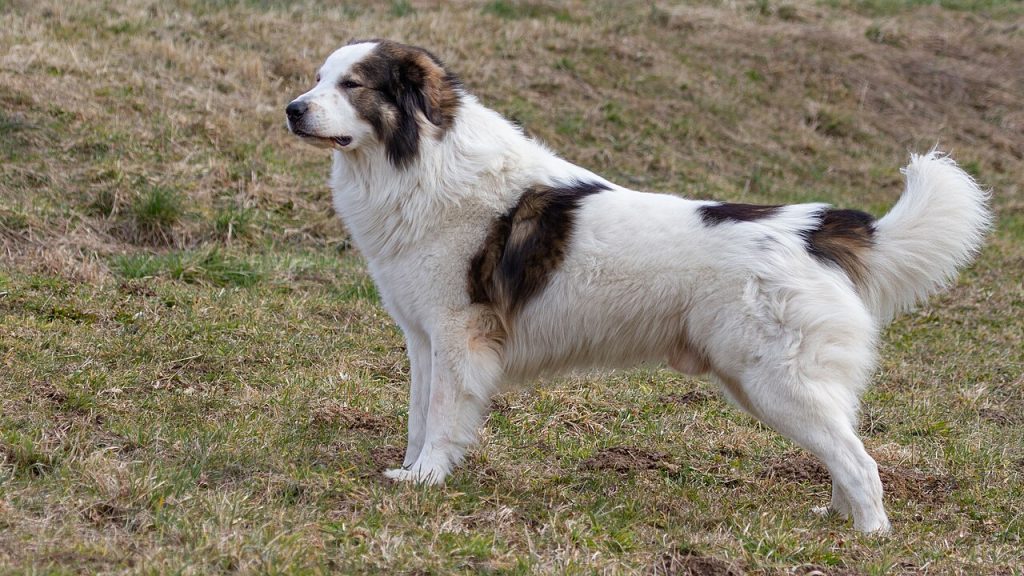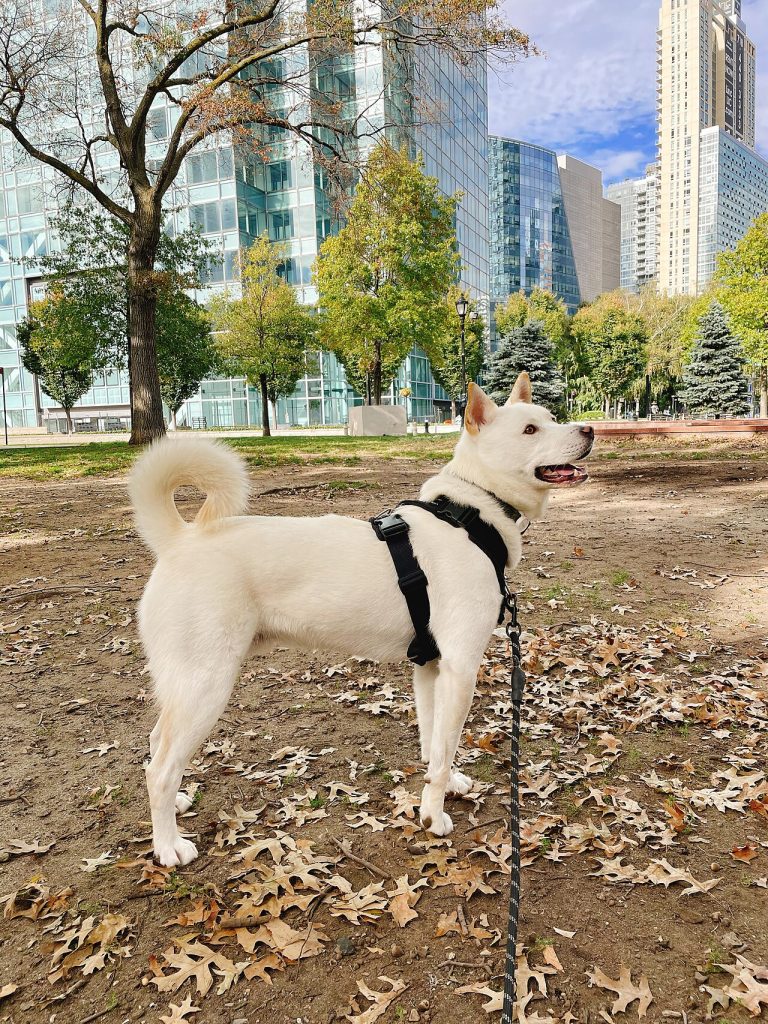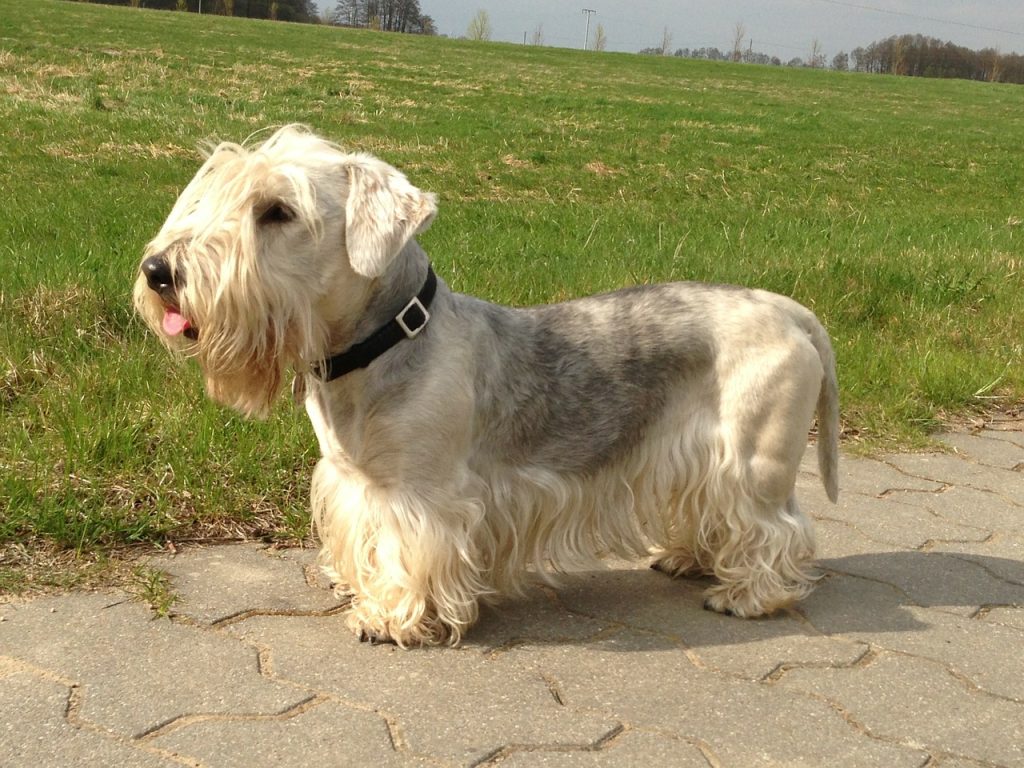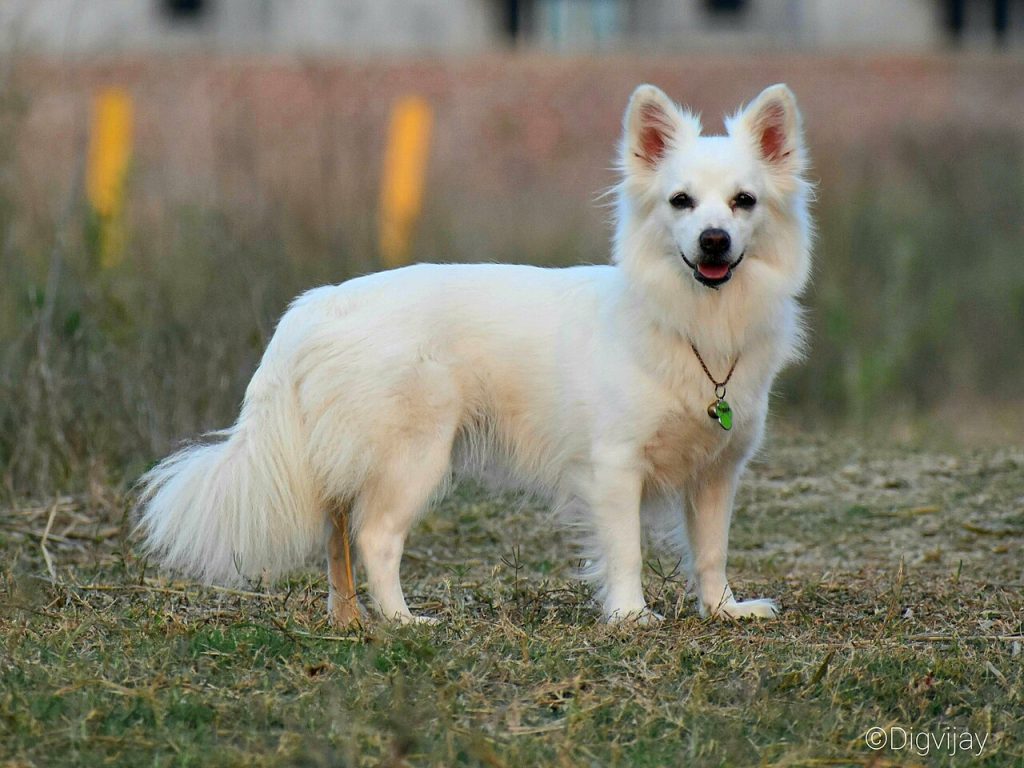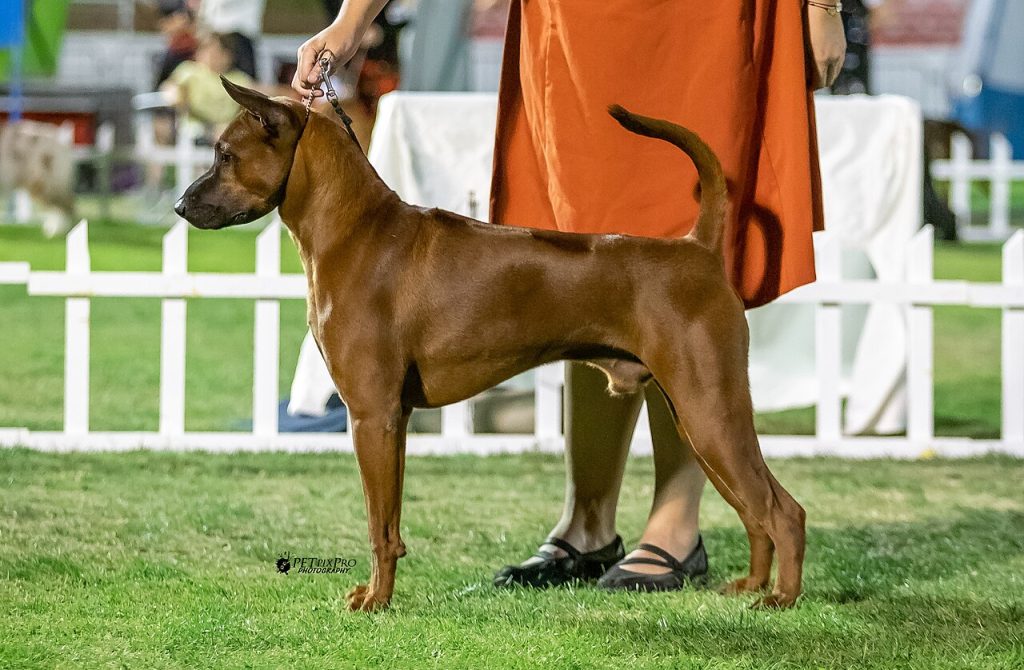
The Thai Ridgeback is one of the oldest and most unique dog breeds in the world: a primitive, athletic and independent dog originally from Thailand, instantly recognizable by the inverted hairline that runs along its back.
Is the Thai Ridgeback for you?

The Thai Ridgeback is an extraordinary but demanding dog. Its primitive nature, independence, and guarding instinct make it a superb companion for the right owner and a problem for anyone looking for a docile, complacent dog.
In favour .
- Very healthy and rustic, with few hereditary problems.
- Short hair and super easy to maintain.
- Excellent guardian, very attached to his family.
- Smart, athletic and clean indoors.
- Quiet at rest: rest for a good part of the day.
To be taken into account
- Independent and stubborn: not for beginners.
- Strong prey instinct; eye on cats and small animals.
- Reserved and protective of strangers; demands socialization.
- Jumper and escapist if you’re bored.
- He needs a consistent guide who understands primitive dogs.
Character and temperament
The Thai Ridgeback is, first and foremost, a intelligent and independent dog. Its energy level ranges from medium to high, but in a very particular way: it spends much of the day resting and concentrates activity in sporadic bursts of high intensity.
It is a naturally protective dog of its home and those of its own, making it an outstanding guardian; the flip side of that coin is that, without proper socialization, it can become suspicious, shy or even aggressive with the unknown.
Due to its historical isolation and its scant contact with humans for centuries, it retains a very independent mindset and much of its original instincts intact, especially the prey impulse.
Coexistence: children, other pets, flat and loneliness

With children: With early and solid socialization, the Thai Ridgeback can be a loyal companion for children in his own family. However, his reserved nature makes him not the typical patient dog with anyone, and it is always advisable to monitor the relationship with the little ones and teach them to respect their spaces.
With other pets: is marked prey instinct, which makes it difficult to live with cats, rodents and other small animals, especially if you have not grown up with them.
On the floor: can live in a flat because the house is quiet, as long as its daily need for exercise and stimulation is met. Of course, it jumps extraordinarily well and tends to try to wander if bored, so you have to secure doors, windows and fences well.
Soledad: is not a dog to be left alone for long hours. A bored and physically inexpensive Thai Ridgeback can become destructive with furniture, so it needs company and activity to be balanced.
Education and training
Training a Thai Ridgeback is a challenge that is not recommended to the novice guide. It is a clever dog, capable of learning quickly, but also independent and with its own criteria: it will do things if it finds meaning, not out of mere obedience. Training should be based on the positive reinforcement, consistency and patience, never on harshness, which only gets it to close in on itself.
The early socialization is the most important part of his education. Exposing him as a puppy, in a positive and controlled way, to people, noises, environments and other dogs makes the difference between a balanced adult and a suspicious one.
Exercise and activity
The Thai Ridgeback needs as much as the at least half an hour long daily outdoor exercise, although it appreciates a lot more. Its energy works in bursts: long moments of calm followed by peaks of high activity, so it comes from pearls the games that allow it to run and jump.
It is a very athletic and with excellent jumping ability dog, which makes it suitable for activities such as canicross, hiking or sniffing games.[citation needed] Meeting that need is not optional: a Ridgeback that does not expend its energy channels frustration by destroying things at home.
Care: fur and hygiene
One of the great advantages of this breed is the easy to maintain. Its coat is short, soft and velvety, and does not require much effort: with a weekly brushing, better with a glove or rubber brush, it is enough to keep it shiny and remove the dead hair.
It does not need frequent baths: once or twice a year, or when it gets really dirty, is enough. As with any dog, it is advisable to check and clean the ears, monitor the nails and take care of dental hygiene. Getting used to these routines as a puppy will make it accept them naturally.
Foodstuffs
The Thai Ridgeback is an athletic and dry-muscled dog, so its diet should support that condition without leading to overweight.
It is advisable to measure the rations and monitor their body condition, since an inactive dog can easily get fat. Fresh water always available and avoiding intense exercise right after eating complete the basic guidelines. When in doubt about quantities or type of diet, the most sensible thing is to consult with the veterinarian.
Health and life expectancy

The Thai Ridgeback is a rustic and healthy breed in general terms, with few inherent health problems. Much of that strength is explained by its history: for centuries it has been bred in Thailand almost exclusively by natural selection, and its population, although small, shows no signs of inbreeding depression.
Among the conditions to which it may be prone is the dermoid sinus, a small skin defect associated with ridged breeds. In addition, modern lines resulting from crossbreeding between populations may present hypoplasia of the hip and other genetic disorders, so responsible breeders who control their breeders should be consulted. With proper care, their life expectancy is around 12 to 15 years.
Physical appearance
It ‘s a relatively large and very athletic dog . Males are around 58 cm at the withers and weigh 29-30 kg; females are lighter and smaller, at about 54 cm and between 21 and 25 kg. The head is narrow, somewhat rounded above, with a well-marked stop ! and an elongated snout. Many specimens have the characteristic wrinkles around the mask and on the front of the ears, which are high implantation, pointed, erect and slightly inclined forward.
The neck is muscular and leads to a robust chest; the limbs are long and strong, and the tail, thick at the base and tapering toward the tip, is carried erect and slightly arched. The mantle, soft and velvety, has a wide variety of colors: There are copies of red, solid black, blue and fawn. And, of course, its most distinctive feature: crest of the back, consisting of hair growing in the opposite direction to the rest of the coat.
Origin and history
The Thai Ridgeback is one of the oldest dog breeds in existence today, and remains virtually the same as it was about 3,000 years ago thanks to Thailand’s geographical isolation.
It is believed to be a precursor to many current Asian breeds with which it shares traits, such as the Chongqing dog, the Shar Pei or the Chow Chow. It also belongs to the select group of three of the world’s only back-crested breeds, along with the Rhodesian crested dog and the Vietnamese Phu Quoc. Genetic studies suggest that the mutation responsible for the crest comes from a common ancestor, ruling out that it appeared in parallel and independently in Asia and Africa. Today, this Southeast Asian country dog is beginning to spread as a pet outside its borders.
Curiosities
- Eight different ridges. Eight ridge patterns have been identified – needle, feather, arrow, lute, violin, bow, leaf and saddle – and all are valid as long as they are sharp and symmetrical.
- The wider, the better. Among breeders, the wider the ridge, the more the specimen is appreciated.
- A club of three. Only three breeds in the world have that inverted hairline: the Thai Ridgeback, the Rhodesian Crested and the Phu Quoc.
- Almost savage until recently. was bred by natural selection for centuries, which explains both its iron health and its primitive nature.
- I made a record jump. His jumping ability is so remarkable that low fences do not stop him if he decides to explore.
If you are attracted to the Thai Ridgeback for its primitive character and guarding instinct, you may be interested in other breeds with strong personalities and ancient roots. You may meet the stylish and reserved Akita, the independent and spectacular Chow Chow, the tough Husky Siberiano or the athletic and protective Dóberman, another great guard for experienced owners.
Frequently Asked Questions About the Thai Ridgeback
Is the Thai Ridgeback a good dog for beginners?
In general, no. It is a primitive, independent breed with a strong instinct for guarding and prey that needs an experienced, consistent guide with knowledge of canine behavior. A first-time owner may be overcome by his reserved character and stubbornness.
How long does a Thai Ridgeback live?
It is a rustic and healthy breed that, with good care, usually lives for about 12 to 15 years. Its robust health is largely due to centuries of breeding almost by natural selection in Thailand, with very little inbreeding.
What size and weight is it?
It is a medium-sized dog. The males measure about 58 cm at the withers and weigh about 29-30 kg; the females are lighter, with about 54 cm and between 21 and 25 kg. It is an athletic dog, with dry muscles, more agile than corpulent.
Do you get along with children and other dogs?
With early and good socialization, it can get along well with children in its own family, although due to its reserved nature it is not the typical dog tolerant of strangers.
Do you need a lot of exercise?
He needs at least half an hour of long daily outdoor exercise, and he’s grateful for more. His energy goes into bursts: he rests a lot and then he has peaks of high activity. If he doesn’t expend that energy, he can become destructive with furniture.
Is it hard to take care of your hair?
On the contrary, he has short, soft, velvety hair that only needs to be brushed once a week with a rubber glove, and he loses his hair all year round but moderately, and he only needs to be bathed a couple of times a year or when he gets dirty.
What is the ridge of its back?
Eight patterns (needle, feather, arrow, lute, violin, bow, leaf and saddle) are recognized; the wider and more symmetrical the crest, the more it is valued.
Can he live in a flat?
Yes, as long as he’s guaranteed daily exercise and stimulation, he’s a quiet dog indoors, but he jumps very well and tends to run away if he’s bored, so he needs safe fences and shouldn’t be left alone for too many hours.