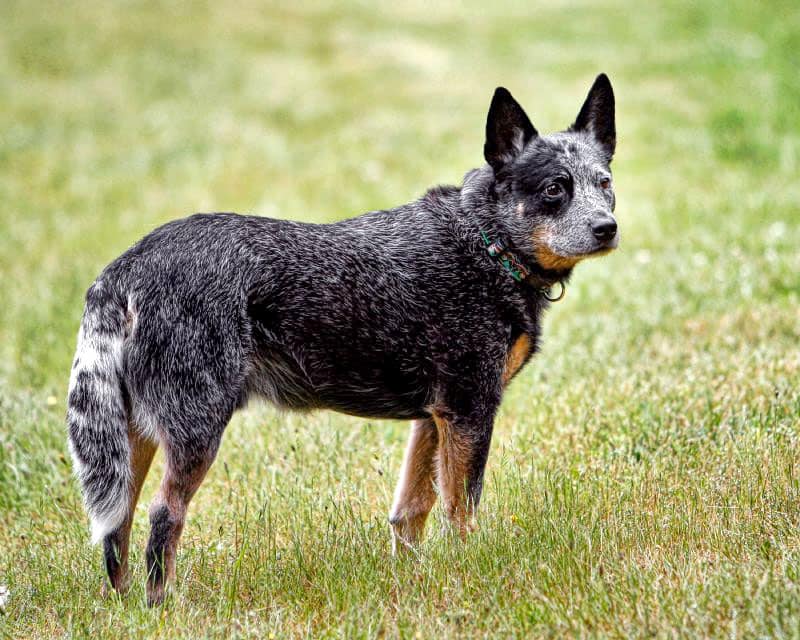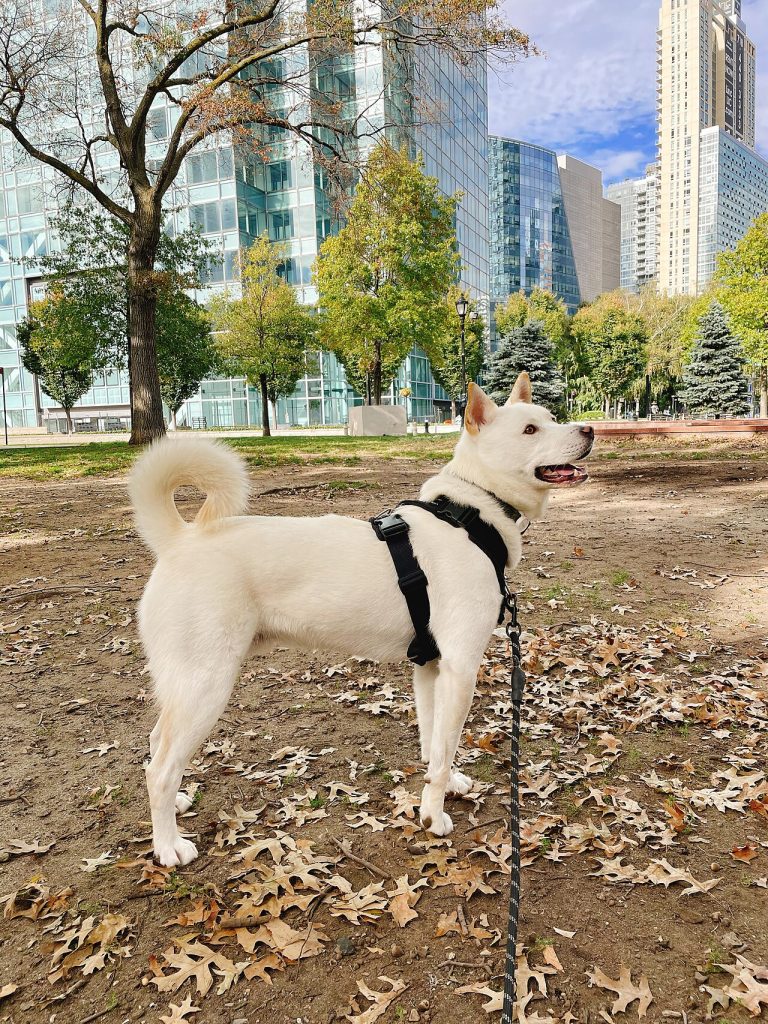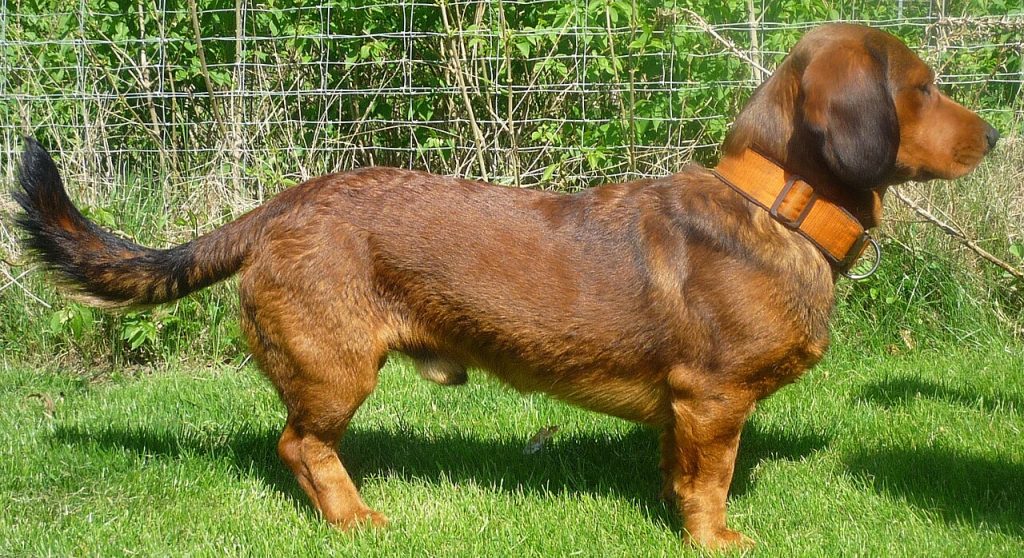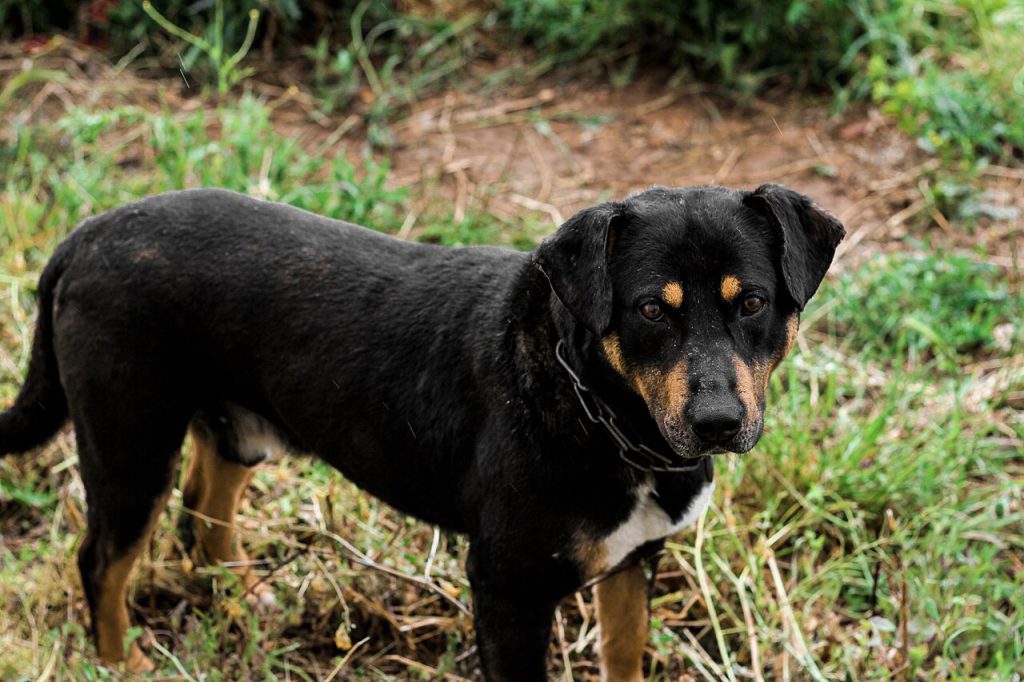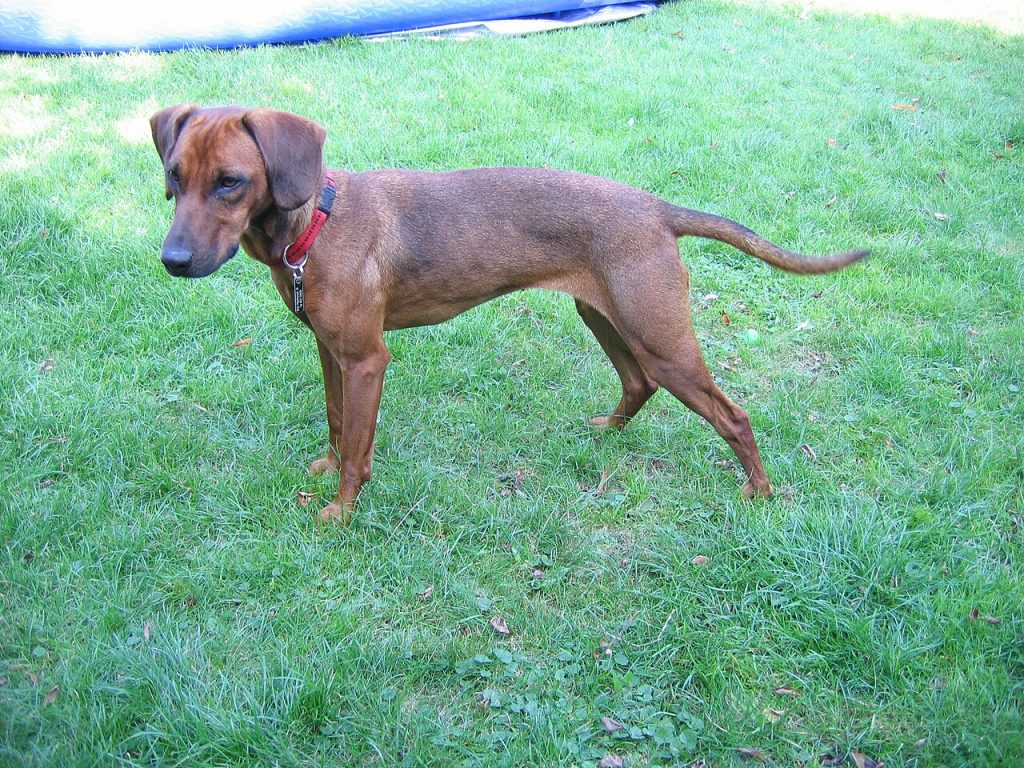
The Sabueso Tirolés(Tiroler Bracke) is a tracker dog born in the mountains of Tyrol, bred for more than a century to follow the trail of the hunt wounded by snow, forest and steep terrain. Intelligent, tireless and independent, it is a working dog of body and soul that at home transforms into a caring and calm companion. If you’re looking for a rustic, healthy breed with an exceptional sense of smell, and you can give it the exercise it demands, the Tyrolean Hound has a lot to offer.
Is the Tyrolean Hound for you?

The Tyrolean Hound is a wonderful dog, but very specialized. It is not a breed designed for the couch, but a mountain hound bred for work. Before you fall in love with its sweet look and dropped ears, it is advisable to be honest about what it needs and what it offers. This summary helps you decide at a glance if you fit.
Points in favour
- Extraordinary sense of smell and tremendous tracking ability.
- Rustic, robust and healthy, with a good life expectancy (12-14 years).
- Smart and hardworking, resistant to cold and heat.
- Loving and quiet at home when he’s exercised.
- Excellent warning dog: powerful bark and good alertness.
- Double coat that requires little maintenance.
Points against
- He needs a lot of exercise: not fit for a sedentary life.
- Independent and stubborn; the call costs with a trace nearby.
- Strong hunting instinct: watch out for small animals.
- Vocal: tends to give voice and bark.
- Bad fit in a flat or town with no field nearby.
- Rare breed and of small population; difficult to find.
Character and temperament
The character of the Tyrolean Hound is that of a classic working dog: Active, passionate and free-spirited. It is a remarkably intelligent dog and, precisely for that reason, very independent. It was bred to follow a trail alone for hours at a distance from its guide, and that autonomy is part of its essence. He may be stubborn when something interests him – usually a smell – but he is not a difficult or conflicted dog: He just has his own opinion.
Outside of work, he’s surprisingly balanced. Alert and lively when touching, it is able to “turn off” and enjoy the calm of the home, making it a very pleasant household companion once its need for exercise is satisfied. He is affectionate with his family and is usually somewhat reserved with strangers, without becoming aggressive. That mixture of sweetness at home and tenacity in the field is what lures those who really know him.
Coexistence: children, other pets, flat and loneliness

With children: The Tyrolean Hound is usually an affable and tolerant family dog, a good companion for children who respect their rest.
With other pets:‘s coexistence with other dogs is usually good, as it is used to working in company. The problem is small animals: its hound instinct pushes it to chase any trace, so with cats, rabbits or birds will require early socialization and prudence.
On the floor: is not his place. He is a country and mountain dog who needs space and stimulation. He can live on the floor only if you commit to giving him hours of real exercise daily, but a house with a garden or access to the open countryside is natural for him.
Soledad: tolerates mice only if it is well tired and with enrichment, but it is a dog attached to its family.
Education and training
Training a Tyrolean Hound is an exercise in patience and complicity. His intelligence makes him a quick learner, but his independence and the stubborn streak of a greyhound mean he won’t obey “because he wants to”. You need to understand what you’re winning, and that’s where positive reinforcement — rewards, play, cheerful voice — works infinitely better than any coercive method, which just gets you to close in on the band.
Early socialization is essential: The sooner he gets to know people, environments, noises and other animals, the more balanced he will be as an adult. The great workhorse is the called: When an interesting trail enters his nose, the world disappears for him. That is why it is advisable to reinforce the “here” from a puppy, work with long security and do not rely on total release in uncontrolled areas until you have a very solid response. Short, varied, motivational sessions with a lot of olfactory work get the best out of him.
Exercise and activity
There are no shortcuts here: The Tyrolean Hound is an endurance athlete. It was selected to move for hours over rough, cold, or hot terrain, following a trail without fading, and that machinery needs to wear out daily. A minimum of one to two hours of vigorous exercise is the foundation, and he’s grateful for much more: mountain routes, long walks, trail-tracking and nose games that combine body and mind.
Physical exercise alone is not enough; your mind also needs work. Tracking, searching for hidden food, and any activity that takes advantage of your sense of smell really fills you up and prevents boredom. A well-trained Tyrolean Hound is a calm and happy dog at home; one who is bored will seek his own entertainment, almost always based on barking, escapes after a smell or small mischief.
Care: fur and hygiene
One of the great advantages of this breed is its low maintenance requirements. The Tyrolean Hound wears a double coat with a dense and rough inner coat that protects it from the mountain climate.
The focus will be on the ears: Because they are flat and wide, they retain moisture and dirt and promote otitis, so they should be checked and cleaned regularly, especially after going to the countryside or bathing. Complete the routine with nail trimming when necessary, good dental hygiene and a check of pads and skin after mount days, where you can collect spikes, ticks or small wounds.
Foodstuffs
As an active working dog, the Tyrolean Hound needs a quality diet well adjusted to its energy expenditure, which can be very high in times of hunting or intense activity and lower in rest seasons.
A complete, balanced diet or a well-formulated diet, divided into two daily servings, is the norm. In deep-chested dogs, intense exercise should be avoided just before and after eating as a precaution against digestive problems. If you have any questions about quantities, type of feed or supplements, it is best to consult your veterinarian, who will tailor the guideline to each individual.
Health and life expectancy

The Tyrolean Hound is, in general, a rustic, robust and healthy dog, with a life expectancy of about 12 to 14 years. Its functional selection over the course of more than a century has primed endurance and fitness for work, which translates into a breed without the great frailties of other more artisanal dogs.
That said, there are spots to watch. hypoplasia of the hip is one of the conditions to look out for, as in many medium-sized and active breeds. The ear infections are the other classic, favored by their sloping ears. And there’s a factor inherent in the low-census races: A German genetic study comparing the Bavarian Mountain Hound, the Hanoverian Hound and the Tyrolean Hound found that the latter had the highest level of inbreeding of the three, with a low effective population size. That is why it is so important to go to responsible breeders who take care of genetic diversity and carry out the relevant health tests.
Physical appearance
The Tyrolean Hound is a medium size dog, of harmonious silhouette and clearly functional appearance, neither heavy nor light. Males measure approximately 44 to 50 cm at the withers and females slightly less, with a weight usually around 15 to 22 kg depending on sex and specimen. The body is compact and rectangular, muscular, with a deep and moderately wide chest and a gently descending groove. The tail, which has a high insertion and is shaped like a sword, is held upright when the dog is excited.
The head is fairly broad, with a slight central arch and a straight, deep snout ending in a preferably black truffle. The eyes are large, round and dark brown, with an alert, friendly expression. The wide, flat, rounded-tipped ears are inserted high and reach almost to the snout when stretched forward. The coat is double, with a rough inner layer, and features the classic color layers of the breed: red, or black and fire, both varieties often with white spots, typically a star or list on the chest.
Origin and history
The Tyrolean Hound has its roots in the Tirol, the Alpine region today divided between Austria and Italy, and descends from the ancient Celtic hounds.
Selective and systematic breeding started towards 1860, with the aim of fixing a hound perfectly adapted to hunting in the snow and the steep Alpine terrain. In 1896 the first breed standard was published and, shortly after, in 1908, the Tyrolean Hound was recognized as its own breed. Already in more recent times, in 2006, it gained recognition from the United Kennel Club. It is framed by the FCI within the Grupo 6(hound type dogs, tracking dogs and similar breeds), faithful to its original function that has remained almost intact to this day.
Curiosities
- It is also known as Tiroler Bracke or Tyroler Bracke, and in French as Brachet Tyrolien.
- Tradition attributes its use to Emperor Maximilian I as early as the 16th century, linking it to Central European courtly hunting.
- It is capable of working alone and following the trail of a wounded piece for miles, even in extreme weather conditions.
- Its lack of aggression makes it a poor watchdog, but its powerful barking makes it a superb warning dog.
- It is normal to have missing premolars and slightly spaced teeth; the standard does not penalize it.
- As a breed with a small population and closely related to the hunters of Tyrol, it is still almost unknown outside its region of origin.
If you are drawn to the world of hounds and tracking dogs, you may want to compare the Tyrolean Hound with other breeds of sniffer and working dog. Check out the Beagle, another hound with a prodigious nose and cheerful temperament; the towering Bloodhound, the quintessential tracker; the versatile Basset Hound, a hound with short legs and a keen sense of smell; or the energetic Vizsla, another hunting companion who needs plenty of activity.
Frequently asked questions about the Tyrolean Hound
Is the Tyrolean Hound a good family dog?
Yes, if the family is active and gives him work. Outside of hunting, he is affectionate, quiet at home and very attached to his own, with that ability to “disconnect” after a good day of exercise. He is not a dog for living in confinement or for sedentary people: he needs nature, smell and long outings. With those conditions covered, he is a balanced and grateful companion.
Can he live in a flat?
It is not its ideal habitat. The Tyrol Hound is a mountain hound bred to cover great distances on steep terrain, and a floor is too short for it. It can adapt if compensated with several hours daily of serious outdoor exercise, but a house with a garden or constant access to the open countryside fits much better with its nature.
Does he bark a lot?
It is vocal, yes. As a good hound it gives a voice when following a trail and warns with a powerful barking at any novelty, which makes it an excellent warning dog. It is not aggressive, but it is advisable to work from puppy the management of the barking so that it does not become excessive, especially if there are neighbors nearby.
Do you get along with other dogs and pets?
The delicate point is the small animals: their very strong hound instinct pushes them to follow and chase any trace, so with cats, rabbits or birds early socialization and supervision is appropriate, without taking for granted a relaxed coexistence.
Is it easy to train?
It is very intelligent and learns quickly, but also independent and somewhat stubborn, a trait typical of hounds bred to work alone following a trail. It responds very well to positive reinforcement and short, motivational sessions; harsh methods only get it to close. Calling and controlling with trails in between is the big challenge.
How much exercise do you need a day?
We’re talking about a minimum of one to two hours a day of intense activity, and he appreciates a lot more: mountain trails, trail tracking, olfactory games, and mental work.
What’s your life expectancy and are you healthy?
It usually lives between 12 and 14 years and is a rustic and robust breed. The points to watch are hip dysplasia and otitis, favored by its dropped ears. In addition, being a breed of reduced census it has a relatively high consanguinity, so it is key to go to serious breeders who care for genetic diversity.
Is this a rare breed?
The Tyrolean Hound is closely related to the hunters of Tyrol (Austria) and Alpine areas, and outside that environment it is difficult to see.