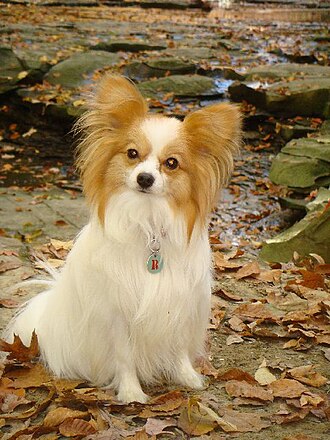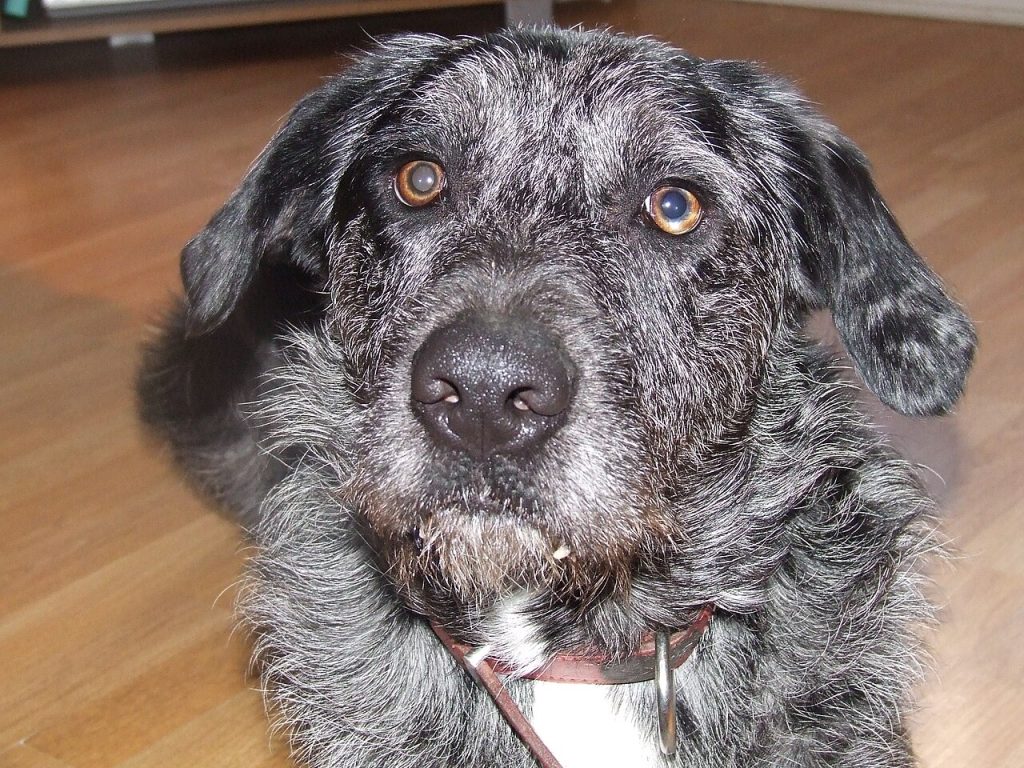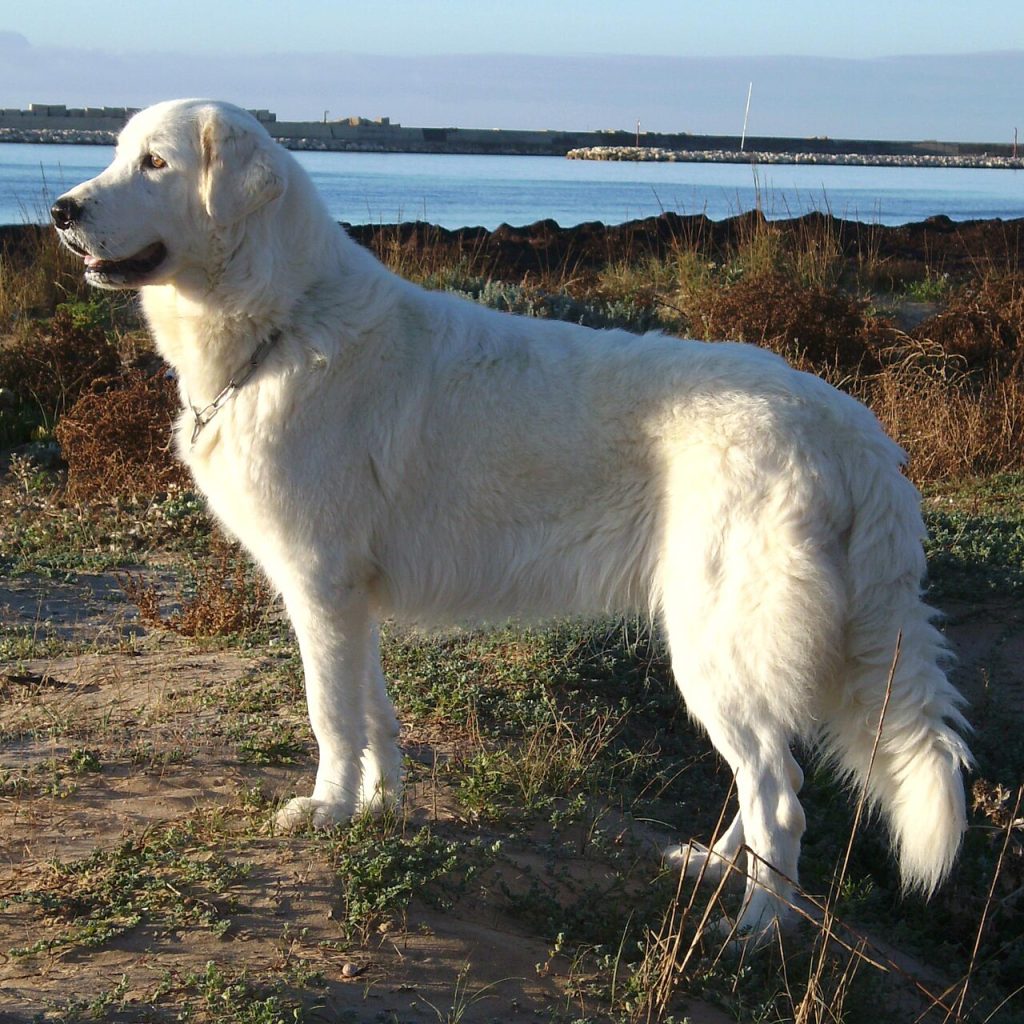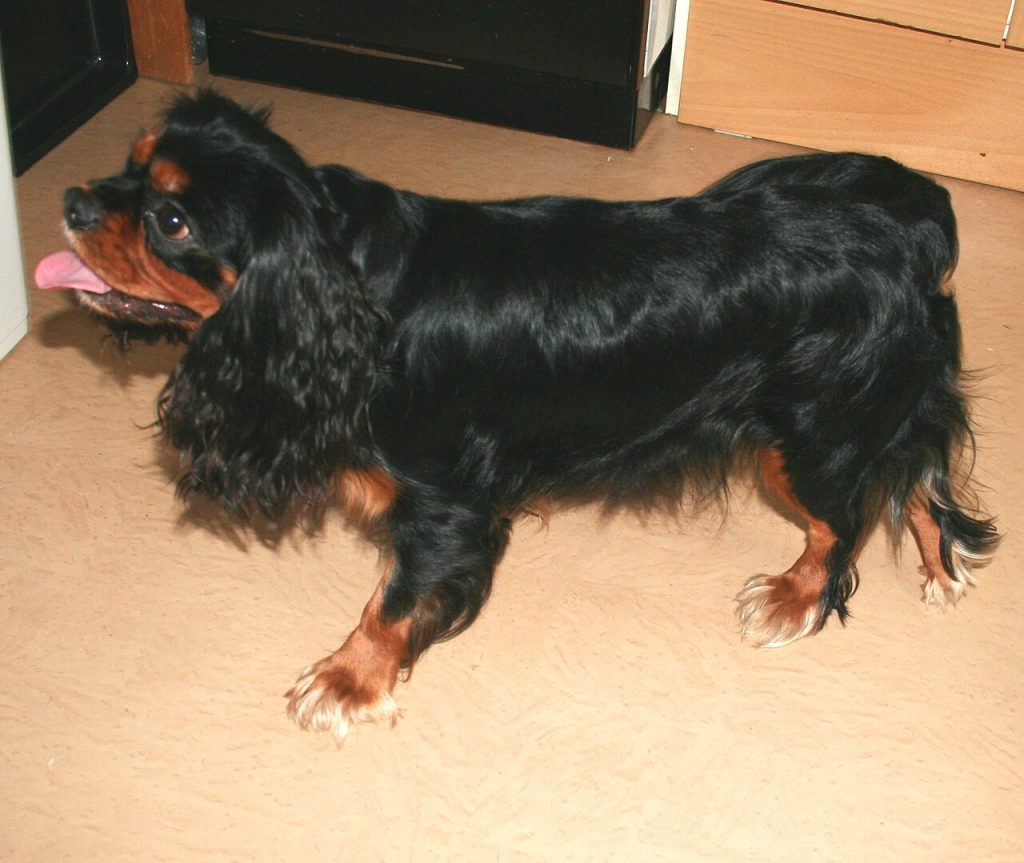
The King Charles Spaniel is a tiny, sweet-looking, aristocratic-looking companion dog, named in honour of King Charles II of England. Quiet, quiet and deeply homely, he’s one of the best lap dogs around: Perfect for anyone looking for a loyal, low-energy companion, not a goalie or an athlete. Not to be confused with its more famous relative, the Cavalier: The King Charles Spaniel is smaller, with a flat face and a bulging head.
Is that the King Charles Spaniel for you?

Before you fall in love with that face, you should see firsthand what it means to share life with a King Charles Spaniel. It is a toy dog designed for intimate companionship, not for great physical feats or to guard. These are its lights and shadows.
In favour .
- Ideal for floor: of the toys the breeds are calmer and quieter.
- Low energy: short walks and pampering are all she needs.
- Very affectionate and close to his family.
- Good with kids, respectful and tolerant of other pets.
- Intelligent and stable: serves as a therapy dog.
To be taken into account
- He can’t stand prolonged loneliness.
- Flat face (brachycephalic): sensitive to heat and respiratory problems.
- Predisposition to heart and eye problems.
- Long hair that needs frequent brushing.
- It’s not a keeper and tends to get fat if neglected.
Character and temperament
The King Charles Spaniel is a gentle dog up to the marrow. Its vocation is that of lap dog: it enjoys the company of its own and seeks contact and calm more than adventure. It is so sociable and confident that, precisely because of this, it does not fit as a watchdog; at most it will bark to announce a visit, but does not distrust strangers.
It is one of the quietest toy breeds, a trait its owners greatly appreciate. He ‘s not a nervous dog or a compulsive barker: His style is calm, sweet and observant. At the same time, it is intelligent enough to work on obedience and, thanks to its balanced temperament, is successfully employed as a therapy dog in hospitals and residences, where its quiet presence works wonders.
It retains the hunting instincts of its spaniel ancestors, although its size and quiet nature mean that it rarely puts them into practice.
Coexistence: children, other pets, flat and loneliness

With children: binds very well to them and is usually tolerant, but does not accept harsh treatment. It is a small and delicate dog, so coexistence with small children must be supervised and the toddlers must be taught to handle it gently.
With other pets: coexists well with other dogs and animals. There is only one nuance: as it still retains the hunting instinct of its ancestors, it is not always friendly to very small animals, so it is advisable to make calm introductions.
On the floor: is an excellent choice. Being one of the quietest and low-energy toy breeds, it adapts perfectly to apartment life. It does not need a garden, only company and walks.
In the face of loneliness: here is its weak point. It prefers not to be left alone for long periods. It is a family dog, very attached, which can suffer if it spends too many hours without anyone. It is not the ideal breed for those who are away from home all day.
Education and training
The King Charles Spaniel is intelligent enough to excel at obedience work, and its stable temperament makes it very manageable. The key with this breed is positive reinforcement: rewards, soft voice and patience. It is a sensitive dog that shuts down with harsh methods and thrives on affection.
Being such a people-oriented companion dog, early socialization and a gentle routine yield great results. It is advisable to work from a puppy to stay alone for short and progressive periods, precisely because it is a breed that takes loneliness badly. It also helps to get it used early to the manipulation of ears, eyes and legs to facilitate lifelong grooming and veterinary checkups.
Exercise and activity
It’s not a high-energy dog, and that completely defines its exercise needs. With moderate daily walks and some play at home it covers its physical expense abundantly. It enjoys a lap nap more than a long run.
Two important warnings: First, because it is brachycephalic (flat-faced), it does not tolerate heat and strenuous exercise, so you should avoid exercise in the hottest hours and watch for fatigue and drowning; second, it is historically one of the most likely breeds to gain weight, so some regular activity and a balanced diet are the best defense against overweight.
Care: fur and hygiene

The King Charles Spaniel has long, silky hair with abundant spaniel-like fringes, especially on the ears, legs, and tail. That hair is beautiful, but it requires constant maintenance: brushing frequently to avoid knots and tangles, especially in fringed areas. In fact, the need for constant grooming has historically been the main drawback of these toy spaniels over other breeds.
The long, dangling ears deserves special attention: it must be checked and cleaned regularly to prevent infections. Since it is a dog with a flat face, it is advisable to clean the facial folds and pay attention to its large, dark and somewhat protruding eyes, more exposed to irritations.
Foodstuffs
A King Charles Spaniel’s diet should be tailored to a small, low-energy dog with a marked tendency to overweight.The keyword is moderation: measured rations of a complete and quality food, suited to its size and age, and great care with prizes and leftovers.
Splitting food into two servings a day, checking your weight regularly, and adjusting the amount to your actual activity help keep you fit. An overweight King Charles suffers more from his heart and joint problems, so keeping an eye on the scale is one of the best things you can do for his health. If you have any questions about quantities or diet, it is best to consult your veterinarian.
Health and life expectancy
The average life expectancy of the King Charles Spaniel is 10 to 12 years. It is a breed that, under normal conditions, can reproduce naturally, but carries several health problems inherent in its brachycephalic morphology and small size. Specific research on the breed has been limited, although data have been collected in international studies.
Eye problems: is one of its delicate points. It is associated with the race cataracts, corneal dystrophy, distichiasis (extra eyelashes or hairs that irritate the eye, with increased risk compared to other races), entropy, microphthalmia, optic disc druses and keratitis.
Heart problems: highlights mitral valve disease, a common condition in small and toy breeds.
Otros: as a brachycephalic, can present respiratory system disorders, in addition to endocrine and metabolic diseases common to small breeds. Syringomyelia has also been noted within the King Charles/Cavalier group. The best prevention is to go to responsible breeders, have regular veterinary checkups and keep your dog at a healthy weight.
Physical appearance
The King Charles Spaniel is a small, compact dog. It measures between 23 and 28 cm to the cross (9 to 11 inches) and weighs around 3,6 to 6,4 kg(8 to 14 pounds).
Their long silky mantle is featured in four varieties of colour, a reflection of the four ancient races that merged into the current one:
- King Charles: black and fire (black with mahogany/fire marks on face, legs, chest and under tail).
- Prince Charles: tricolor, mostly white with black spots and fire marks.
- Blenheim: white with red spots and ideally a characteristic red spot in the center of the skull.
- Ruby: of a single color, uniform deep red.
The tail has been traditionally clipped, a practice now illegal in the UK and other European countries since 2006. The FCI classifies the King Charles Spaniel within the English Toy Spaniel section, in Group 9 (pet dogs), alongside the Cavalier King Charles Spaniel.
Origin and history
The ancestors of these small spaniels are thought to have arrived in Europe from East Asia, possibly via trade routes, and appear in European paintings as early as the 16th century: The first red and white toy spaniels appear in works by Titian, such as the Venus of Urbino(1538). In the English court they are documented in the time of Queen Mary I (1553-1558), but it was King Carlos II(who reigned from 1660 to 1685) who made them famous: He adored these dogs, who accompanied him everywhere, even during state occasions, hence their name.
The modern King Charles Spaniel is the result of the crossing of those historical spaniels with East Asian breeds – such as the Japanese Chin, the Pekingese and the Carlino (Pug) – at the beginning of the 19th century, crosses sought above all to shorten the muzzle according to the fashion of the time.
In 1903, the British Kennel Club attempted to unite four toy varieties – King Charles (black and fire), Prince Charles (tricolor), Blenheim and Ruby – under one name. There was controversy, resolved by the intervention of King Eduardo VII, who made clear his preference for the name “King Charles Spaniel”. In 1904 the American Kennel Club did the same, grouping them as the English Toy Spaniel. In the 20th century there were attempts to recover the old type from the time of Charles II: One failed (the Toy Trawler Spaniel) and another triumphed, giving rise to today’s wildly popular Cavalier King Charles Spaniel.
Curiosities
- It takes its name from Charles II of England. The diarist Samuel Pepys went so far as to criticize the king for “playing with his dog all the time and not attending to business” during a council meeting.
- The Blenheim variety owes its name to Blenheim Palace, the residence of the Duke of Marlborough, breeder of these small spaniels.
- In the 16th century, ladies liked to carry these spaniels as lap dogs: they were called “Comforters” and were believed to have the power to relieve stomach ailments by applying them like a live poultice.
- The grand Duchess Anastasia of Russia had a King Charles Spaniel; his body was found near the site where the Romanovs were executed in 1918.
- It is a much less common breed than the Cavalier: in 2003 the Kennel Club declared it “vulnerable native race” to promote its breeding.
- Queen Elizabeth II, famous for her corgis, also had King Charles Spaniels.
If you are attracted to the King Charles Spaniel, you may be interested in other companion and toy breeds with which it shares character or kinship: its close relative the Cocker Spaniel, the elegant, furry Shih Tzu, the tiny, hairy Yorkshire Terrier, or the friendly, brachycephalic Pug, one of the ancestors that helped shape its dull face.
Frequently Asked Questions About the King Charles Spaniel
Are the King Charles Spaniel and the Cavalier King Charles Spaniel the same?
I’m not going to. They are two distinct and separate races. The King Charles Spaniel (also called the English Toy Spaniel) is smaller, with a bulbous head, very short snout and flattened face. The Cavalier King Charles Spaniel is somewhat larger, with a flattened skull and a longer snout. The Cavalier was born in the 20th century from a 1926 contest to recover the old type, and today it is much more popular than the King Charles.
Is he a good dog for floors?
Yes, it is one of the most suitable toy breeds to live on the floor. It is one of the quietest and quietest toy breeds, of low energy and very homely. It is enough with short walks and company. What is worse is staying alone for many hours: it prefers to be with its family.
How long does a King Charles Spaniel live?
It is a brachycephalic (flat-faced) and small-sized breed, with a predisposition to heart and eye problems, so good veterinary checks and a healthy weight help it reach good old age.
Is he good with kids and other pets?
It is very attached to children and is usually tolerant of them, but does not accept harsh treatment, so it is advisable to supervise the smaller ones.
Does it serve as a guard dog?
It’s not his strong suit. It’s so friendly that it doesn’t function as a guard dog, although it can bark to warn of a visitor’s arrival.
Do you need a lot of exercise?
No, it’s a low-energy dog that settles for moderate daily walks and some play at home, retains hunting instincts, but doesn’t show a high level of activity.
How do you take care of your fur?
It has long, silky hair with fringes on the ears, legs and tail, which requires frequent brushing to avoid knots. Its long, hanging ears must be checked and kept clean.
Where did the name King Charles Spaniel come from?
In 1903, the British Kennel Club united four toy varieties (King Charles, Prince Charles, Blenheim and Ruby) under this single name, at the behest of King Edward VII.