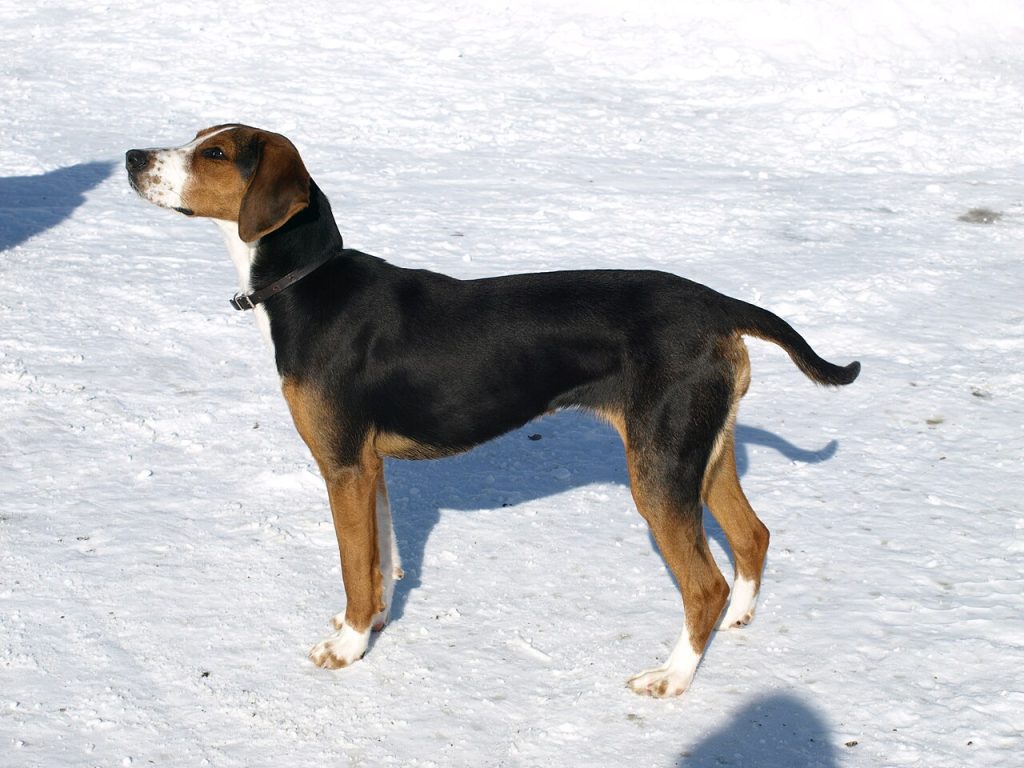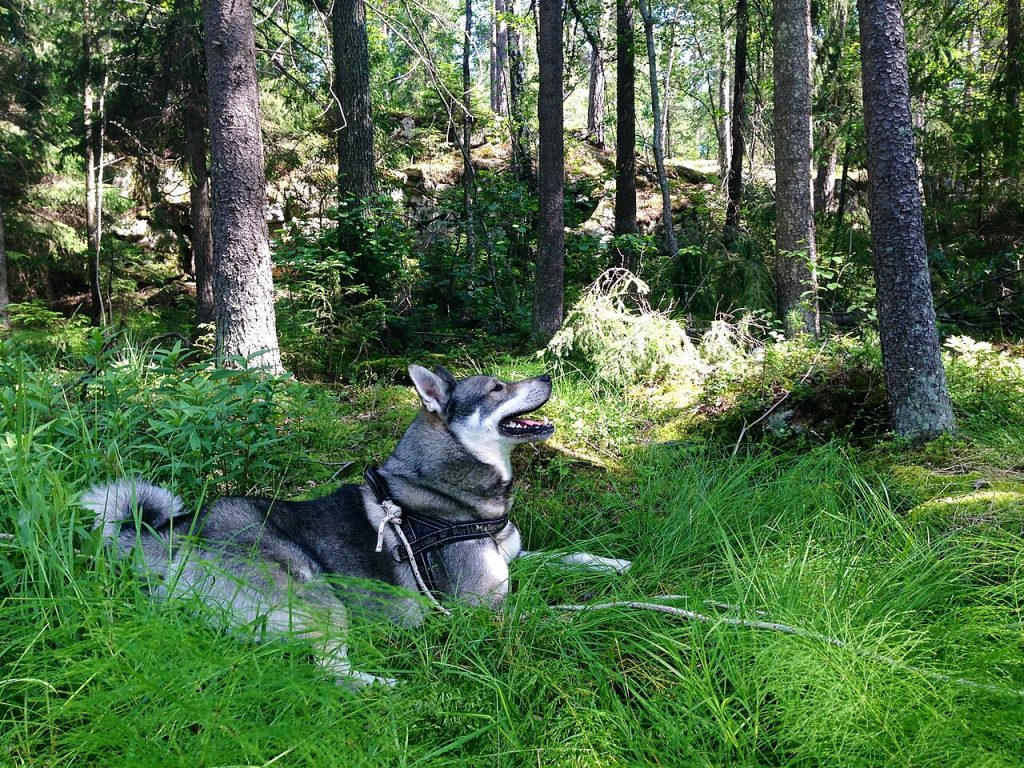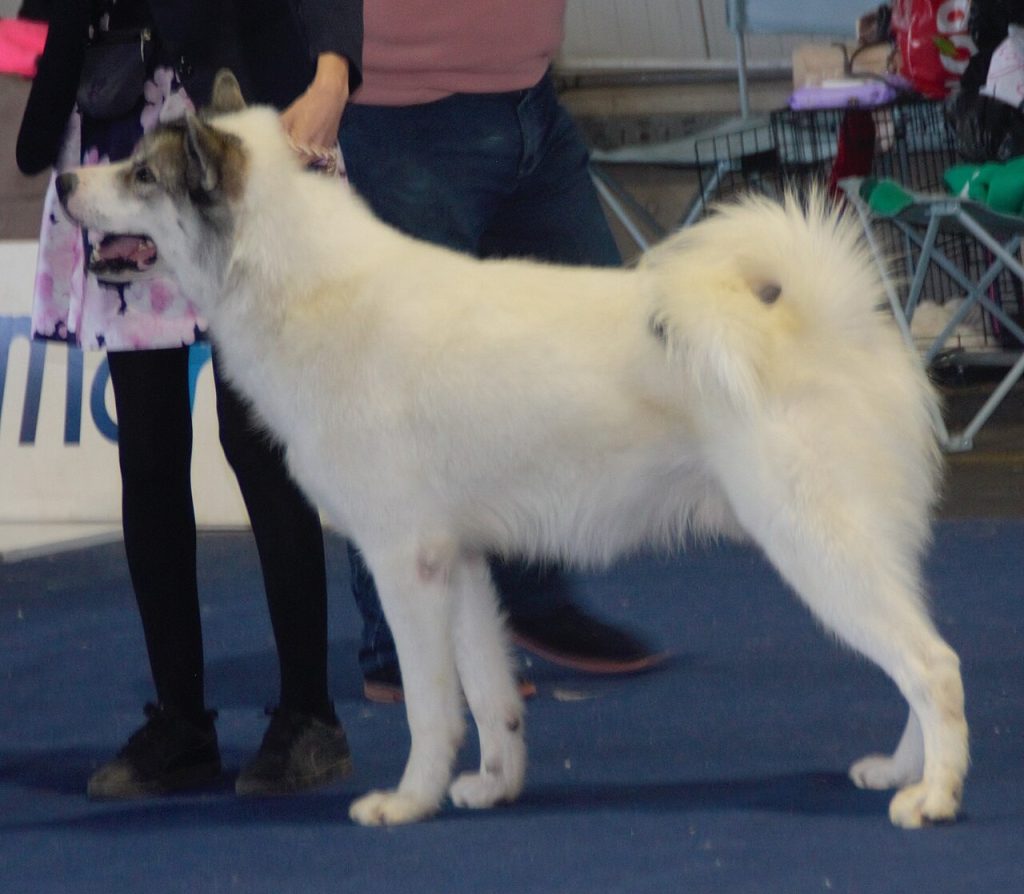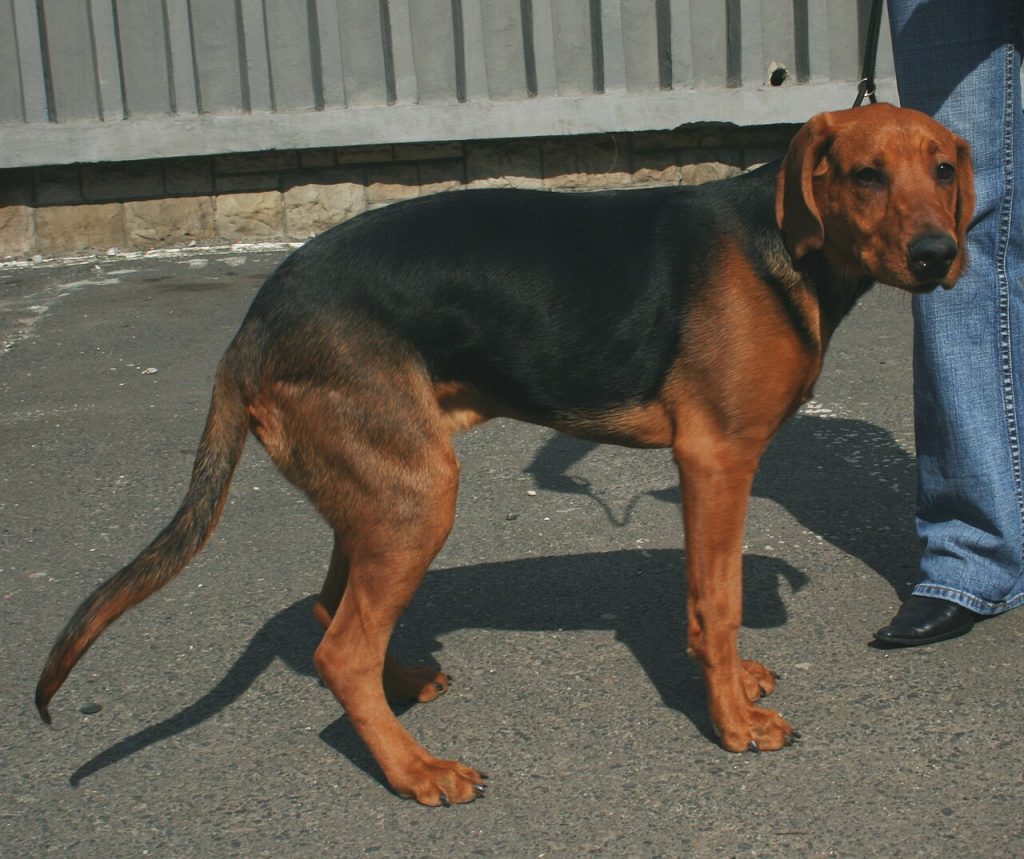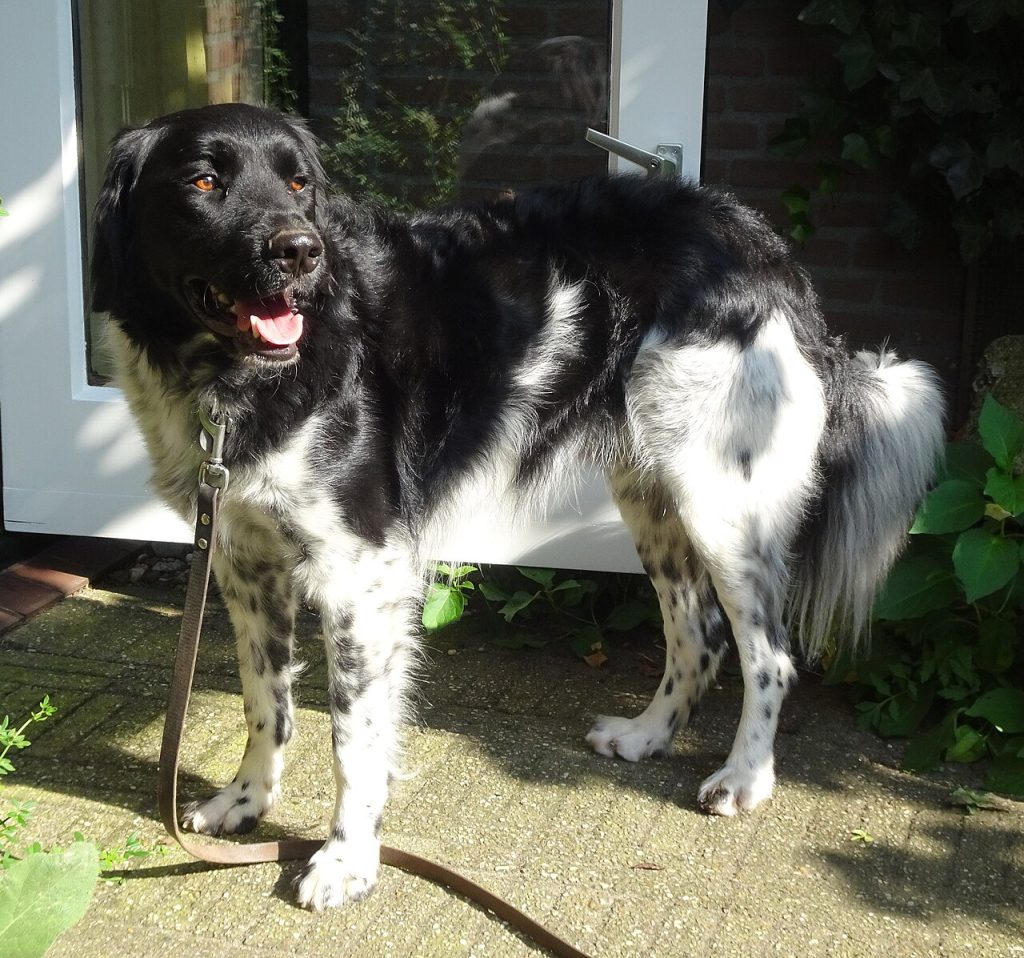
The Stabyhoun is one of the rarest dog breeds in the world: a versatile farm dog originating in Friesland, the Netherlands, which combines the versatile hunter, the soft-mouthed collector, the quiet keeper and the faithful family companion into one animal. Serene at home and tireless outside, the Stabyhoun is a Dutch national treasure with only a few thousand specimens worldwide. In this comprehensive guide we tell you about their character, their care, their health and everything you need to know before sharing your life with one.
Is the Stabyhoun for you?
The Stabyhoun is a remarkably well-balanced dog, but its rarity and activity needs make it a little out of the box.
Points in favour
- Kind, patient and very tolerant of children and other pets.
- Quiet in the house and not much of a barker.
- Intelligent and eager to please: easy to educate with good treatment.
- Healthy and long-lived breed (13-15 years on average).
- Versatile: used for hunting, obedience, agility, tracking and as a warning dog.
- She loves the water and swimming.
Points to Consider
- Very hard to get: it’s one of the rarest breeds in the world.
- It needs plenty of daily exercise; it is not a sedentary dog.
- He needs company and is part of the family: he cannot stand isolation.
- It changes twice a year and needs regular brushing.
- He can be stubborn at certain times.
- Their hunting instinct and love of water demand a suitable environment.
Character and temperament

The characteristic that defines the Stabyhoun is its friendly temperament. It is a friendly, sensitive, intelligent, calm, patient and manageable dog, although it can occasionally show some stubbornness.
It is extremely tolerant of children and other animals, a direct inheritance of its past as a farm dog that lived with the whole family and cattle.
It may be very calm indoors, but don’t be fooled: like a good sporting dog, it enjoys physical activity and needs to expend energy. It combines that dual nature – serene on the couch, tireless in the field – in a way that delights those who live with it.
Coexistence: children, other pets, flat and loneliness
With children: is one of the most recommended breeds. Its patience and tolerance make it a safe and friendly companion for the little ones, always with the supervision and mutual respect that any coexistence between dogs and children requires.
With other pets: The Stabyhoun usually gets along well with other dogs and animals. It is advisable to keep in mind its hunting instinct and its history as a hunter of moles and vermin, so the introduction to small pets should be done with the head.
On the floor: can live in a flat because it is quiet indoors and barks little, but only if it is guaranteed daily exercise.
Soledad: is a dog that needs to be part of family life. Raised for generations as a faithful and trusted companion, it does not take well to spend many hours alone or to live relegated to a yard. Isolation is probably its greatest weakness.
Education and training
The Stabyhoun is intelligent and wants to please, a combination that greatly facilitates training. At the same time, it is sensitive: it responds to positive reinforcement and firm but kind treatment, and closes itself to harsh or abrupt methods.
With constant and respectful education, it is obedient and very attached to its guide. Some stubbornness may occur, which is resolved with patience and consistency, never with harshness. Its historical versatility – soft-mouth collector, good sampler, excellent tracker and alert dog – shows how capable it is of learning varied tasks.
Early socialization with people, other dogs, and different environments helps him develop his natural balance. He is a dog who appreciates having a job or activity that gives meaning to his energy.
Exercise and activity
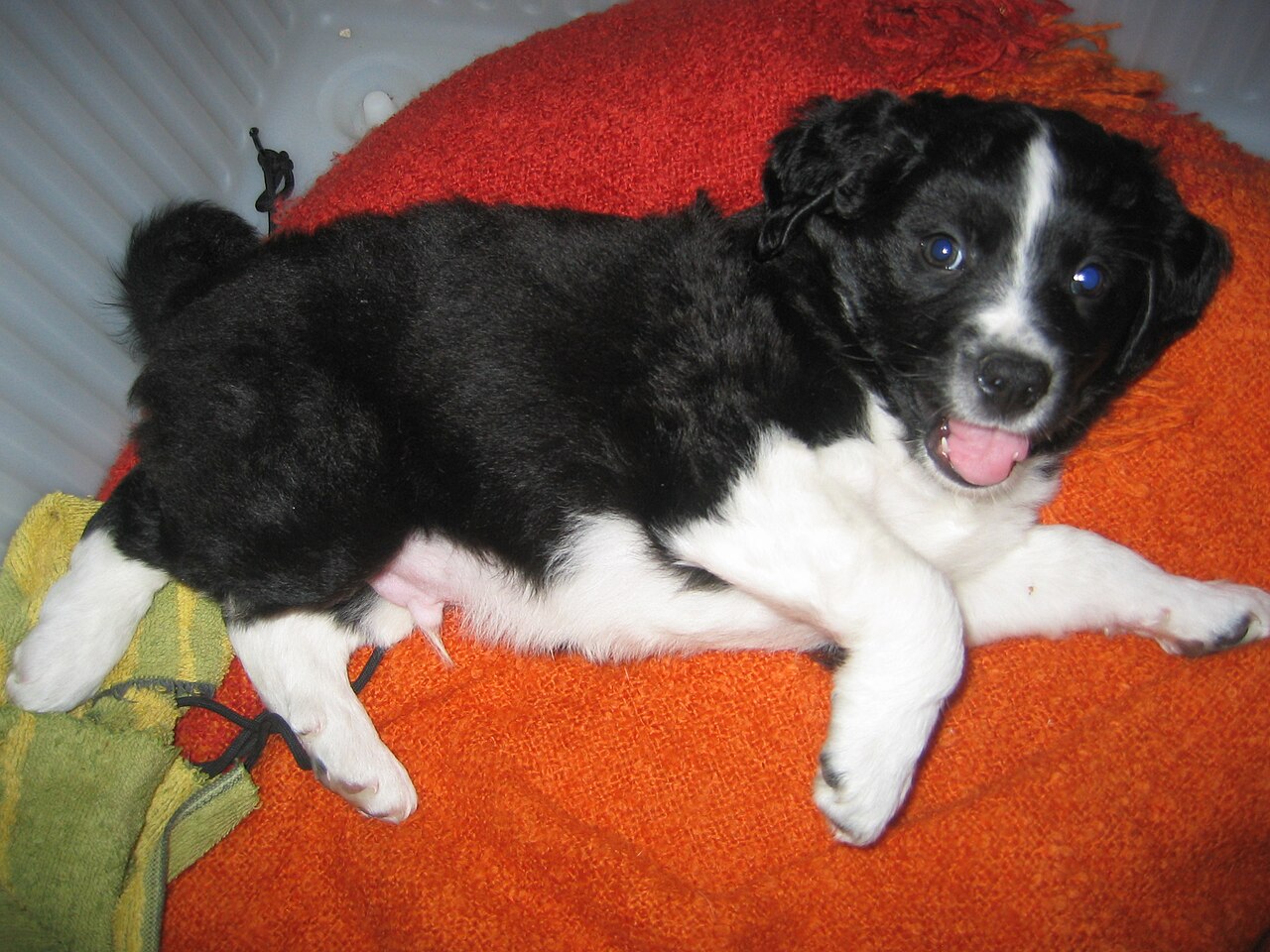
Although at home it is quiet, the Stabyhoun is a working and hunting breed with a medium-high energy that needs an outlet.
Its great passion is water: for its Frisian roots it loves to swim and does not shy away from rivers or cold lakes. A swimming session is one of the best ways to spend energy and keep it in shape. Today it is seen competing in almost all types of canine disciplines: agility, obedience, hunting, canine triathlon, endurance tests and frisbee, among others.
It is, in short, a versatile dog that has not specialized in a single sport precisely because it serves everyone.
Care: fur and hygiene
The Stabyhoun does not require special care beyond regular brushing to minimize knots. Its coat is long, smooth, and silky, and tends to become flabby – even raspy if neglected – especially the fine hair behind the ears, which is most prone to tangling.
The breed sheds twice a year, and a thorough brushing at these times helps the shedding process. Aggressive soaps and shampoos should be avoided whenever possible, because they strip the coat of its natural oils and gloss. The coat itself gets rid of dirt and mud by itself: after a bath in the river, the dog is usually clean and dry in a matter of hours.
As with any breed, the routine must be completed with checks of ears, nails and teeth, and with deworming and corresponding vaccinations.
Foodstuffs
The Stabyhoun has no exceptional dietary needs, but its diet is one of the most influential factors in its health and longevity, along with exercise, care and environment.
Since it is an active dog, the diet should cover its energy expenditure without becoming overweight, which would penalize its joints. It is advisable to divide the food into several servings, take care of body weight and adapt the amounts to periods of greater or lesser activity.
Health and life expectancy
The Stabyhoun is a relatively healthy breed, with no common health problems notable today, with a average life expectancy of 13 to 15 years. Diet, exercise, care and environment are the factors that most impact its health and longevity.
Known congenital conditions in the breed include persistent arterial duct (PDA), epilepsy, elbow dysplasia, hip dysplasia and Von Willebrand disease type 1 (vWB). Other conditions such as radius curvus, hereditary cataracts, steroid-sensitive meningitis-arteritis (SSAM) and some cases of nonspecific cancer have also been reported.
The heritability of these conditions is not exactly known, but careful breeding has eliminated most of these problems. Epilepsy, for example, was more common in the past and is no longer common today. Precisely because of the small population, breed clubs monitor the breeding in detail, with advisors investigating and approving each crossing and with mandatory hip x-rays for breeders.
Physical appearance
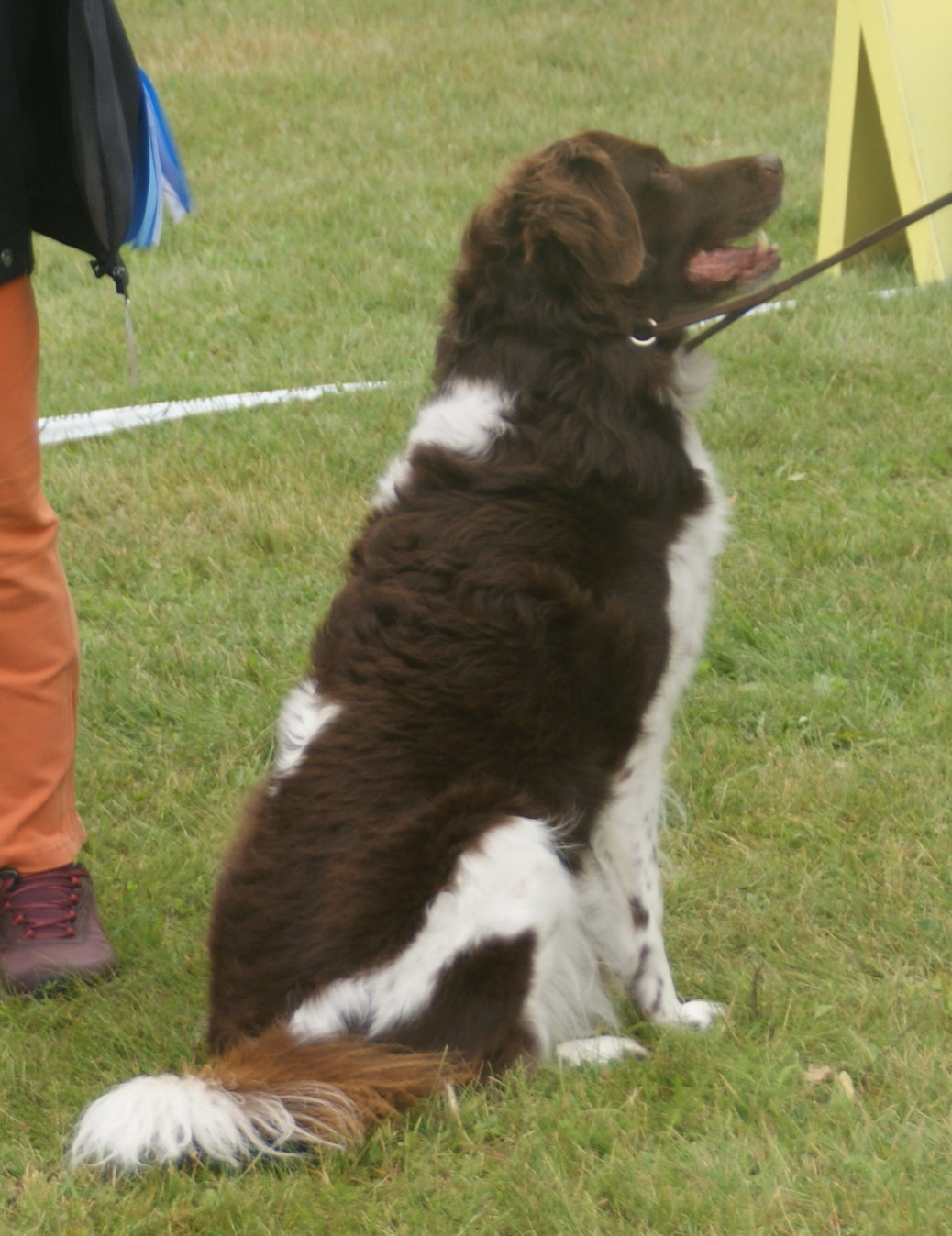
The Stabyhoun is a dog of solid build and soft, silky coat, longer than tall. It must have good scale and physical balance, without being muscular or thin.
Tamaño: males measure 53 cm and females 50 cm at the withers. The ideal weight is around 20 kg in females and 23-25 kg in males.
Coat and colour: Most Stabyhouns have black and white coat, usually with a solid black head and white tail tip. The brown and white specimens are less common and are mainly found in the Netherlands, while the orange and white coats have become increasingly rare. Ticking and roan are allowed in the white areas, but the tricolor is considered a defect. The body hair is long and smooth; a curly coat betrays a cross and rules out the dog being a purebred Stabyhoun.
Cabeza: longer than wide, with a slightly bulging skull but never narrow or wide, and an expression always sweet and intelligent. The ears, medium in size and shaped like a bricklayer’s palette, are inserted quite low and have characteristic fringes. The eyes, medium in size, are dark brown in black and white specimens. The body is powerful, with well-arched ribs, a straight back, and a long tail that reaches to the snout, inserted low and carried downward with a smooth upward curve at the tip.
Origin and history
The Stabyhoun (Stabijhoun or, in Frisian, Stabij) comes from the Dutch province of Friesland, and its origins lie in the forested region of eastern and southeastern Friesland. The breed has been mentioned in Dutch literature since the early 19th century, in the Frisian writings of authors such as Joost Halbertsma, Waling Dijkstra and Nynke fan Hichtum. His name, Stabijhoun, roughly translates to “dog that stays by my side”.
Historically it was employed to hunt foxes, small game and birds, and was a regular on Frisian farms, where it stood out as a skilled moose hunter. During the hunting season it acted as a multi-purpose gun dog, and dairy farmers even came to use it as a pull dog to pull carts. It was, in essence, the dog of a people of limited resources who needed an animal capable of working, hunting and guarding while still being a reliable family companion.
To reinforce their working abilities, the Stabyhoun was often crossed with another ancient and rare Frisian breed, the Wetterhoun, whose more rugged coat and physique made it more resistant. However, in 1942 the Stabyhoun gained official recognition as a breed and crosses between the two breeds ceased completely to prevent the extinction of two increasingly scarce breeds. It was not until the 1960s that the Stabyhoun became known outside its native province, and the first specimens did not leave the Netherlands until the 2000s. Today it is of interest to fans in the United Kingdom, Scandinavia and North America, and its numbers are growing slowly but steadily.
Curiosities
- It is considered a national treasure from the Netherlands.
- His name literally means something like “dog that stays by my side”.
- It is also known as the “Frisian Pointer” (Frisian Pointer) for its sample dog facet.
- It is one of the rarest breeds in the world – there are only a few thousand of them.
- The greatest genetic diversity of the breed continues to be in the Netherlands, where it is bred in a very controlled manner.
- To preserve the breed, breeders maintain affordable prices and are usually amateur breeders by vocation.
- As a good all-terrain dog, it has not been “adopted” by fans of a single sport precisely because it serves everyone.
If you are attracted to the Stabyhoun’s profile – a versatile, docile, hardworking dog – you may also be interested in other breeds with a well-balanced temperament, such as the Vizsla, Weimaraner, Golden Retriever, and Cocker Spaniel.
Frequently asked questions about the Stabyhoun
Is the Stabyhoun a good family dog?
Yes. The Stabyhoun is one of the most balanced family dogs that exists: docile, patient and very tolerant of children and other animals. It was bred for centuries as a versatile farm dog that lived with the family, so domestic life is its natural terrain. It needs, of course, to be part of the family nucleus and not live isolated in a yard.
How much exercise does a Stabyhoun need a day?
It is a hunting and working breed, of medium to high energy. It does well between one and two hours of daily activity spread over long walks, play and, if possible, swimming. At home it is quiet, but if it does not expend energy it may become restless. It is not a dog for a totally sedentary life.
Does the Stabyhoun shed a lot of hair?
Its long, silky coat requires no special care, only regular brushing to avoid knots, especially behind the ears, where the fine hair tends to become flabby.
Is it hard to educate the Stabyhoun?
It responds well to positive reinforcement and firm but gentle treatment; harsh treatment is counterproductive to this sensitive breed.
Can the Stabyhoun live on one floor?
It can adapt to a flat as long as it is guaranteed the daily exercise it needs and company. It is quiet inside and does not bark excessively. The important thing is not the square meters, but to go out every day and not leave it alone for too many hours.
How long does a Stabyhoun live?
It is a healthy and long-lived breed, with an average life expectancy of between 13 and 15 years.
Why is the Stabyhoun so weird?
It is one of the rarest breeds in the world: there are only a few thousand specimens. It comes from a specific area of Friesland (Netherlands) and its population is bred in a very controlled manner to avoid consanguinity, with clubs approving each crossing.
Is the Stabyhoun good with water?
Excellent. Because of its Frisian roots, it loves to swim and does not shy away from cold rivers or lakes. It works very well in the water as a collector, and a swim session is one of the best ways for it to expend energy.